
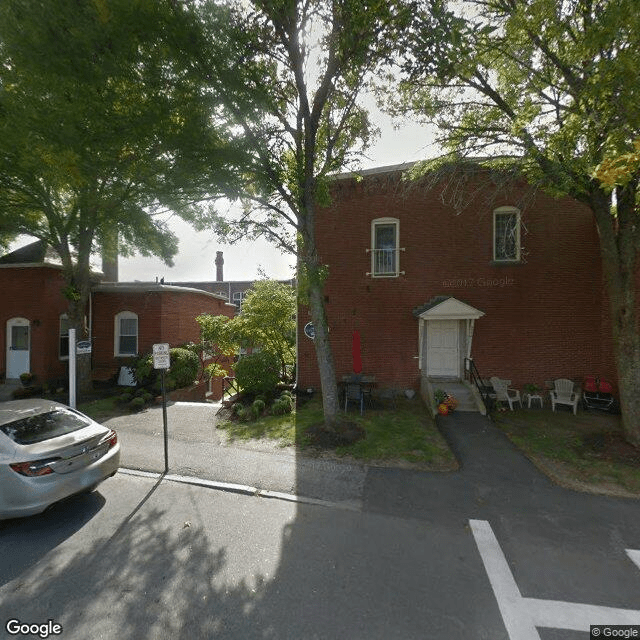
10 Chestnut St, Exeter, NH 03833
To contact a resident: (603) 778-3182
For more information about senior living options: (866) 208-4318
Overall Review of Exeter Mill
Pros
 The location is unbeatable, with the property on the Squamscot River and easy walking access to historic downtown Exeter.
- There is plenty of open space, trails, and even BBQ stations for enjoyable outdoor days.
- Wildlife and birds are plentiful, and residents can watch the Phillips Exeter Academy crew teams practice on the river.
- The old Mill building features beautiful tall ceilings and windows, showcasing its charming converted-mill character.
- Riverfront living with loft-style charm is described as pretty amazing.
- The setting blends waterfront appeal with historic charm, appealing to those who value both.
- The canal-sized river views evoke a canal-like atmosphere reminiscent of Amsterdam.
Cons
 The reviewer notes there are challenges with an old mill and implies it cannot be maintenance-free.
- They say no brick mill about 150 years old has all updated systems and is maintenance-free.
- They state that buying waterfront property with those features would be prohibitive due to cost.
- They acknowledge that aging buildings inevitably have problems that surface and require repairs.
- They recount a past pipe failure in an old mill building, illustrating ongoing maintenance issues.
Review
Exeter Mill is best suited for seniors who prize location and the riverfront lifestyle over pristine, turnkey interiors. The setting places residents within easy walking distance of historic downtown Exeter, with dinner, shopping, and town hall all accessible on foot. The on-site campus feel , a mix of old mill charm and newer buildings , rewards those who enjoy outdoor spaces, trails, and wildlife, including watching local crews on the river. The appeal lies in atmospheric architecture, tall ceilings, and the sense of living in a revitalized historic hub rather than a sterile, cookie-cutter complex. This is not a place for someone seeking a perfectly modern, maintenance-free oasis; it is for those who value character, scenery, and walkability as core daily benefits.
There are clear alternatives that should be considered for residents who require a different balance. If reliability of every system and turnkey convenience are paramount, exploring newer constructions or communities with uniformly updated infrastructure may be wiser. The old mill structure brings inevitable maintenance realities, and those who want minimal disruptions or ultra-predictable upkeep may find the tradeoffs too significant. Additionally, for seniors who prefer a single-building footprint or a more urban, polished interior without the historic quirks, other options in or near Exeter may deliver a cleaner, more predictable experience.
The strongest pros of Exeter Mill , its waterfront locale, easy town access, abundant open space, and the aesthetic and emotional appeal of loft-style mill architecture , can meaningfully offset the primary drawbacks for the right resident. The river views and proximity to downtown deliver tangible lifestyle dividends: short errands, social opportunities, and a varied outdoor palette that encourages an active senior lifestyle. The campus layout, with multiple buildings and new constructions nearby, softens the risk of living in an older, aging structure by offering newer facilities as a nearby, more polished complement. In short, the setting creates a high-quality living experience for those who measure value in atmosphere and location as much as in pristine mechanical systems.
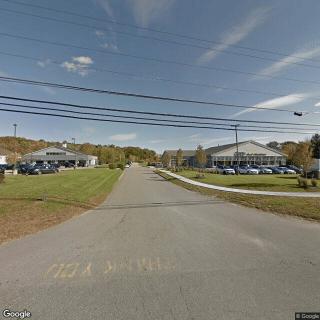
Still, the reality of an old mill building means ongoing maintenance realities cannot be ignored. The review notes that “stuff breaks” and that nothing in a 150-year-old framework is maintenance-free, with the expectation that problems will surface and require attention. That reality weighs heavily for residents who cannot accommodate periodic outages, repairs, or the visible wear that accompanies aging infrastructure. The presence of two newer construction buildings across Chestnut Street helps mitigate some concerns by offering more contemporary options on the same campus, but those newer spaces do not erase the need to accept some maintenance cycles at the older core. Prospective residents should enter with a clear plan for how repairs are handled, how quickly problems are addressed, and what the financial implications look like over time.
To navigate a decision about Exeter Mill with confidence, prioritize practical checks alongside the romance of the setting. Ask about the current state of essential systems (plumbing, electrical, HVAC), typical response times for maintenance requests, and any upcoming capital improvements or renovations. Clarify monthly fees, what they cover, and whether there are anticipated assessments related to the older structure. Confirm accessibility and safety features across all preferred units, especially if a plan includes aging in place. Finally, weigh personal tolerance for living amid an old building’s idiosyncrasies against the value of riverfront living and downtown walking access.
The bottom line is direct: Exeter Mill serves a niche audience well, seniors who want vibrant town life with the romance of a historic mill, plus ample outdoor space and river views. For those who prize a pristine, modern, low-maintenance home, alternatives that lean toward newer construction may deliver a smoother day-to-day experience. The decision hinges on how much charm and location matter relative to the realities of older-building upkeep. A guided tour that probes both the old core and the newer campus options will reveal whether the balance tips toward a satisfying long-term home or toward seeking a more predictable, turnkey alternative.
 Active Adult Communities (55+)


 Essential Knowledge on Pneumonia in Older Adults
 Exploring Palliative Care in the Home: A Comprehensive Overview
 Comprehensive Insights into Palliative Home Care: What It Is and What to Expect