
106 Fellowshill Rd, Northfield, NH 03220
To contact a resident: (603) 267-1748
For more information about senior living options: (866) 208-4318
The Young Home Costs & Pricing
At The Young Home, residents can expect to find more competitive pricing compared to the surrounding region. For a semi-private room, costs range from $1,500 to $2,500 monthly, significantly lower than the Merrimack County average of $4,707 and the broader New Hampshire state figure of $4,881. Similarly, private rooms at The Young Home are priced between $2,400 and $3,000 per month - again offering a more affordable option when juxtaposed with Merrimack County's average of $5,145 and New Hampshire's average of $5,170. This pricing structure not only highlights The Young Home's commitment to providing quality care but also reflects its understanding of the financial challenges families may face in securing suitable accommodations for their loved ones.
| Floor plans | The Young Home | Merrimack County | New Hampshire |
|---|---|---|---|
| Semi-Private | $1,500 to $2,500 | $4,707 | $4,881 |
| Private | $2,400 to $3,000 | $5,145 | $5,170 |
Senior living communities with a similar price nearby
-
from +$195 / mo
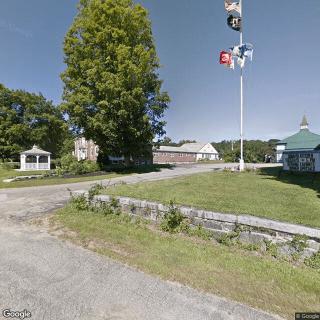
Peabody Home Assisted Living Unit
$1,695 to $6,450 / month8.4 miles away
Overall Review of The Young Home
Pros
 The Young Home was the perfect choice for their mom.
- The Youngs treat all guests as part of their own family.
- The Youngs have become part of the family for the reviewers’ mom.
- They are loving, caring, and interactive in every aspect of mom’s daily life.
- The staff provides regular updates about mom’s well-being.
- The mom is happier and more animated since moving in, and she never wants to leave.
Review
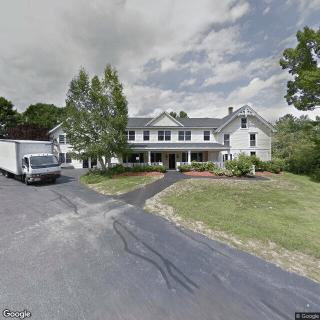
The Young Home in Northfield, NH is best suited for families seeking a truly home-like, intimate residential assisted living experience where a small, family-operated team delivers highly personalized, hands-on care. This setting works particularly well for seniors who respond to warmth, daily interaction, and routines that feel like a private home rather than a clinical environment. The narrative from an out-of-state family underscores a decisive fit: after meeting the Youngs and touring the house, both family and mom felt certain this was the right place. It is the kind of arrangement that yields genuine comfort for residents who thrive on being treated as part of the family, not just a client.
Those evaluating alternatives should note the profile of this community versus options with broader medical oversight. If a resident requires intensive medical supervision, complex dementia care, or a larger, highly structured program with formal clinical staffing, a bigger assisted living or memory-care facility may be more appropriate. The Young Home’s strength lies in intimate, day-to-day connection rather than expansive clinical infrastructure, so families should assess whether the resident’s care needs align with a smaller, home-based model or demand more on-site medical support and specialized programming.
The strongest pros all orbit around personal, everyday contact and dependable communication. The Youngs treat every guest as if they are part of the family, a level of relational warmth that permeates daily life and helps a resident feel truly at home. Caregivers who know the routine, preferences, and idiosyncrasies create a sense of continuity that’s hard to sustain in larger buildings. Regular updates and proactive communication about how the resident is faring and what they’ve been doing provide crucial peace of mind for families, especially those living out of state. These elements matter because they translate into fewer worries about day-to-day well-being and more confidence in the care being received.
On balance, the consistent, affectionate care helps offset potential drawbacks inherent to small, home-based settings. The intimate environment can foster happiness, engagement, and reduced anxiety for residents who value familiarity and strong social ties. A resident’s ability to participate in meaningful daily activities, keep a sense of independence, and receive timely attention from the principal caregivers can strongly offset any limitations in formal programs or amenities. When a resident reports feeling “at home” and a family experiences regular, reassuring updates, it becomes clear why this model works so well for certain seniors and their families.
Where the model might fall short relative to larger communities is in the breadth of services and the scale of clinical resources. Prospective families should verify what medical and memory-care supports are truly available on-site, how medication management is handled, and what happens in evenings or on weekends when staff capacity might be more limited. Questions about emergency protocols, access to nursing care, and the ability to coordinate with outside physicians are essential. The joy of a home-like atmosphere does not erase the need to confirm that the home can meet ongoing or escalating medical requirements.
In sum, The Young Home stands out for families prioritizing intimate, affectionate care, transparent, ongoing communication, and a living environment that truly feels like home. It is a compelling choice for residents who flourish with close-knit daily interactions and who value a caregiver family’s personal investment in well-being. For families whose loved one requires extensive clinical oversight, memory-care specialization, or a broad menu of on-site services, it is prudent to explore alternatives that offer more comprehensive medical frameworks. To proceed, ask targeted questions about daily routines, staff ratios, medical oversight, and the resident’s long-term care plan, and consider arranging a trial stay to confirm alignment with expectations.
 Board and Care Home
 Activities off-site
 Bath tubs
 Beautician on-site
 Devotional services off-site
 Indoor common areas
 Outdoor common areas
 Private
 High acuity care
 Incontinence care
 Medication management
 Meals provided
 Christian services


 8 Essential Assistive Devices for Older Adults
 Navigating the Financial Road to Nursing Home Care: In-Depth Guidance and Resources
 Supportive Employee Benefits That Help Caregivers Attain Better Work-Life Harmony