
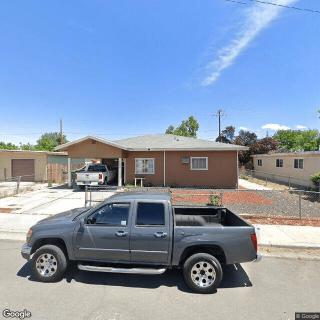
2301 East 9Th Street, Reno, NV 89512
For more information about senior living options: (866) 208-4318
Overall Review of Starlight Group Home
Pros
 The staff are knowledgeable and caring.
- The staff are very caring and friendly, and residents feel welcomed there.
- The home is spotless and the residents seem well-tended and very comfortable.
- Meals are served family-style and residents are treated as family.
- The caregivers are loving, caring, and dedicated, going above and beyond to improve residents' lives physically, spiritually, and emotionally.
- Saint Anne's may well be the best group home in the area.
- The director goes out of her way to make residents feel supported and valued, with regular updates to families.
- Families receive regular progress updates, providing peace of mind.
Cons
 They are refusing to refund any of the money to her family.
Review
Starlight Group Home in Reno, NV is best suited for families seeking an intimate, home-like setting where caregiving is intensely personal, hands-on, and focused on daily companionship as much as on basic supervision. The reviews consistently describe a small, low-key environment, roughly seven residents at a time, where meals feel like a family affair and the staff treat residents as beloved members of a close-knit unit. This is the kind of place where hands-on care, consistent updates to families, and a high-touch, nonclinical atmosphere are not extras but core features. For residents needing continuous, compassionate attention, especially those facing dementia, end-of-life care, or hospice-level support, Starlight/St. Anne’s-style homes often outperform larger facilities on warmth, familiarity, and daily quality of life.
Those considering alternatives should note two clear caveats. First, this model may not be the right fit for families prioritizing robust on-site medical specialization, a wide array of therapeutic amenities, or very structured institutional routines. Second, financial clarity matters. One strongly negative review highlights a prepaid stay that did not result in a refund, underscoring the importance of securing a crystal-clear, written refund and admission policy before any commitment. Families who want ironclad guarantees on billing, a formalized dispute process, or a large, clinical staff with 24/7 in-house physicians should look at more traditional, larger assisted-living or memory-care communities.
The strongest pros, the ultra-personalized attention, the staff’s genuine warmth, and the sense that residents are cherished, often offset potential drawbacks. The reviews laud caregivers who are described as knowledgeable, attentive, and exceptionally kind, delivering care that is physically, emotionally, and spiritually supportive. Cleanliness and a homey atmosphere emerge as consistent positives, with residents appearing comfortable and at ease. Regular family updates, sometimes via email or text, provide a crucial lifeline for relatives who live apart. In short, the emotional and relational dimensions of care carry significant weight here and frequently translate into high satisfaction, even when the setting is small and the medical footprint is modest.
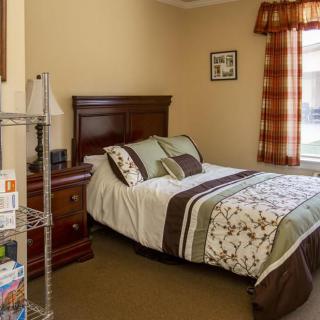
Care-model nuances matter when weighing fit. The small, home-like design, with choices like a private room that can become a shared space, family-style meals, and a flexible roommate arrangement, allows for a sense of belonging that larger campuses often struggle to replicate. Staff turnover appears manageable, and leadership, sometimes spotlighted as the director in communications, tends to be highly engaged with families. These features cultivate trust and stability, which can be transformative for residents with dementia or those nearing end-of-life transitions. However, the same intimacy can limit exposure to a wider range of clinical services, and the lack of a formal medical ecosystem may demand that families coordinate closely with external physicians and hospice teams to ensure comprehensive care.
Who should steer toward this option? Seniors who prize companionship and a “home away from home” vibe over clinical bustle, and families that value transparent, frequent communication and a culture of respect and dignity, will likely find Starlight/St. Anne’s a rare fit. It works especially well for residents who benefit from routine, structure delivered with warmth, and for families who can handle occasional friction around financial policies or who are prepared to advocate for clear terms in writing. Those needing aggressive medical management, inpatient-level therapy, or a guaranteed financial policy will want to explore other communities where governance around refunds and care contracts is more explicit.
Practical next steps set the decision path clearly. Arrange face-to-face meetings with the care team and the administrator to assess daily rhythms, admission criteria, and the precise scope of on-site medical oversight. Request a written copy of all financial terms, including refund policies, deposits, and what happens if care needs escalate. Meet current residents and families to gauge ongoing communication quality, and review any sample care plans or daily schedules to understand how activities, meals, and personal care are choreographed. Finally, verify licensing status and any local regulatory findings to ensure the setting operates within consistent standards. When those elements align, Starlight Group Home emerges as a compelling choice for families who want a compassionate, small-scale, family-first environment that truly treats residents as part of a caring circle, while keeping a vigilant eye on financial clarity for peace of mind.
 9 resident community capacity
 Assisted Living
 Cable or satellite TV
 Dining room
 Fully furnished
 Garden
 Housekeeping services
 Move-in coordination
 Outdoor space
 Telephone
 Wi-Fi/high-speed internet available
 Reno Tahoe International (3 miles away)
 24-hour supervision
 Activities of daily living assistance
 Assistance with bathing
 Assistance with dressing
 Assistance with transfers
 Diabetes diet
 Meal preparation and service
 Medication management
 Special dietary restrictions
 Transportation arrangement (medical)
 Transportation to doctors appointments


 Comprehensive Residential Support and Assisted Living Solutions for Individuals with Disabilities
 Comprehensive Supportive Living Arrangements for Adults with Disabilities
 Funding and Affording Assisted Living: A Thorough Overview