
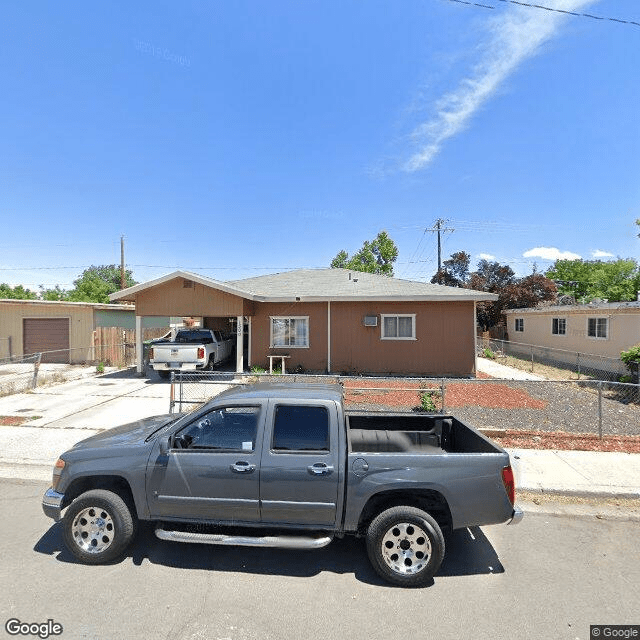
1500 Manhattan St, Reno, NV 89512
To contact a resident: (775) 323-3578
For more information about senior living options: (866) 208-4318
Overall Review of St Paul's Home Care
Pros
 Clean place.
- Caregivers are quite pleasant.
Cons
 They rarely answer the phone.
- They do not return calls.
Review
St Paul’s Home Care in Reno is best suited for seniors who prize a clean, orderly setting and staff who are consistently courteous and caring, and who can absorb some inconsistency in outreach. The available feedback shows a clear split: one resident raves about the environment and the aides, while another flags unanswered calls and missed return messages. For families seeking a home-like atmosphere with attentive, hands-on aides during daily routines, this community can deliver a solid, pleasant experience. However, it is not ideal for those who rely on rapid, predictable communication to coordinate medical appointments, medication changes, or urgent caregiving adjustments. Prospective residents should weigh the value of daily warmth and an orderly space against the need for reliable two-way communication.
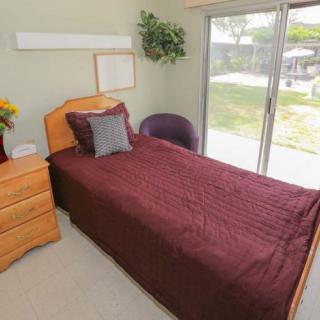
Cleanliness stands out as a core strength. The environment feels well-kept, which reduces stress for residents and families alike. Caregivers are described as pleasant, bringing a humane touch to routine activities. That demeanor can ease daily care tasks, encourage engagement, and improve overall mood. For individuals who thrive in calm, tidy surroundings and benefit from staff who project kindness, the experience has tangible benefits. In practice, the combination of a neat facility and supportive aides tends to yield better day-to-day satisfaction than rough or disorganized settings, especially for residents who do not require complex medical oversight.
Communication gaps are the most significant red flag. Reports indicate phone lines that are not reliably answered and missed return calls, creating uncertainty around scheduling, updates, and escalation of concerns. In a care scenario, such gaps can disrupt medication management, appointment reminders, and changes in care plans, forcing families to chase information rather than receive proactive notes. The reliability of communications matters just as much as the actual care delivered; without timely updates, even a kind staff can feel like a missing link in a safe, well-run system.
Yet the pros partially offset these issues when the need is steady, uncomplicated support. The cleanliness and pleasant caregivers provide a stable daily experience, which can be a critical foundation for residents with mild needs or those transitioning from independence. If a family designates a single, consistent point of contact and establishes a routine for status checks, the impact of inconsistent phone call returns can be mitigated. The facility's strengths also support short-term stays or trial periods, where the resident's tolerance for occasional communication lapses can be tested without long-term commitments. Still, the core issue remains: without dependable outreach, care planning and reassurance suffer.
Families needing proactive, transparent communication and timely updates should evaluate other options. Larger networks with dedicated care coordinators, scheduled weekly updates, and guaranteed return calls typically provide what this community currently lacks. Consider agencies in Reno that emphasize robust intake processes, proactive caregiver supervision, and easier access for families to raise questions. For residents with higher medical needs or those who require more frequent adjustments to care plans, alternatives that pair skilled aides with strong administrative follow-through will reduce stress and create a clearer line of accountability.
Bottom line: St Paul’s Home Care offers a clean, pleasant environment and warm caregivers, which is a meaningful foundation for daily life. The clear caveat is unreliable communication, which can undermine care coordination. The best fit is a resident who values the atmosphere and interpersonal warmth and can tolerate periodic gaps in outreach, ideally with a designated family liaison and a plan to track updates. Families whose priority is consistent, rapid communication should pursue alternatives with stronger processes, or test this provider with a decisive trial period, asking for explicit response-time commitments and a dedicated contact. In the decision process, balance the comfort of the environment against the cost of potential friction in updates, and let care coordination needs drive the final choice.
 Board and Care Home
 Reno Tahoe International (3 miles away)



 Comprehensive Insights into Palliative Home Care: What It Is and What to Expect
 Skilled Nursing Facilities vs. Nursing Homes: Making Sense of the Differences
 A Detailed Examination of Nursing Home Costs Across the U.S.