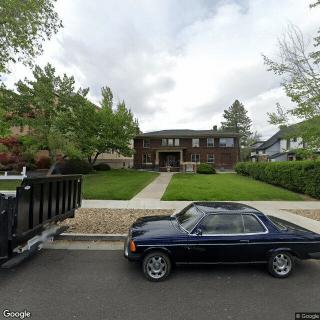
Golden Valley Group Care II

1140 Manhattan Street, Reno, NV 89512

For more information about senior living options: (844) 490-3973

1 from 1 review
Assisted Living

What level of care are you interested in?

Assisted Living

Memory Care

Independent Living

Skilled Nursing Facility

Continuing Care Retirement Community (CCRC)CCRC

Other


Request a tour at Golden Valley Group Care II

    Overall Review of Golden Valley Group Care II

    Pros

    • pro The caregiver demonstrated dedication by visiting daily and personally changing the grandmother's diaper.
    • pro The reviewer showed love for their grandmother and took action to care for her.
    • pro The reviewer encouraged others to choose better care and to monitor caregivers to protect loved ones.
    • pro The message expresses hope that loved ones can be kept longer with proper care.

    Cons

    • pro The facility chained the refrigerator doors and freezers.
    • pro Residents were found covered in their own feces with no one cleaning them.
    • pro Her diaper was not changed during the stay.
    • pro Night staff did not check on residents after 8 p.m.
    • pro The staff did not realize she had died when contacted.

    Review

    A recent account lays bare a troubling week spent with a loved one in a care facility that left the writer appalled and deeply worried about the standards of care that are supposed to protect the elderly. The narrator, speaking with the clarity of firsthand experience, describes scenes of neglect and disorder that would alarm any family member who trusts a residential facility with the care of a vulnerable relative. The tone throughout is one of heartbreak mixed with outrage, as the writer tries to reconcile the need to honor a grandmother with the realities of a system that appears to have fallen short in its most basic duties.

    Key details paint a grim picture of everyday life inside the facility. The writer notes that chains were used on refrigerator doors and freezers, a detail that immediately signals an atmosphere of security over comfort and raises questions about food safety and appropriate storage. The grandmother, the writer's relative, was found covered in her own feces, a scene that speaks to severe lapses in basic hygiene and regular nursing care. According to the account, no one was regularly tending to her or bathing and changing her as would be expected in a setting that is entrusted with physical and emotional well-being. These moments are described not as isolated incidents but as a pattern that the writer observed during the entire week.

    The narrator emphasizes personal involvement as a necessary response to the facility's neglect. They recount changing the grandmother's diaper every day during visits because the staff were not providing the care that was needed. This detail is presented not as a singular act of kindness but as a consequence of systemic inattention: the writer felt compelled to step in to ensure basic decency and cleanliness when the facility did not. The overall atmosphere conveyed is one of a space where routine caregiving tasks - assistance with personal hygiene, turning or repositioning, monitoring meals - were not reliably performed, leaving family members to fill the gaps themselves.

    Another troubling aspect described is the daily routine and oversight, or the lack thereof. The writer describes residents being locked themselves in a room by eight o'clock at night, with no one checking on them for the remainder of the night. This detail underscores a perceived disregard for continuous monitoring and the safety of residents who cannot advocate for themselves. The absence of nighttime checks is presented as a stark violation of basic expectations for elder care, where the safety and dignity of residents should be the top priority, and it adds a sense of foreboding to the narrative.

    The culmination of the writer's experience is both personal and devastating. The grandmother was taken home by the family, and that night she died. When the family tried to communicate with the facility, they were told they were not even aware that she had died or that she had left the facility. This disconnect between what a family member experiences at a loved one's bedside and what the facility reports back is described as shocking and infuriating, casting doubt on the reliability and responsiveness of the staff and administration. The account does not simply lament a single tragedy; it implies a broader failure to recognize and respond to loss in a timely and respectful manner.

    In closing, the writer urges others to love their own people by being vigilant and demanding accountability. The message is blunt: check on everything the facility says it does, and verify that those promises translate into real, daily actions for each resident. The exhortation to "choose wisely" is framed as a plea borne from personal loss - a plea that emphasizes the difference that attentive, compassionate, and well-supervised care can make in extending and enhancing the lives of elderly loved ones. The experience is offered as a cautionary tale, urging prospective families to demand transparency, insist on consistent care, and not hesitate to seek alternative options if the care being provided does not meet basic standards.

    What emerges from this account is more than a complaint about one facility; it is a call to scrutiny, accountability, and reform in elder care. The writer's memories of a week that went tragically wrong serve as a stark reminder that the well-being of the elderly depends on the daily, visible commitments of those entrusted with their care. The final message is not simply about mourning a grandmother but about urging families to remain vigilant, to insist on continuous oversight, and to seek out environments where cleanliness, safety, and human dignity are truly prioritized.

    Features

    Housing

    • 10 resident community capacity 10 resident community capacity

    Types of Care

    • Assisted Living Assisted LivingAssisted living facilities provide crucial support and care for seniors who may need help with daily tasks such as medication management, bathing, and meal preparation. These communities offer a safe and comfortable environment where seniors can maintain their independence while receiving the assistance they need to thrive in their golden years.

    Amenities

    • Cable or satellite TV Cable or satellite TVCable or satellite TV is important for seniors because it provides entertainment, news, and companionship, helping to combat loneliness and boredom. It also offers a wide range of programming options tailored to different interests and preferences.
    • Dining room Dining roomDining rooms are important for seniors as they provide a space for socialization, connection, and nutritious meals. They offer opportunities for residents to bond over shared meals, foster a sense of community, and promote healthy eating habits. Dining rooms also ensure that seniors have access to well-balanced meals tailored to their dietary needs and preferences.
    • Fully furnished Fully furnishedFully furnished senior living communities are important for seniors because they provide convenience, comfort, and a hassle-free moving experience. Seniors can easily settle into their new living space without the stress of having to buy and move furniture. This allows them to focus on enjoying their new home and community.
    • Garden GardenGardens are important for seniors as they provide a peaceful and therapeutic environment for relaxation, physical activity, and socialization. Being in nature has been shown to reduce stress, improve mood, and promote overall well-being. Gardens also offer opportunities for seniors to engage in gardening activities, which can improve mobility, flexibility, and cognitive function. Additionally, gardens create a sense of community and connection with others who share a passion for plants and outdoor spaces.
    • Housekeeping services Housekeeping servicesHousekeeping services are important for seniors because they help maintain a clean and safe living environment, promote independence, and reduce the risk of accidents or illnesses. Additionally, having assistance with household chores can alleviate physical strain and allow seniors to focus on other aspects of their well-being.
    • Move-in coordination Move-in coordinationMove-in coordination is important for seniors because it helps ease the transition into their new living environment. It ensures that all logistics, such as packing, organizing movers, and setting up utilities are taken care of, allowing seniors to focus on settling in and adjusting to their new home. Having a smooth move-in process can alleviate stress and anxiety, making the transition smoother and more enjoyable for seniors.
    • Outdoor space Outdoor spaceOutdoor spaces are important for seniors as they provide opportunities for physical activity, social interaction, exposure to natural light and fresh air, and a sense of connection to nature. Having access to outdoor spaces can improve overall well-being and quality of life for older adults living in senior communities.
    • Telephone TelephoneTelephones are important for seniors as they provide a lifeline for communication with loved ones, emergency services, and healthcare providers. They offer a sense of security and independence, enabling seniors to stay connected and access assistance when needed.
    • Wi-Fi/high-speed internet available Wi-Fi/high-speed internet availableWi-Fi/high-speed internet is important for seniors to stay connected with loved ones, access online resources, and participate in virtual activities to combat feelings of loneliness and isolation. It also allows them to easily manage healthcare needs, access entertainment, and engage in lifelong learning opportunities.

    Transportation

    • Reno Tahoe International (3 miles away) Reno Tahoe International (3 miles away)

    Care Services

    • 24-hour supervision 24-hour supervision24-hour supervision is important for seniors to ensure their safety, well-being, and access to immediate assistance in case of emergencies or health issues. This constant support provides peace of mind for both seniors and their loved ones, allowing them to age in place with dignity and security.
    • Activities of daily living assistance Activities of daily living assistanceActivities of daily living assistance are important for seniors because they provide essential support with tasks such as eating, bathing, dressing, and mobility. This assistance helps seniors maintain their independence, dignity, and overall quality of life as they age.
    • Assistance with bathing Assistance with bathingAssistance with bathing is crucial for seniors as it helps maintain personal hygiene, prevents infections, and ensures their overall well-being and comfort. It also provides a sense of dignity and independence for seniors who may struggle with this task on their own.
    • Assistance with dressing Assistance with dressingAssistance with dressing is important for seniors because it helps maintain their independence, promotes personal hygiene, prevents accidents and injuries, and improves overall quality of life. This service ensures that seniors can continue to dress comfortably and confidently, despite any physical limitations they may have.
    • Assistance with transfers Assistance with transfersAssistance with transfers is crucial for seniors as it helps prevent falls and injuries, maintains their independence, and ensures they can safely navigate their living environment. It also provides peace of mind for both seniors and their loved ones.
    • Coordination with health care providers Coordination with health care providersCoordination with health care providers is crucial for seniors to ensure proper medical care, medication management, and overall well-being. This collaboration helps prevent overlapping treatments, track progress more effectively, and provide comprehensive support tailored to individual needs.
    • Diabetes diet Diabetes dietA diabetes diet is crucial for seniors as it helps manage blood sugar levels, reduce risks of complications, and improve overall health and well-being. By following a balanced and nutritious diet tailored to their specific needs, seniors can better control their diabetes and enhance their quality of life.
    • Meal preparation and service Meal preparation and serviceMeal preparation and service are crucial for seniors as they may have limited mobility or energy to cook nutritious meals. Having access to healthy and convenient food options can ensure they are getting the proper nutrition needed to maintain their overall health and well-being.
    • Medication management Medication managementMedication management is crucial for seniors to ensure they are taking the right medications at the correct dosages and times. This helps prevent adverse drug interactions, reduces the risk of medication errors, and promotes overall health and well-being. Proactive management also allows for adjustments as needed based on changing health conditions or new prescriptions.
    • Special dietary restrictions Special dietary restrictionsSpecial dietary restrictions are important for seniors because age-related changes in metabolism and health conditions can make it difficult for their bodies to process certain foods. By following a diet tailored to their specific needs, seniors can maintain their overall health and well-being, manage chronic conditions, and reduce the risk of complications such as malnutrition or food interactions with medications.
    • Transportation arrangement (medical) Transportation arrangement (medical)Transportation arrangements for medical purposes are essential for seniors as they may have difficulty driving themselves to appointments or accessing public transportation. Having reliable and safe transportation options ensures that seniors can receive timely medical care and maintain their health and well-being.
    • Transportation to doctors appointments Transportation to doctors appointmentsTransportation to doctors' appointments is crucial for seniors as it ensures they have access to necessary medical care and support for their health needs. Without reliable transportation, seniors may struggle to attend important appointments, leading to potential delays in treatment and health complications. Providing transportation services helps seniors maintain their overall well-being and quality of life.

    Dining

    • Diabetes diet Diabetes dietA diabetes diet is crucial for seniors as it helps manage blood sugar levels, reduce risks of complications, and improve overall health and well-being. By following a balanced and nutritious diet tailored to their specific needs, seniors can better control their diabetes and enhance their quality of life.
    • Special dietary restrictions Special dietary restrictionsSpecial dietary restrictions are important for seniors because age-related changes in metabolism and health conditions can make it difficult for their bodies to process certain foods. By following a diet tailored to their specific needs, seniors can maintain their overall health and well-being, manage chronic conditions, and reduce the risk of complications such as malnutrition or food interactions with medications.

    Activities

    • Community-sponsored activities Community-sponsored activitiesCommunity-sponsored activities are important for seniors as they provide opportunities for social interaction, mental stimulation, and physical activity. These activities can help improve overall well-being, combat loneliness and isolation, and promote a sense of belonging and purpose among older adults.
    • Scheduled daily activities Scheduled daily activitiesScheduled daily activities are important for seniors because they provide structure, socialization, mental stimulation, and physical activity. Engaging in regular activities can improve overall well-being and quality of life for seniors living in a community setting.

    Description

    Located in Reno, NV, Golden Valley Group Care II is an assisted living community that offers a range of amenities and care services to meet the needs of its residents. The community features a dining room where delicious meals are served, and the living spaces are fully furnished for convenience and comfort. Residents can enjoy spending time outdoors in the garden or other outdoor spaces.

    Housekeeping services are provided to ensure that the living environment is clean and well-maintained. Move-in coordination assistance is available to make the transition into the community as smooth as possible. Wi-Fi/ high-speed internet access is provided for residents to stay connected with their loved ones and engage in online activities.

    The care services at Golden Valley Group Care II include assistance with activities of daily living such as bathing, dressing, and transfers. The staff also coordinates with health care providers to ensure that residents receive the necessary medical attention. Diabetes diet management is offered for those with specific dietary needs, and meal preparation and service are provided.

    Medication management services are available to help residents take their medications on time and properly. Special dietary restrictions are accommodated to cater to individual preferences or health requirements. Transportation arrangements for medical purposes and doctors' appointments are made for the convenience of residents.

    In terms of nearby amenities, there are several cafes, parks, pharmacies, physicians' offices, restaurants, transportation options, places of worship, theaters, and hospitals within close proximity to Golden Valley Group Care II. Scheduled daily activities keep residents engaged and entertained within the community.

    Overall, Golden Valley Group Care II provides a comfortable living environment along with comprehensive care services to support the well-being of its residents.

    Nearby Places of Interest

    Parks

    • Sage Street Park (0.3 miles)
    • Wingfield Park (1.8 miles)
    • Rancho San Rafael Regional Park (1.9 miles)
    • Whitaker Park (1.9 miles)
    • Idlewild Park (2.7 miles)

    Physicians

    • Walk In Emotional Support (0.5 miles)
    • Passalacqua Brian MD Associated Family Physicians (0.6 miles)
    • Reno Diagnostic Centers (0.9 miles)
    • Great Basin Medical Group (1.1 miles)
    • Washoe Medical Center - Washoe Cancer Services, Medical Director l Dardick Md (1.1 miles)
    • Sierra Neurosurgery Group (1.1 miles)
    • Labowe, Stuart Stuart N Labowe, DDS Sparks Dental (1.3 miles)

    Restaurants

    • McDonald's (0.6 miles)
    • Rail City Casino (1 miles)
    • Sonic Drive-In (1.1 miles)
    • Del Taco (1.2 miles)
    • Louis' Basque Corner (1.3 miles)
    • The Swiss Bar (1.3 miles)
    • Floyd's Fireside Chat (1.3 miles)

    Pharmacies

    • Walgreens (0.8 miles)
    • CVS Pharmacy (1.2 miles)
    • Walgreens (1.4 miles)
    • Sierra Health Mart Pharmacy (1.9 miles)
    • Scolari's Food & Drug Company (2 miles)
    • Burke's Drug (2.2 miles)
    • Interstate Safety & Supply (2.3 miles)

    Hospitals

    • Renown Rehabilitation Hospital (1.2 miles)

    Theaters

    • Galaxy Theatres Victorian (1.7 miles)

    Transportation

    • Enterprise Rent-A-Car (1.8 miles)
    • Hertz Rent A Car (2.4 miles)
    • Reno Tahoe Rental Car (2.4 miles)
    • Terminal C (2.5 miles)
    • Baggage Claim (2.5 miles)
    • Escape Lounges (2.5 miles)
    • Reno-Tahoe International Airport (RNO) (2.5 miles)

    Cafes

    • Bibo Coffee Company / Bibo Freddo Gelato (1.8 miles)
    • Laughing Planet Cafe (1.9 miles)
    • Too Soul Tea Co (1.9 miles)
    • Magpie Coffee Roasters (2.4 miles)
    • Coffeebar (2.6 miles)

    Places of Worship

    • Immaculate Conception Catholic Church (2.1 miles)

    Frequently Asked Questions

    Where is Golden Valley Group Care II?

    Nearby Communities

    Assisted Living in Nearby Cities

    Related Resources

    • when to move from assisted living to nursing home8 Key Indicators That Suggest It May Be Time to Transition from Assisted Living to Skilled Nursing Care

      The transition from assisted living to skilled nursing care is often prompted by complex medical needs that assisted living cannot meet, with key indicators including frequent health declines, increased falls, severe memory issues, and caregiver burnout. Families should recognize these signs early to discuss options with healthcare providers and prepare for the emotional and logistical aspects of moving to a facility that offers comprehensive medical support.

    • active senior livingVibrant Senior Living: A Comprehensive Guide for Active Older Adults

      Vibrant Senior Living emphasizes active senior living communities that promote independence and engagement through diverse amenities and activities, fostering wellness and social interaction among older adults. These communities range from independent to assisted living, with a focus on personal growth, family involvement, financial planning, and leveraging technology to enhance residents' experiences.

    • when to move from assisted living to memory careWhen to Transition from Assisted Living to Memory Care: Key Indicators, Steps, and Finding the Right Community

      Transitioning from assisted living to memory care is driven by an individual's cognitive decline and specific needs, requiring careful evaluation of indicators like increased confusion and wandering. The process involves consulting medical professionals, researching suitable communities, considering financial and legal aspects, and ensuring effective communication for personalized care plans.


    Get Pricing Ask A Question Schedule A Tour Contact Senior Advisor