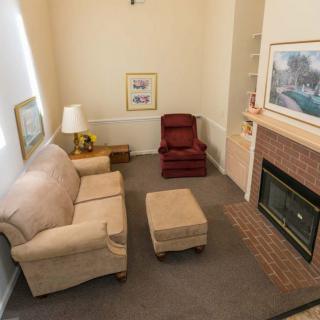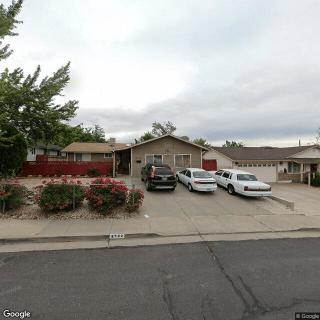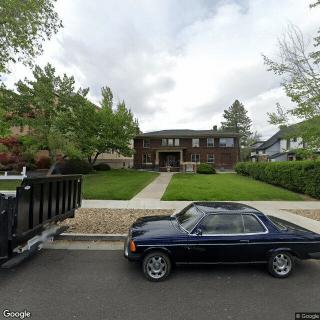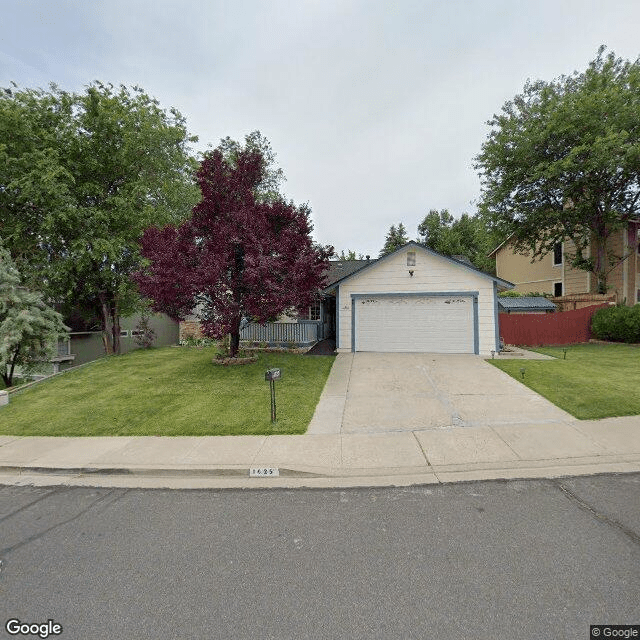
Saint Anne's Group Home in Reno, NV

Save
Saint Anne's Group Home

Saint Anne's Group Home in Reno, NV

1625 Peavine Road, Reno, NV 89503

For more information about senior living options: (844) 490-3973

3.9 from 7 reviews
5 stars
5
4 stars
0
3 stars
0
2 stars
0
1 stars
2

Assisted Living Board and Care Home

Overall Review of Saint Anne's Group Home

Pros

  • pro The staff at Saint Anne's are knowledgeable and caring.
  • pro The care has enormously improved her Parkinson's, and she has settled in nicely.
  • pro The dad is in good hands, the house is clean, and the staff are caring and friendly, with regular updates that provide peace of mind.
  • pro The home offers a family-like atmosphere, with attentive and kind staff who treat residents as family and keep them comfortable.
  • pro The caregivers are loving, dedicated, and go above and beyond to improve residents' lives physically, spiritually, and emotionally.
  • pro Saint Anne's is often described as the best group home in the area, with a spotless environment and residents who are well tended and content.
  • pro The director goes out of her way to support residents and keeps families updated, contributing to outstanding progress for residents.

Cons

  • pro They refused to refund any of the money to her family.
  • pro They ran some caregivers 24 hours a day, which is illegal.
  • pro Part of the reason their loved one got so sick was because infections were not addressed promptly.
  • pro When they finally went to the hospital, they went downhill.
  • pro They blame Saint Anne's for part of that.
  • pro About five residents died while their loved one was there.
  • pro Many residents had catheters that were not cleaned properly.
  • pro A caregiver told them, "They went already," when their loved one needed to go to the bathroom.
  • pro They would never recommend Saint Anne's Group Home to anyone.
  • pro The owner appears to care only about money; it's described as a horrible place.

Review

Saint Anne's Group Home in Reno is best suited for families that prize a very small, home-like setting where hands-on care and ongoing family communication are the top priorities. With only about seven residents, the model centers on intimate attention, family-style meals, and a sense of belonging that many families find comforting during dementia progression or hospice transitions. Several families report a calm, clean environment, continuous updates via email or text, and staff who treat residents with genuine warmth. For parents or spouses who want to feel that a caregiver team truly knows their loved one and can respond in a personalized way, Saint Anne's presents a compelling, almost "grandma's house" atmosphere that can ease the transition into ongoing supervision and support.

Yet, that same small, intimate framework raises questions for families weighing alternatives. For residents who require rigorous medical oversight, consistent infection control, or guaranteed, round-the-clock professional supervision, a larger, licensed facility with documented protocols may be preferable. The reviews raise red flags about catheter management and infection control, with multiple accounts of infections, delays in care, and concerns about how care tasks were performed. Questions about staffing patterns, legal compliance, and the supplier of caregiving services are not trivial in this setting, and families should not assume the absence of risk simply because the home's size feels comfortable.

The strongest positives - caring, attentive staff, and a family-oriented approach - do provide meaningful value that can offset some drawbacks for certain residents. Several reviewers describe caregivers who go above and beyond, a welcoming environment that makes residents feel valued, and staff who provide steady updates to families. For a resident whose needs are moderate and who benefits from social interaction, individualized attention, and a sense of belonging, these are powerful advantages. When a resident responds to one-on-one care and a familiar routine, the emotional and practical benefits can be substantial, contributing to better mood, compliance with care plans, and a smoother daily rhythm.

However, the constellation of concerns surrounding medical care cannot be dismissed. Reports of persistent catheter-related issues, infections, and rooms where the cleanliness and hygiene of medical equipment were questioned cast a shadow over the overall safety profile. The allegations that caregivers were overworked or that staffing practices may not align with legal standards further complicate assessments of risk. Coupled with a contentious refund dispute tied to a family's early departure and payment arrangements, these factors suggest that financial and operational transparency warrants stringent scrutiny before committing.

Families evaluating Saint Anne's should pursue concrete, system-wide assurances. Request current staffing ratios, licensure details, and clear protocols for catheter care, infection prevention, and emergency escalation. Insist on written policies about refunds, deposits, and service termination, and ask for recent references from families with residents in comparable care needs. Conduct site tours during a typical shift to observe response times, hygiene practices, and how meals and activities are managed. Compare these findings against larger, more medicalized options that offer structured hospice or dementia care programs, and weigh the emotional comfort of a home setting against the potential clinical risks.

In the end, Saint Anne's Group Home stands as a practical option for families prioritizing warmth, personal connection, and a small-house feel in dementia or hospice contexts. It is not a universal solution, though; the reported infections, potential staffing and regulatory concerns, and financial disputes warrant caution. For many families, exploring a handful of alternatives - especially programs with transparent medical protocols and stronger risk management - will yield a clearer sense of value. When choosing, due diligence is essential: verify care plans, demand concrete safety measures, and insist on references before making a commitment.

Features

Housing

  • 7 resident community capacity 7 resident community capacity

Types of Care

  • Assisted Living Assisted LivingAssisted living facilities provide crucial support and care for seniors who may need help with daily tasks such as medication management, bathing, and meal preparation. These communities offer a safe and comfortable environment where seniors can maintain their independence while receiving the assistance they need to thrive in their golden years.
  • Board and Care Home Board and Care HomeBoard and care homes provide a smaller, more intimate setting for seniors who require assistance with daily tasks but do not need the level of care offered by a nursing home. They offer personalized care, meals, and social activities in a homelike environment, ensuring that seniors receive individualized attention and support in their golden years.

Amenities

  • Cable or satellite TV Cable or satellite TVCable or satellite TV is important for seniors because it provides entertainment, news, and companionship, helping to combat loneliness and boredom. It also offers a wide range of programming options tailored to different interests and preferences.
  • Dining room Dining roomDining rooms are important for seniors as they provide a space for socialization, connection, and nutritious meals. They offer opportunities for residents to bond over shared meals, foster a sense of community, and promote healthy eating habits. Dining rooms also ensure that seniors have access to well-balanced meals tailored to their dietary needs and preferences.
  • Fully furnished Fully furnishedFully furnished senior living communities are important for seniors because they provide convenience, comfort, and a hassle-free moving experience. Seniors can easily settle into their new living space without the stress of having to buy and move furniture. This allows them to focus on enjoying their new home and community.
  • Garden GardenGardens are important for seniors as they provide a peaceful and therapeutic environment for relaxation, physical activity, and socialization. Being in nature has been shown to reduce stress, improve mood, and promote overall well-being. Gardens also offer opportunities for seniors to engage in gardening activities, which can improve mobility, flexibility, and cognitive function. Additionally, gardens create a sense of community and connection with others who share a passion for plants and outdoor spaces.
  • Housekeeping services Housekeeping servicesHousekeeping services are important for seniors because they help maintain a clean and safe living environment, promote independence, and reduce the risk of accidents or illnesses. Additionally, having assistance with household chores can alleviate physical strain and allow seniors to focus on other aspects of their well-being.
  • Move-in coordination Move-in coordinationMove-in coordination is important for seniors because it helps ease the transition into their new living environment. It ensures that all logistics, such as packing, organizing movers, and setting up utilities are taken care of, allowing seniors to focus on settling in and adjusting to their new home. Having a smooth move-in process can alleviate stress and anxiety, making the transition smoother and more enjoyable for seniors.
  • Outdoor space Outdoor spaceOutdoor spaces are important for seniors as they provide opportunities for physical activity, social interaction, exposure to natural light and fresh air, and a sense of connection to nature. Having access to outdoor spaces can improve overall well-being and quality of life for older adults living in senior communities.
  • Telephone TelephoneTelephones are important for seniors as they provide a lifeline for communication with loved ones, emergency services, and healthcare providers. They offer a sense of security and independence, enabling seniors to stay connected and access assistance when needed.
  • Wi-Fi/high-speed internet available Wi-Fi/high-speed internet availableWi-Fi/high-speed internet is important for seniors to stay connected with loved ones, access online resources, and participate in virtual activities to combat feelings of loneliness and isolation. It also allows them to easily manage healthcare needs, access entertainment, and engage in lifelong learning opportunities.

Transportation

  • Reno Tahoe International (5 miles away) Reno Tahoe International (5 miles away)

Care Services

  • 24-hour supervision 24-hour supervision24-hour supervision is important for seniors to ensure their safety, well-being, and access to immediate assistance in case of emergencies or health issues. This constant support provides peace of mind for both seniors and their loved ones, allowing them to age in place with dignity and security.
  • Activities of daily living assistance Activities of daily living assistanceActivities of daily living assistance are important for seniors because they provide essential support with tasks such as eating, bathing, dressing, and mobility. This assistance helps seniors maintain their independence, dignity, and overall quality of life as they age.
  • Assistance with bathing Assistance with bathingAssistance with bathing is crucial for seniors as it helps maintain personal hygiene, prevents infections, and ensures their overall well-being and comfort. It also provides a sense of dignity and independence for seniors who may struggle with this task on their own.
  • Assistance with dressing Assistance with dressingAssistance with dressing is important for seniors because it helps maintain their independence, promotes personal hygiene, prevents accidents and injuries, and improves overall quality of life. This service ensures that seniors can continue to dress comfortably and confidently, despite any physical limitations they may have.
  • Assistance with transfers Assistance with transfersAssistance with transfers is crucial for seniors as it helps prevent falls and injuries, maintains their independence, and ensures they can safely navigate their living environment. It also provides peace of mind for both seniors and their loved ones.
  • Coordination with health care providers Coordination with health care providersCoordination with health care providers is crucial for seniors to ensure proper medical care, medication management, and overall well-being. This collaboration helps prevent overlapping treatments, track progress more effectively, and provide comprehensive support tailored to individual needs.
  • Diabetes diet Diabetes dietA diabetes diet is crucial for seniors as it helps manage blood sugar levels, reduce risks of complications, and improve overall health and well-being. By following a balanced and nutritious diet tailored to their specific needs, seniors can better control their diabetes and enhance their quality of life.
  • Meal preparation and service Meal preparation and serviceMeal preparation and service are crucial for seniors as they may have limited mobility or energy to cook nutritious meals. Having access to healthy and convenient food options can ensure they are getting the proper nutrition needed to maintain their overall health and well-being.
  • Medication management Medication managementMedication management is crucial for seniors to ensure they are taking the right medications at the correct dosages and times. This helps prevent adverse drug interactions, reduces the risk of medication errors, and promotes overall health and well-being. Proactive management also allows for adjustments as needed based on changing health conditions or new prescriptions.
  • Special dietary restrictions Special dietary restrictionsSpecial dietary restrictions are important for seniors because age-related changes in metabolism and health conditions can make it difficult for their bodies to process certain foods. By following a diet tailored to their specific needs, seniors can maintain their overall health and well-being, manage chronic conditions, and reduce the risk of complications such as malnutrition or food interactions with medications.
  • Transportation arrangement (medical) Transportation arrangement (medical)Transportation arrangements for medical purposes are essential for seniors as they may have difficulty driving themselves to appointments or accessing public transportation. Having reliable and safe transportation options ensures that seniors can receive timely medical care and maintain their health and well-being.
  • Transportation to doctors appointments Transportation to doctors appointmentsTransportation to doctors' appointments is crucial for seniors as it ensures they have access to necessary medical care and support for their health needs. Without reliable transportation, seniors may struggle to attend important appointments, leading to potential delays in treatment and health complications. Providing transportation services helps seniors maintain their overall well-being and quality of life.

Dining

  • Diabetes diet Diabetes dietA diabetes diet is crucial for seniors as it helps manage blood sugar levels, reduce risks of complications, and improve overall health and well-being. By following a balanced and nutritious diet tailored to their specific needs, seniors can better control their diabetes and enhance their quality of life.
  • Special dietary restrictions Special dietary restrictionsSpecial dietary restrictions are important for seniors because age-related changes in metabolism and health conditions can make it difficult for their bodies to process certain foods. By following a diet tailored to their specific needs, seniors can maintain their overall health and well-being, manage chronic conditions, and reduce the risk of complications such as malnutrition or food interactions with medications.

Activities

  • Community-sponsored activities Community-sponsored activitiesCommunity-sponsored activities are important for seniors as they provide opportunities for social interaction, mental stimulation, and physical activity. These activities can help improve overall well-being, combat loneliness and isolation, and promote a sense of belonging and purpose among older adults.
  • Scheduled daily activities Scheduled daily activitiesScheduled daily activities are important for seniors because they provide structure, socialization, mental stimulation, and physical activity. Engaging in regular activities can improve overall well-being and quality of life for seniors living in a community setting.

Description

Saint Anne's Group Home in Reno, NV, is a welcoming and supportive assisted living community designed to provide a nurturing environment for its residents. With a focus on board and care home services, Saint Anne's offers an array of amenities that ensure comfort and convenience. Residents can enjoy delicious meals in the inviting dining room or savor the beauty of the outdoors in the well-maintained garden and outdoor spaces.

The home is fully furnished, allowing for a cozy atmosphere that feels like home from day one. Residents benefit from housekeeping services, making daily life easier and more manageable. For those who require assistance with daily activities, Saint Anne's staff is dedicated to providing compassionate support with bathing, dressing, transfers, and medication management while coordinating closely with healthcare providers.

Recognizing that dietary needs vary among individuals, the community accommodates special dietary restrictions through expertly prepared meal service tailored to residents' requirements, including diabetes diets. Scheduled daily activities are organized to promote engagement, socialization, and overall well-being.

Saint Anne's Group Home is ideally located close to numerous amenities including cafes, parks, pharmacies, physicians' offices, restaurants, and hospitals. Additionally, transportation arrangements are provided for medical appointments or other outings.

At Saint Anne’s Group Home in Reno, you’ll find a warm community where independence is encouraged yet assistance is readily available – creating a perfect balance for comfortable living.

Nearby Places of Interest

This part of Reno, Nevada, offers a convenient and vibrant living environment for seniors. With several hospitals and rehabilitation facilities nearby, there is easy access to medical care and services. The abundance of parks in the area provides ample opportunities for outdoor activities and relaxation. Additionally, a variety of restaurants catering to different tastes are within a short distance, as well as pharmacies for medication needs. There is also a selection of physicians' offices for health care consultations. For those looking for a cozy spot to enjoy coffee or tea, cafes are also close by. Overall, this neighborhood provides a well-rounded and accessible community for seniors seeking to live comfortably and conveniently in Reno.

Hospitals

  • Duwell International (0.4 miles)
  • Renown Rehabilitation Hospital (3 miles)

Parks

  • Rancho San Rafael Regional Park (0.9 miles)
  • Whitaker Park (1.2 miles)
  • Idlewild Park (1.8 miles)
  • Wingfield Park (1.9 miles)
  • Crissie Caughlin Park (2.5 miles)
  • Sage Street Park (2.6 miles)

Restaurants

  • Archie's (1.1 miles)
  • Flowing Tide Pub (1.3 miles)
  • McDonald's (1.4 miles)
  • Taco Bell (1.4 miles)
  • Gold-N-Silver Inn (1.5 miles)
  • Roberto's Taco Shop (1.5 miles)
  • Chili's Grill & Bar (1.5 miles)

Pharmacies

  • CVS Pharmacy (1.1 miles)
  • Save Mart Supermarkets (1.3 miles)
  • Save Mart Supermarkets (1.4 miles)
  • Walgreens (1.4 miles)
  • Sierra Health Mart Pharmacy (1.4 miles)
  • Walgreens (1.5 miles)
  • Safeway Pharmacy (1.7 miles)

Physicians

  • Silver State Oms (1.2 miles)
  • O'Gara J Michael, DDS FAGD (1.3 miles)
  • Sweetwater Pain and Spine (1.4 miles)
  • Center For Health Internal Med (1.4 miles)
  • Saint Mary's Imaging Services (1.4 miles)
  • Reno Orthopaedic Occupational Therapy (1.5 miles)
  • Reno Orthopaedic Clinic (1.5 miles)

Cafes

  • Coffeebar McCarran (2.2 miles)
  • Too Soul Tea Co (2.3 miles)
  • Laughing Planet Cafe (2.5 miles)
  • Bibo Coffee Company / Bibo Freddo Gelato (2.5 miles)
  • Walden's Coffeehouse (2.8 miles)
  • Franz's Backstube Austrian Bakery (2.8 miles)
  • Coffeebar (2.8 miles)

Frequently Asked Questions

Where is Saint Anne's Group Home?

Nearby Communities

  • Little Angel Care Home

    Little Angel Care Home

    Reno, NV

    3 from 2 reviews
     

    pro Small, personalized care with 24-hour supervision and ADL support.

  • Golden Years Castle Home Care

    Golden Years Castle Home Care

    Reno, NV


    pro Small, home-like board-and-care with 24-hour supervision and comprehensive ADL support plus medical coordination.

  • Baileys Group Home

    Baileys Group Home

    Reno, NV

    5 from 1 review
    $3,595 to $7,795 / month

    pro Small, intimate 6-bed setting with comprehensive care, 24/7 supervision, diabetes-friendly dining, and on-site amenities.

  • Park Place Assisted Living

    Park Place Assisted Living

    Reno, NV

    4.3 from 104 reviews
    $3,000 / month

    pro Warm, attentive staff in a small, home-like setting.

  • Holy Child Residential Care Home

    Holy Child Residential Care Home

    Reno, NV


    pro Small, intimate setting with 24-hour care and personalized attention

  • Oasis Place

    Oasis Place

    Reno, NV


    pro Small, intimate 6-resident board-and-care with 24/7 supervision, ADL support, medication management, and meals with dietary accommodations.

  • Promenade on the River

    Promenade on the River

    Reno, NV

    4.4 from 37 reviews
     

    pro Friendly, professional staff with beautiful, riverfront amenities and an active social scene.

  • Stone Valley Memory Care & Transitional Assisted Living

    Stone Valley Memory Care & Transitional Assisted Living

    Reno, NV

    4.3 from 29 reviews
     

    pro Warm, engaging environment with compassionate staff and diverse activities.

  • Revel Rancharrah

    Revel Rancharrah

    Reno, NV

    4.8 from 82 reviews
    $3,500 to $5,485 / month

    pro Engaging activities, friendly staff, and excellent amenities create a vibrant independent-living community.

Assisted Living in Nearby Cities

Related Resources

  • how to pay for assisted livingSecuring Financial Support for Assisted Living: A Comprehensive Overview

    Assisted living facilities offer crucial support for older adults needing help with daily activities but come with varying and significant costs, which can be financed through personal savings, government assistance programs, long-term care insurance, and home equity options. Professional guidance from experts can aid families in navigating these financial complexities to establish a sustainable budgeting approach for assisted living services.

  • assisted living for seniors on social securitySocial Security Benefits and Assisted Living: Navigating Options Across the U.S.

    Assisted living costs often exceed Social Security benefits, necessitating a combination of funding sources like state aid and Medicaid. Understanding the interaction between Social Security programs and available financial support is essential for affording such care.

  • aid and attendance vaAn Extensive Exploration of the VA Aid and Attendance Benefit

    The VA Aid and Attendance benefit provides financial support to veterans needing assistance with daily living due to medical conditions or disabilities, augmenting standard VA pensions for services like in-home care. Eligibility is based on service duration, wartime status, income, and medical needs, with a detailed application process required to access funds for caregiving and home modifications.