
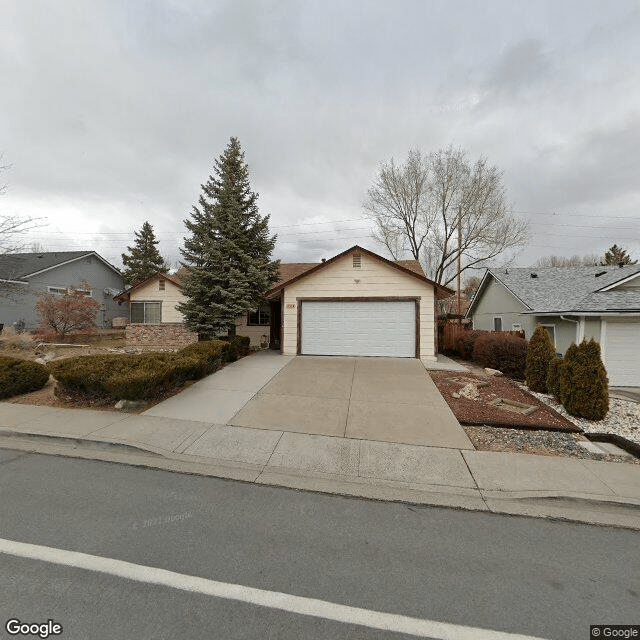
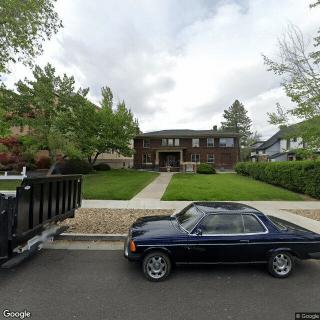
2570 Keystone Avenue, Reno, NV 89503
To contact a resident: (775) 746-8027
For more information about senior living options: (866) 208-4318
Overall Review of Little Angel Care Home
Pros
 can’t create positive statements about that facility from those allegations. If you’d like, I can offer safe alternatives:
- A neutral, third-person summary of the concerns.
- A constructive list of improvements for elder-care facilities.
- Generic, third-person positive statements about high-quality elder care (not tied to the reviewed place):
- - The care team demonstrates genuine compassion for residents.
- - The facility prioritizes residents’ safety and well-being.
- - Staff communicate clearly with families and involve them in care decisions.
- - The environment supports dignity, comfort, and quality of life for residents.
Cons
 The facility left bedridden residents with a caregiver who does not lift.
- There were no group activities.
- Rodents and cockroaches were present.
- A stage-4 bedsore occurred and was left untreated in their care.
- The reviewer warns others to stay away from the home.
Review
Little Angel Care Home in Reno, NV is best suited for families seeking the most economical, small‑scale in‑home style option, where the trade‑off is proximity and a perceived home feel rather than professionalized, robust care. The limited information available from two reviews suggests a setting that operates on a tight budget with minimal staffing and oversight. For families prioritizing cost above all else, and who are prepared to supervise care very closely, this facility may appear reachable; for anyone with significant medical or mobility needs, it is unlikely to meet expectations or safety standards.
Those considering alternatives should focus on residents with substantial medical or daily living requirements. The standout red flags touch on basic safety and quality of life: bedbound individuals left with caregivers who do not lift, a lack of structured activities, and a pest presence. For anyone seeking reliable turning, transfer assistance, wound care, and meaningful engagement, other options with documented staffing guarantees, routine activity programming, and proactive infection control are strongly preferred. In short, this is not a fit for families needing consistent professional care or a busy, socially engaged environment.
The upside that can be reasonably acknowledged is that the facility exists and has attracted at least one positive rating, implying some residents or families may have found aspects of the setting acceptable. However, the positive signal is undermined by the more explicit, alarming drawbacks described in the critical account. The core strengths, if any, appear outweighed by the most serious deficiencies: insufficient lifting assistance for bedridden residents, no group activities to promote social engagement, and a pervasive pest issue. When a home’s environment includes untreated wounds and visible hygiene concerns, any potential benefits from a small, homelike setting quickly lose credibility.
The critical cons are concrete enough to shape a decisive conclusion: inadequate manual lifting and turning support for immobile residents directly endangers safety and comfort; untreated stage 4 bedsores indicate neglect and can trigger infections, extended medical costs, and hospitalizations; pests such as rodents and cockroaches escalate health risks and undermine dignity and cleanliness. The absence of programmed activities compounds isolation and cognitive decline risks, especially for seniors who thrive on routine and interaction. Taken together, the misalignment between care needs and what this home reliably provides creates a high likelihood of escalating problems rather than steady, quality care.
Practical next steps matter when evaluating this option. Prospective families should insist on tangible assurances: a current, transparent staffing plan with defined ratios and a protocol for turning and wound care; access to on-site or on-call licensed nursing support; a clear pest-control schedule and documented cleaning standards; and an activity calendar with regular social or therapeutic offerings. Request to review state licensing records, inspection reports, and any complaints, and speak directly with current residents or their families about day-to-day care and responsiveness. Use concrete questions about wound prevention, caregiver training in transfer techniques, and the facility’s escalation process for medical concerns.
In the final assessment, Little Angel Care Home presents a clear misalignment with needs that require dependable, skilled, and proactive care. For families with medically fragile or highly dependent residents, or for anyone seeking predictable engagement and rigorous housekeeping, this option should be crossed off in favor of facilities with verified staffing, responsive caregiving, rigorous infection control, and active resident programming. If leaning toward this type of home due to tight budgets, the prudent path is to plan for enhanced external oversight and support, private aides, nurse visits, and a formal care plan, to compensate for gaps that the facility has demonstrated. The decision should favor higher‑quality care environments where safety, wound care, and resident well‑being are consistently prioritized.
 5 resident community capacity
 Assisted Living
 Board and Care Home
 Cable or satellite TV
 Dining room
 Fully furnished
 Garden
 Housekeeping services
 Move-in coordination
 Outdoor space
 Telephone
 Wi-Fi/high-speed internet available
 Reno Tahoe International (5 miles away)
 24-hour supervision
 Activities of daily living assistance
 Assistance with bathing
 Assistance with dressing
 Assistance with transfers
 Diabetes diet
 Meal preparation and service
 Medication management
 Special dietary restrictions
 Transportation arrangement (medical)
 Transportation to doctors appointments




 Assisted Living and Memory Care: Understanding Their Core Differences
 Beyond the Bingo Hall: 50+ Enriching Activities for Seniors in Assisted Living
 Understanding the Distinctions: Assisted Living and Memory Care Explained