
1998 Arcane Avenue, Reno, NV 89503
For more information about senior living options: (866) 208-4318
Baileys Group Home Costs & Pricing
Baileys Group Home offers a range of pricing for its various room types, with costs that reflect the unique environment and services provided. For a one-bedroom unit, residents can expect to pay between $3,595 and $5,595, a range that is notably competitive when compared to Washoe County's average of $4,584 and Nevada's statewide figure of $3,619. The two-bedroom accommodations at Baileys are priced from $4,595 to $7,795, which again positions them slightly above the county average of $5,454 but below the state average of $3,949. Additionally, for those seeking private rooms at Baileys Group Home, the cost is set at $6,895 - significantly higher than both Washoe County's average of $4,224 and Nevada's statewide rate of $4,628. This pricing structure suggests that while Baileys might be on the higher end in certain categories compared to local averages, it likely reflects the comprehensive care and specialized environment it provides for its residents.
| Floor plans | Baileys Group Home | Washoe County | Nevada |
|---|---|---|---|
| 1 Bedroom | $3,595 to $5,595 | $4,584 | $3,619 |
| 2 Bedrooms | $4,595 to $7,795 | $5,454 | $3,949 |
| Private | $6,895 | $4,224 | $4,628 |
Assisted Living communities with a similar price nearby
-
from -$250 / mo
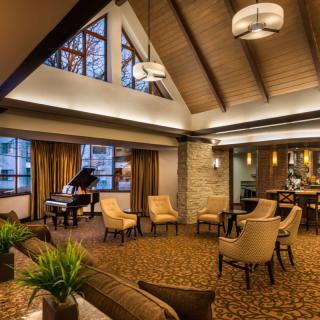
Premier Reno
$3,345 to $4,855 / month3.9 miles away -
from +$700 / mo
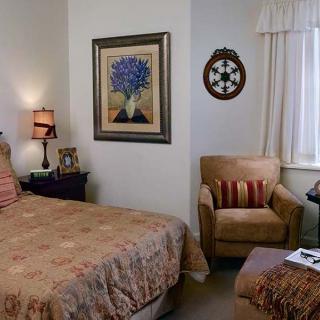
Atria Summit Ridge
$4,295 to $6,595 / month2.1 miles away -
from -$165 / mo
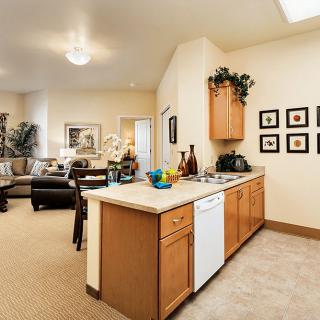
MorningStar Of Sparks
$3,430 to $6,595 / month8.8 miles away -
from +$630 / mo
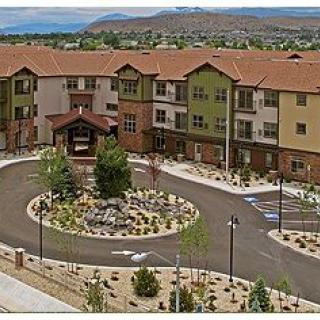
Cascades of the Sierra
$4,225 to $5,050 / month9.4 miles away -
from -$595 / mo
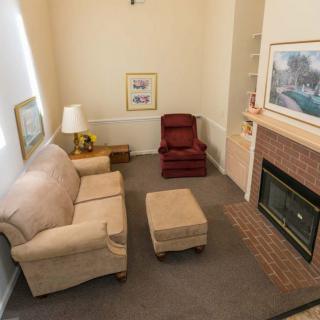
Park Place Assisted Living
$3,000 / month0.3 miles away
Overall Review of Baileys Group Home
Pros
 The owner and staff provided excellent care.
- The family member was treated with respect and well cared for despite challenging behavior.
- The family loves the owner and staff for all they did for them and their relative.
Cons
 The relative was very challenging and a strain to care for.
- He exhibited poor behavior.
Review
Baileys Group Home in Reno, NV is best suited for families seeking intimate, dementia-capable care in a home-like setting where residents receive consistent respect and personal attention. The arrangement stands apart from larger, more institutional facilities by prioritizing relationships over routine checklists, allowing staff to know a resident’s preferences, routines, and triggers. For a loved one who benefits from steady, compassionate presence and a calm atmosphere when behaviors become challenging, this small community offers a trusted, humane option grounded in daily, meaningful interactions between residents, caregivers, and the owner.
Those weighing alternatives should consider whether a larger campus with formal memory-care programming and broader clinical services is necessary. The strongest praise in the available perspective centers on personal care and the quality of the staff, yet there is no detailed account of extensive medical staffing, specialized dementia curricula, or wide-ranging therapeutic offerings. Families facing progressive dementia or complex medical needs may find such elements critical, and in that case, nearby facilities with a more clinical footprint could be a better match.
The enduring positives here are unmistakable: excellent caregiving, a staff that reliably treats residents with dignity, and an owner who is directly involved and highly regarded by families. Even when a resident’s behavior is challenging, the care team remains respectful and responsive, creating a trust-based dynamic that can significantly reduce family stress. This is not merely “being kind”; it is an integrated care approach where staff stability and personal accountability translate into consistent routines, safe handling, and a sense of stability for both resident and relatives.
Where potential limits exist in a small, home-like model, the practical impact becomes clear. A compact operation can sometimes mean fewer on-site specialists or fewer structured therapy options than a larger facility, and medical oversight might not be as comprehensive as in a setting built for higher-acuity needs. Yet the guest experience, character, attentiveness, and a culture of respect, acts as the main offset. For families prioritizing intimate attention, continuity of relationships, and a headquarters for daily caregiving that feels like home, these advantages frequently outweigh the absence of a formal medical ecosystem.
Decision-makers should approach with a structured, visit-driven plan. Observe how staff engage with residents, particularly those exhibiting memory-related behaviors, and inquire about daily activity tailoring, staff training in dementia care, and the process for medical escalations or hospital transfers. Clarify staff-to-resident ratios, who leads care planning, and how family communication is maintained over time. If the owner’s involvement and the team’s demonstrated compassion align with expectations, the fit becomes compelling and practical.
In sum, Baileys Group Home presents a compelling option for families seeking a dignified, person-centered approach to dementia care within a small, community-like setting. The key strengths, exceptional care, respectful handling of challenging behaviors, and a caring, engaged ownership, provide a strong counterweight to potential gaps in medical breadth or program depth. For families prioritizing warmth, trust, and close-knit caregiver relationships, this community stands out as a practical, thoughtful choice. For those requiring more formal medical oversight or a broader dementia program, it is prudent to compare against options with a more expansive clinical footprint before deciding.
 6 resident community capacity
 Assisted Living
 Cable or satellite TV
 Dining room
 Fully furnished
 Garden
 Housekeeping services
 Move-in coordination
 Outdoor space
 Telephone
 Wi-Fi/high-speed internet available
 Reno Tahoe International (5 miles away)
 24-hour supervision
 Activities of daily living assistance
 Assistance with bathing
 Assistance with dressing
 Assistance with transfers
 Diabetes diet
 Meal preparation and service
 Medication management
 Special dietary restrictions
 Transportation arrangement (medical)
 Transportation to doctors appointments


 Exploring the Path to Senior Living: A Comprehensive Look at Independent Living and Assisted Living
 Is Assisted Living Deductible on Your Taxes? Understanding the Complexities of Assisted Living Expenses and Deductions
 Assisted Living Support for Veterans: A Complete and Detailed Overview