
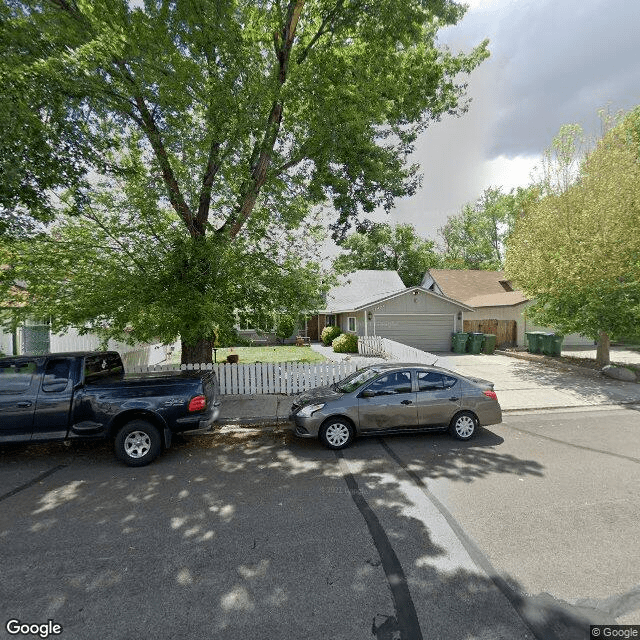
7474 Limestone Dr, Reno, NV 89511
To contact a resident: (775) 772-9849
For more information about senior living options: (866) 208-4318
Overall Review of Limestoneshire Retirement Home
Pros
 They provide the best care possible for residents.
- The owner and caregivers are caring and treat residents as family.
- They go out of their way to make visitors feel welcome.
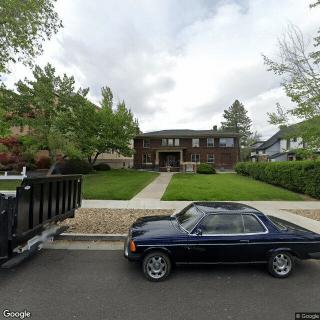
- The facility is lovely and family-run, with positive experiences reported.
- The staff receive high praise, including five-star ratings.
- The home is recommended to families seeking a group home for a loved one.
Cons
 The group home’s facade changes after commitment, suggesting the care provided may not align with expectations.
- There were shady things going on around the required TB test.
- The caregivers seemed not to have the compassion expected for their job, which was very disappointing.
- A pureed-diet order was not followed for days, with meals given as normal because the blender was broken.
- They were not offered a solution to submit to insurance and were billed for the TB test.
- The vibe was that complete care was burdensome and inconvenient for the caregivers.
Review
Limestoneshire Retirement Home in Reno is best suited for seniors who thrive in a small, family-run setting where warmth and personal attention trump institutional formality. It works well for residents who respond to a home-like atmosphere, direct access to owners and caregivers, and a sense of being treated as part of the family. Families that value frequent visits, flexible conversations, and day-to-day reassurance will find this community particularly comforting. The arrangement suits those in transition toward comfort-focused care or hospice, where emotional continuity matters and where a familiar, approachable staff can help ease the moving-in process. It is less appropriate for residents who require extensive medical oversight, advanced therapies, or highly structured memory-care programming found in larger, more clinical facilities.
For households weighing alternatives, the most critical red flag is financial transparency and pricing clarity. One review highlights billing friction around a required tuberculosis test, suggesting that money matters may overshadow caregiving at times. Anyone prioritizing predictable, straightforward pricing, or who must navigate insurance submissions without friction, should explore other options before committing. Additionally, residents with substantial medical or nursing needs that demand around-the-clock clinical management, or those who require formal, medically oriented memory care, may be better served by larger facilities with established protocols and staffing models designed to support higher acuity.
On the upside, the strongest proof of value lies in the community’s atmosphere and staff relationships. The owners and caregivers are repeatedly described as genuinely caring, with a sense of family extended to visiting relatives. This environment matters: it translates into more accessible communication, quicker responses to daily needs, and a comfort level that can reduce anxiety for both residents and families. In practice, such an arrangement can yield meaningful quality-of-life gains, especially when care plans emphasize preference-led routines and the resident’s personal history. For families prioritizing companionship, social connection, and a low-ceremony, high-touch approach, these positives often outweigh occasional hiccups.
The concerns, however, are not trivial. Reports of perceived rigidity around finances, plus instances suggesting inconsistent attentiveness to specialized needs, create legitimate caution flags. When caregiving feels burdensome or staff compassion appears uneven, the risk of gaps in care increases, precisely the situation that can derail a well-intentioned move. A delayed response to dietary needs, such as a pureed-diet request, compounds the worry by highlighting potential systems weaknesses. These are not universal flaws, but they are meaningful signals that require proactive verification, especially for families balancing medical requirements with emotional and logistical realities.
Still, the practical balance tilts toward the positives for residents who can anchor their expectations in a personal, hands-on care model. The prospect of a homey environment where staff invest in meaningful relationships often yields higher satisfaction for both residents and families when coupled with proactive communication and pricing clarity. If the plan includes clear, written care instructions, regular updates, and an explicit agreement on what is included in the rate, the home-like setting becomes a genuine advantage. The compassionate tone that permeates daily life can compensate for the lack of institutional polish in exchange for more responsive, individualized attention.
Bottom line: Limestoneshire is a solid choice for seniors who prize warmth, familial oversight, and a closely connected caregiving team, especially if visiting often and maintaining a close family role is important. It is less ideal for residents requiring rigorous medical programming, transparent, dispute-free billing, or highly specialized therapies and diets. Prospective families should request a comprehensive pricing sheet, meet the caregiving team in person, and press for specifics on staffing ratios, emergency procedures, and how dietary needs are managed in practice. If these elements align, Limestoneshire can be a dependable, comforting option in Reno; if they don’t, pursuing a facility with stronger medical infrastructure and financial clarity may offer greater peace of mind.
 Assisted Living
 Activities on-site
 Devotional services off-site
 Indoor common areas
 Reno Tahoe International (3 miles away)
 Ambulatory care
 Diabetic care
 Meals provided


 Beyond the Bingo Hall: 50+ Enriching Activities for Seniors in Assisted Living
 Understanding the Distinctions: Assisted Living and Memory Care Explained
 Guiding Elderly Parents Who Refuse Assisted Living: 6 Practical Steps