Limestoneshire

7474 Limestone Drive, Reno, NV 89511

For more information about senior living options: (844) 490-3973

4.4 from 7 reviews
5 stars
6
4 stars
0
3 stars
0
2 stars
0
1 stars
1

Assisted Living

Overall Review of Limestoneshire

Pros

  • pro They give the best care possible there.
  • pro The owners and caregivers are caring and treat residents as family.
  • pro They go out of their way to make visitors feel welcome.
  • pro The home is a very lovely, family-run facility.
  • pro The home is highly recommended for families seeking a group home for a loved one.
  • pro The home has earned five stars.

Cons

  • pro There seemed to be shady stuff going on around the required TB test, and a bill was presented for it.
  • pro The owner appears caring but is very clear about money, implying a money-focused stance over care.
  • pro The caregivers seemed to lack the compassion expected from professionals in charge of care.
  • pro Caregivers appeared to view complete care as burdensome and inconvenient.
  • pro A pureed-diet order was ignored for four days, with meals served normally because the blender was broken.
  • pro The facility charged for the TB test without offering a solution that could be submitted to insurance.

Review

The collection of impressions about this group home paints two sides of a familiar healthcare story: warmth and welcome on one hand, and concern about money, management, and everyday care on the other. One thread that runs through the notes is a sense of a family-run place that many visitors feel is genuinely caring. In the most positive recollections, a loved one was treated with kindness, and the staff were described as thoughtful, attentive, and welcoming to families during visits. The aunt of one reviewer spent almost a year there before passing away, and that person recalls receiving what they granddaughter described as the best possible care. "Owner and caregivers are caring and treats residents as family," they wrote, and they emphasized that the staff would go out of their way to make visitors feel welcome. The sentiment was strong enough to lead to a firm endorsement: the facility would be recommended to others seeking a group home option. Another reviewer echoed this sentiment, labeling the facility as very lovely and family-run, and awarding five stars for the experience with both owners and caregivers.

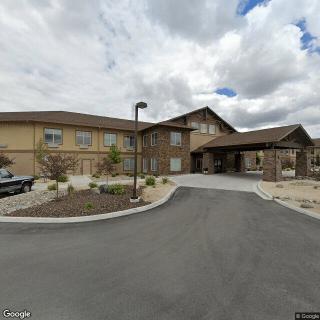
In a contrasting set of observations, other reviewers described a different reality once a decision had been made to place a loved one there. One account noted that the building's appearance on the outside presents a nice fa?ade, but that what happens after admission can feel markedly less favorable. That experience began with hospice care for a loved one and then shifted to concerns about the business aspects of care. The reviewer acknowledged that the owner seemed caring at first glance, yet they perceived a hard stance on money that colored their overall experience. They suggested there were questionable elements surrounding a required TB test and reported being billed for it without a satisfactory solution offered that could be submitted to insurance. This blend of warmth and financial concern framed the overall impression as a tension between compassionate caregiving and the realities of operating a private facility.

The same reviewer suggested that the burdens of running a full spectrum of care could impact the people providing it. They wrote that "complete care is burdensome and inconvenient for the caregivers that work there," and that the compassion one would expect from staff did not always meet those expectations. The impression of caregiver commitment, in particular, seemed mixed: some staff behavior appeared to fall short of the level of empathy and attentiveness one would hope for when caring for a vulnerable loved one. Such comments underscored a sense that while the owners might project warmth, the daily experience for residents could still hinge on how staff rhythms and priorities were managed on the floor.

Dietary care is another area where concerns surfaced in the narratives. For a loved one placed on a pureed diet, the patient allegedly received normal meals instead, based on the claim that "the blender was broken." The reviewer and the resident's nurse reportedly raised the issue repeatedly, but it took several days - four in this account - before a new blender arrived and the proper dietary modifications could be implemented. This detail stood out as emblematic of what the reviewer saw as gaps between stated care goals and practical execution, especially for someone requiring a modified diet during hospice.

Taken together, the reviews present a nuanced portrait. On one end lies a compelling case for a warm, family-like environment where residents are treated as more than patients and where family visits are welcomed and encouraged. On the other end lies a cautionary tale about financial posture, administrative transparency, and some tangible caregiving lapses that can erode trust when a loved one is most vulnerable. The mixed feedback suggests that experiences at this group home can be highly variable, depending on the particular staff on shift, the financial arrangements in place, and how well the facility integrates medical needs with everyday operations.

For families evaluating this home, several themes emerge as important to consider. The positive testimonials highlight a culture of familial care, accessible owners, and friendly staff who strive to create a welcoming atmosphere for visitors and residents alike. However, the more critical accounts raise red flags around billing practices related to required tests, the emphasis placed on money, and the possibility that some care requests - especially those involving specialized diets or consistent, compassionate caregiving - may not be met promptly or satisfactorily. The explicit warning to "shop around" and carefully assess the level of care before committing reflects a prudent approach for anyone facing similar decisions.

If you are weighing this facility for a loved one, it may help to look beyond the initial impression and ask detailed questions about both daily caregiving routines and financial practices. Inquire about how care plans are developed and updated, how medical equipment and dietary needs are managed on a day-to-day basis, and what steps the administration takes to address concerns about billing, transparency, and caregiver morale. The reviews encourage prospective families to balance the warmth of a family-run setting with a careful appraisal of how care, finance, and operations align to support the real, day-to-day needs of residents.

Features

Housing

  • 8 resident community capacity 8 resident community capacity

Types of Care

  • Assisted Living Assisted LivingAssisted living facilities provide crucial support and care for seniors who may need help with daily tasks such as medication management, bathing, and meal preparation. These communities offer a safe and comfortable environment where seniors can maintain their independence while receiving the assistance they need to thrive in their golden years.

Amenities

  • Cable or satellite TV Cable or satellite TVCable or satellite TV is important for seniors because it provides entertainment, news, and companionship, helping to combat loneliness and boredom. It also offers a wide range of programming options tailored to different interests and preferences.
  • Dining room Dining roomDining rooms are important for seniors as they provide a space for socialization, connection, and nutritious meals. They offer opportunities for residents to bond over shared meals, foster a sense of community, and promote healthy eating habits. Dining rooms also ensure that seniors have access to well-balanced meals tailored to their dietary needs and preferences.
  • Fully furnished Fully furnishedFully furnished senior living communities are important for seniors because they provide convenience, comfort, and a hassle-free moving experience. Seniors can easily settle into their new living space without the stress of having to buy and move furniture. This allows them to focus on enjoying their new home and community.
  • Garden GardenGardens are important for seniors as they provide a peaceful and therapeutic environment for relaxation, physical activity, and socialization. Being in nature has been shown to reduce stress, improve mood, and promote overall well-being. Gardens also offer opportunities for seniors to engage in gardening activities, which can improve mobility, flexibility, and cognitive function. Additionally, gardens create a sense of community and connection with others who share a passion for plants and outdoor spaces.
  • Housekeeping services Housekeeping servicesHousekeeping services are important for seniors because they help maintain a clean and safe living environment, promote independence, and reduce the risk of accidents or illnesses. Additionally, having assistance with household chores can alleviate physical strain and allow seniors to focus on other aspects of their well-being.
  • Move-in coordination Move-in coordinationMove-in coordination is important for seniors because it helps ease the transition into their new living environment. It ensures that all logistics, such as packing, organizing movers, and setting up utilities are taken care of, allowing seniors to focus on settling in and adjusting to their new home. Having a smooth move-in process can alleviate stress and anxiety, making the transition smoother and more enjoyable for seniors.
  • Outdoor space Outdoor spaceOutdoor spaces are important for seniors as they provide opportunities for physical activity, social interaction, exposure to natural light and fresh air, and a sense of connection to nature. Having access to outdoor spaces can improve overall well-being and quality of life for older adults living in senior communities.
  • Telephone TelephoneTelephones are important for seniors as they provide a lifeline for communication with loved ones, emergency services, and healthcare providers. They offer a sense of security and independence, enabling seniors to stay connected and access assistance when needed.
  • Wi-Fi/high-speed internet available Wi-Fi/high-speed internet availableWi-Fi/high-speed internet is important for seniors to stay connected with loved ones, access online resources, and participate in virtual activities to combat feelings of loneliness and isolation. It also allows them to easily manage healthcare needs, access entertainment, and engage in lifelong learning opportunities.

Transportation

  • Reno Tahoe International (3 miles away) Reno Tahoe International (3 miles away)

Care Services

  • 24-hour supervision 24-hour supervision24-hour supervision is important for seniors to ensure their safety, well-being, and access to immediate assistance in case of emergencies or health issues. This constant support provides peace of mind for both seniors and their loved ones, allowing them to age in place with dignity and security.
  • Activities of daily living assistance Activities of daily living assistanceActivities of daily living assistance are important for seniors because they provide essential support with tasks such as eating, bathing, dressing, and mobility. This assistance helps seniors maintain their independence, dignity, and overall quality of life as they age.
  • Assistance with bathing Assistance with bathingAssistance with bathing is crucial for seniors as it helps maintain personal hygiene, prevents infections, and ensures their overall well-being and comfort. It also provides a sense of dignity and independence for seniors who may struggle with this task on their own.
  • Assistance with dressing Assistance with dressingAssistance with dressing is important for seniors because it helps maintain their independence, promotes personal hygiene, prevents accidents and injuries, and improves overall quality of life. This service ensures that seniors can continue to dress comfortably and confidently, despite any physical limitations they may have.
  • Assistance with transfers Assistance with transfersAssistance with transfers is crucial for seniors as it helps prevent falls and injuries, maintains their independence, and ensures they can safely navigate their living environment. It also provides peace of mind for both seniors and their loved ones.
  • Coordination with health care providers Coordination with health care providersCoordination with health care providers is crucial for seniors to ensure proper medical care, medication management, and overall well-being. This collaboration helps prevent overlapping treatments, track progress more effectively, and provide comprehensive support tailored to individual needs.
  • Diabetes diet Diabetes dietA diabetes diet is crucial for seniors as it helps manage blood sugar levels, reduce risks of complications, and improve overall health and well-being. By following a balanced and nutritious diet tailored to their specific needs, seniors can better control their diabetes and enhance their quality of life.
  • Meal preparation and service Meal preparation and serviceMeal preparation and service are crucial for seniors as they may have limited mobility or energy to cook nutritious meals. Having access to healthy and convenient food options can ensure they are getting the proper nutrition needed to maintain their overall health and well-being.
  • Medication management Medication managementMedication management is crucial for seniors to ensure they are taking the right medications at the correct dosages and times. This helps prevent adverse drug interactions, reduces the risk of medication errors, and promotes overall health and well-being. Proactive management also allows for adjustments as needed based on changing health conditions or new prescriptions.
  • Special dietary restrictions Special dietary restrictionsSpecial dietary restrictions are important for seniors because age-related changes in metabolism and health conditions can make it difficult for their bodies to process certain foods. By following a diet tailored to their specific needs, seniors can maintain their overall health and well-being, manage chronic conditions, and reduce the risk of complications such as malnutrition or food interactions with medications.
  • Transportation arrangement (medical) Transportation arrangement (medical)Transportation arrangements for medical purposes are essential for seniors as they may have difficulty driving themselves to appointments or accessing public transportation. Having reliable and safe transportation options ensures that seniors can receive timely medical care and maintain their health and well-being.
  • Transportation to doctors appointments Transportation to doctors appointmentsTransportation to doctors' appointments is crucial for seniors as it ensures they have access to necessary medical care and support for their health needs. Without reliable transportation, seniors may struggle to attend important appointments, leading to potential delays in treatment and health complications. Providing transportation services helps seniors maintain their overall well-being and quality of life.
Dining

  • Diabetes diet Diabetes dietA diabetes diet is crucial for seniors as it helps manage blood sugar levels, reduce risks of complications, and improve overall health and well-being. By following a balanced and nutritious diet tailored to their specific needs, seniors can better control their diabetes and enhance their quality of life.
  • Special dietary restrictions Special dietary restrictionsSpecial dietary restrictions are important for seniors because age-related changes in metabolism and health conditions can make it difficult for their bodies to process certain foods. By following a diet tailored to their specific needs, seniors can maintain their overall health and well-being, manage chronic conditions, and reduce the risk of complications such as malnutrition or food interactions with medications.

Activities

  • Community-sponsored activities Community-sponsored activitiesCommunity-sponsored activities are important for seniors as they provide opportunities for social interaction, mental stimulation, and physical activity. These activities can help improve overall well-being, combat loneliness and isolation, and promote a sense of belonging and purpose among older adults.
  • Scheduled daily activities Scheduled daily activitiesScheduled daily activities are important for seniors because they provide structure, socialization, mental stimulation, and physical activity. Engaging in regular activities can improve overall well-being and quality of life for seniors living in a community setting.

Description

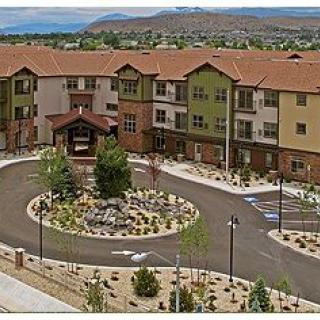
Limestoneshire in Reno, NV is an exceptional assisted living community that offers a wide range of amenities and care services to ensure the comfort and well-being of its residents.

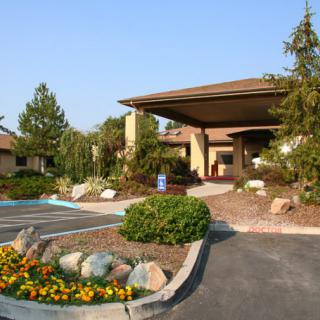
Our beautifully designed facility provides a dining room where residents can enjoy delicious meals prepared with their special dietary restrictions in mind. Each apartment comes fully furnished and includes Wi-Fi/high-speed internet access, ensuring that residents stay connected at all times. The outdoor space allows for relaxation and enjoying the fresh air, while the garden provides a serene environment for leisurely strolls or gardening activities.

At Limestoneshire, we understand the importance of maintaining a clean and organized living space, which is why we offer housekeeping services to our residents. Our move-in coordination service ensures a smooth transition into our community, taking away any stress related to the moving process.

We also provide comprehensive care services tailored to meet each resident's unique needs. Our compassionate staff assists with daily activities such as bathing, dressing, and transfers while also coordinating with health care providers to ensure seamless transitions between different levels of care if needed. Our team also supports residents with diabetes by offering specialized diets and helps manage medication schedules.

Transportation arrangement services are available for medical appointments and outings in the local area where there are several cafes, parks, pharmacies, physicians' offices, restaurants, transportation options, and hospitals nearby. Additionally, scheduled daily activities aim to keep residents engaged and entertained.

At Limestoneshire in Reno, NV, we prioritize the well-being of our residents by providing top-notch amenities and personalized care services in a warm and nurturing environment.

Nearby Places of Interest

Pharmacies

  • CVS Pharmacy (0.5 miles)
  • Target Pharmacy (0.5 miles)
  • Save Mart Supermarkets (1.8 miles)
  • Scolari's Food & Drug Company (2.2 miles)
  • Walgreens (2.6 miles)
  • Walmart Pharmacy (2.7 miles)
  • CVS Pharmacy (2.9 miles)

Restaurants

  • Butchers Kitchen Char-B-Que (0.5 miles)
  • In-N-Out Burger (0.6 miles)
  • Sushi Minato (0.7 miles)
  • Raising Cane's Chicken Fingers (0.9 miles)
  • Great Basin Brewing Co. (1.5 miles)
  • Applebee's (1.9 miles)
  • King Buffet (2.1 miles)

Physicians

  • Verma Suraj, MD (0.6 miles)
  • Nevada Eye Plastic Surgery (0.7 miles)
  • David Matthew Julian, MD (1 miles)
  • Reno Radiological Associates Chtd (1 miles)
  • Kiener Joseph L MD FACS (1.4 miles)
  • Digestive Health Center (1.4 miles)
  • Prospinal (1.7 miles)

Cafes

  • The Cup Café (0.7 miles)
  • Starbucks (1.1 miles)
  • Perenn Bakery (1.2 miles)
  • Starbucks (1.9 miles)
  • Magpie Coffee Roasters (3.7 miles)
  • Coffeebar (4.1 miles)

Hospitals

  • Behavioral Medicine Associates (1 miles)
  • Tahoe Pacific Hospital (1.7 miles)
  • Renown Health (2.3 miles)
  • Manor Care (3.2 miles)

Parks

  • Bartley Ranch Regional Park (1.8 miles)
  • Mira Loma Park Maintenance Shop (2.4 miles)

Transportation

  • Reno-Tahoe International Airport (RNO) (3.2 miles)
  • Escape Lounges (3.2 miles)
  • Baggage Claim (3.2 miles)
  • Reno Tahoe Rental Car (3.3 miles)
  • Terminal C (3.3 miles)
  • Hertz Rent A Car (3.3 miles)
  • Enterprise Rent-A-Car (4 miles)

Frequently Asked Questions

Where is Limestoneshire?

Nearby Communities

Assisted Living in Nearby Cities

Related Resources

  • does medicaid pay for assisted livingHow and When Medicaid May Cover Assisted Living Costs

    Medicaid coverage for assisted living varies by state and is primarily available to low-income individuals, with eligibility dependent on strict income and asset limits. Some states offer HCBS waivers for specific services in assisted living, but families must generally cover room and board costs, and should verify facility acceptance of Medicaid while considering potential waiting lists.

  • assisted living waiver programA Detailed Exploration of Assisted Living Medicaid Waivers Across the United States

    Medicaid waivers for assisted living services provide vital support for seniors and individuals with disabilities in need of long-term care, with varying state-specific eligibility criteria and benefits. These waivers cover personal care and case management but often do not fully cover room and board, leading to waiting lists for many applicants.

  • assisted living for disabled adultsComprehensive Residential Support and Assisted Living Solutions for Individuals with Disabilities

    The article examines the complexities of assisted living for individuals with disabilities, emphasizing the need for tailored care solutions that enhance quality of life and social inclusion, while addressing financial challenges and advocating for community integration. It discusses various housing options, the importance of financial assistance through public benefits, and highlights trends towards integrated and technology-driven solutions in disability-focused housing.