
2839 Cedar Ridge Drive, Reno, NV 89523
For more information about senior living options: (866) 208-4318
Overall Review of Cessabella Residential Suite
Pros
 Hospice came in and bathed Mom and took care of 90% of her needs.
- Hospice provided most of the care for their mom.
Cons
 Eva was not there for the appointment, the staff knew nothing about it, and they gave a tour anyway; Eva never called back.
- Cessa Bella refuses to refund any money and wants $3,000 for an 11-day stay.
- Cindy, the owner, states it is “industry standard to keep the money,” implying they did not earn it and are robbing the dead mom.
- The reviewer says “Shame on her” and cannot recommend the place at all; the care seemed okay, but Hospice did most of it, so she is wrong.
- The care appeared to be provided mainly by Hospice, not the facility, leading to a negative impression of the service.
Review
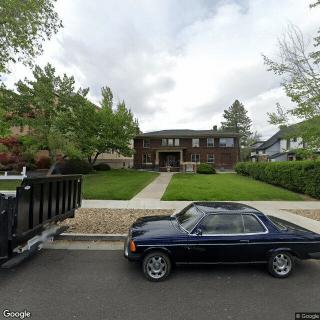
Cessabella Residential Suite in Reno, NV is best suited for families seeking a small, home-like environment and comfortable enough with a less formal, hands-on administrative experience. The community reads as an intimate, non-institutional setting where daily care can feel personal rather than corporate. For families prioritizing a warm, neighborly feel over polished systems, this option offers a sense of coziness and direct access to caregivers that can be meaningful during transitions or short stays.
Those who may want to consider alternatives are families who require rock-solid reliability in staffing and communications. The strongest warning signs from current perspective involve scheduling and billing rather than care quality. An appointment tour was mishandled, staff did not have the administrator available, the tour proceeded without proper coordination, and follow-up never materialized. A separate case highlights billing fragility: a substantial nonrefundable charge for a brief stay, despite hospice providing most of the direct care, sparked a heated dispute. Ownership defended the policy as standard, but the experience left a lasting impression of distrust. When the ability to coordinate tours, respond to inquiries, and apply clear financial terms is inconsistent, families must weigh whether a home-like ambiance compensates for administrative fragility.
On the pro side, when staff engagement is present, care can feel sufficient for basic needs in a small setting. The intimate footprint of the residence can translate into more personalized attention, fewer bureaucratic layers, and quicker, if imperfect, practical decisions. For residents with modest needs and a preference for a quieter, home-centered daily routine, the atmosphere may deliver comfort and a sense of belonging that larger facilities struggle to replicate. In such cases, the caregiver presence, though not flawless, can still produce meaningful daily support and a gentler transition for a loved one.
Yet the cons loom larger in how this community is perceived by families weighing value. Administrative fragility, illustrated by missed communications, unclear lines of responsibility, and inconsistent follow-through, creates ongoing friction that undermines trust. The most salient downside is the billing posture: a sizable, nonrefundable fee charged under circumstances where hospice had already addressed most essential needs, coupled with a defensive stance about the policy, can feel unfair and may overshadow any substantive care benefits. With only a 3.6 average rating across seven reviews, the consistency of experiences ranges widely, signaling that outcomes are highly dependent on which staff member is at the helm and how well the billing and scheduling processes are executed on any given day.
Families evaluating this option should insist on clear terms up front and test the system before committing. A disciplined due-diligence process is essential: obtain a written refund and fee policy, request direct contact with an administrator who can articulate service scope and escalation procedures, and review a sample care plan with defined responsibilities. Ask for recent references and a transparent accounting of what hospice or home-health services will provide versus what the community will handle, ensuring there is no overlap that could trigger surprise charges. Demand a concrete schedule for tours and a commitment to timely follow-up, plus a defined point of contact who can address concerns without delay. The goal is to identify early whether the operation can deliver consistent communication, fair billing, and dependable administrative support.
In the final assessment, Cessabella Residential Suite tends to appeal to families seeking a small, informal, homelike environment and who are willing to tolerate occasional administrative gaps in exchange for personal attention. For many families, however, reliability, transparent billing, and proactive management are nonnegotiables. If those elements are paramount, exploring other Reno options with stronger governance and documented, customer-centric policies is prudent. The prudent path combines careful verification of terms, direct conversations with leadership, and a cautious, short-term trial if possible, ensuring that warmth does not come at the expense of accountability.
 8 resident community capacity
 Assisted Living
 Cable or satellite TV
 Dining room
 Fully furnished
 Garden
 Housekeeping services
 Move-in coordination
 Outdoor space
 Telephone
 Wi-Fi/high-speed internet available
 Reno Tahoe International (8 miles away)
 24-hour supervision
 Activities of daily living assistance
 Assistance with bathing
 Assistance with dressing
 Assistance with transfers
 Diabetes diet
 Meal preparation and service
 Medication management
 Special dietary restrictions
 Transportation arrangement (medical)
 Transportation to doctors appointments



 Exploring the Contrasts Between Assisted Living and Skilled Nursing
 8 Key Indicators That Suggest It May Be Time to Transition from Assisted Living to Skilled Nursing Care
 Vibrant Senior Living: A Comprehensive Guide for Active Older Adults