
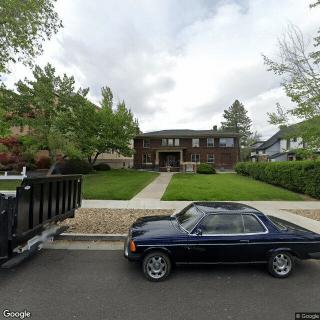
5825 Tappan Drive, Reno, NV 89523
For more information about senior living options: (866) 208-4318
Overall Review of Holy Child Residential Care IV
Pros
 Norma is an excellent caregiver.
- They couldn't have asked for a better facility.
Review
Holy Child Residential Care IV in Reno is best suited for families seeking a small, intimate senior living setting where daily care is delivered with unmistakable warmth and personal attention. This community shines for residents who need help with activities of daily living and who benefit from a caregiver-driven environment rather than a large, impersonal campus. The strongest signal from available feedback is that care is personal, consistent, and deeply attentive, making it a natural choice for families prioritizing dignified, homelike support during long-term residence or end-of-life care. When the goal is to secure a trusted, hands-on caregiver relationship for a loved one, this is a setting that delivers on that promise.
Those who should consider alternatives are families with higher medical complexity or those in search of more expansive programming. If a loved one requires robust on-site medical oversight, regular nursing assessments, specialized dementia programming, or a broad calendar of structured activities and therapies, a larger community with more comprehensive clinical staffing and resource options may be a better fit. Similarly, for families seeking polished amenities, extensive social events, or campuses equipped to accommodate aggressive rehabilitation plans, the more expansive options elsewhere will likely be more suitable. The absence of multiple, corroborating reviews creates a reasonable hesitation for anyone looking for a broader, more diverse set of perspectives.
The most compelling pro is the standout caregiver support, epitomized by Norma, described as an excellent caregiver in the sole review. This level of personal attention translates into reliable morning and evening routines, attentive response times, and meaningful companionship that can dramatically reduce stress for both residents and families. In a setting where a loved one spends their days, having someone who consistently demonstrates patience, respect, and a genuine connection matters tremendously. Such care often correlates with better mood, greater sense of security, and higher quality of life, especially for someone navigating the transition into later years or the final chapter of life. In short, the emotional and practical relief that comes from trusted, on-site care can outweigh many shortcomings associated with smaller communities.
Yet, the data on cons is necessarily limited by the single positive report. The primary caveat is the lack of breadth in reviews, which leaves unanswered questions about staffing ratios across shifts, the availability of on-site medical personnel, and how the facility handles more complex medical needs or memory-care challenges. Without a broader set of experiences, it is difficult to gauge consistency of care on weekends, after-hours, or during holidays. Families should also inquire about meal quality and menu variety, activity programming, and opportunities for meaningful engagement beyond basic supervision. For families that want a robust calendar of enrichment, this may be an area requiring careful clarification.
But the strong caregiving thread can effectively offset several potential drawbacks for the right resident. When the priority is intimate, dependable support and a relationship with caregivers who know the resident’s routines, preferences, and history, the advantages can far outweigh the uncertainties that come with a smaller operation. A resident who values predictability, personalized assistance, and deep trust in staff will likely experience a level of comfort that much larger facilities struggle to match. For families who can accept a trade-off, less breadth in services in exchange for a more hands-on, relationship-based care model, Holy Child Residential Care IV presents a compelling proposition.
The practical commission for families weighing options is clear. Prioritize a site visit that emphasizes who the caregivers are on most shifts, how handoffs operate, and how much daily supervision a resident will receive. Ask pointed questions about medical oversight, hospital discharge planning, and coordination with outside physicians or hospice teams if palliative needs are anticipated. Gather concrete details on costs, room configurations, meal plans, and activity opportunities, and request a plan for continuity of care if a loved one’s condition changes. The bottom line: for families seeking a homey, highly attentive atmosphere with a trusted caregiver at the heart of daily life, Holy Child Residential Care IV is a standout candidate. For those whose needs lean toward medical intensity, expansive programming, or larger communities, alternatives with broader clinical resources merit serious consideration.
 5 resident community capacity
 Assisted Living
 Cable or satellite TV
 Dining room
 Fully furnished
 Garden
 Housekeeping services
 Move-in coordination
 Outdoor space
 Telephone
 Wi-Fi/high-speed internet available
 Reno Tahoe International (7 miles away)
 24-hour supervision
 Activities of daily living assistance
 Assistance with bathing
 Assistance with dressing
 Assistance with transfers
 Diabetes diet
 Meal preparation and service
 Medication management
 Special dietary restrictions
 Transportation arrangement (medical)
 Transportation to doctors appointments


 Choosing the Right Senior Care: A Detailed Exploration of Assisted Living and Nursing Homes
 Understanding the True Cost of Assisted Living in 2025: A Comprehensive Guide
 Understanding Medicaid Coverage for Assisted Living: A Comprehensive Guide