Residents and families most often describe the staff as kind, patient, and responsive to needs.
Many reviews emphasize that caregivers keep close watch and check in regularly, including during changing health and worsening dementia. Families also describe the staff as helpful and willing to support residents with daily routines, communication, and practical help. Even when one review is negative about a doctor and bedside manner, the broader pattern is that residents and families feel supported by the on-site team.
common18 reviews mention this
Medical oversight includes doctor and nurse
Reviews repeatedly highlight that medical care comes from an on-site doctor and nurse team.
Several residents’ families describe regular presence of a physician and nurse, along with care that includes diagnosis and ongoing attention. Multiple reviews mention the doctor working closely with the team to manage medications and respond as conditions change. Reviews also connect this medical involvement to real outcomes families noticed, like improved health, comfort, and stability.
common5 reviews mention this
Memory care and dementia support
Families specifically mention dementia and memory-related needs when describing the care here.
Reviews describe dementia worsening over time and describe staff responses as thoughtful and patient. Some families also credit the doctor and care team with individualized attention and medication adjustments aimed at reducing agitation. One review specifically calls for a memory care residence during discharge and notes the placement happened quickly.
common8 reviews mention this
Activities and day-to-day engagement
Daily activities are a frequent part of residents’ days here.
Residents and families describe scheduled activities and engagement that help keep people active and connected. Several reviews also mention exercise or recreational activities as part of routine care. Some families add that the resident was participating in activities soon after moving in, including after hospital discharge.
common4 reviews mention this
Home-like dining and meal enjoyment
Meals are described as tasty and served in a more home-like setting.
A few reviews mention residents enjoying the food, including comments about meals being healthy and tasty. Others describe a dinner routine centered around a dining table and interaction in the kitchen area. This lines up with the community offering meals and having on-site activities as part of the day-to-day atmosphere residents’ families talk about.
common7 reviews mention this
Clean, comfortable, family-like atmosphere
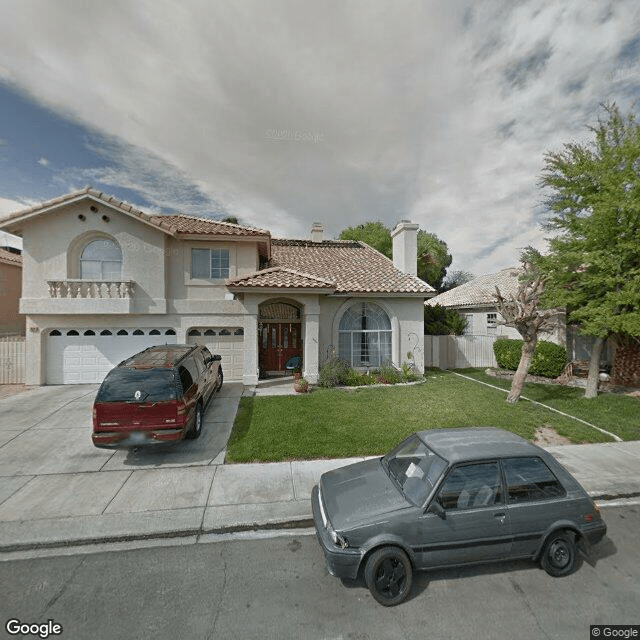
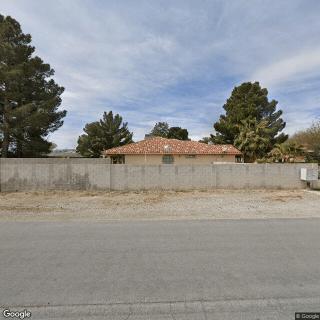
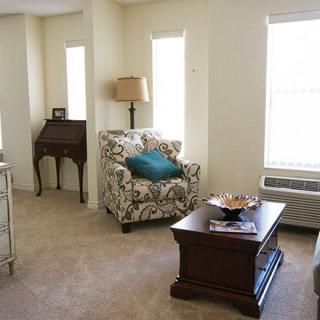
Reviews often describe the home as clean, comfortable, and family-like.
Several families praise cleanliness and a well-kept, comfortable environment. Reviews also emphasize the setting as more home-like than institutional, including references to how the community supports day-to-day comfort. One caregiver review adds that the staff spends time assisting residents in person rather than rushing them through quicker alternatives.
How we summarize
Counts show how many written reviews mention each theme; a review can touch several themes, and only frequently mentioned themes are displayed.
Features
Types of Care
Assisted Living
Amenities
Activities on-site
Devotional services off-site
Indoor common areas
Transportation
McCarran International (13 miles away)
Care Services
Ambulatory care
Diabetic care
Dining
Meals provided
Activities
Activities on-site
Devotional activities offsite
Nearby Places of Interest
This part of Las Vegas, Nevada, boasts a wide array of amenities and services that cater to senior living. With several pharmacies in close proximity, easy access to healthcare facilities such as Center For Sight and MountainView Hospital, as well as specialized clinics like Tottori Allergy and Nevada Spine Clinic, seniors can rest assured knowing that their medical needs will be met. The area also offers various dining options ranging from fast food chains like Chick-Fil-A and Wendy's to more upscale venues like Addison's Lounge at Rampart Casino. Additionally, for leisure and entertainment, residents can enjoy cafes like Starbucks or catch a movie at Regal Red Rock 4DX & IMAX theater. Transportation via the Las Vegas Monorail is conveniently located nearby for easy access to other parts of the city. Overall, this area provides a convenient and well-rounded environment for seniors looking to settle down in Las Vegas.
Pharmacies
Walgreens (1.6 miles)
Walgreens (1.8 miles)
CVS Pharmacy (1.8 miles)
Smith's Food & Drug (1.9 miles)
Walgreens (2 miles)
Albertsons Pharmacy (2.7 miles)
Walgreens (3.2 miles)
Physicians
Center For Sight (1.8 miles)
MountainView Hospital (1.8 miles)
Tottori Allergy (2.5 miles)
Las Vegas Radiology (2.6 miles)
Nevada Spine Clinic (2.6 miles)
Desert Orthopedic Cent (2.9 miles)
Nevada Orthopedic & Spine Center (4.3 miles)
Hospitals
Mountain View Hospital-Labor and Delivery (1.8 miles)
PAM Rehabilitation Hostpital of Centennial Hills (2.7 miles)
Cheyenne Care Center (8.5 miles)
VA Southern Nevada Healthcare System (9.6 miles)
Restaurants
Chick-Fil-A (3.3 miles)
Rampart Casino (4.9 miles)
Addison's Lounge (4.9 miles)
Chick-Fil-A (6 miles)
Wendy's (6.1 miles)
Taco Bell (6.6 miles)
McDonald's (6.6 miles)
Cafes
Starbucks (4.1 miles)
Dutch Bros Coffee (7.9 miles)
Starbucks (8.9 miles)
Starbucks (9.5 miles)
The LINQ Hotel & Casino (9.8 miles)
Theaters
Regal Red Rock 4DX & IMAX (7.4 miles)
Transportation
Las Vegas Monorail - Sahara Station (8.9 miles)
Las Vegas Monorail - Harrah's/Quad Station (9.8 miles)
Activities of Daily Living (ADLs) are fundamental tasks vital for an individual's independence, particularly in older adults over 85, and include functions like bathing and dressing; assessing ADLs alongside Instrumental Activities of Daily Living (IADLs) helps determine the level of required assistance due to age-related health challenges. Tailored support plans, involving family and community resources, are essential for maintaining dignity and autonomy in assisted living environments.
Medicare does not cover assisted living costs, as it focuses on acute medical needs and short-term care, with exceptions for certain medically necessary services like physical therapy. Individuals must explore other options such as Medicaid, veterans' benefits, or long-term care insurance to manage these expenses effectively.
Choosing between assisted living and nursing homes involves evaluating emotional and financial factors, with assisted living offering independence and support for daily activities at a lower cost, while nursing homes provide intensive medical care for individuals with significant health needs. The decision is influenced by personal preferences, health status, cognitive function, and varying Medicaid coverage across states.
Get PricingAsk A QuestionSchedule A TourContact Senior Advisor
By clicking submit, you agree to our Partner's Terms of Use. You
also consent to receive calls and texts, which may be autodialed, from our Partner. Your consent is not a condition to
using our Partner's service. Please visit our Partner's Privacy Policy for information about their privacy practices.


 Assisted Living
 Activities on-site
 Devotional services off-site
 Indoor common areas
 McCarran International (13 miles away)
 Ambulatory care
 Diabetic care
 Meals provided
 Small, homelike setting with personalized care and comprehensive services (24-hour supervision, meals, housekeeping, transportation).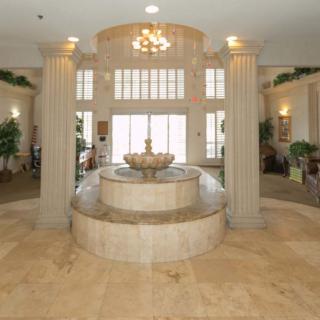
 Comprehensive Insights into Activities of Daily Living (ADLs) and Their Assessment
 Medicare Coverage for Assisted Living: An In-Depth Exploration
 Choosing the Right Senior Care: A Detailed Exploration of Assisted Living and Nursing Homes