
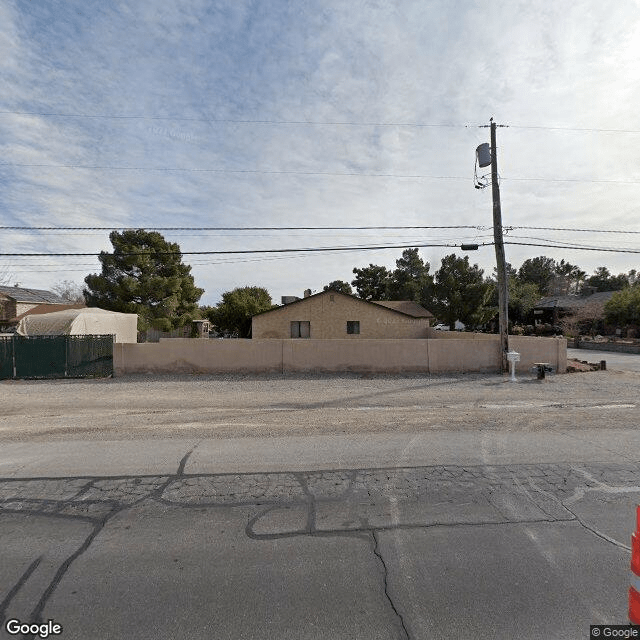
4710 N Cimarron Rd, Las Vegas, NV 89129
To contact a resident: (702) 658-3300
For more information about senior living options: (866) 208-4318
Overall Review of Alzheimer'S/Dementia of Las Vegas
Pros
 The staff genuinely cares about residents as people, not just their health needs.
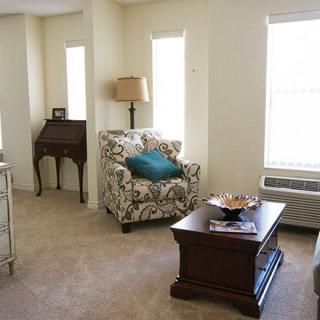
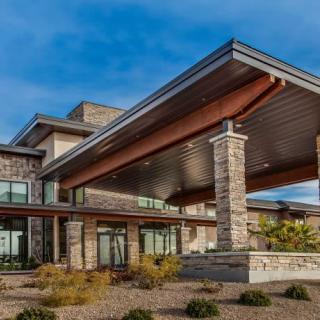
- The facility is warm, inviting, and impeccably maintained.
- Activities are engaging and thoughtfully designed for those with memory challenges.
- The team provides compassionate, patient care, even during confusion or sundowning.
- Families experience peace of mind knowing their loved ones are in capable hands.
- The environment feels like home, with staff who treat residents like family.
- Leadership and staff consistently go above and beyond to support families.
- Residents feel safe, valued, and well cared for.
Cons
 They warn others not to place anyone at Pacifica Memory Care, claiming the facility provides horrible care and that residents will fail and decline quickly, often kept in bed after meals to avoid attention.
Review
This community is best suited for families seeking a memory-care environment in Las Vegas that prioritizes person-centered care, warmth, and an active, engaging daily life. It shines for residents who respond well to a structured program of activities, social interaction, and live entertainment, all delivered by a team that feels genuinely committed and approachable. Families looking for a place that treats dementia care as an intensely supportive, family-like endeavor will find this setting particularly compelling. It is a strong match for those who want clear, proactive communication from staff, a welcoming atmosphere, and consistent attention to daily routines, meals, and meaningful engagement.
Alternatives are worth considering for families with different priorities. Those who want a quieter, more subdued pace or a setting that emphasizes minimal stimulation may prefer smaller, home-like memory-care environments. Families with residents who have complex medical nursing needs beyond dementia-specific care may want to compare facilities that offer heavier on-site nursing oversight 24/7. For cost-sensitive plans, or for families weighing a more clinical or hospital-like environment, other communities may present different value propositions. In short, this option excels in heart and activity; others may be stronger on medical intensity or budget alignment.
The core strengths revolve around exceptional staff engagement and a vibrant activity slate. Reviews repeatedly highlight staff members who are compassionate, patient, and genuinely invested in residents’ well-being. The move-in process is described as seamless, easing families through a difficult transition. Residents are seen as individuals, not just patients, with activities crafted to match memory-challenge needs. The atmosphere is warm, clean, and well-maintained, with well-regarded amenities such as in-house salons, regular entertainment, and thoughtfully designed meals. This combination often translates into residents feeling safe, valued, and pleasantly occupied.
A second pillar of advantage lies in the deep, demonstrable care from the team. Families frequently commend specific staff by name for going above and beyond, continuing regular updates to families, coordinating medical needs, and providing reassurance during health changes. The care philosophy appears to emphasize dignity, respect, and personal recognition, with staff members who remember residents’ preferences and histories. The facility’s leadership and front-line team are repeatedly credited with keeping residents engaged, comfortable, and well-nourished, which can be crucial for individuals dealing with sundowning, confusion, or mood fluctuations.
Where the balance must be weighed, the obvious question centers on pace versus pace of life. The same robust activity calendar that fuels satisfaction for many residents can feel demanding for others, particularly those who crave calmer routines or who are in later stages of dementia and may tire quickly. For some families, the volume of programming, social events, and staff interactions may require a careful intake assessment to ensure it aligns with a resident’s tolerance and goals of care. Budget considerations also play a role; the premium level of service and the accompanying amenities may translate into higher ongoing costs, which should be weighed against alternative options with different staffing models and service levels.
Overall, this community stands out as a compelling choice for families seeking a memory-care home where care feels personal, attention is consistent, and life inside the community remains engaging. The most persuasive case comes from residents and families who value a family-like culture, proactive communication, and a curated program of activities that keeps cognitive and social engagement front and center. For those who need or value medical oversight beyond dementia-specific care, or who prefer a quieter setting, it is wise to tour and compare against facilities with more intense clinical staffing or calmer environments. In the right match, this memory-care community delivers not just care, but reassurance and happiness for both residents and their loved ones.
 Memory Care
 McCarran International (13 miles away)
 Choosing the Right Senior Care: A Detailed Exploration of Assisted Living and Nursing Homes
 Safeguarding Your Memory Through the Golden Years: Eight Ways to Preserve Cognitive Health
 Comprehensive Insights into Activities of Daily Living (ADLs) and Their Assessment