
7036 Pleasant View Avenue, Las Vegas, NV 89147
For more information about senior living options: (866) 208-4318
Overall Review of Pleasant View Homecare
Pros
 Rose, Maria and team took great care of Mom until she took her last breath.
- They went above and beyond with supporting not only Mom, but our entire family.
- Such genuinely good, kindhearted people.
Cons
 They were reluctant to let the patient return there.
- The care home restricted the patient's return, supposedly for safety reasons.
Review
Pleasant View Homecare in Las Vegas is best suited for families seeking a small, intimate care setting where a hands-on, compassionate team delivers deeply person-centered support. The community excels when residents thrive on close caregiver relationships, a home-like atmosphere, and active family involvement in daily care decisions. The caregiving team, particularly Rose and Maria, demonstrates a level of warmth and attentiveness that translates into real peace of mind for families navigating end-of-life care or long-term assisted living needs. This is not a place aimed at sterile efficiency or clinical detachment; it is for those who want a warm, human-centered approach to daily living for an aging loved one.
That said, there are clear reasons some families should consider alternatives. If a resident requires ongoing, high-intensity medical oversight or a more robust, hospital-like cadence of care, Pleasant View Homecare may fall short. The setting operates as a care home rather than a large, highly resourced facility, which can translate into less predictable access to medical services or specialized equipment. Additionally, policies around readmission after hospitalization can feel restrictive to families seeking maximum flexibility and continuity of care. For loved ones who bounce between hospital and home or who need rapid, unobstructed re-entry after a medical episode, a more conventional assisted living or skilled nursing environment may be a better fit.
The strongest pro-argument for Pleasant View Homecare is the human connection. Families repeatedly note that the staff goes above and beyond to support the resident and the wider family system, not just the daily tasks of care. The kindness and genuine concern from Rose, Maria and their team are described as transformative, turning difficult transitions into experiences marked by dignity and emotional support. In practice, that translates to better day-to-day mood, more personalized attention, and a sense that the person at the center of the care plan is known, respected, and cherished. Those elements can dramatically offset the limitations of a smaller facility by providing a stable, reassuring presence when medical needs are modest but emotional and social needs are high.
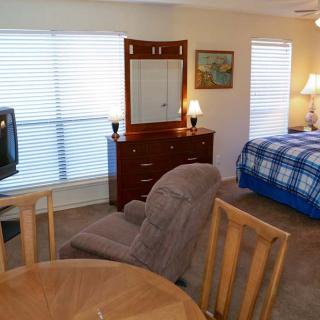
Another clear strength is the environment itself. The small-scale, homey setting fosters routine and familiarity, which often reduces anxiety for residents who resist large, impersonal care settings. Family members who want to be actively involved in care decisions will find an openness to collaboration and transparent communication with caregivers. The staff’s demeanor, careful, patient, and consistently available, can make everyday challenges easier to navigate, from meal planning to coordinated caregiving tasks. In short, Pleasant View Homecare offers a sanctuary-like milieu where residents feel seen and valued.
However, the policy-related drawback deserves attention. The cautious approach to readmitting a resident after a hospital stay, described by one reviewer as “scarces about letting the patient return,” highlights a safety-first culture that can be frustrating for families seeking rapid re-entry after a medical setback. This is not malicious or arbitrary; it reflects a prioritization of the broader community’s safety and well-being. Still, it can complicate decisions for families who anticipate hospitalization as part of their loved one's ongoing care trajectory. Prospective residents should seek a candid briefing on readmission procedures, timelines, and criteria so expectations align with reality.
In the end, Pleasant View Homecare represents a compelling option for a specific slice of the senior-care landscape. It earns its strength from unwavering, member-of-the-family-style care, delivered by people who truly care about the residents and their relatives. For families prioritizing intimate, compassionate interaction, and a setting that feels like a welcoming home rather than a clinical facility, this community delivers meaningful value. For those whose needs center on comprehensive medical management, rapid access to specialists, or highly flexible admissions policies, alternatives that offer more formal clinical infrastructure may be more appropriate. The decision should hinge on the balance between cherished, individualized attention and the degree of medical oversight and policy flexibility that aligns with the loved one’s health profile.
 5 resident community capacity
 Assisted Living
 Cable or satellite TV
 Dining room
 Fully furnished
 Garden
 Housekeeping services
 Move-in coordination
 Outdoor space
 Telephone
 Wi-Fi/high-speed internet available
 McCarran International (6 miles away)
 24-hour supervision
 Activities of daily living assistance
 Assistance with bathing
 Assistance with dressing
 Assistance with transfers
 Diabetes diet
 Meal preparation and service
 Medication management
 Special dietary restrictions
 Transportation arrangement (medical)
 Transportation to doctors appointments



 Social Security Benefits and Assisted Living: Navigating Options Across the U.S.
 An Extensive Exploration of the VA Aid and Attendance Benefit
 Senior Transition Services: Understanding Their Role, Cost, and Importance