
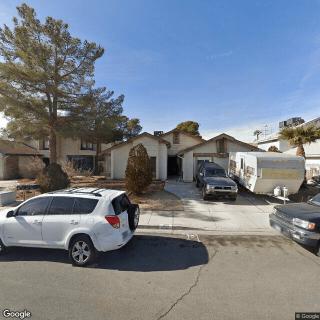
4362 Satinwood Drive, Las Vegas, NV 89147
For more information about senior living options: (866) 208-4318
Overall Review of Valley Care Home
Pros
 They would feel good knowing he would be in good hands.
- The people in the beginning seemed to be caring.
- They hoped they would truly cook the meals.
Cons
 They felt the caregivers seemed caring only on the surface, likely driven by money rather than genuine concern for their dad.
- They believed their dad’s dairy restriction and health issues were not properly accommodated, and a staff member nearly denied it.
- They sensed the staff’s true colors emerged after a few weeks, suggesting insincerity or greed.
- They felt the facility neglected their dad’s diarrhea and wanted him out, treating him as a hazard rather than responsible for his well-being.
- They perceived a lack of transparency about fees, including a cue about the room price from the staff.
- They were charged $2,500 for a shared room in 2019, which contributed to their negative view and decision not to return.
Review
Valley Care Home in Las Vegas is best suited for families who need the most affordable, minimal-oversight living option for an older adult and who can tolerate a basic, shared-room setting with limited medical support. The few visible strengths tend to be overshadowed by questions about accountability and consistency. For seniors who require steady medical oversight, precise dietary management, or transparent, predictable pricing, this community is unlikely to meet those needs. In short, it serves a budget-conscious niche where families understand the trade-offs and are prepared to monitor care closely themselves.
From the narrative, there was an initial impression of care, but that impression quickly fractured. Early staff appeared attentive, yet the tone shifted as concerns about handling medical needs surfaced. Dietary accommodations were not reliably honored; the reviewer notes dairy restrictions and a troubling incident involving a cream-of-mushroom issue that undermined trust. When a health problem like diarrhea emerged, the response was described as attempting to remove the resident rather than address the hazard. The price tag, about $2,500 for a shared room in 2019, lingered as a pressure point rather than a safeguard.
The core cons center on weak medical oversight, inconsistent care, and a troubling emphasis on cost over welfare. The caregiver's conduct is described as inconsistent at best and as dismissive or even predatory at worst, an impression reinforced by the sense that staffing decisions were driven by price considerations. The threat of discharge when health issues arise signals a facility that treats residency as a liability instead of a steady placement. This combination undermines safety, triggers stress for families, and erodes trust in daily routines, meals, and medication management.
Any potential positives, the surface warmth at the outset, the existence of meals at times, or a functional shared room, do not offset the decisive negatives. The early caring demeanor, if real, is contradicted by later events, suggesting inconsistent practice. Without transparent policies, reliable dietary accommodations, and dependable emergency response, those minor positives become suspect at best. The pricing dynamic compounds the problem: a high upfront cost paired with a perception of diminished accountability makes the setting feel transactional rather than therapeutic.
Families whose senior requires regular nursing oversight, complex dietary needs, or clear, enforceable pricing should strongly consider alternative options. Communities with proven records of consistent medical responsiveness, verified meal plans, and transparent discharge policies would be preferable. For anyone evaluating Valley Care, the absence of credible, ongoing care standards suggests looking elsewhere first and treating pricing concerns as red flags rather than savings. The single negative review paints a cautionary portrait for those who cannot supervise daily routines closely.
If still weighing Valley Care, approach with disciplined due diligence: request a current tour, inspect the kitchen and dining logs, confirm dietary accommodations, and seek written care plans and discharge policies. Verify who holds responsibility for medical decisions and emergencies, and gather multiple references beyond the lone review to benchmark against similar facilities. Pragmatically, this community is not recommended for seniors with significant medical needs or families seeking dependable accountability; there are better, more transparent options available that reduce risk and offer steadier, clearer care relationships.
 2 resident community capacity
 Skilled Nursing Facility
 Cable or satellite TV
 Dining room
 Fully furnished
 Garden
 Housekeeping services
 Move-in coordination
 Outdoor space
 Telephone
 Wi-Fi/high-speed internet available
 McCarran International (6 miles away)
 24-hour supervision
 Activities of daily living assistance
 Assistance with bathing
 Assistance with dressing
 Assistance with transfers
 Diabetes diet
 Meal preparation and service
 Medication management
 Special dietary restrictions


 Understanding the Nuances of Palliative Care and Hospice: A Comprehensive Exploration
 Fecal Incontinence in Older Adults: A Comprehensive Guide
 Nurturing Well-Being Through Gardening: A Detailed Guide for Senior Enthusiasts