For more information about senior living options: (866) 208-4318
4.5 from 122 reviews
5 stars
95
4 stars
13
3 stars
4
2 stars
3
1 stars
7
Gramercy Parc Costs & Pricing
At Gramercy Parc, the cost of living is remarkably affordable compared to both Clark County and the state of Nevada as a whole. For instance, a studio apartment at Gramercy Parc is priced at just $800 per month, significantly lower than the county average of $3,407 and the state average of $3,567. Similarly, a one-bedroom unit is available for $860, while comparable accommodations in Clark County and Nevada reach $3,346 and $3,619 respectively. Even for two-bedroom apartments, Gramercy Parc offers a competitive rate of $1,000, starkly contrasting with the county's average of $3,433 and the state's $3,949. This pricing structure highlights Gramercy Parc's commitment to providing quality housing without straining residents' budgets.
Floor plans
Gramercy Parc
Clark County
Nevada
Studio
$800
$3,407
$3,567
1 Bedroom
$860
$3,346
$3,619
2 Bedrooms
$1,000
$3,433
$3,949
Senior living communities with a similar price nearby
from -$155 / mo
Boulder Palms
4.3 from 120 reviews
$645 to $3,825 / month
3.1 miles away
About the same
Capistrano Pines
4.2 from 17 reviews
$797 / month
9.9 miles away
Overall Review of Gramercy Parc
common25 reviews mention this
Maintenance and office help fast
Residents repeatedly describe fast, responsive help for maintenance requests.
A major theme in the reviews is that when residents submit requests, staff shows up quickly and gets things handled. Multiple residents mention prompt communication and timely follow-through, including fixes made the same day or within about a day. Several also highlight specific team members in the office and maintenance as helpful and efficient.
common12 reviews mention this
Clean grounds and shared amenities
Residents describe the property as clean and well kept.
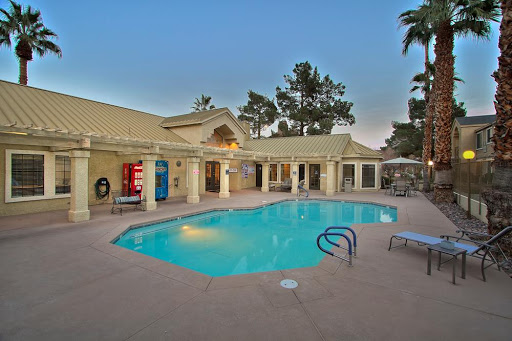
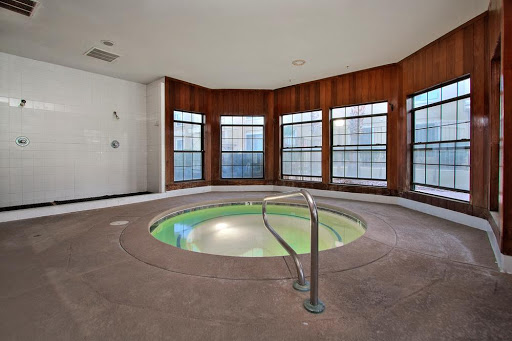
Many reviews focus on cleanliness, well-maintained surroundings, and the condition of shared areas. Residents mention a clean pool and hot tub, and at least one person connects those amenities to their fitness routine. Others also comment on clean apartments and landscaping being maintained.
common6 reviews mention this
Activities help build community
Residents value on-site activities and community gatherings.
Reviews often mention activities such as gatherings in the clubhouse and arts-related programming. Some residents describe social events and regular community offerings, including mentions of off-site or organized activities. A few reviews also connect these programs with feeling at home or having a stronger sense of community.
caveat2 reviews mention this
Apartments are not soundproof
Some residents report noise from neighboring apartments.
Not everyone experiences the apartments as quiet. Two residents specifically say units are not soundproof and that they can hear what’s happening from the apartment above. The feedback suggests noise control may be a consideration for anyone sensitive to sound.
caveat5 reviews mention this
Rent is affordable to some
Pricing feels workable for some residents, but others call it too high.
Pricing comes up as both a positive and a concern. Several reviews describe the rent or overall value as acceptable, including comments about choosing the community despite cost. Others say rent is too high, they are on a fixed income and cannot afford increases, or they felt changes did not come with meaningful upgrades.
common2 reviews mention this
Convenient location near essentials
Residents mention convenient access to shopping and food.
Some reviews point to the location as convenient for everyday needs, including shopping and places to eat nearby. The area also includes nearby pharmacy options and restaurants within about a mile based on the provided nearby listings.
How we summarize
Counts show how many written reviews mention each theme; a review can touch several themes, and only frequently mentioned themes are displayed.
Features
Types of Care
Active Adult Communities (55+)
Pets
Cats allowed
Dogs allowed
Amenities
Activities off-site
Activities on-site
Bath tubs
Devotional services off-site
Devotional services on-site
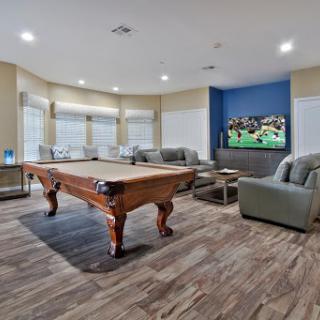
Indoor common areas
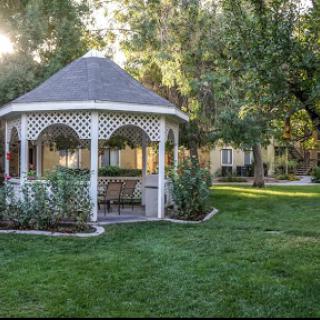
Outdoor common areas
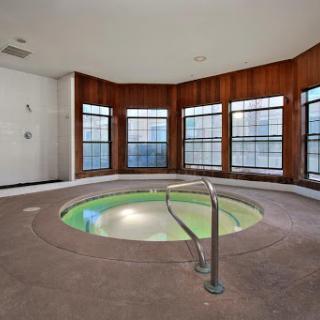
Swimming pool / hot tub
Transportation
McCarran International (2 miles away)
Activities
Activities off-site
Activities on-site
Devotional activities offsite
Devotional activities on-site
Nearby Places of Interest
This part of Las Vegas, Nevada, offers convenient access to a variety of amenities for seniors. With multiple pharmacies within close proximity, obtaining necessary medications and healthcare supplies is easily accessible. The area also features reputable physicians and medical centers for comprehensive healthcare needs. In terms of transportation, there are options available for traveling within the city and to the airport, making it convenient for visiting loved ones or embarking on trips. Additionally, there are several dining options ranging from casual cafes to upscale restaurants, providing a variety of culinary experiences. Overall, this part of Las Vegas presents a well-rounded environment with essential services and leisure opportunities for seniors looking to settle in the area.
Pharmacies
Walgreens (0.4 miles)
Walgreens (1.3 miles)
Walgreens (1.3 miles)
Walmart Pharmacy (1.4 miles)
CVS Pharmacy (1.6 miles)
CVS Pharmacy (2.1 miles)
Walgreens (2.6 miles)
Transportation
International Arrivals (1 miles)
The Club (1 miles)
Security Checkpoint (1.1 miles)
TSA Checkpoint - Terminal 3 (1.1 miles)
Terminal 3 (1.2 miles)
Concourse E (1.2 miles)
The Centurion Lounge (1.4 miles)
Restaurants
The Garage (1.1 miles)
Las Vegas Eagle (1.4 miles)
Bob's East Side Deli (1.6 miles)
Lotus of Siam (1.7 miles)
PGA Tour Grill (1.7 miles)
Shake Shack (1.8 miles)
In-N-Out Burger (2.2 miles)
Physicians
Comprehensive Cancer Centers of Nevada (1.6 miles)
At Gramercy Parc, the cost of living is remarkably affordable compared to both Clark County and the state of Nevada as a whole. For instance, a studio apartment at Gramercy Parc is priced at just $800 per month, significantly lower than the county average of $3,407 and the state average of $3,567. Similarly, a one-bedroom unit is available for $860, while comparable accommodations in Clark County and Nevada reach $3,346 and $3,619 respectively. Even for two-bedroom apartments, Gramercy Parc offers a competitive rate of $1,000, starkly contrasting with the county's average of $3,433 and the state's $3,949. This pricing structure highlights Gramercy Parc's commitment to providing quality housing without straining residents' budgets.
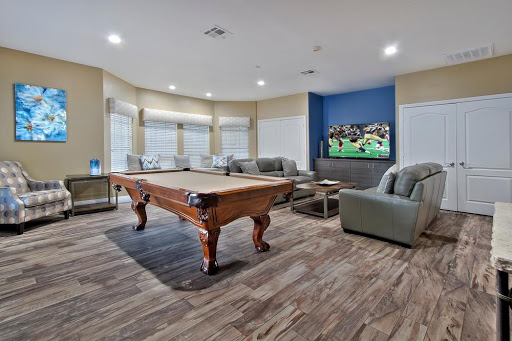
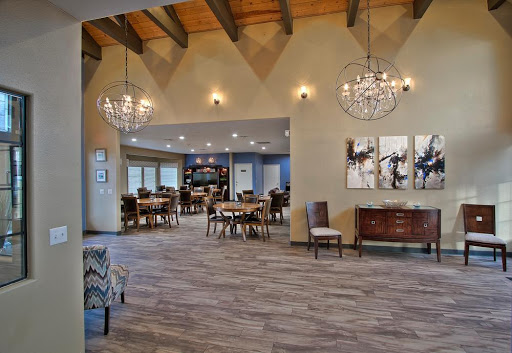
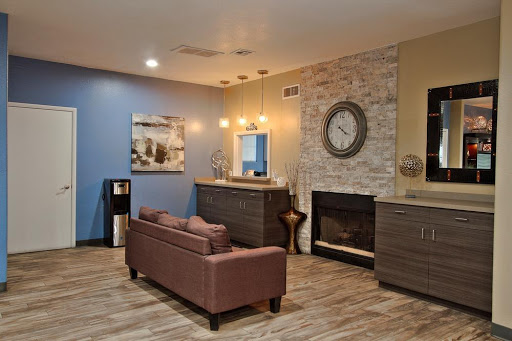
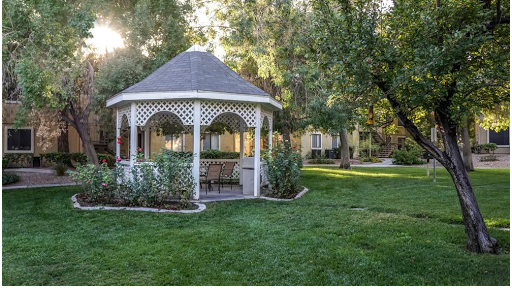
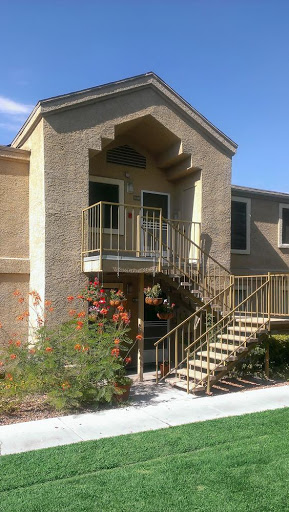
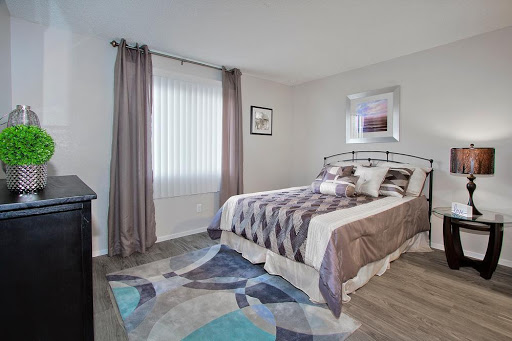
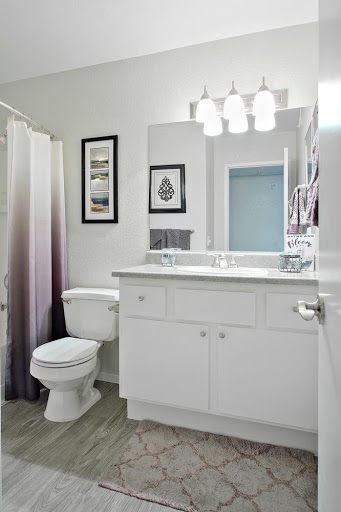
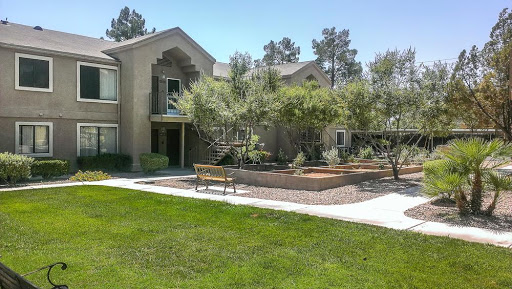
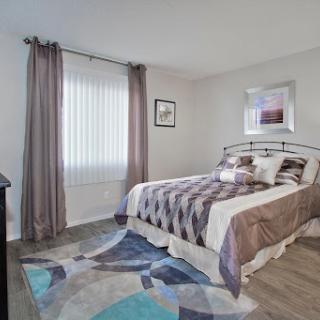
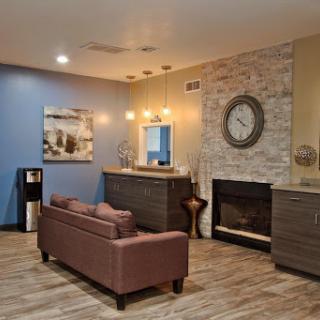
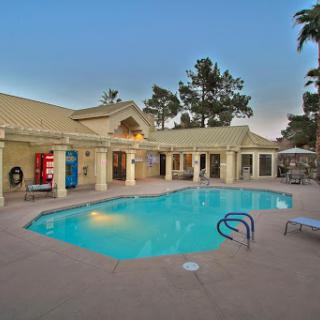
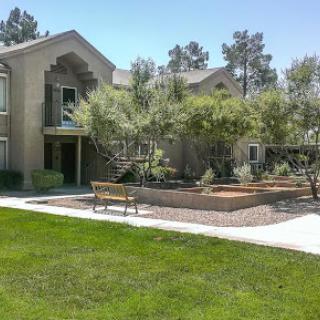
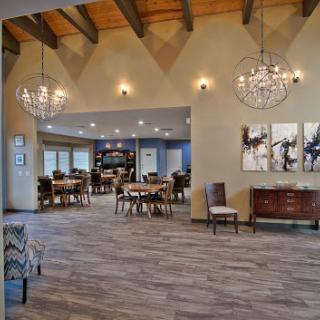
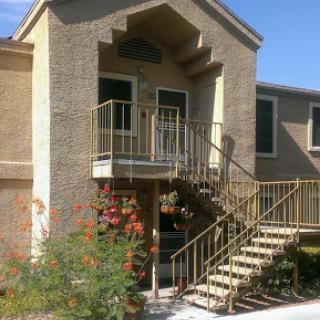
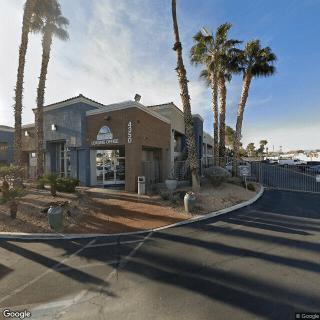
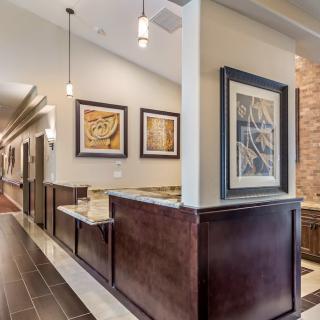
Gramercy Parc on seniors.fyi includes 11 photos including images showing interior, outdoor, decor, landscaping, bathroom, trees, building, bedroom, and more.
Nearby Communities
Florence Senior Care Home
Las Vegas, NV
1 from 2 reviews
Small, home-like setting with 24/7 supervision and comprehensive care.
Angel Gabriel Group Home
Las Vegas, NV
$13,800 / month
Intimate setting (capacity 2) with 24-hour supervision, diabetes-focused care (diet and medication management) and comprehensive support, plus nearby dining and healthcare amenities.
Cj Homes
Las Vegas, NV
1.3 from 3 reviews
Comprehensive care and services in a fully furnished setting with dining, housekeeping, and medical transportation.
American Senior Home Gabriel
Las Vegas, NV
4.9 from 67 reviews
Fully furnished apartments with housekeeping, diabetes-friendly dining, and medical transportation coordination.
The Bridge at Paradise Valley
Las Vegas, NV
4.4 from 90 reviews
$2,749 to $4,750 / month
Friendly, attentive staff; clean, well-kept environment with engaging activities and varied dining.
Life Care Center of Paradise Valley
Las Vegas, NV
4.4 from 122 reviews
Clean facility with a pleasant dining area and some attentive staff.
Kindred Hospital - Las Vegas (Flamingo)
Las Vegas, NV
4.5 from 120 reviews
Comprehensive amenities and care, including 24-hour supervision and transportation to appointments.
Villa Court Assisted Living
Las Vegas, NV
4.2 from 111 reviews
$1,600 to $3,300 / month
Warm, attentive staff and a one-level, home-like layout with engaging activities.
Premier Health & Rehabilitation Center Of Las Vegas
Skilled nursing facilities (SNFs) provide high-level medical care and rehabilitation for short-term recovery, typically covered by Medicare after hospitalization, while nursing homes focus on ongoing custodial care for chronic conditions, mainly funded by Medicaid or private payments. The staffing and regulatory structures differ significantly between the two, necessitating clarity for families in choosing appropriate long-term care options.
Nursing home care costs in the U.S. vary significantly based on location, level of care, and amenities, with private room prices ranging from approximately $6,700 to over $30,000 monthly. Families need to explore various payment options and conduct thorough research to manage these expenses effectively.
Nonmedical home care provides assistance with daily activities and companionship for individuals wishing to maintain independence and quality of life at home, without medical intervention. Its growing popularity is driven by an aging population, the need for supportive environments for recovery, and the emotional benefits of caregiver companionship, while costs vary based on service frequency and location.
Get PricingAsk A QuestionSchedule A TourContact Senior Advisor
By clicking submit, you agree to our Partner's Terms of Use. You
also consent to receive calls and texts, which may be autodialed, from our Partner. Your consent is not a condition to
using our Partner's service. Please visit our Partner's Privacy Policy for information about their privacy practices.


 Active Adult Communities (55+)
 Cats allowed
 Dogs allowed
 Activities off-site
 Bath tubs
 Devotional services off-site
 Indoor common areas
 Outdoor common areas
 Swimming pool / hot tub
 McCarran International (2 miles away)
 Small, home-like setting with 24/7 supervision and comprehensive care.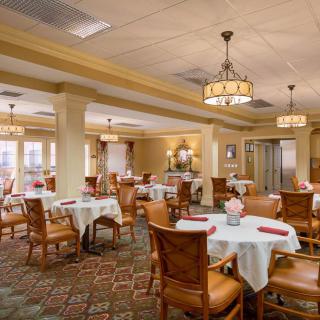


 Skilled Nursing Facilities vs. Nursing Homes: Making Sense of the Differences
 A Detailed Examination of Nursing Home Costs Across the U.S.
 Exploring Nonmedical Home Care: Understanding Services, Costs, and Financial Approaches