Life Care Center of Paradise Valley

Save
Life Care Center of Paradise Valley

Life Care Center of Paradise Valley

2325 E Harmon Ave, Las Vegas, NV 89119

For more information about senior living options: (844) 490-3973

4.4 from 102 reviews
5 stars
74
4 stars
14
3 stars
3
2 stars
0
1 stars
11

Assisted Living

Overall Review of Life Care Center of Paradise Valley

Pros

  • pro The facility was very clean.
  • pro The staff was professional, attentive and friendly.
  • pro This place is great, clean and safe, sanitary, reliable, with 24/7 visitation.
  • pro The staff has been very pleasant, happy and sweet to residents and families.
  • pro CNAs Cendy, Sapphire and Endy go above and beyond with their caring nature.
  • pro The cleaning staff performed room cleaning, was very helpful and demonstrated attention to detail.
  • pro The facility is nice, with many staff on shift who are friendly and helpful.
  • pro The staff is wonderful, and the physical therapist was excellent.
  • pro The facility earns five stars for care and service.

Cons

  • pro The reviewer claims the care is rude and disrespectful, including leaving the patient in a diaper and not helping with bathroom needs.
  • pro They state the night shift lacks care or compassion, with patients left calling for help for hours.
  • pro They allege medications were not properly monitored or administered.
  • pro They claim they almost died from respiratory distress because 911 was not called promptly, leading to hospitalization.
  • pro They report contracting C-diff while at the facility.
  • pro They recount abuse by kitchen staff and CNAs, such as being left in a wheelchair and not receiving a bedpan for over an hour.
  • pro They describe interactions with staff and social workers as unprofessional and disrespectful, with poor communication about a loved one's hospital stay and belongings.

Review

A chorus of voices paints a picture of a facility that divides opinion as sharply as day and night. On one hand, there are families who speak warmly about the care their loved ones receive, the kindness and competence of certain staff, and the overall atmosphere during daytime hours. One son writes glowingly about his father-in-law, who is currently at the facility and "happy," a sentiment echoed by other relatives who describe the business office staff, nurses, and CNAs as "great" and consistently attentive. They note that the day shift, in particular, operates with a high level of responsiveness, promptly addressing concerns, coordinating therapy, and ensuring that medications and personal care are managed well. In these accounts, the facility itself is portrayed as clean, safe, and well-run during the day, with a sense of organization that brings peace of mind to families who visit and observe.

Yet the same setting is recalled with a starkly different tone by other residents' families. Several reviews file in with experiences that pivot around neglect, disrespect, and fear. A recurring accusation centers on the night shift, described as lacking care, compassion, and urgency. Family members speak of residents left calling for help for extended periods, with staff who appear indifferent or overwhelmed, shrugging off concerns and rushing through tasks without meaningful interaction. The most jarring claims involve basic dignity issues - patients left in diapers for extended times, inadequate assistance with bathroom needs, and insufficient monitoring of medications - situations that escalate into broader assertions about elder abuse and neglect. In one particularly pointed recounting, a caller declares, "Elderly abuse is alive and it happens here every night," signaling a deep mistrust and a perception of systemic problems that go beyond occasional lapses.

Placed within these conflicting narratives are specific horror-stories that add to the intensity. One reviewer describes a harrowing respiratory emergency that spiraled into a hospital stay, alleging that the facility failed to dial 911 promptly and that the person almost died before emergency services arrived. They claim to have contracted a serious infection while at the facility and recount a cascade of problems, from inadequate isolation practices to kitchen and CNA staff who did not adhere to basic safety protocols. Another account centers on a patient who died while his family was left in the dark about his condition and location, with communication gaps and misdirection about where he was hospitalized and how to retrieve his belongings. These episodes contribute to a narrative that emphasizes fear, confusion, and a sense that vital information is not being communicated promptly or accurately.

In the middle of these two extremes sit a majority of voices that recognize both strengths and shortcomings. Several reviewers commend the care management team and the physical therapy staff, noting professional and capable work that helps patients progress in rehab. Praise is directed at individuals by name - CNA staff members, in particular, who are described as going above and beyond, as well as therapists who provide quality therapy and with whom families form positive relationships. The facility's cleanliness and the general atmosphere also receive favorable mentions, including observations that amenities are in place and that 24/7 visitation is possible. Yet even within these praise-filled posts, concerns surface about staffing levels, communication among doctors, nurses, and therapists, and a perception that some services - such as timely room cleaning, accurate meal accommodations, and consistent monitoring of medications - could be improved, especially during evenings and weekends.

Several reviewers highlight interpersonal dynamics that complicate the experience. Instances of miscommunication between the facility and families appear repeatedly, from social workers who fail to provide timely updates or follow through on promised calls to information about a patient's hospital transfer being misrepresented or delayed. Belongings and financial matters also emerge as flashpoints. A family recounts frustration over not receiving timely information about a deceased relative, and another story details the mishandling of a loved one's belongings after death, coupled with accusations of inappropriate handling of funds. These episodes contribute to a broader sense that while some staff members are compassionate and capable, others fall short in reliability, communication, and professional boundaries.

Amid the louder claims of neglect and procedural gaps, there are affirmations of personal warmth and dedication that stand out. A number of posters commend individual caregivers by name for their attentiveness and kindness, and some families emphasize that the facility's most immediate, day-to-day interactions are where the care truly shines. There are also calls for improvement that feel practical and doable: better shift-to-shift communication, more consistent medication administration, enhanced monitoring for fall risks, and improved infection control practices to prevent spread of illnesses. In addition, some reviewers point to opportunities for improvements in equipment maintenance, housekeeping responsiveness, and more timely access to meals and bedside supplies, suggesting that a few operational tweaks could harmonize the strong aspects with the weaker ones.

Taken together, the collection of experiences presents a complex portrait. There are moments of genuine relief and appreciation when a loved one is thriving under the attention of capable day staff, coupled with clear worry and anger when the night team is relied upon and fails to meet expected standards. The facility appears to be a place of sincere care for many patients and families, yet it is equally a venue where fears of neglect, miscommunication, and lapses in basic care are voiced loudly and repeatedly. For families navigating this environment, the prevailing message is nuanced: the quality of experience seems to hinge heavily on who is on shift, what time of day it is, and how well information flows between the facility, the patient, and the family. In the end, the consensus across voices suggests the facility has potential and powerful advocates among its staff and patients, but also significant areas where improvement is not just desirable but essential to ensure safety, dignity, and trust for every resident and their loved ones.

Features

Types of Care

  • Assisted Living Assisted LivingAssisted living facilities provide crucial support and care for seniors who may need help with daily tasks such as medication management, bathing, and meal preparation. These communities offer a safe and comfortable environment where seniors can maintain their independence while receiving the assistance they need to thrive in their golden years.

Amenities

  • Activities on-site Activities on-siteActivities on-site are important for seniors because they provide opportunities for socialization, mental stimulation, physical activity, and overall well-being. Engaging in activities can help seniors stay active, maintain their independence, and improve their quality of life.
  • Devotional services off-site Devotional services off-siteDevotional services off-site are important for seniors as they provide spiritual nourishment, social engagement, and a sense of community outside of the senior living facility. This can enhance overall well-being and help combat feelings of isolation and loneliness often experienced by older adults.
  • Indoor common areas Indoor common areasIndoor common areas are crucial for seniors as they provide a space for socialization, recreation, and community engagement, promoting overall well-being and reducing feelings of isolation and loneliness.

Transportation

  • McCarran International (3 miles away) McCarran International (3 miles away)

Care Services

  • Ambulatory care Ambulatory care"Ambulatory care services provide essential medical support and treatment to seniors without requiring hospitalization, allowing them to maintain their independence and quality of life while managing chronic conditions or receiving routine medical care."
  • Diabetic care Diabetic careDiabetic care is crucial for seniors as they are more susceptible to developing diabetes due to aging and other health conditions. Proper management of diabetes can help prevent complications such as heart disease, vision loss, and nerve damage, improving the overall quality of life for seniors in senior living communities.

Dining

  • Meals provided Meals provided"Meals provided" are crucial for seniors in assisted living communities as it ensures they have access to nutritious, balanced meals without the stress of meal planning and preparation. This can help promote overall health and well-being for seniors who may have limited mobility or cognitive abilities.

Activities

  • Activities on-site Activities on-siteActivities on-site are important for seniors because they provide opportunities for socialization, mental stimulation, physical activity, and overall well-being. Engaging in activities can help seniors stay active, maintain their independence, and improve their quality of life.
  • Devotional activities offsite Devotional activities offsiteDevotional activities offsite are important for seniors because they provide social engagement, spiritual growth, and a sense of community outside of their living environment. This can improve overall well-being, mental health, and combat feelings of isolation or loneliness.

Description

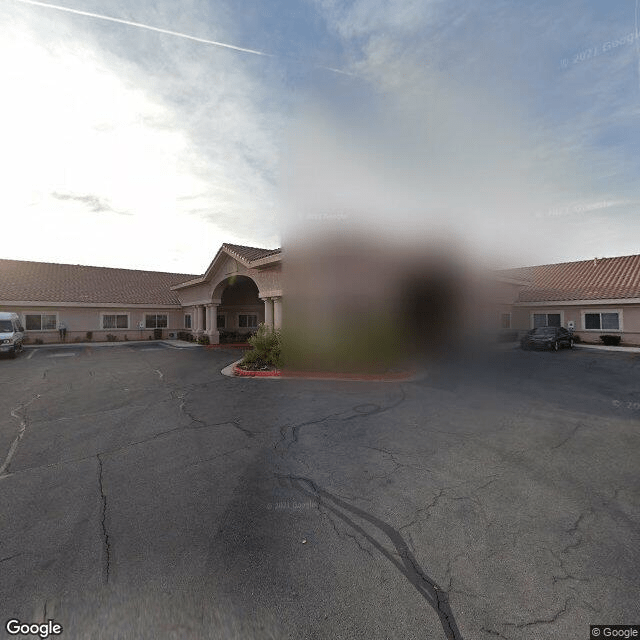
Life Care Center of Paradise Valley in Las Vegas, NV is an assisted living community that provides a comfortable and supportive environment for seniors. With a range of amenities and care services, residents can enjoy a fulfilling lifestyle while receiving the assistance they need.

For those seeking spiritual fulfillment, devotional services are available off-site. This allows residents to connect with their faith and participate in meaningful activities that nourish their soul.

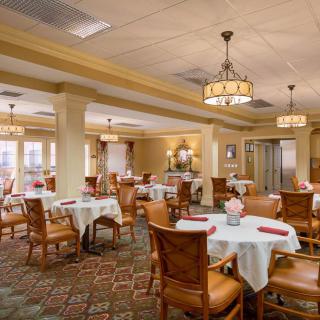
Indoor common areas provide spaces for socialization and relaxation. Residents can gather with friends and family or engage in personal hobbies in these inviting spaces.

The community also offers specialized care for individuals with diabetes. Trained staff members are equipped to provide the necessary support to help residents manage their condition effectively.

To keep residents engaged and active, devotional activities are organized off-site. These activities provide opportunities for residents to explore their interests, connect with others, and experience new adventures outside of the community.

Life Care Center of Paradise Valley benefits from its convenient location as well. With five cafes nearby, residents can easily enjoy a cup of coffee or a meal at a local eatery. Additionally, there are 22 pharmacies nearby for medication needs, four physicians in close proximity for medical consultations, and 46 restaurants offering diverse cuisines. Transportation options are abundant as well, with 23 transportation services available to conveniently take residents wherever they need to go.

Overall, Life Care Center of Paradise Valley provides a warm and welcoming environment where seniors can receive quality care, partake in engaging activities, and enjoy the convenience of nearby amenities.

Nearby Places of Interest

This part of Las Vegas, Nevada offers convenient access to essential services such as pharmacies, restaurants, physicians, transportation options, and cafes. With multiple Walgreens and CVS Pharmacy locations within a few miles radius, seniors can easily fill their prescriptions and manage their healthcare needs. The variety of dining options, including local favorites like Lotus of Siam and Bob's East Side Deli, provide opportunities for socialization and exploring different cuisines. Nearby medical facilities like Comprehensive Cancer Centers of Nevada and Sunrise Hospital offer quality healthcare services. Additionally, the proximity to McCarran International Airport makes travel more accessible for visiting family and friends. Overall, this area provides a well-rounded community with various amenities suitable for seniors considering living in Las Vegas.

Pharmacies

  • Walgreens (0.4 miles)
  • Walgreens (0.8 miles)
  • Walgreens (1.2 miles)
  • CVS Pharmacy (1.6 miles)
  • CVS Pharmacy (1.7 miles)
  • Walmart Pharmacy (1.9 miles)
  • CVS Pharmacy (2.5 miles)

Restaurants

  • The Garage (0.9 miles)
  • Las Vegas Eagle (1.2 miles)
  • In-N-Out Burger (1.7 miles)
  • Lotus of Siam (1.7 miles)
  • Bob's East Side Deli (2 miles)
  • PGA Tour Grill (2.3 miles)
  • Shake Shack (2.3 miles)

Physicians

  • Comprehensive Cancer Centers of Nevada (1 miles)
  • Las Vegas Skin and Cancer South Pecos (1.2 miles)
  • Digestive Disease Specialists (1.6 miles)
  • Sunrise Hospital and Medical Center (2 miles)

Transportation

  • International Arrivals (1.6 miles)
  • The Club (1.6 miles)
  • Security Checkpoint (1.7 miles)
  • TSA Checkpoint - Terminal 3 (1.7 miles)
  • Terminal 3 (1.7 miles)
  • Concourse E (1.8 miles)
  • The Centurion Lounge (2 miles)

Cafes

  • The LINQ Hotel & Casino (2.9 miles)
  • Hello Kitty Cafe (3 miles)
  • Starbucks (3.1 miles)
  • Primrose (3.1 miles)
  • Starbucks (3.2 miles)

Frequently Asked Questions

Where is Life Care Center of Paradise Valley?

Nearby Communities

Assisted Living in Nearby Cities

Related Resources

  • is assisted living tax deductibleIs Assisted Living Deductible on Your Taxes? Understanding the Complexities of Assisted Living Expenses and Deductions

    The deductibility of assisted living expenses on taxes hinges on factors like the individual's medical condition and service nature, typically requiring the resident to be "chronically ill" per IRS definitions. Taxpayers may deduct eligible medical expenses related to personal care services but generally not rent unless primarily for medical care, and they should maintain thorough documentation to support claims while considering itemizing versus standard deductions.

  • va benefits for assisted livingAssisted Living Support for Veterans: A Complete and Detailed Overview

    The guide highlights the importance of assisted living facilities for aging veterans needing daily support, discusses unique challenges they face, and outlines available financial assistance from the VA, including the Aid and Attendance program. It emphasizes understanding eligibility criteria and navigating the VA system to access necessary benefits effectively.

  • assisted living vs skilled nursingExploring the Contrasts Between Assisted Living and Skilled Nursing

    The article compares assisted living and skilled nursing facilities, detailing their differing levels of assistance, medical support, cost structures, and day-to-day experiences. It emphasizes that assisted living is for those needing help with daily activities while maintaining independence, whereas skilled nursing facilities provide intensive medical care with 24-hour staff supervision.