
1627 Gabriel Drive, Las Vegas, NV 89119
For more information about senior living options: (866) 208-4318
Overall Review of Cj Homes
Pros
 LO is in a better place now.
- The reviewer receives photos of LO and updates via text messages.
- The team is very communicative, which is a huge plus.
- A male caregiver has been helpful in locating the dog plushie and beanie left behind.
Cons
 The place was dirty and the overall experience was bad.
- Some employees did not have ID cards.
- Errors and mistakes occurred too many times and were not recognized.
- LO was housed in a room that was far too small for one person.
- LO wore a hospital gown for an extended period before changing into clothes.
- LO had a fall that was not reported to the social worker.
- LO had dried feces behind their jeans and dirty nails on Christmas Eve.
- The team’s communication was poor or insufficient.
Review
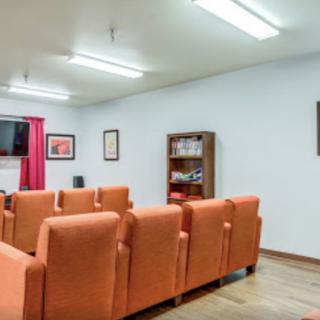
This community is best suited for families seeking a small, home-like environment in Las Vegas where care is personal and cost is more affordable than in larger facilities. CJ Homes operates as a compact group home rather than a conventional licensed assisted-living campus, which translates to more one-on-one attention but less formal staffing depth. Residents tend to share a very modest living space and rely on a lean team to oversee daily needs. For a resident who can thrive on routine oversight, direct caregiver contact, and straightforward tasks handled without a large care bureaucracy, this setting can be workable, provided safety, cleanliness, and communication are actively monitored by family or a trusted advocate.
Families should consider alternatives if a loved one requires robust housekeeping, constant medical oversight, or reliable, documented incident reporting. The reviews reveal persistent concerns about cleanliness, gaps in safety, and inconsistent communication, which become more consequential for residents with memory impairment, high fall risk, or incontinence management. If a priority is predictable daily rhythm, strong infection control, and transparent logs of who did what and when, a larger licensed facility with certified staff and routine external oversight is a safer bet. Those needing wheelchair-accessible care and more structured programming will likely find CJ Homes insufficient.
On the bright side, the most consistent positive note is communication when staff dynamics align, families report getting updates, photos, and responsive messages that reduce anxiety. The intimate, small-home format can enable deeper, more personal interactions, and some caregivers show genuine willingness to help, even in imperfect conditions. Yet these strengths typically fail to counterbalance core problems: dirt and sanitation concerns, a cramped or misallocated room, and real safety lapses such as a fall not properly reported. The absence of clear staff credentials and formal permit verification further undermines trust. In short, care warmth does not compensate for governance gaps and hygiene lapses.
Prospective families should demand concrete assurances and documentation before moving a loved one in. Request current ownership details, licensing status, and the facility’s incident-reporting protocol. Schedule multiple tours at different times, interview frontline caregivers, and review the monthly calendar, maintenance records, and housekeeping schedules. Ask to see a sample incident log and a copy of the most recent state inspection or citation history. Seek references from other families with residents still there and verify whether the new owner has implemented a formal improvement plan with measurable milestones. If possible, set a conditional trial period with explicit expectations and exit options if standards do not improve.
For seniors who require 24/7 nurse oversight, complex medical management, or strong behavioral supports, CJ Homes is not a reliable long-term fit. The reviews point to a mismatch between expectations of a traditional assisted living and what the setting delivers in safety and cleanliness. If the decision is to pursue CJ Homes as a bridge, ensure there is a clear, time-bound improvement roadmap and that the family is prepared to relocate if critical standards are not met within 60 to 90 days.
Overall, CJ Homes presents a cautionary blend of potential for closer, more attentive day-to-day contact and a very real risk of inconsistent safety and hygiene. The strongest takeaways are the signs that communication can improve under new ownership, but that improvement does not automatically fix structural issues in cleanliness, room size, and incident reporting. The prudent choice is to pursue alternatives that offer steady cleanliness, robust safety oversight, and transparent staffing practices, unless a family is prepared to act as an active governance partner, demand milestones, and commit to a defined timeline for measurable improvement.
 12 resident community capacity
 Assisted Living
 Cable or satellite TV
 Dining room
 Fully furnished
 Garden
 Housekeeping services
 Move-in coordination
 Outdoor space
 Telephone
 Wi-Fi/high-speed internet available
 McCarran International (2 miles away)
 24-hour supervision
 Activities of daily living assistance
 Assistance with bathing
 Assistance with dressing
 Assistance with transfers
 Diabetes diet
 Meal preparation and service
 Medication management
 Special dietary restrictions
 Transportation arrangement (medical)
 Transportation to doctors appointments





 Vibrant Senior Living: A Comprehensive Guide for Active Older Adults
 When to Transition from Assisted Living to Memory Care: Key Indicators, Steps, and Finding the Right Community
 Assisted Living and Memory Care: Understanding Their Core Differences