Bella Care Home I

5905 Concert Drive, Las Vegas, NV 89107

For more information about senior living options: (844) 490-3973

3 from 2 reviews
Assisted Living

Bella Care Home I Costs & Pricing

Bella Care Home I offers a private room at a monthly cost of $4,850, which is slightly above the average for Clark County and the state of Nevada. In comparison, the average monthly expense for private rooms in Clark County is $4,758, while across Nevada it stands at $4,628. This positions Bella Care Home I as a competitive option within the regional market, providing its residents with quality care and amenities that may justify the higher price point relative to local and statewide averages. Prospective residents and their families can expect to find a caring environment tailored to individual needs at this facility.

Floor plansBella Care Home IClark CountyNevada
Private$4,850$4,758$4,628

What level of care are you interested in?

Assisted Living

Memory Care

Independent Living

Skilled Nursing Facility

Continuing Care Retirement Community (CCRC)CCRC

Other


Request a tour at Bella Care Home I

    Overall Review of Bella Care Home I

    Pros

    • pro The mother received the best care.
    • pro She was always clean, fed, and given her medicine.
    • pro Leslie and her husband are doing a wonderful job taking care of the residents.
    • pro Bella Estate is highly recommended for good care.

    Cons

    • pro The aunt's clothes were reportedly taken away, leaving her with only a bed and no bedding.
    • pro She has been wearing the same clothing for months.
    • pro There is no one to assist her, and she is left all alone.
    • pro The reviewer warns others not to place loved ones in the facility.

    Review

    Two families share very different pictures of Bella Estate, each rooted in their own lived experience with a loved one under the facility's care. One account arrives as a heartfelt, grateful tribute to the way the place treated a mother during the final months of her life. The other arrives as a vehement warning that, for some residents, the care fell far short of basic expectations. Taken together, they sketch a landscape where experiences at Bella Estate can feel profoundly different depending on who is there and when, prompting reflection on what truly constitutes good care in a setting like this.

    In the first account, the reviewer speaks of six months of residence for their mother, ending with her passing. They describe the care as "the best," a standard so clear and reassuring that it colored every visit. The family member notes that during visits - often two to three times a day - the mother was consistently clean, fed, and given her medications. The reviewer singles out Leslie and her husband as doing a "wonderful job" with the residents, conveying a sense of warmth, reliability, and attentiveness in the daily routines. The overall message is one of gratitude and strong recommendation: if you want good care for your loved one, Bella Estate is a place to consider, at least from this caregiver's perspective.

    The tone of this account is affectionate and confident, imbued with trust in the staff's ability to maintain dignity and well-being for the resident. Cleanliness, nourishment, and medication management are presented as stable, non-negotiable standards that the facility met consistently. The narrator's repeated emphasis on their willingness to recommend Bella Estate underscores a sense of relief and reassurance they felt about the quality of care provided, particularly during a difficult period of loss. The portrait is that of a well-run environment where residents' needs were prioritized, and family members could count on regular, dependable care.

    In sharp contrast stands a second review that lashes out with forceful language about neglect and hurtful gaps in care. The writer declares their aunt's experience at the same facility to be unacceptable, and they urge others not to place loved ones there. The specifics are stark and troubling: the reviewer claims that all of the aunt's clothes were removed, leaving her with nothing but a bed and no bedding, and asserts that she has been wearing the same clothes for months. The description continues with allegations of dirty sheets and a sense that basic comforts and personal dignity were being withheld. Crucially, the reviewer accuses staff of not assisting with the aunt's needs, painting a picture of isolation and neglect - "she's all alone" and there is "no one to even assist her."

    The intensity of this negative account is amplified by the way it is conveyed, with emphatic statements and a clear warning to others. The language - capitalized emphasis and urgent phrasing - reads as a plea for scrutiny and caution. The narrator's insistence that no one should entrust their loved ones to this facility centers on what they view as fundamental lapses in basic care: clothing and bedding management, ongoing assistance, and the presence of attentive support. Taken together, this review paints a scene of neglect that stands in stark opposition to the other family's experience of attentive, consistent care.

    The juxtaposition of these two accounts invites careful consideration about what might account for such divergent experiences within the same facility. It is possible that differences across shifts, staff availability, or even specific units or wings within the building could lead to uneven levels of attention and quality of care. It might also reflect the unpredictable nature of caregiving settings, where individual staff members and daily realities can dramatically shape a resident's day-to-day environment. While one family felt confident in the care their loved one received, another family experienced what they interpreted as systemic shortcomings that left an elderly resident vulnerable and isolated.

    For families evaluating long-term care options, these contrasting stories highlight the importance of thorough, ongoing due diligence. If you are considering Bella Estate, it could be prudent to arrange multiple visits at different times of day, speak with the staff about daily routines, and inquire specifically about how personal belongings, clothing, and bedding are managed and monitored. Asking for recent care plans, oversight procedures, and channels for reporting concerns can also help you gauge how responsive the facility is to potential problems. Understanding how staff respond to complaints and how quickly issues are addressed can be as telling as any a tour or a brochure.

    In the end, Bella Estate appears to host experiences that range from deeply positive to deeply troubling. One family's story celebrates reliable, compassionate care under the guidance of dedicated staff, while another family's account raises serious questions about neglect and the absence of basic comforts. These narratives together underscore a broader truth about elder care: the quality of daily life for residents hinges on consistent, attentive staffing, clear policies, and open lines of communication among families, staff, and administration. Prospective residents and their loved ones would do well to seek out multiple perspectives, verify current practices, and stay engaged to ensure that care remains respectful, responsive, and centered on each resident's dignity.

    Features

    Housing

    • 10 resident community capacity 10 resident community capacity

    Types of Care

    • Assisted Living Assisted LivingAssisted living facilities provide crucial support and care for seniors who may need help with daily tasks such as medication management, bathing, and meal preparation. These communities offer a safe and comfortable environment where seniors can maintain their independence while receiving the assistance they need to thrive in their golden years.

    Amenities

    • Cable or satellite TV Cable or satellite TVCable or satellite TV is important for seniors because it provides entertainment, news, and companionship, helping to combat loneliness and boredom. It also offers a wide range of programming options tailored to different interests and preferences.
    • Dining room Dining roomDining rooms are important for seniors as they provide a space for socialization, connection, and nutritious meals. They offer opportunities for residents to bond over shared meals, foster a sense of community, and promote healthy eating habits. Dining rooms also ensure that seniors have access to well-balanced meals tailored to their dietary needs and preferences.
    • Fully furnished Fully furnishedFully furnished senior living communities are important for seniors because they provide convenience, comfort, and a hassle-free moving experience. Seniors can easily settle into their new living space without the stress of having to buy and move furniture. This allows them to focus on enjoying their new home and community.
    • Garden GardenGardens are important for seniors as they provide a peaceful and therapeutic environment for relaxation, physical activity, and socialization. Being in nature has been shown to reduce stress, improve mood, and promote overall well-being. Gardens also offer opportunities for seniors to engage in gardening activities, which can improve mobility, flexibility, and cognitive function. Additionally, gardens create a sense of community and connection with others who share a passion for plants and outdoor spaces.
    • Housekeeping services Housekeeping servicesHousekeeping services are important for seniors because they help maintain a clean and safe living environment, promote independence, and reduce the risk of accidents or illnesses. Additionally, having assistance with household chores can alleviate physical strain and allow seniors to focus on other aspects of their well-being.
    • Move-in coordination Move-in coordinationMove-in coordination is important for seniors because it helps ease the transition into their new living environment. It ensures that all logistics, such as packing, organizing movers, and setting up utilities are taken care of, allowing seniors to focus on settling in and adjusting to their new home. Having a smooth move-in process can alleviate stress and anxiety, making the transition smoother and more enjoyable for seniors.
    • Outdoor space Outdoor spaceOutdoor spaces are important for seniors as they provide opportunities for physical activity, social interaction, exposure to natural light and fresh air, and a sense of connection to nature. Having access to outdoor spaces can improve overall well-being and quality of life for older adults living in senior communities.
    • Telephone TelephoneTelephones are important for seniors as they provide a lifeline for communication with loved ones, emergency services, and healthcare providers. They offer a sense of security and independence, enabling seniors to stay connected and access assistance when needed.
    • Wi-Fi/high-speed internet available Wi-Fi/high-speed internet availableWi-Fi/high-speed internet is important for seniors to stay connected with loved ones, access online resources, and participate in virtual activities to combat feelings of loneliness and isolation. It also allows them to easily manage healthcare needs, access entertainment, and engage in lifelong learning opportunities.

    Transportation

    • McCarran International (7 miles away) McCarran International (7 miles away)

    Care Services

    • 24-hour supervision 24-hour supervision24-hour supervision is important for seniors to ensure their safety, well-being, and access to immediate assistance in case of emergencies or health issues. This constant support provides peace of mind for both seniors and their loved ones, allowing them to age in place with dignity and security.
    • Activities of daily living assistance Activities of daily living assistanceActivities of daily living assistance are important for seniors because they provide essential support with tasks such as eating, bathing, dressing, and mobility. This assistance helps seniors maintain their independence, dignity, and overall quality of life as they age.
    • Assistance with bathing Assistance with bathingAssistance with bathing is crucial for seniors as it helps maintain personal hygiene, prevents infections, and ensures their overall well-being and comfort. It also provides a sense of dignity and independence for seniors who may struggle with this task on their own.
    • Assistance with dressing Assistance with dressingAssistance with dressing is important for seniors because it helps maintain their independence, promotes personal hygiene, prevents accidents and injuries, and improves overall quality of life. This service ensures that seniors can continue to dress comfortably and confidently, despite any physical limitations they may have.
    • Assistance with transfers Assistance with transfersAssistance with transfers is crucial for seniors as it helps prevent falls and injuries, maintains their independence, and ensures they can safely navigate their living environment. It also provides peace of mind for both seniors and their loved ones.
    • Coordination with health care providers Coordination with health care providersCoordination with health care providers is crucial for seniors to ensure proper medical care, medication management, and overall well-being. This collaboration helps prevent overlapping treatments, track progress more effectively, and provide comprehensive support tailored to individual needs.
    • Diabetes diet Diabetes dietA diabetes diet is crucial for seniors as it helps manage blood sugar levels, reduce risks of complications, and improve overall health and well-being. By following a balanced and nutritious diet tailored to their specific needs, seniors can better control their diabetes and enhance their quality of life.
    • Meal preparation and service Meal preparation and serviceMeal preparation and service are crucial for seniors as they may have limited mobility or energy to cook nutritious meals. Having access to healthy and convenient food options can ensure they are getting the proper nutrition needed to maintain their overall health and well-being.
    • Medication management Medication managementMedication management is crucial for seniors to ensure they are taking the right medications at the correct dosages and times. This helps prevent adverse drug interactions, reduces the risk of medication errors, and promotes overall health and well-being. Proactive management also allows for adjustments as needed based on changing health conditions or new prescriptions.
    • Special dietary restrictions Special dietary restrictionsSpecial dietary restrictions are important for seniors because age-related changes in metabolism and health conditions can make it difficult for their bodies to process certain foods. By following a diet tailored to their specific needs, seniors can maintain their overall health and well-being, manage chronic conditions, and reduce the risk of complications such as malnutrition or food interactions with medications.
    • Transportation arrangement (medical) Transportation arrangement (medical)Transportation arrangements for medical purposes are essential for seniors as they may have difficulty driving themselves to appointments or accessing public transportation. Having reliable and safe transportation options ensures that seniors can receive timely medical care and maintain their health and well-being.
    • Transportation to doctors appointments Transportation to doctors appointmentsTransportation to doctors' appointments is crucial for seniors as it ensures they have access to necessary medical care and support for their health needs. Without reliable transportation, seniors may struggle to attend important appointments, leading to potential delays in treatment and health complications. Providing transportation services helps seniors maintain their overall well-being and quality of life.

    Dining

    • Diabetes diet Diabetes dietA diabetes diet is crucial for seniors as it helps manage blood sugar levels, reduce risks of complications, and improve overall health and well-being. By following a balanced and nutritious diet tailored to their specific needs, seniors can better control their diabetes and enhance their quality of life.
    • Special dietary restrictions Special dietary restrictionsSpecial dietary restrictions are important for seniors because age-related changes in metabolism and health conditions can make it difficult for their bodies to process certain foods. By following a diet tailored to their specific needs, seniors can maintain their overall health and well-being, manage chronic conditions, and reduce the risk of complications such as malnutrition or food interactions with medications.

    Activities

    • Community-sponsored activities Community-sponsored activitiesCommunity-sponsored activities are important for seniors as they provide opportunities for social interaction, mental stimulation, and physical activity. These activities can help improve overall well-being, combat loneliness and isolation, and promote a sense of belonging and purpose among older adults.
    • Scheduled daily activities Scheduled daily activitiesScheduled daily activities are important for seniors because they provide structure, socialization, mental stimulation, and physical activity. Engaging in regular activities can improve overall well-being and quality of life for seniors living in a community setting.

    Description

    Bella Care Home I in Las Vegas, NV is a premier assisted living community that offers a wide range of amenities and care services to ensure the comfort and well-being of our residents.

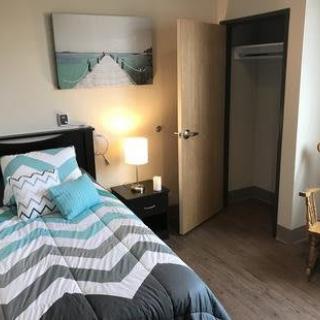
    Our community features a spacious dining room where residents can enjoy delicious meals that cater to their specific dietary restrictions. Each living space is fully furnished, creating a cozy and welcoming environment for our residents. Additionally, there is a beautiful garden and outdoor space where residents can relax and enjoy the fresh air.

    Housekeeping services are provided to maintain cleanliness and tidiness in each resident's living area. We also offer move-in coordination assistance to make the transition into our community as smooth as possible.

    For connectivity and convenience, Bella Care Home I provides telephone service and Wi-Fi/high-speed internet access throughout our community.

    Our dedicated staff is trained to provide assistance with activities of daily living such as bathing, dressing, and transfers. We work closely with health care providers to coordinate any necessary medical care for our residents. Our team also ensures proper medication management for each resident.

    We understand the importance of maintaining a healthy diet, especially for individuals with diabetes or special dietary restrictions. Therefore, we offer diabetes diet options as well as meal preparation and service to meet the unique needs of each resident.

    Transportation plays a vital role in ensuring our residents have access to medical appointments and other important destinations. We arrange transportation for medical appointments, while also providing easy access to nearby cafes, pharmacies, physicians' offices, restaurants, transportation hubs, and hospitals.

    At Bella Care Home I in Las Vegas, NV, we believe that staying engaged and active is crucial for overall well-being. We offer scheduled daily activities tailored to the interests of our residents.

    With numerous amenities and an array of care services available within close proximity to various establishments in the neighborhood, Bella Care Home I provides a comfortable and convenient assisted living experience for seniors in Las Vegas.

    Nearby Places of Interest

    Pharmacies

    • Walgreens (0.8 miles)
    • CVS Pharmacy (0.9 miles)
    • Walmart Pharmacy (1.2 miles)
    • CVS Pharmacy (2.2 miles)
    • Walgreens (2.3 miles)
    • CVS Pharmacy (2.4 miles)
    • Walgreens (2.5 miles)

    Restaurants

    • The Phoenix Bar & Lounge (1.9 miles)
    • Chick-Fil-A (2.6 miles)
    • Wendy's (2.8 miles)
    • The Golden Tiki (3 miles)
    • Sonic Drive-In (3.5 miles)
    • Chick-Fil-A (3.7 miles)
    • The Marketplace (3.7 miles)

    Physicians

    • Longford Medical Building (2.2 miles)
    • Nevada Orthopedic & Spine Center (2.2 miles)
    • Southwest Medical Rancho Urgent Care (2.7 miles)
    • Nevada Spine Clinic (3.3 miles)
    • Las Vegas Radiology (3.5 miles)
    • MountainView Hospital (4 miles)
    • Hope Cancer Care of Nevada (4.5 miles)

    Cafes

    • Dutch Bros Coffee (2.4 miles)
    • Starbucks (3.6 miles)
    • Starbucks (3.9 miles)
    • The LINQ Hotel & Casino (4.2 miles)
    • Primrose (4.7 miles)
    • Hello Kitty Cafe (4.8 miles)

    Hospitals

    • Mountain View Hospital-Labor and Delivery (4 miles)

    Transportation

    • Las Vegas Monorail - Sahara Station (4 miles)
    • Las Vegas Monorail - Harrah's/Quad Station (4.2 miles)
    • ARIA Express Bellagio Station (4.4 miles)

    Frequently Asked Questions

    How much does it cost to live at Bella Care Home I in Las Vegas, NV?
    Where is Bella Care Home I?

    Nearby Communities

    Assisted Living in Nearby Cities

    Related Resources

    • when to move from assisted living to nursing home8 Key Indicators That Suggest It May Be Time to Transition from Assisted Living to Skilled Nursing Care

      The transition from assisted living to skilled nursing care is often prompted by complex medical needs that assisted living cannot meet, with key indicators including frequent health declines, increased falls, severe memory issues, and caregiver burnout. Families should recognize these signs early to discuss options with healthcare providers and prepare for the emotional and logistical aspects of moving to a facility that offers comprehensive medical support.

    • active senior livingVibrant Senior Living: A Comprehensive Guide for Active Older Adults

      Vibrant Senior Living emphasizes active senior living communities that promote independence and engagement through diverse amenities and activities, fostering wellness and social interaction among older adults. These communities range from independent to assisted living, with a focus on personal growth, family involvement, financial planning, and leveraging technology to enhance residents' experiences.

    • when to move from assisted living to memory careWhen to Transition from Assisted Living to Memory Care: Key Indicators, Steps, and Finding the Right Community

      Transitioning from assisted living to memory care is driven by an individual's cognitive decline and specific needs, requiring careful evaluation of indicators like increased confusion and wandering. The process involves consulting medical professionals, researching suitable communities, considering financial and legal aspects, and ensuring effective communication for personalized care plans.


    Get Pricing Ask A Question Schedule A Tour Contact Senior Advisor