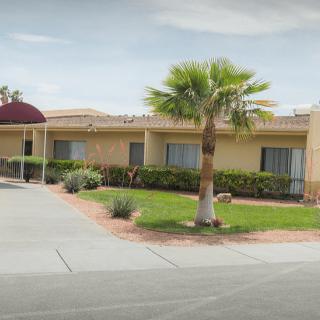
Aloha Paradise Care

1809 Westwind Road, Las Vegas, NV 89146

For more information about senior living options: (844) 490-3973

2.4 from 5 reviews
5 stars
1
4 stars
0
3 stars
1
2 stars
1
1 stars
2

Assisted Living

What level of care are you interested in?

Assisted Living

Memory Care

Independent Living

Skilled Nursing Facility

Continuing Care Retirement Community (CCRC)CCRC

Other


Request a tour at Aloha Paradise Care

    Overall Review of Aloha Paradise Care

    Pros

    • pro They were happy with the care their father-in-law received at Aloha Paradise Care.
    • pro They loved the home environment with staff on site 24 hours a day.
    • pro They were pleased that their godmother was being cared for.
    • pro They appreciated the convenient location close for family visits.
    • pro They described the staff as very attentive and kind to their godmother.
    • pro They were glad they found Aloha Paradise Care.

    Cons

    • pro The owner is rude and extremely combative, reckless and dangerous.
    • pro The owner overmedicates residents, leaving them almost unconscious.
    • pro After moving in, the grandmother could hardly be reached by phone and appeared sedated.
    • pro The living conditions described were neglectful, with the resident found in bed in a sweater and dirty diaper, without blankets, and hair unkempt.
    • pro Personal belongings (phone and photos) were mishandled or hidden away rather than kept with the resident.
    • pro The owner yelled at family members, threatened to call the police, and claimed they were attacking her.
    • pro The facility is dangerous and should be investigated and shut down; contracts are not honored.
    • pro A husband died after six days there, allegedly due to overmedication and aspiration pneumonia, with no refund offered.

    Review

    A collage of experiences about Aloha Paradise Care reveals a strikingly wide spectrum of resident and family perspectives. Some families paint a picture of dangerous neglect and coercive practices, while others speak of compassionate, attentive care in a home-like setting. The narratives share little in common on tone, but each centers on how a loved one is treated, how belongings are handled, and how caregivers respond when concerns are raised.

    One of the most alarming accounts centers on what a family member describes as rude, combative, reckless, and dangerous leadership at the facility. This reviewer alleges that after their grandmother moved in, getting in touch with her became nearly impossible because she was almost always asleep. When visits occurred, the grandmother was found in bed wearing only a sweater and a dirty diaper, with no blankets, and the room allegedly lacked the belongings that had been brought for her comfort. The family claims a phone given to the grandmother by them was found without a SIM card and that no one could explain what happened to it. Photos the family provided disappeared, with the owner allegedly yelling and threatening to call the police when the family member asked about belongings. The grandmother allegedly appeared unwell - placed in a wheelchair and described as almost completely unconscious - leading the family to suspect that she was being overmedicated. The owner allegedly justified the condition as a decline due to dementia and claimed she did not have time for individualized care, a stance that the reviewer says reveals a lack of competence to continue in the profession. The family asserts that the facility kept the grandmother drugged to the point of incapacity and that this treatment, they believe, could have killed her. They urged others to investigate and shut the place down immediately and advised against placing loved ones there.

    The reviewer who shared that highly negative experience also described a confrontation over missing belongings. They say the owner insisted the family sit down and, when they refused, allegedly threatened to call the police and labeled the family as attackers. The missing items - photos not on display and a phone without its SIM card - became symbols of broader concerns about respect for residents' personal property. The family concluded that the place operated in a manner that prioritized expediency over resident well-being, with claims of groggy, non-communicative behavior from the grandmother after the move, followed by a period of "sleep" that the family attributes to overmedication and neglect, rather than to dementia alone. In their view, the combination of coercive behavior, disorganization, and possible overmedication demanded urgent scrutiny.

    By contrast, other reviews tout Aloha Paradise Care in glowing terms, emphasizing a homelike environment with around-the-clock staffing. One account describes four years of positive experiences with a father-in-law who had dementia and did not want a large nursing home. This reviewer highlights that the home setting, the availability of staff around the clock, and attentive care made a meaningful difference. They recount that meals were prepared, showers and daily preparation assistance were provided, and medications were administered as needed, with staff described as attentive and kind. The location is also mentioned as convenient for family visits, a point of reassurance for loved ones who want regular access. This perspective emphasizes the continuity and personal attention that comes from a smaller, home-like facility rather than a larger institutional setting.

    Another favorable account centers on a godmother who moved into Aloha Paradise Care and has remained a resident for almost a year. The reviewer notes improvements in daily living activities and appreciation for practical help - meal support, personal care, and medication management - delivered by a caring staff. They emphasize the sense of security and the ease of visiting and staying connected with their loved one. The general tone of this testimonial is one of gratitude and relief, with the author expressing satisfaction about the quality of care and the staff's responsiveness. The positive elements highlighted include consistent routines, meals, hygiene assistance, and timely medication administration, all contributing to a stable and supportive living environment.

    A third, very somber account recounts a different end result: a husband who lived only six days after placement, with the family paying approximately $5,300. This reviewer attributes the rapid decline and death to the husband being heavily medicated to the point that he was unable to eat, drink, or participate in daily activities, culminating in aspiration pneumonia. The family expresses deep regret and frustration at the lack of opportunity to recover the paid amount, describing the experience as a painful misallocation of resources and trust. This account underscores the potential dangers families associate with overmedication and the devastating consequences they believe can follow from rapid deterioration after placement.

    Taken together, the narratives reveal a stark contrast in experiences at the same facility. Some families describe a culture of overmedication, disorganization, and dismissive responses to concerns, including missing belongings and unprofessional communication. Others share heartfelt endorsements of a small, home-like environment with attentive staff, consistent routines, and accessible family involvement. The divergent stories suggest that individual experiences may vary significantly and that assessments of care quality could hinge on day-to-day interactions, specific staff on shift, and how concerns are addressed by leadership.

    For anyone considering care for a loved one, these accounts highlight the importance of thorough, on-site evaluation and due diligence. Prospective families might benefit from verifying licensing and inspection histories, requesting a transparent meds policy, meeting multiple staff members, observing interactions with residents, and asking for recent care plans and incident logs. Directly discussing concerns about medication management, personal belongings, and response to family inquiries can also help set clear expectations. While some residents appear to thrive in a home-like setting, others report alarming declines, underscoring the critical need for careful, informed decision-making when choosing a care facility.

    Features

    Housing

    • 8 resident community capacity 8 resident community capacity

    Types of Care

    • Assisted Living Assisted LivingAssisted living facilities provide crucial support and care for seniors who may need help with daily tasks such as medication management, bathing, and meal preparation. These communities offer a safe and comfortable environment where seniors can maintain their independence while receiving the assistance they need to thrive in their golden years.

    Amenities

    • Cable or satellite TV Cable or satellite TVCable or satellite TV is important for seniors because it provides entertainment, news, and companionship, helping to combat loneliness and boredom. It also offers a wide range of programming options tailored to different interests and preferences.
    • Dining room Dining roomDining rooms are important for seniors as they provide a space for socialization, connection, and nutritious meals. They offer opportunities for residents to bond over shared meals, foster a sense of community, and promote healthy eating habits. Dining rooms also ensure that seniors have access to well-balanced meals tailored to their dietary needs and preferences.
    • Fully furnished Fully furnishedFully furnished senior living communities are important for seniors because they provide convenience, comfort, and a hassle-free moving experience. Seniors can easily settle into their new living space without the stress of having to buy and move furniture. This allows them to focus on enjoying their new home and community.
    • Garden GardenGardens are important for seniors as they provide a peaceful and therapeutic environment for relaxation, physical activity, and socialization. Being in nature has been shown to reduce stress, improve mood, and promote overall well-being. Gardens also offer opportunities for seniors to engage in gardening activities, which can improve mobility, flexibility, and cognitive function. Additionally, gardens create a sense of community and connection with others who share a passion for plants and outdoor spaces.
    • Housekeeping services Housekeeping servicesHousekeeping services are important for seniors because they help maintain a clean and safe living environment, promote independence, and reduce the risk of accidents or illnesses. Additionally, having assistance with household chores can alleviate physical strain and allow seniors to focus on other aspects of their well-being.
    • Move-in coordination Move-in coordinationMove-in coordination is important for seniors because it helps ease the transition into their new living environment. It ensures that all logistics, such as packing, organizing movers, and setting up utilities are taken care of, allowing seniors to focus on settling in and adjusting to their new home. Having a smooth move-in process can alleviate stress and anxiety, making the transition smoother and more enjoyable for seniors.
    • Outdoor space Outdoor spaceOutdoor spaces are important for seniors as they provide opportunities for physical activity, social interaction, exposure to natural light and fresh air, and a sense of connection to nature. Having access to outdoor spaces can improve overall well-being and quality of life for older adults living in senior communities.
    • Telephone TelephoneTelephones are important for seniors as they provide a lifeline for communication with loved ones, emergency services, and healthcare providers. They offer a sense of security and independence, enabling seniors to stay connected and access assistance when needed.
    • Wi-Fi/high-speed internet available Wi-Fi/high-speed internet availableWi-Fi/high-speed internet is important for seniors to stay connected with loved ones, access online resources, and participate in virtual activities to combat feelings of loneliness and isolation. It also allows them to easily manage healthcare needs, access entertainment, and engage in lifelong learning opportunities.

    Transportation

    • McCarran International (6 miles away) McCarran International (6 miles away)

    Care Services

    • 24-hour supervision 24-hour supervision24-hour supervision is important for seniors to ensure their safety, well-being, and access to immediate assistance in case of emergencies or health issues. This constant support provides peace of mind for both seniors and their loved ones, allowing them to age in place with dignity and security.
    • Activities of daily living assistance Activities of daily living assistanceActivities of daily living assistance are important for seniors because they provide essential support with tasks such as eating, bathing, dressing, and mobility. This assistance helps seniors maintain their independence, dignity, and overall quality of life as they age.
    • Assistance with bathing Assistance with bathingAssistance with bathing is crucial for seniors as it helps maintain personal hygiene, prevents infections, and ensures their overall well-being and comfort. It also provides a sense of dignity and independence for seniors who may struggle with this task on their own.
    • Assistance with dressing Assistance with dressingAssistance with dressing is important for seniors because it helps maintain their independence, promotes personal hygiene, prevents accidents and injuries, and improves overall quality of life. This service ensures that seniors can continue to dress comfortably and confidently, despite any physical limitations they may have.
    • Assistance with transfers Assistance with transfersAssistance with transfers is crucial for seniors as it helps prevent falls and injuries, maintains their independence, and ensures they can safely navigate their living environment. It also provides peace of mind for both seniors and their loved ones.
    • Coordination with health care providers Coordination with health care providersCoordination with health care providers is crucial for seniors to ensure proper medical care, medication management, and overall well-being. This collaboration helps prevent overlapping treatments, track progress more effectively, and provide comprehensive support tailored to individual needs.
    • Diabetes diet Diabetes dietA diabetes diet is crucial for seniors as it helps manage blood sugar levels, reduce risks of complications, and improve overall health and well-being. By following a balanced and nutritious diet tailored to their specific needs, seniors can better control their diabetes and enhance their quality of life.
    • Meal preparation and service Meal preparation and serviceMeal preparation and service are crucial for seniors as they may have limited mobility or energy to cook nutritious meals. Having access to healthy and convenient food options can ensure they are getting the proper nutrition needed to maintain their overall health and well-being.
    • Medication management Medication managementMedication management is crucial for seniors to ensure they are taking the right medications at the correct dosages and times. This helps prevent adverse drug interactions, reduces the risk of medication errors, and promotes overall health and well-being. Proactive management also allows for adjustments as needed based on changing health conditions or new prescriptions.
    • Special dietary restrictions Special dietary restrictionsSpecial dietary restrictions are important for seniors because age-related changes in metabolism and health conditions can make it difficult for their bodies to process certain foods. By following a diet tailored to their specific needs, seniors can maintain their overall health and well-being, manage chronic conditions, and reduce the risk of complications such as malnutrition or food interactions with medications.
    • Transportation arrangement (medical) Transportation arrangement (medical)Transportation arrangements for medical purposes are essential for seniors as they may have difficulty driving themselves to appointments or accessing public transportation. Having reliable and safe transportation options ensures that seniors can receive timely medical care and maintain their health and well-being.
    • Transportation to doctors appointments Transportation to doctors appointmentsTransportation to doctors' appointments is crucial for seniors as it ensures they have access to necessary medical care and support for their health needs. Without reliable transportation, seniors may struggle to attend important appointments, leading to potential delays in treatment and health complications. Providing transportation services helps seniors maintain their overall well-being and quality of life.

    Dining

    • Diabetes diet Diabetes dietA diabetes diet is crucial for seniors as it helps manage blood sugar levels, reduce risks of complications, and improve overall health and well-being. By following a balanced and nutritious diet tailored to their specific needs, seniors can better control their diabetes and enhance their quality of life.
    • Special dietary restrictions Special dietary restrictionsSpecial dietary restrictions are important for seniors because age-related changes in metabolism and health conditions can make it difficult for their bodies to process certain foods. By following a diet tailored to their specific needs, seniors can maintain their overall health and well-being, manage chronic conditions, and reduce the risk of complications such as malnutrition or food interactions with medications.

    Activities

    • Community-sponsored activities Community-sponsored activitiesCommunity-sponsored activities are important for seniors as they provide opportunities for social interaction, mental stimulation, and physical activity. These activities can help improve overall well-being, combat loneliness and isolation, and promote a sense of belonging and purpose among older adults.
    • Scheduled daily activities Scheduled daily activitiesScheduled daily activities are important for seniors because they provide structure, socialization, mental stimulation, and physical activity. Engaging in regular activities can improve overall well-being and quality of life for seniors living in a community setting.

    Description

    Aloha Paradise Care in Las Vegas, NV is an exceptional assisted living community that offers a range of amenities and care services to ensure the comfort and well-being of its residents. The community features a spacious dining room where delicious meals are served, providing a pleasant environment for socializing and enjoying nutritious food.

    All accommodations at Aloha Paradise Care are fully furnished, allowing residents to feel right at home from the moment they move in. The well-maintained garden offers a serene outdoor space for relaxation or taking a leisurely stroll amidst beautiful surroundings. Housekeeping services are provided to ensure cleanliness and tidiness throughout the community.

    The staff at Aloha Paradise Care go above and beyond when it comes to assisting residents with their daily needs. Services such as bathing, dressing, and transfers are available to support individuals with their activities of daily living. The dedicated team also coordinates with healthcare providers to ensure seamless communication and collaboration regarding medical needs.

    For those with specific dietary requirements, the community offers a diabetes diet option as well as special dietary restrictions accommodations. Meal preparation and service are provided to cater to individual preferences and nutritional needs.

    Medication management is an important aspect of care at Aloha Paradise Care, ensuring that residents receive their medications accurately and on schedule. Transportation arrangements for medical appointments are readily available, ensuring that residents have convenient access to necessary healthcare services.

    Residents can enjoy a variety of scheduled daily activities designed to promote social interaction, engagement, and overall well-being. Whether it's participating in group exercises or joining crafts workshops, there is something for everyone's interest and abilities.

    Located conveniently within close proximity to numerous cafes, pharmacies, physicians' offices, restaurants, transportation options, and hospitals; Aloha Paradise Care ensures that essential amenities and services are easily accessible for both residents' convenience and peace of mind.

    Overall, Aloha Paradise Care provides a comfortable living environment where residents receive personalized care assistance while enjoying an array of amenities and engaging activities to enhance their quality of life.

    Nearby Places of Interest

    Pharmacies

    • CVS Pharmacy (0.9 miles)
    • Walgreens (1.1 miles)
    • Walmart Pharmacy (1.1 miles)
    • CVS Pharmacy (1.7 miles)
    • Walgreens (1.7 miles)
    • The Apothecarium - Medical Cannabis Dispensary (2.5 miles)
    • CVS Pharmacy (2.7 miles)

    Restaurants

    • The Phoenix Bar & Lounge (1.3 miles)
    • The Golden Tiki (2.3 miles)
    • Sonic Drive-In (2.7 miles)
    • Chick-Fil-A (2.9 miles)
    • Wendy's (3.1 miles)
    • Pantry (3.1 miles)
    • The Beatles LOVE (3.2 miles)

    Cafes

    • Dutch Bros Coffee (2 miles)
    • Starbucks (3.1 miles)
    • Starbucks (3.3 miles)
    • The LINQ Hotel & Casino (3.5 miles)
    • Primrose (4 miles)
    • Hello Kitty Cafe (4.1 miles)

    Physicians

    • Southwest Medical Rancho Urgent Care (2.6 miles)
    • Longford Medical Building (2.8 miles)
    • Nevada Orthopedic & Spine Center (2.8 miles)
    • Hope Cancer Care of Nevada (3.8 miles)
    • Nevada Spine Clinic (4 miles)
    • Las Vegas Radiology (4.2 miles)
    • MountainView Hospital (4.8 miles)

    Transportation

    • Las Vegas Monorail - Harrah's/Quad Station (3.6 miles)
    • ARIA Express Bellagio Station (3.7 miles)
    • Las Vegas Monorail - Sahara Station (3.7 miles)

    Hospitals

    • Mountain View Hospital-Labor and Delivery (4.8 miles)

    Frequently Asked Questions

    Where is Aloha Paradise Care?

    Nearby Communities

    Assisted Living in Nearby Cities

    Related Resources

    • va benefits for assisted livingAssisted Living Support for Veterans: A Complete and Detailed Overview

      The guide highlights the importance of assisted living facilities for aging veterans needing daily support, discusses unique challenges they face, and outlines available financial assistance from the VA, including the Aid and Attendance program. It emphasizes understanding eligibility criteria and navigating the VA system to access necessary benefits effectively.

    • assisted living vs skilled nursingExploring the Contrasts Between Assisted Living and Skilled Nursing

      The article compares assisted living and skilled nursing facilities, detailing their differing levels of assistance, medical support, cost structures, and day-to-day experiences. It emphasizes that assisted living is for those needing help with daily activities while maintaining independence, whereas skilled nursing facilities provide intensive medical care with 24-hour staff supervision.

    • when to move from assisted living to nursing home8 Key Indicators That Suggest It May Be Time to Transition from Assisted Living to Skilled Nursing Care

      The transition from assisted living to skilled nursing care is often prompted by complex medical needs that assisted living cannot meet, with key indicators including frequent health declines, increased falls, severe memory issues, and caregiver burnout. Families should recognize these signs early to discuss options with healthcare providers and prepare for the emotional and logistical aspects of moving to a facility that offers comprehensive medical support.


    Get Pricing Ask A Question Schedule A Tour Contact Senior Advisor