
478 Pearberry Avenue, Las Vegas, NV 89183
For more information about senior living options: (866) 208-4318
Overall Review of Abington Manor
Pros
 The father-in-law is very happy and has received very good care.
- Brien is very patient as the family navigates the VA system to ensure the father-in-law receives all his benefits.
- Visitors are greeted with smiles from staff and residents.
- The family is confident that the father-in-law is in the best place for him through constant communication and drop-in visits.
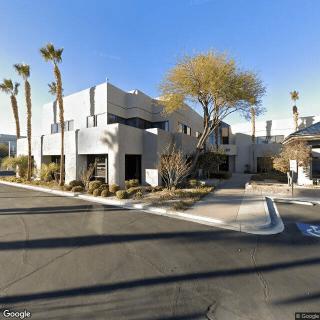
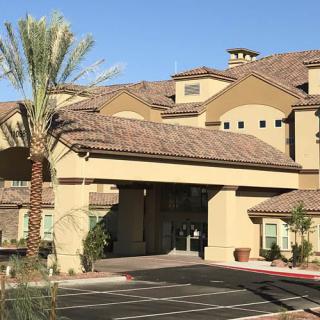
- The home is very nice and in a great neighborhood.
- The staff is very attentive and caring.
- The family member enjoys the food and the amenities and has no worries that she is being taken care of properly.
- Brien and his staff are professional and courteous, and Brien is always available if there is a question.
Review
Abington Manor in Las Vegas is best suited for seniors who want a warm, home-like group-home atmosphere where staff responsiveness and family involvement are the core operating modes. It works well for residents who thrive on regular, personal interaction with caregivers, peace of mind from consistent communication, and a setting that emphasizes everyday living over institutional formality. Families that value hands-on attention, straightforward access to staff, and help navigating benefits, such as VA entitlements, will find this community aligns with their expectations. The environment feels personal, with a strong emphasis on smiles, regular visits, and ongoing dialogue about care needs.
For those weighing alternatives, consider options that provide more expansive medical support, larger campuses, or formal memory-care programs. If 24/7 on-site nursing presence, hospital-grade supervision, or a structured, programmatic approach to advanced dementia are priorities, a bigger assisted-living campus or a dedicated memory-care facility may offer the level of medical oversight and specialized programming that Abington Manor does not profess to deliver. Families facing significant medical complexity or rapid changes in health status should compare nursing-to-resident ratios and on-call coverage across several communities before deciding.
The strongest pro at Abington Manor is the level of personalized attention. The staff, particularly the individual who helps families maneuver the VA system, demonstrates patience, accessibility, and a genuine commitment to making sure residents receive what they need. The ability to reduce bureaucratic friction around benefits translates into tangible peace of mind for families, freeing them to focus on quality time with their loved ones rather than denoting every benefit detail. This proactive, hands-on approach to support is a meaningful offset to the potential downsides of a smaller, non-hospital setting.
Another standout advantage is the consistently positive, welcoming atmosphere. Visitors are met with friendliness, and residents appear engaged and at ease within a community that keeps daily life simple and approachable. The food, amenities, and overall living environment contribute to overall satisfaction and foster a sense of normalcy, an important consideration for seniors who resist the sense of being in a sterile, impersonal facility. For families, this translates into fewer daily worries about morale, activity levels, and social connection.
In the dementia space, Abington Manor demonstrates a practical, respectful approach. The staff’s professionalism and courtesy, combined with open lines of communication, provide visible reassurance to families navigating early-onset dementia care needs. The care team’s availability when questions arise helps preserve continuity of routine and reduces the anxiety that often accompanies memory-impairment scenarios. While the setting may not offer a high-intensity dementia program, the combination of caregiver steadiness, routine-oriented care, and family involvement creates a safer, more predictable daily life for residents.
Ultimately, the decision comes down to fit. Abington Manor is a credible choice for families seeking a small, intimate, home-like environment where care is personalized, communication is constant, and administrative hurdles, like benefits navigation, are actively managed. It serves well for residents who value daily interaction with a consistent, approachable staff and who do not require the scale or specialized clinical infrastructure of larger campuses. For those prioritizing intensive medical supervision or specialized dementia programming, exploring alternatives will be prudent, with an emphasis on staffing models, on-site medical resources, and the scope of memory-care services available.
 6 resident community capacity
 Assisted Living
 Cable or satellite TV
 Dining room
 Fully furnished
 Garden
 Housekeeping services
 Move-in coordination
 Outdoor space
 Telephone
 Wi-Fi/high-speed internet available
 McCarran International (5 miles away)
 24-hour supervision
 Activities of daily living assistance
 Assistance with bathing
 Assistance with dressing
 Assistance with transfers
 Diabetes diet
 Meal preparation and service
 Medication management
 Special dietary restrictions
 Transportation arrangement (medical)
 Transportation to doctors appointments


 Senior Transition Services: Understanding Their Role, Cost, and Importance
 Exploring the Path to Senior Living: A Comprehensive Look at Independent Living and Assisted Living
 Is Assisted Living Deductible on Your Taxes? Understanding the Complexities of Assisted Living Expenses and Deductions