Families describe memory care teams as attentive and comforting.
Several reviews describe especially hands-on support after a move into memory care, including help with transitions and ongoing day-to-day care. Residents and families also mention that staff presence provides comfort and that memory care staff communicate and advocate for residents. In multiple stories, leadership figures tied to memory care are specifically called out as understanding and compassionate, which helped families feel more secure during difficult periods.
common13 reviews mention this
Activities feel built around residents
Residents regularly get social and group activities that feel planned.
Reviews repeatedly return to programming—group exercise, crafts, seasonal events, and celebrations—often with an activity director who residents and families associate with consistent engagement. Families describe attending events in the community and seeing residents involved with parties, live music, and themed gatherings. Even when families talk about quality of life, they frequently connect it to the calendar of activities and the time staff spend coordinating them.
caveat2 reviews mention this
Some families report unprofessional staff
A small number of reviews raise concerns about staff professionalism.
While many reviews are positive, two stand out for negative experiences related to how staff treated others. One review criticizes dismissive or rude behavior toward families, residents, and other staff, and another describes unprofessional rudeness directed at a delivery driver. These accounts contrast with the overwhelmingly positive feedback elsewhere, so it’s worth asking specific questions about communication and day-to-day interactions before committing.
How we summarize
Counts show how many written reviews mention each theme; a review can touch several themes, and only frequently mentioned themes are displayed.
Medicaid coverage for assisted living varies by state and is primarily available to low-income individuals, with eligibility dependent on strict income and asset limits. Some states offer HCBS waivers for specific services in assisted living, but families must generally cover room and board costs, and should verify facility acceptance of Medicaid while considering potential waiting lists.
Medicaid waivers for assisted living services provide vital support for seniors and individuals with disabilities in need of long-term care, with varying state-specific eligibility criteria and benefits. These waivers cover personal care and case management but often do not fully cover room and board, leading to waiting lists for many applicants.
The article examines the complexities of assisted living for individuals with disabilities, emphasizing the need for tailored care solutions that enhance quality of life and social inclusion, while addressing financial challenges and advocating for community integration. It discusses various housing options, the importance of financial assistance through public benefits, and highlights trends towards integrated and technology-driven solutions in disability-focused housing.
Get PricingAsk A QuestionSchedule A TourContact Senior Advisor
By clicking submit, you agree to our Partner's Terms of Use. You
also consent to receive calls and texts, which may be autodialed, from our Partner. Your consent is not a condition to
using our Partner's service. Please visit our Partner's Privacy Policy for information about their privacy practices.



 6 resident community capacity
 Assisted Living
 Cable or satellite TV
 Dining room
 Fully furnished
 Garden
 Housekeeping services
 Move-in coordination
 Outdoor space
 Telephone
 Wi-Fi/high-speed internet available
 Reno Tahoe International (24 miles away)
 24-hour supervision
 Activities of daily living assistance
 Assistance with bathing
 Assistance with dressing
 Assistance with transfers
 Diabetes diet
 Meal preparation and service
 Medication management
 Special dietary restrictions
 Transportation arrangement (medical)
 Transportation to doctors appointments
 Excellent personalized care with a friendly staff and easy access to parks, pharmacies, hospitals, and dining.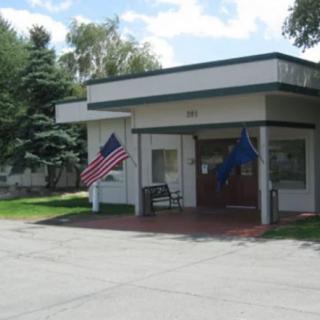






 How and When Medicaid May Cover Assisted Living Costs
 A Detailed Exploration of Assisted Living Medicaid Waivers Across the United States
 Comprehensive Residential Support and Assisted Living Solutions for Individuals with Disabilities