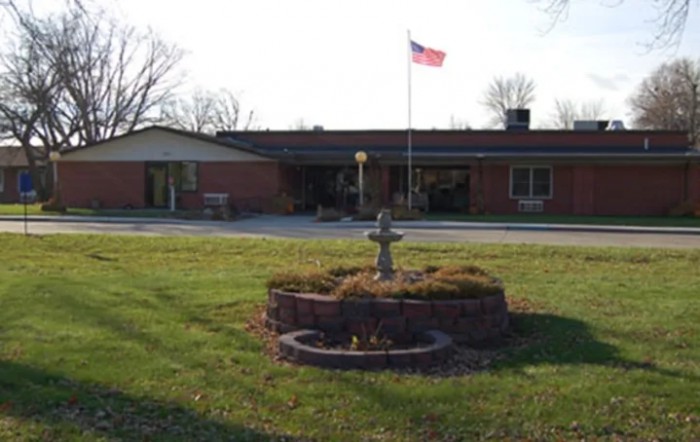
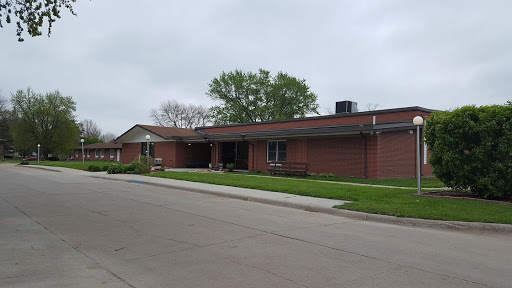

823 M Street, Tekamah, NE 68061
For more information about senior living options: (866) 208-4318
Arbor Care Centers - Tekamah Costs & Pricing
Arbor Care Centers in Tekamah offers competitive pricing for its private room accommodations, with a monthly cost of $3,390. This rate aligns with the average for Burt County, ensuring that residents benefit from both localized care and affordability. In comparison, the broader Nebraska state average for similar private room settings is significantly higher at $4,615 per month. This makes Arbor Care Centers - Tekamah an attractive option for individuals seeking quality care without the financial strain often associated with long-term residential facilities. The center balances a dedication to resident well-being with cost-effectiveness, making it a commendable choice within the region.
| Floor plans | Arbor Care Centers - Tekamah | Burt County | Nebraska |
|---|---|---|---|
| Private | $3,390 | $3,390 | $4,615 |
Skilled Nursing Facilities with a similar price nearby
-
from -$502 / mo
Carter Place
$2,888 to $4,986 / month16.0 miles away -
from +$611 / mo

Westmont Healthcare Community
$4,001 to $5,201 / month23.7 miles away
Overall Review of Arbor Care Centers - Tekamah
Pros
 The facility is nice and well maintained.
 - The facility has friendly residents and friendly staff.
- The staff do everything they can to keep residents safe.
- The rooms are very clean and well cared for.
- The facility tailors activities to residentsā€™ needs.
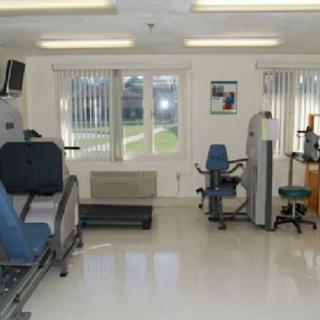
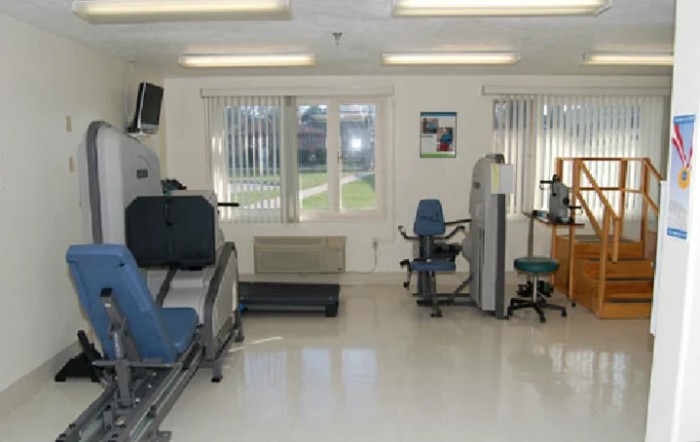
- There is a physical therapist on staff who works daily.
- The facility also has a psychologist who visits monthly.
- The food is excellent and menus are customized.
Cons
 The reviews note a racist mindset in the small town, with residents being falsely accused and not given a chance to share their side.
- They say the staff talk about residents and agencies behind their backs, creating a very hostile environment.
- They claim staff are related and protect each other, compromising accountability and care.
- They allege medical orders and physical therapy were denied, sometimes after days or weeks, due to family involvement.
- They describe dirty conditions and neglect, including withholding glasses and footwear, leading to falls and injuries.
- They criticize the nurses as rude and lacking compassion, with staff not adequately trained to care for the elderly.
Review
Arbor Care Centers - Tekamah is best suited for families seeking a small, home-like setting where rehabilitation and daily living tasks can be managed in a close-knit environment. The campus earns points for a quiet town atmosphere, a compact footprint, and staff who can forge personal relationships with residents. For seniors who prize personal attention, predictable routines, and a sense of belonging, where staff familiarity and neighborly warmth matter as much as clinical minutes, this site can deliver. Its charm lies in the accessible, homelike vibe, where care interactions feel more human than impersonal. That said, the experience is uneven, and important caveats must be weighed before committing.
Families that require rigorous medical oversight, consistent staffing, or a culture that actively eradicates bias should seriously consider alternatives. The reviews reveal troubling patterns: racial bias cited by at least one reviewer, hostile behavior in some shifts, and questions about who makes care decisions when family ties run through the staff. For residents with complex medical needs, stringent therapies, or dementia care requiring highly trained specialists, the variability in care quality makes a safer option desirable elsewhere. The risk is not theoretical here; it shows up in experiences that range from highly positive to alarmingly negative.
On the plus side, several accounts praise clean rooms, friendly residents, and genuine acts of kindness from certain caregivers. Rehab-focused pathways appear to work well for some families, with residents making progress through physical therapy and outpatient services, and meals that receive compliments when menus are tailored to individual preferences. The small-scale environment can translate into quicker responses to requests and a sense of being seen as a person rather than a bed number. In multiple reviews, staff are described as caring, responsive, and appreciative of patient progress, reinforcing the appeal for families seeking reassurance during recovery.
However, the downsides are consistently troubling. Multiple reviewers describe a hostile, insular culture fostered by family connections among staff, with concerns about fairness and the freedom to speak up. Allegations include delayed or denied therapies, limited provision of basic items like glasses or footwear, and mismanagement that led to falls and injuries. Some families report rude behavior and a lack of compassionate communication, particularly around dietary needs. The repetition of these concerns across different accounts makes it hard to dismiss as isolated incidents, signaling real risks in daily operations for residents who depend on reliable care.
Pros such as rehab potential and neighborly rapport do offset some risk where short-term recovery is the goal and oversight remains consistent. But they do not fully counterbalance the gravity of the cons for long-term residency. For residents with cognitive impairment or higher medical needs, the fear of neglected care or delayed interventions can erode trust quickly. The decision hinges on risk tolerance: if families can verify strong supervision, transparent care planning, and steady staffing, the favorable aspects may carry weight. If not, the better path is to look elsewhere where clinical protocols are less dependent on personal relationships and where accountability is clearer.
Families evaluating Arbor Tekamah should plan multiple visits at different times, ask pointed questions about therapy availability, medication management, and safeguarding measures, and request copies of recent survey results. This facility can be a solid fit for those who want a small-town, rehab-friendly setting and are prepared to monitor care closely. It is less suitable for options requiring unwavering medical oversight, consistently compassionate behavior across shifts, and a culture free of nepotism concerns. Weigh the appeal of a homey atmosphere against the potential risk of inconsistent care, and choose with a clear plan for ongoing communication and contingency if needs change.
 44 resident community capacity
 Assisted Living
 Skilled Nursing Facility
 Activities on-site
 Beauty salon
 Cable or satellite TV
 Devotional services off-site
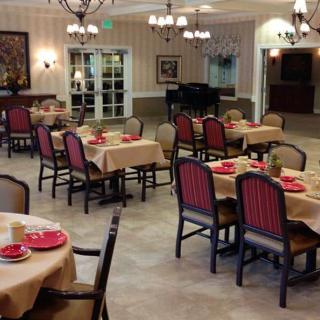
 Dining room
 Fully furnished
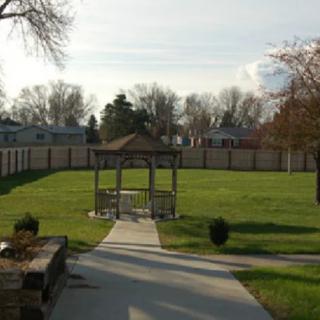
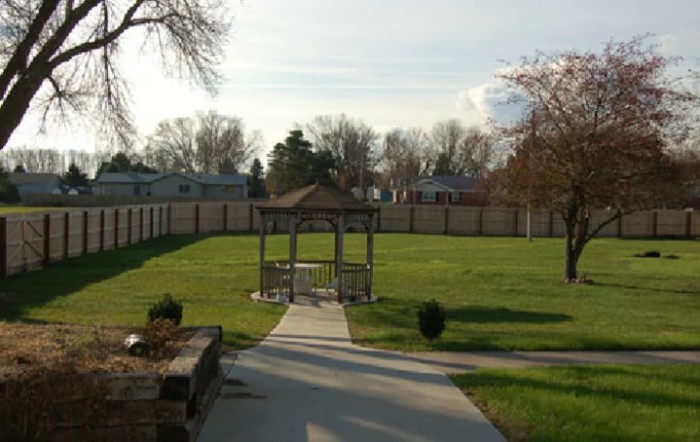
 Garden
 Housekeeping services
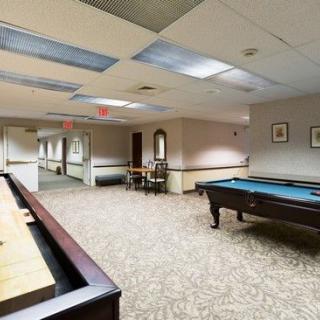
 Indoor common areas
 Kitchenette
 Move-in coordination
 Outdoor space
 Private
 Restaurant-style dining
 Small library
 Telephone
 Wi-Fi/high-speed internet available
 24-hour call system
 Ambulatory care
 Assistance with bathing
 Assistance with dressing
 Assistance with transfers
 Diabetes diet
 Diabetic care
 Medication management
 Mental wellness program
 Special dietary restrictions

 Exploring the Contrasts Between Assisted Living and Skilled Nursing
 8 Key Indicators That Suggest It May Be Time to Transition from Assisted Living to Skilled Nursing Care
 Vibrant Senior Living: A Comprehensive Guide for Active Older Adults