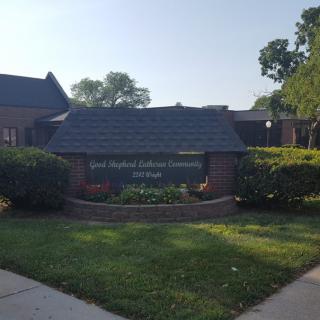

2242 Wright St, Blair, NE 68008
To contact a resident: (402) 426-4663
For more information about senior living options: (866) 208-4318
Overall Review of Good Shepherd Lutheran Home
Pros
 The staff are pleasant, well-trained, and dedicated to personal care.
- They consistently check on residents’ needs and health conditions.
- The staff are knowledgeable about residents, contributing to a reassuring care environment.
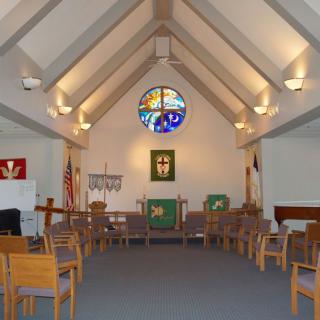
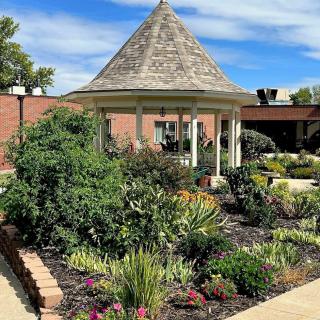
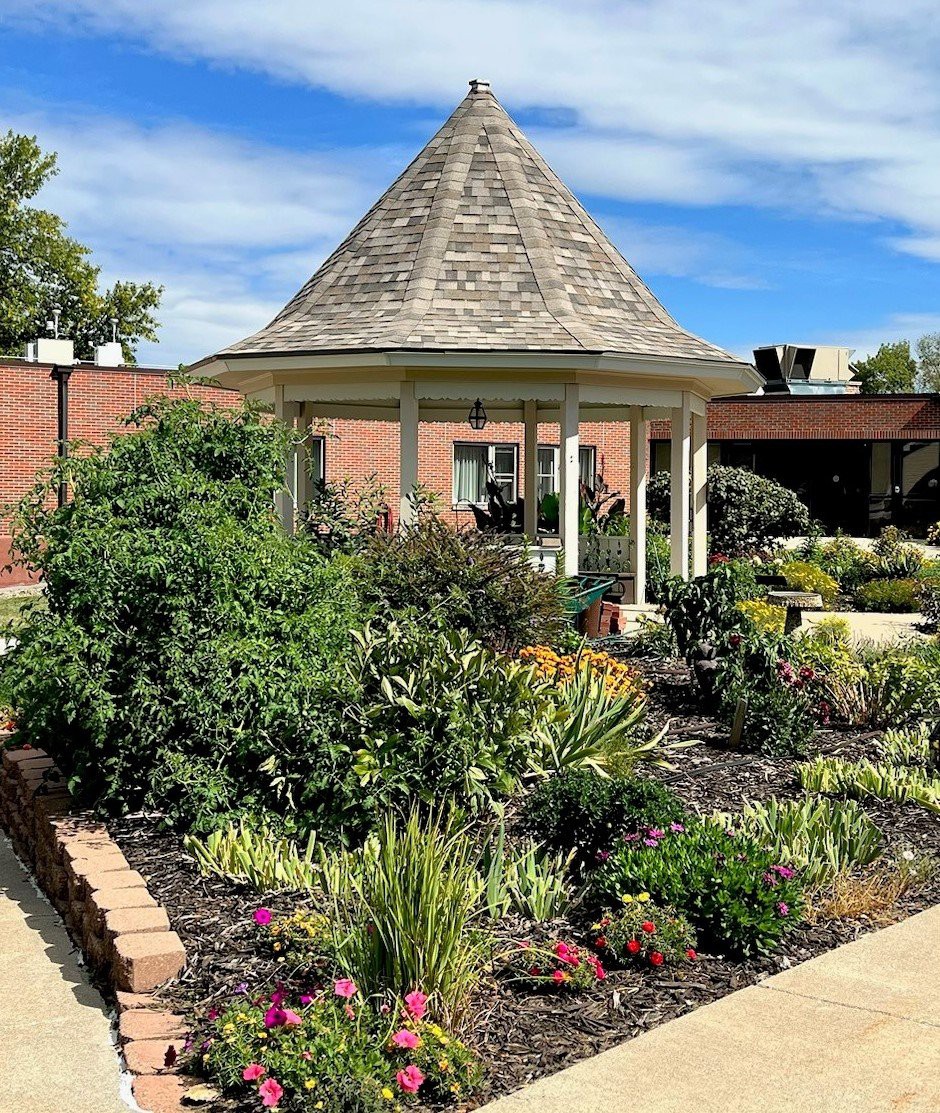
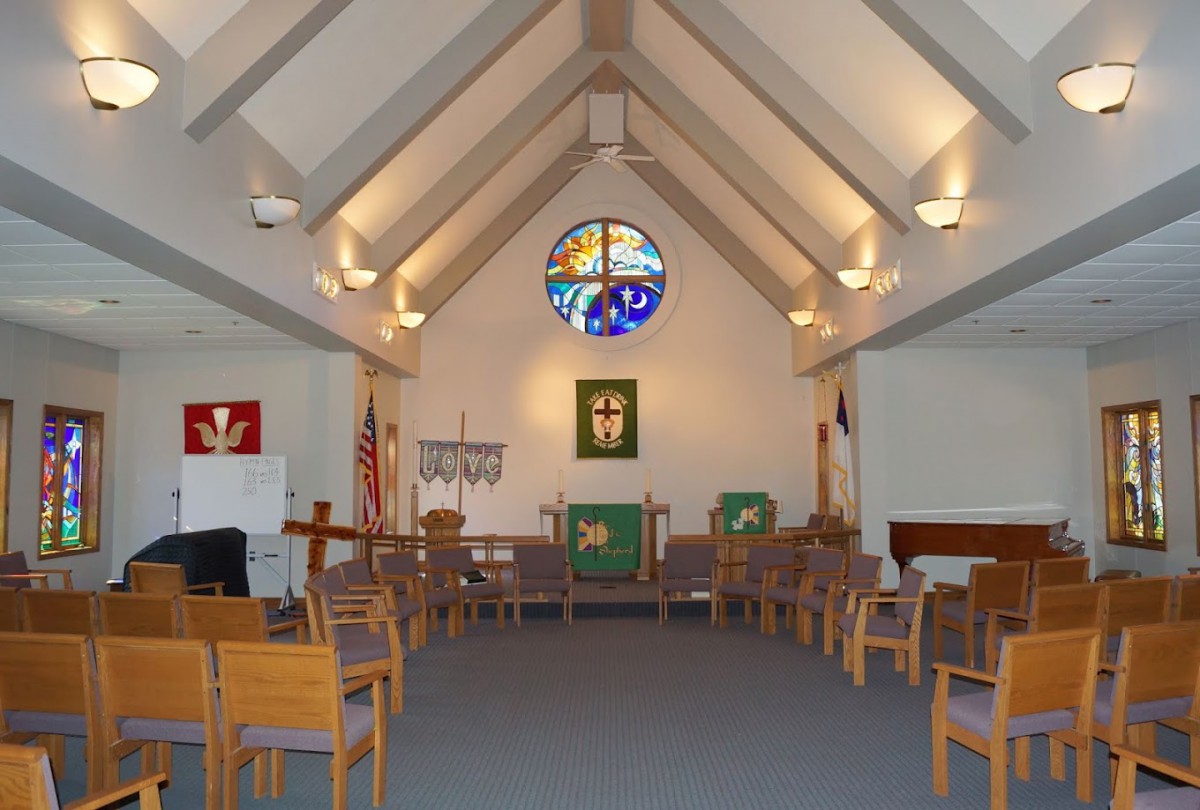
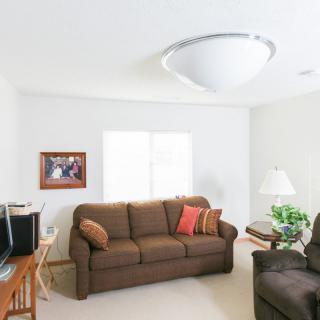
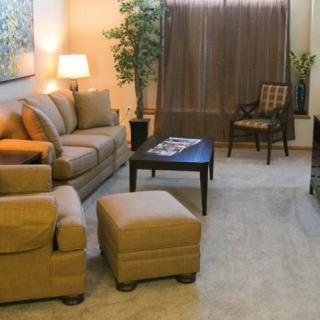
- There is plenty of space for daily activities and the rooms are clean and well maintained.
- The staff are actively involved in residents’ activities, creating a positive atmosphere.
Cons
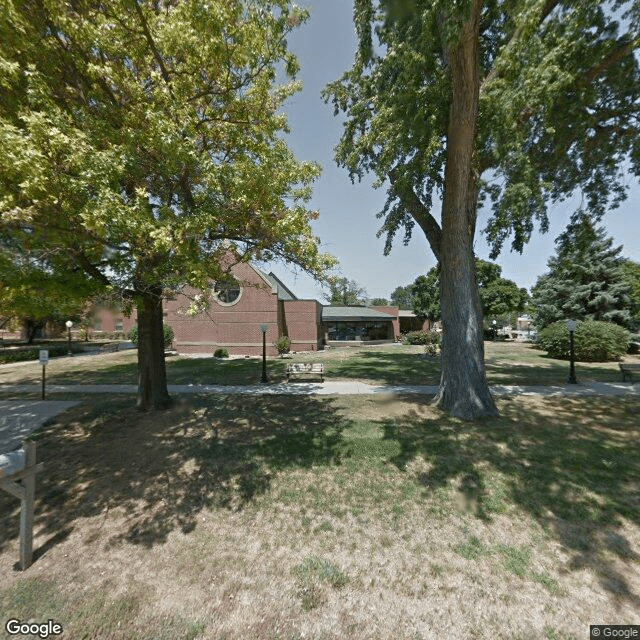
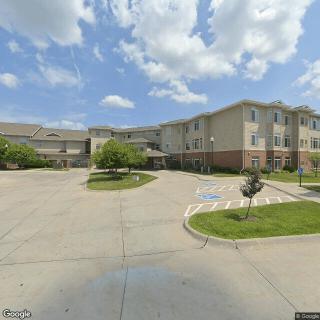
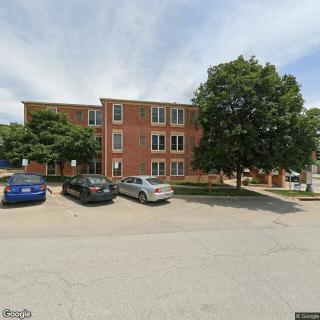
 The Good Shepherd Lutheran Home is an older facility.
- The facility felt a little overcrowded during the visit.
- The rooms were small and offered little space for residents' personal belongings.
- There were few activities observed, with most residents simply sitting and talking.
Review
Good Shepherd Lutheran Home in Blair, Nebraska, is best suited for seniors who value dependable, hands-on caregiving over sleek, modern amenities. The facility is clearly older, and on a visit it can feel crowded, with compact rooms and limited space for personal belongings. Yet the overall impression is of a warm, intimate environment where staff relationships carry real weight. Two reviews present a practical contrast: one observer found the building dated and space-tight, while the other highlighted a well-trained staff and a positive, resident-centered climate. For families prioritizing steady daily care within a familiar, community-minded setting, this home offers a reassuring core.
At the core lie the caregivers: well-trained, experienced, and genuinely focused on personal care. The staff are described as consistently checking on residents, asking who needs help, and staying attuned to a wide range of medical conditions. That level of attentiveness translates into reliable daily routines and a sense of safety for families. The facility remains clean, with decor that feels homelike and rooms kept up, and residents report that staff members are actively involved in activities rather than merely supervising. The administrative team also comes across as pleasant and approachable, reinforcing a collaborative, supportive atmosphere for both residents and families.
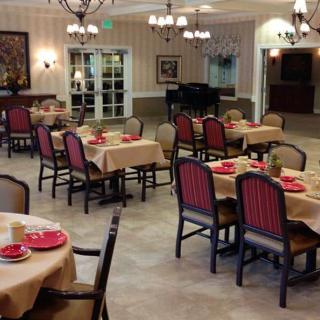
Where the place tests patience is occupancy and space. The older building translates into small bedrooms with limited space for personal effects, and the common areas can feel crowded when activities or meals are happening. One visit noted a lack of visible, structured programming, with residents mostly sitting and talking in the central area. While cleanliness remains solid and the dining area is well-maintained, the limited physical footprint and potential activity gaps create a noticeable tension for families seeking more elbow room and a busier, more varied activity calendar.
Yet the strong caregiving core helps offset the drawbacks. When staff are this knowledgeable and attentive, medical risk is managed proactively, reducing worry for families. A pleasant, resident-focused culture, combined with a clean, navigable layout and a central gathering space, yields daily life that feels orderly and secure. The fact that staff are actively involved in activities, and that caregivers routinely monitor well-being, mitigates some concerns about reduced programming. In practice, care quality and the warmth of interactions often compensate for aging infrastructure, at least for residents who prioritize consistent, personalized attention over upscale space.
For families whose priority is more private space, modern design, or a fuller calendar of activities, alternatives should be considered. The combination of smaller rooms and an older building may not satisfy someone who needs larger private suites or a bustling program with diverse outings. Those aiming for more visible, structured activity options on a day-to-day basis, or a newer facility with more contemporary amenities, will likely find other options more aligned with expectations. Still, if the priority is dependable care delivered with genuine kindness, Good Shepherd remains a compelling option within Blair.
Decision-making should center on the resident’s priorities: reliable, observant caregiving and a warm, familiar environment win here, while space and program breadth are the trade-offs. Good Shepherd is a solid match for seniors who value staff relationships, consistency, and a calm, home-like setting. For those who cannot compromise on room size or a robust activity calendar, exploring other communities is prudent. Visits should probe room dimensions, current occupancy, and the depth of activity programming; speak with several staff members and residents to gauge how care translates into daily life, and assess whether the long-term balance of comfort, safety, and social engagement aligns with the family’s goals.
 Day Program
 Eppley Airfield (22 miles away)
 Compassionate Conversations: How to Comfort Someone Who Is Grieving
 Home Health Care Aides: Understanding Their Role and Supporting Your Family
 Urinary Tract Infections in Older Adults: Comprehensive Insights on Symptoms, Treatment, and Prevention