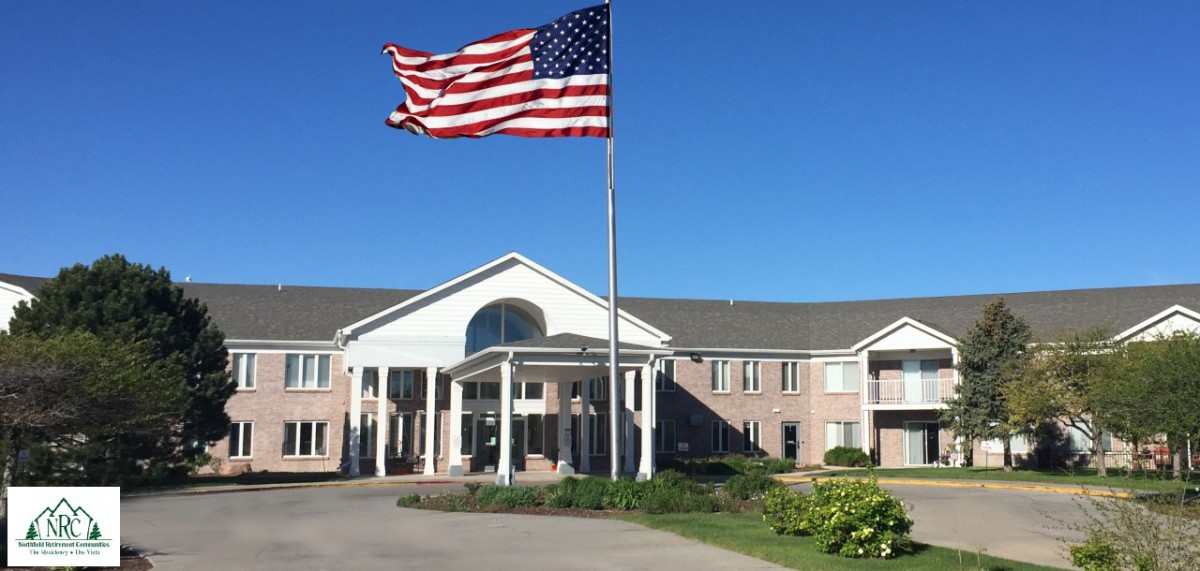

2100 Circle Dr, Scottsbluff, NE 69361
To contact a resident: (308) 632-4342
For more information about senior living options: (866) 208-4318
Overall Review of The Residency
Pros
 Residents love living at The Residency and consider it a wonderful place to call home.
- They quickly make many new friends after moving in.
- They appreciate not shopping, cooking, or cleaning, since meals are provided.
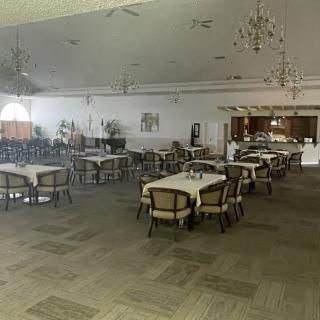
- They enjoy dining in the dining room every evening with new friends.
- They value the social opportunities and diverse activities that keep them engaged.
- The community offers a continuous care program on site, allowing a seamless move from independent living to care if needed.
- The staff are attentive, caring, and dependable, providing excellent support.
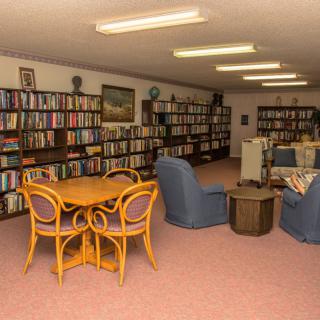
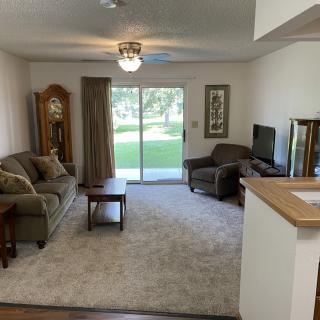
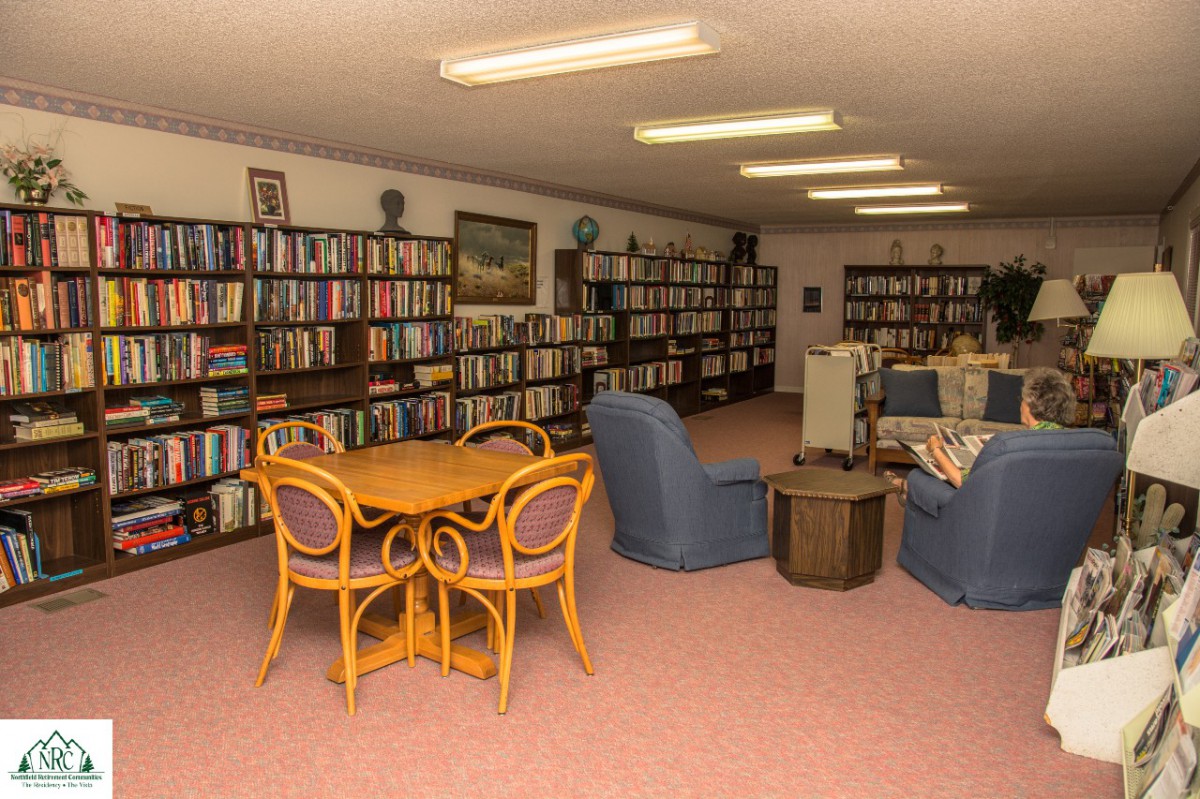
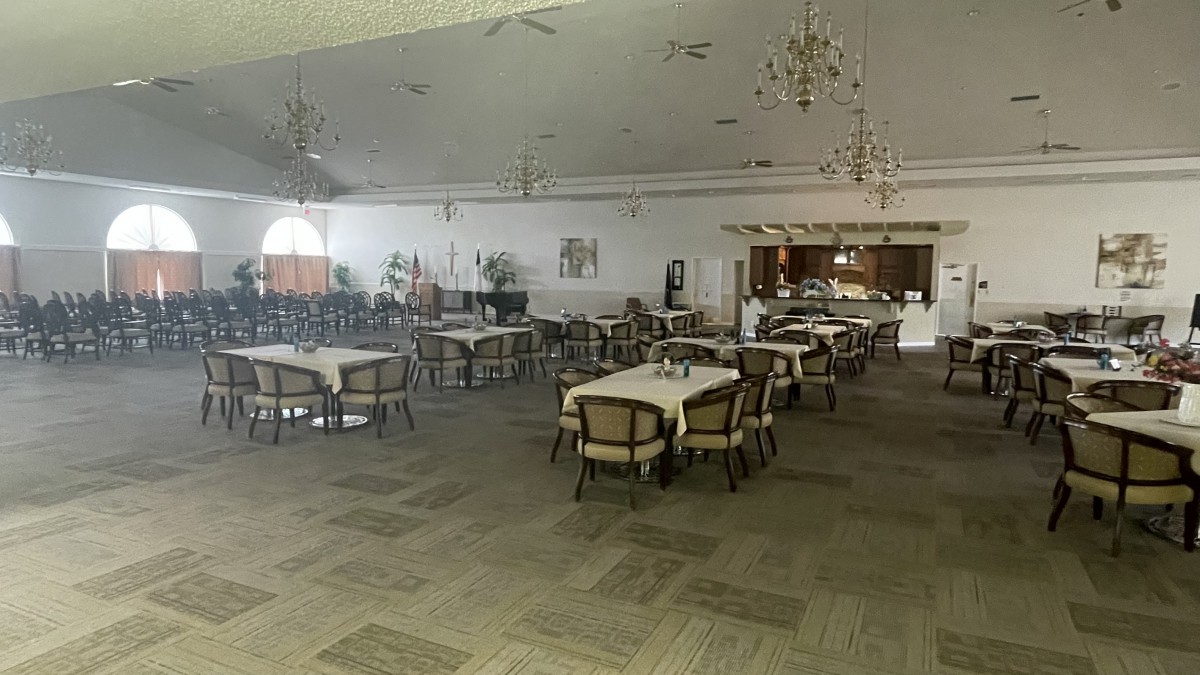
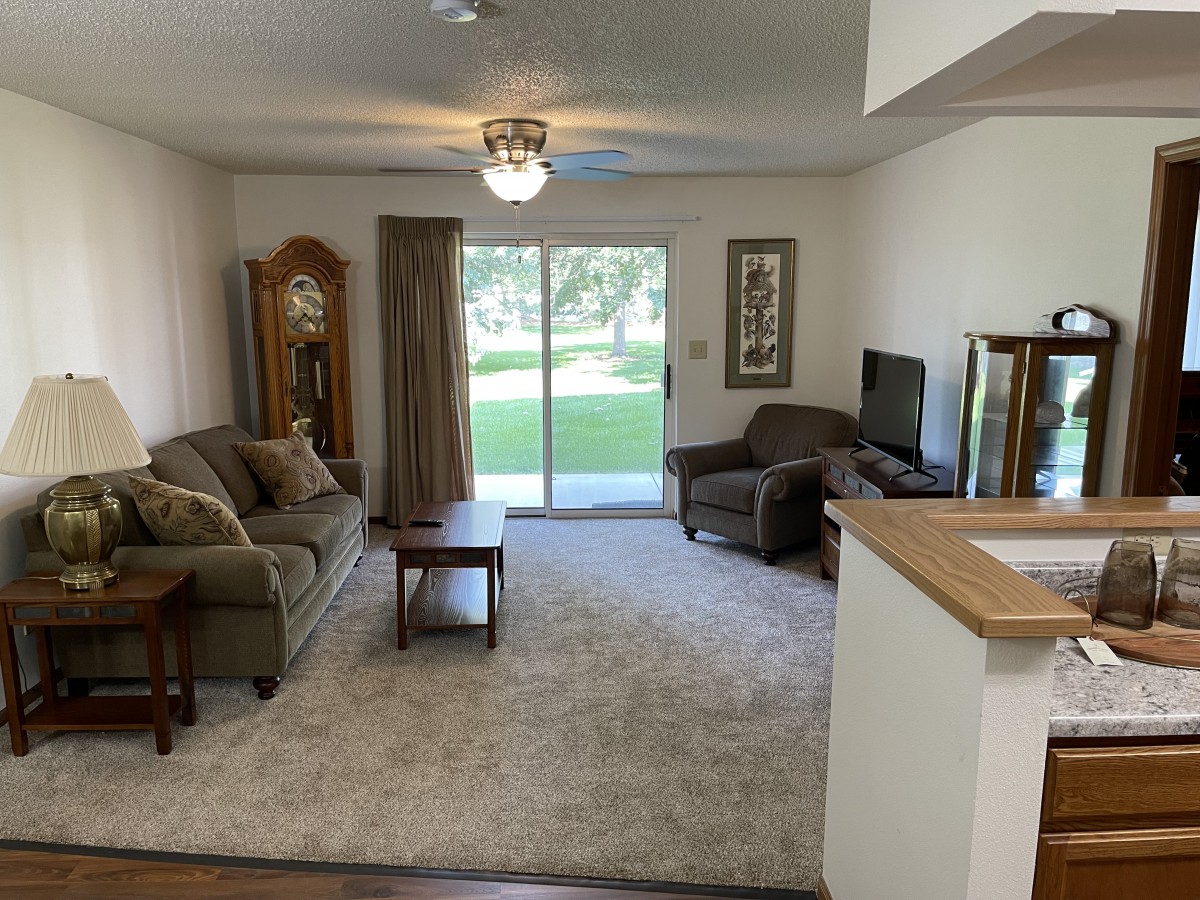
- The facilities are spacious and inviting, featuring a large library, game rooms, and a beautiful dining room, plus options like in-room laundry.
- They can bring small dogs and benefit from on-site amenities and transportation to appointments.
- Residents feel safe, secure, grateful, and often call it the best decision they've made.
Cons
 The place is described as very unprofessional and accused of violating residents' civil rights, including restricting language.
 - They would not recommend it for long-term care.
- The environment is not friendly for staff.
- Some staff members act like they are in high school and start drama, and they treat new residents like garbage.
- The scheduling is disorganized and inefficient, often resulting in understaffing and inadequate resident care.
- There are many downsides noted by reviewers.
Review
The Residency at Northfield on Northfield Campus in Scottsbluff is best suited for seniors who want a lively, socially rich independent living environment with a built-in path to care on the same campus. It appeals especially to couples or partners who want to downsize their living space, let someone else handle meals and housekeeping, and still maintain a broad circle of friends through daily dining, activities, and informal gatherings. It works well for residents who prize ongoing companionship, predictable routines, and the security of a long-range plan that covers independent living, assistance, and skilled care without moving off campus.
Those weighing alternatives should consider the realities of cost and the facility’s staffing climate. For households with strict budget constraints, or for individuals who expect to live independently with no likelihood of needing on-site care, other options can be more economical and simpler to manage. Some reviewers flag concerns about staff culture and scheduling efficiency, and a few describe experiences of unprofessional behavior or tensions with administration. Families who prioritize a pristine, small-team feel or a consistently low-stress work culture may want to compare with smaller communities or non-profit campuses where staffing patterns and supervisory structures feel steadier. Additionally, for anyone seeking a setting focused exclusively on independent living with no consideration of a move to care on-site, it’s worth evaluating stand-alone options rather than a life-care model.
The upside is substantial. Residents repeatedly highlight the strength of the social fabric: dining in a communal setting with rotating companions, making new friends quickly, and enjoying a calendar saturated with exercise classes, library visits, game groups, and chapel services. The dining room becomes a daily centerpiece, with meals described as well-prepared and a reliable way to connect with neighbors. The community also earns points for practical convenience: apartments with kitchen options, the option to have meals delivered or eaten in the dining room, on-site laundry options, and a continuum of care that allows a transition from independent living to assisted living and then to a care center without leaving the campus. The on-site amenities, somatic fitness programs, a bright library, a sizable community space, and even a garden with a farmer’s market concept, contribute to a sense of vitality and belonging that many residents say they could not replicate elsewhere. For many, the emotional and social payoff of this life plan outweighs any downsides.
The main drawbacks surface in two arenas: cost and staffing culture. Move-in and ongoing fees in a life-care environment are not trivial, and several residents acknowledge that the financial commitment is substantial. The payoff, however, is the broad, inclusive care continuum that reduces future upheaval and provides predictable access to care if needs change. On the staffing front, there are persistent reminders that not every frontline team member or administrator meets every guest’s expectations, with some reviews noting understaffing at times and a working climate that can feel tense or disjointed. Such concerns matter most to families seeking a relentlessly smooth daily rhythm and teams that consistently “hit the mark” on care in all shifts; they are real enough to weigh against the consistently praised caregiving in the care center and the steady presence of a supportive resident community.
When the pros and cons are weighed, the strongest offset comes from the life-care construct itself: the security of staying with the same campus as needs evolve, the integrated calendar of activities that anchors social life, and the reassurance that daily meals, housekeeping, and coordinated medical access are not just conveniences but predictable services that reduce the cognitive load of aging at home. The social dividends, friendships, bridges, volunteer opportunities like the garden program, and the sense of being part of a self-contained village, often translate into measurable improvements in well-being and peace of mind for families. If a resident values companionship, convenience, and continuity over a pristine, purely independent lifestyle, The Residency delivers.
In the end, this community is a strong fit for active seniors who want a robust social milieu, ready-made routines, and a clear trajectory from independent living to skilled care without relocating. It is less ideal for those watching every penny, those who require flawlessly consistent staffing, or anyone who insists that long-term care not be part of the equation. Prospective residents should actively tour, talk to current residents about daily rhythms, and probe the specifics of the life-care agreement, including what is included in the monthly costs and how future care levels are managed. With the right expectations, The Residency can feel like a genuine, long-term home, secure, sociable, and purposefully designed for aging in place.
 1-bedroom apartments
 Condos / townhomes
 Assisted Living
 Independent Living
 Skilled Nursing Facility
 Activities on-site
 Beautician on-site
 Cable or satellite TV
 Cafe
Cafe Devotional services off-site
 Dining room
 Full kitchen
 Garden
 Guest parking
 Housekeeping services
 Indoor common areas
 Laundry
 Overnight guests
 Party space
 Wi-Fi/high-speed internet available
 Transportation & parking
 Ambulatory care
 Diabetic care
 High acuity care
 Meals provided
 Arts and crafts
 Book club
 Educational speakers / life long learning
 Fitness programs
 Games
Games Live musical performances


 Exploring the Contrasts Between Assisted Living and Skilled Nursing
 8 Key Indicators That Suggest It May Be Time to Transition from Assisted Living to Skilled Nursing Care
 Vibrant Senior Living: A Comprehensive Guide for Active Older Adults