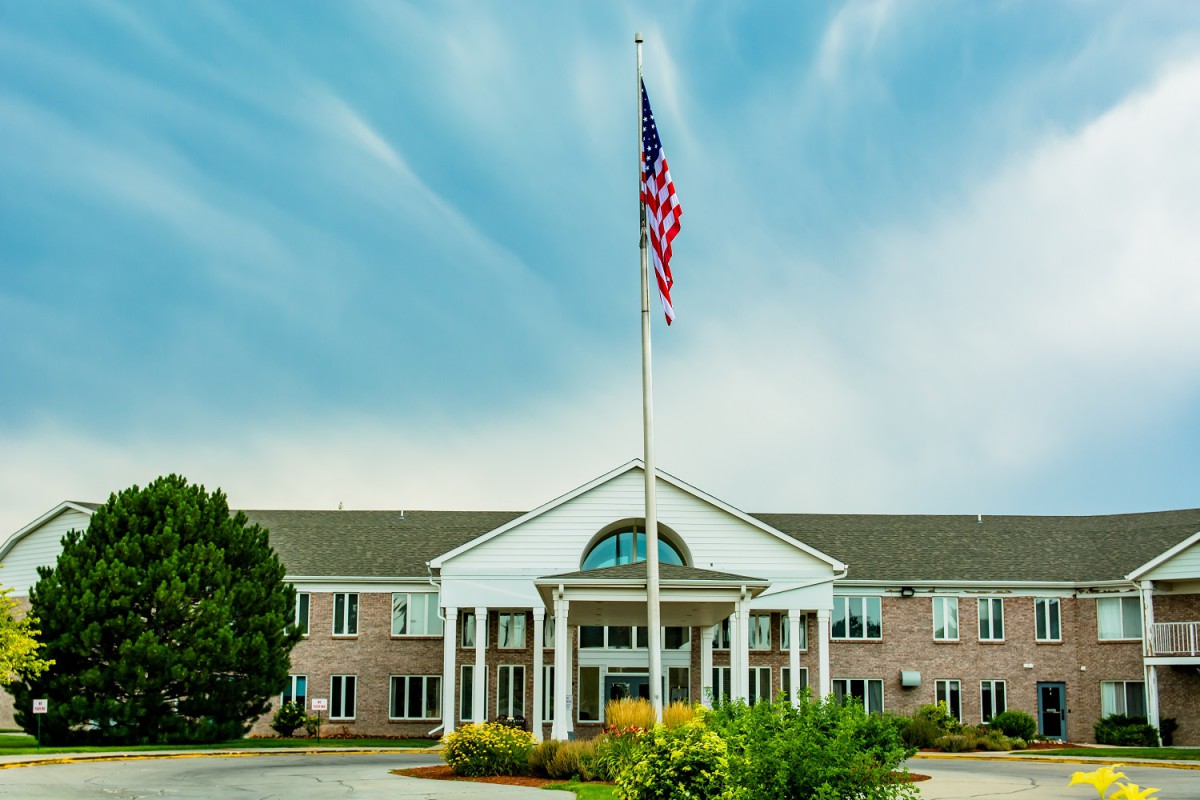
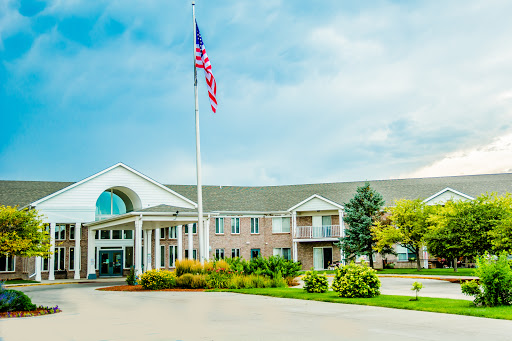
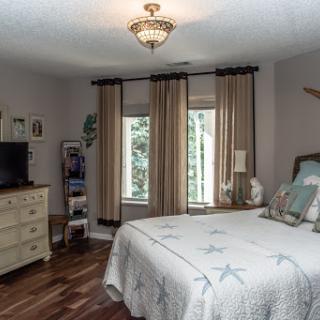
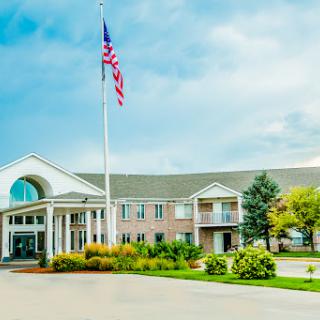
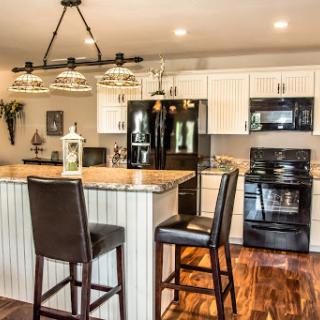
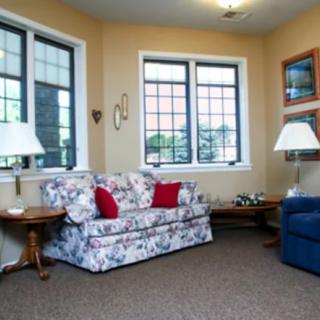
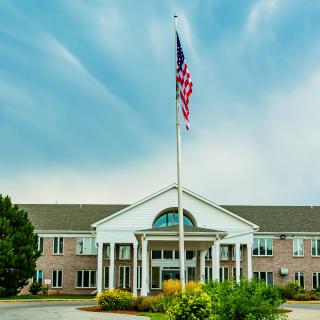
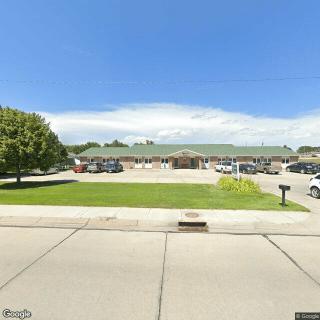
2100 Circle Drive, Scottsbluff, NE 69361
For more information about senior living options: (866) 208-4318
Overall Review of Northfield Retirement Communities
Pros
 They love living at the Residency.
- They quickly made many new friends on moving in.
- They appreciate not shopping, cooking, or cleaning.
- They enjoy dining in the dining room every evening, their favorite part of the day.
- They eat with different people every night and have gotten to know many residents.
- They found moving there to be a great decision, with life easier thanks to meals prepared and no yard work.
- They were able to bring their small dogs.
- They feel cared for by a kind staff and feel safe every day.
Cons
 The facility is described as very unprofessional and accused of violating residents' civil rights by restricting language.
- The bosses are accused of racial profiling and failing to act professionally.
- The workplace is not friendly for staff, with some workers acting immature and drama, and new hires being treated poorly.
- Management scheduling is disorganized and inefficient, leading to understaffing and insufficient resident care.
- Working there was stressful due to understaffing and hindering bonding with residents.
- The reviewer would not recommend the facility for long-term care.
Review
Northfield Retirement Communities in Scottsbluff is best suited for seniors who want a maintenance-free, socially active independent living experience with strong dining and community engagement, and who are comfortable sharing living space with small pets. The Residency model shows up as a bustling social hub: meals in a dining room setting with new faces nightly, built-in social routines, and the freedom from cooking, cleaning, or yard work. For couples or individuals who want to downsize and lean into a ready-made social network, this environment can feel like a positive, life-enhancing move.
Those evaluating alternatives should consider options that prioritize consistently reliable long-term care, particularly if skilled nursing or memory support may eventually be needed. Several reviews flag that the experience can vary by role and shift, with concerns about staffing levels and administrative consistency that can affect dependability of care. For families seeking a steady, predictable caregiving culture or a work environment that translates into consistent resident experiences, Northfield may not be the optimal default, and other communities with stronger track records for staffing stability and administrative coordination should be explored.
On the upside, the core benefits of this community clearly align with what many seniors want: daily meals prepared for them, no housekeeping or yard maintenance to manage, and meaningful opportunities to socialize. The dining culture, sharing tables with different neighbors each night, creates a lively sense of belonging and can dramatically reduce the isolation that often accompanies aging. The option to bring small dogs is also meaningful for residents who prize pet companionship, and the breadth of activities and structured engagement helps sustain cognitive and social vitality for those who participate regularly. Some residents and families describe the care center as welcoming and reassuring when transitions to higher levels of care are necessary.
Yet the main cons temper the sweetness of those advantages. Underscoring the mixed picture are reports of staffing and administrative challenges: scheduling that isn’t consistently organized, understaffing during peak times, and a sense that some departments operate with competing priorities. A few employees describe a difficult work environment, which can translate into uneven resident experiences. While many residents adore the people and the atmosphere, the variability in staffing performance raises legitimate concerns for anyone prioritizing reliability, especially for families navigating future care needs or who may require more hands-on support or supervision.
The offsetting logic is practical: if independence, social immersion, and meal-service convenience are non-negotiables, the positives can outweigh the negatives for a sizable portion of residents. The ability to transition into a care setting if needed, without uprooting from the same campus, offers a degree of continuity that is hard to match. In other words, for those who prize a vibrant social calendar and straightforward daily living, the relationships built with residents and the familiar routines can produce real, tangible quality of life gains. However, the strength of this offset hinges on whether consistent care and staffing stability can be maintained over time; for those with evolving medical or safety needs, the current concerns about long-term care viability must be weighed heavily.
In practical terms, a potential resident should pursue a disciplined site visit with targeted questions. Seek clear answers about current staffing levels, shift coverage, and any recent improvements in scheduling practices. Confirm pet policies and the specifics of dining options and guest meals, and request to speak with several residents about their day-to-day experiences. Consider contrasting this with a read on the care center’s performance for long-term healthcare, some reviews advocate caution there, and use that comparison to judge whether Northfield’s independent living strengths align with long-term care expectations. If social engagement, dining convenience, and a pet-friendly, maintenance-free lifestyle are non-negotiables, this community warrants a strong, structured look. If robust, reliable 24/7 care and administrative predictability are the priority, it is prudent to explore alternatives that demonstrate steadier performance on those fronts.
 22 resident community capacity
 Assisted Living
 Continuing Care Retirement Community (CCRC)
 Independent Living
 Memory Care
 Skilled Nursing Facility
 Beautician on-site
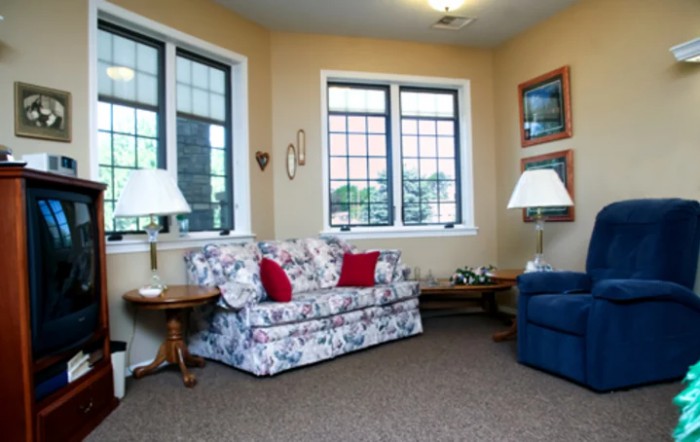
 Cable or satellite TV
 Dining room
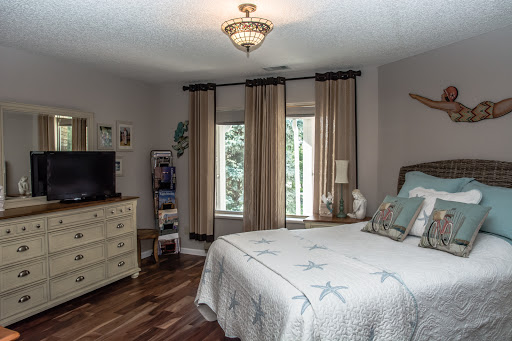
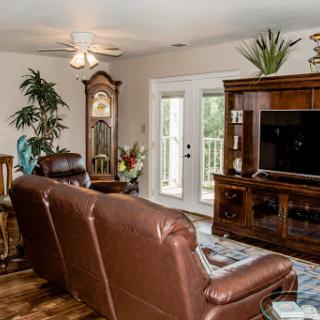
 Fully furnished
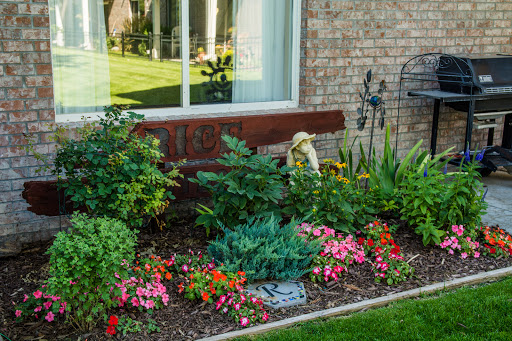
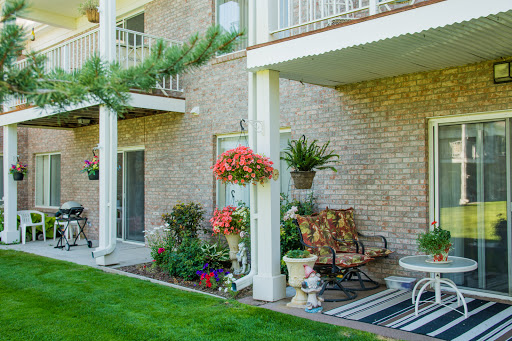
 Garden
 Housekeeping services
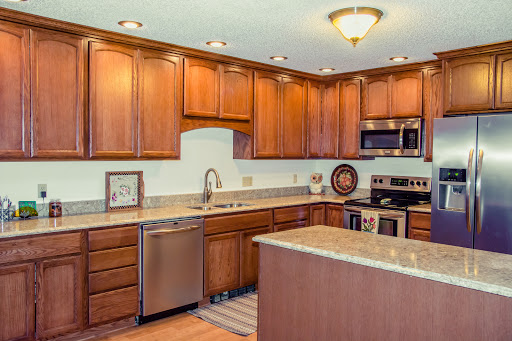
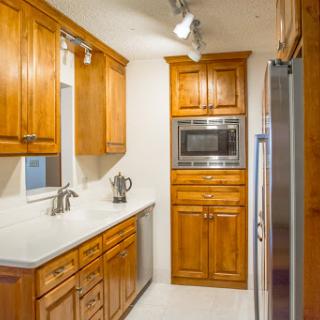
 Kitchenette
 Laundry
 Move-in coordination
 Outdoor space
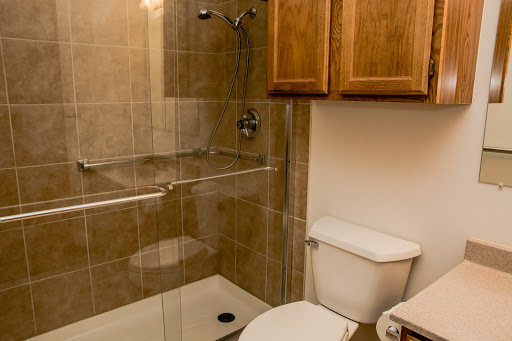
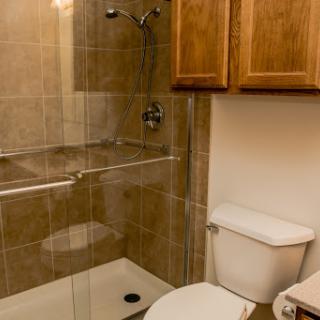
 Private bathrooms
 Wi-Fi/high-speed internet available
 Community operated transportation
 24-hour call system
 Activities of daily living assistance
 Assistance with bathing
 Assistance with dressing
 Assistance with transfers
 Diabetes diet
 Hospice care
 Meal preparation and service
 Medication management
 Physical therapy
 Special dietary restrictions
 Arts and crafts
 Book club
 Fitness programs
 Games
Games Live musical performances
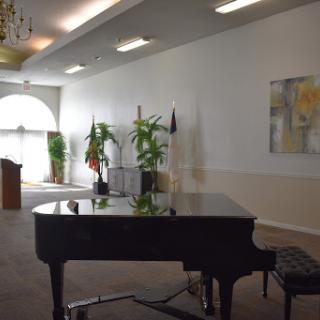
 Religious services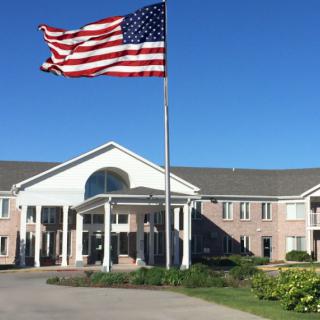
 Dementia, Paranoia, and Caregiver Guidance: Understanding the Connection
 Engaging Memory Care Activities That Enhance Quality of Life
 When to Transition from Assisted Living to Memory Care: Key Indicators, Steps, and Finding the Right Community