Good Samaritan Society- in Omaha, NE
Save
12856 Deauville Dr, Omaha, NE 68137
For more information about senior living options: (844) 490-3973
The Good Samaritan Society in Millard, Omaha is best suited for seniors who need short-term rehabilitation with access to a capable therapy team and who can rely on active family or caregiver involvement. Veterans of care that expect a homey feel and steady, goal-oriented therapy may find value in the recovery-focused environment here. However, for residents who require constant, predictable skilled nursing, complex wound management, or hospice-level end-of-life support with unfaltering staffing, this campus may fall short. Prospective families should plan for ongoing advocacy and careful oversight, especially when long-term care is the objective rather than a temporary rehab stay.
Alternatives should be seriously considered for anyone prioritizing consistent staffing, rigorous safety practices, and reliable response to emergencies. The reviews show repeated concerns about med passes, call-button response, and overall supervision - areas that become critical for dementia care, dehydration prevention, and post-acute recovery. Families weighing options in the Omaha area would be prudent to compare state inspection histories, nurse-to-resident ratios, and the presence of dedicated wound-care and palliative care teams. For those with high needs or a preference for minimally variable daily routines, other facilities may deliver more predictable, higher-quality care.
On the positive side, the Millard campus earns credibility for its rehab credibility: therapy teams are described as effective, knowledgeable, and supportive, with several long-term residents praising the level of care they received during recovery. In several accounts, the environment feels homelike and certain staff members are consistently described as kind and helpful. For families focused on rehabilitation outcomes and a smoother transition back to independence, these elements can meaningfully offset some friction in daily operations, provided the resident's goals align with the rehab program's capabilities.
Yet the list of cons is substantial and cannot be ignored. Across multiple reviews, serious concerns recur: inconsistent med administration, unattended call bells, and perceived neglect that affected basic needs such as bathing, meals, and hydration. The most alarming anecdotes involve bedsores, dehydration, and episodes that required hospitalization, all of which point to gaps in routine care, monitoring, and escalation protocols. Administrative communication is repeatedly cited as a barrier, with complaints that leadership does not engage with families or follow up on serious care gaps. Taken together, these patterns raise red flags for families considering longer stays or higher-acuity needs.
The contrast across campuses within the Good Samaritan network matters. While Millard shows some strong advocacy for care quality and therapy success, other reviews portray a deteriorated experience under management or during peak staffing shortages. This dichotomy suggests that the credibility of care can swing with shift staffing, supervisor oversight, and local culture. Families should not assume uniform quality across locations; the best-performing campus for rehab may still be undermined by weak practices on nights and weekends, or by inconsistent nursing decisions that affect patient safety and dignity.
In practical terms, a decision should hinge on concrete, proactive steps. Arrange in-depth tours focused on rehab-to-discharge pathways, speak with the director of nursing about staffing models, and request to review recent state survey reports and any pending corrective actions. Observe how call lights are answered during peak hours, ask about daily bathing schedules, and verify the plan for pressure sore prevention and hydration management. If hospice or dementia care is the goal, insist on clear routines, specialized staff, and a demonstrated track record of compassionate end-of-life or cognition-focused care. If the facility cannot offer a robust, consistent care plan, the recommendation is to pursue alternatives that deliver steadier supervision, better communication, and demonstrable safeguards for residents' health and dignity.
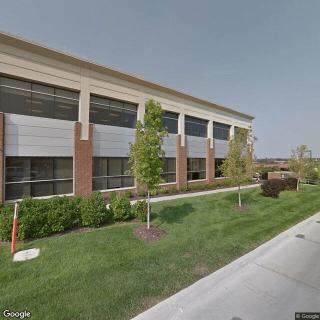
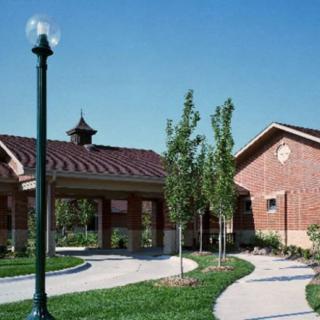
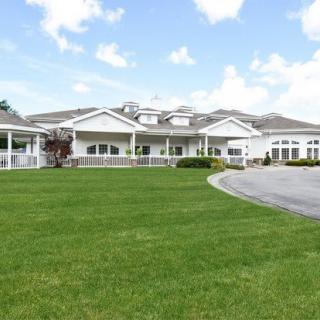
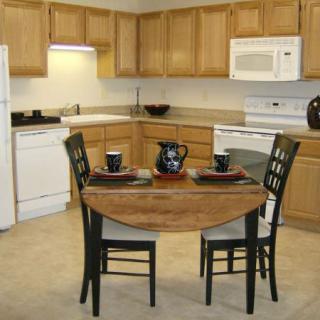
The Good Samaritan Society in Omaha, NE is an exceptional assisted living community providing a range of care services to meet the unique needs of each resident. Situated in a vibrant neighborhood, this community offers both independent living and skilled nursing facilities.
Residents at the Good Samaritan Society can enjoy the convenience of having various amenities right within their reach. Devotional services off-site provide spiritual enrichment, while indoor common areas offer spaces for socializing and engaging with fellow residents. The community also offers specialized diabetic care to ensure the well-being of those with specific medical requirements.
Engaging and fulfilling activities are an essential part of life at this assisted living community. Devotional activities offsite further nurture residents' spiritual growth and enhance their sense of purpose and belonging.
Beyond the confines of the community, residents have easy access to several nearby establishments. Five cafes offer opportunities for socializing or enjoying a cup of coffee with friends or family members. Four parks allow residents to connect with nature and enjoy outdoor recreational activities. With 18 pharmacies nearby, obtaining necessary medications is convenient and hassle-free. Additionally, having 28 physicians in close proximity ensures that prompt medical attention is always available. Residents can explore a variety of culinary options with 39 restaurants nearby where they can savor diverse cuisines. Lastly, having one place of worship nearby caters to residents' religious needs, promoting spiritual well-being. In cases where medical emergencies may arise, there are also five hospitals near the community for added peace of mind.
Overall, the Good Samaritan Society in Omaha, NE provides an enriching and supportive environment for individuals seeking assisted living care. With its array of amenities, care services tailored to individual needs, engaging activities, and convenient access to nearby facilities and establishments, this community aims to foster a fulfilling lifestyle for its residents while ensuring their overall well-being and happiness.
This part of Omaha, Nebraska offers a convenient location with various amenities within close proximity. There are several pharmacies nearby for easy access to medications and health care needs. Additionally, there is a range of dining options including local favorites, fast food chains, and sit-down restaurants. For those who enjoy coffee or baked goods, cafes such as Starbucks and Panera Bread are also readily available. Seniors can enjoy outdoor recreational activities at the nearby parks like Zorinsky Lake Park and Chalco Hills Recreation Area. Access to medical care is easily attainable with hospitals like Boys Town National Research Hospital and Lakeside Hospital in the vicinity. Overall, this area provides a mix of convenience, dining options, and healthcare resources making it a suitable choice for senior living.
Good Samaritan Society- is located at 12856 Deauville Dr, Omaha, NE 68137 in Douglas County, Nebraska
Medicare Coverage for Assisted Living: An In-Depth Exploration

Medicare does not cover assisted living costs, as it focuses on acute medical needs and short-term care, with exceptions for certain medically necessary services like physical therapy. Individuals must explore other options such as Medicaid, veterans' benefits, or long-term care insurance to manage these expenses effectively.
Choosing the Right Senior Care: A Detailed Exploration of Assisted Living and Nursing Homes

Choosing between assisted living and nursing homes involves evaluating emotional and financial factors, with assisted living offering independence and support for daily activities at a lower cost, while nursing homes provide intensive medical care for individuals with significant health needs. The decision is influenced by personal preferences, health status, cognitive function, and varying Medicaid coverage across states.
Understanding the True Cost of Assisted Living in 2025: A Comprehensive Guide
Assisted living in 2025 offers a crucial balance of independence and support for seniors, with costs varying from $2,500 to over $7,000 per month based on factors such as location and care level. Understanding pricing complexities, including regional differences and potential hidden fees, is essential for families to plan financially while ensuring quality care for their loved ones.