
100 Indian Hills Dr, Macy, NE 68039
To contact a resident: (402) 837-5381
For more information about senior living options: (866) 208-4318
Overall Review of Curtis Health Education Ctr
Pros
 The reviewer notes an overall good experience.
- The reviewer highlights quality medical attention.
- The reviewer describes the search as great.
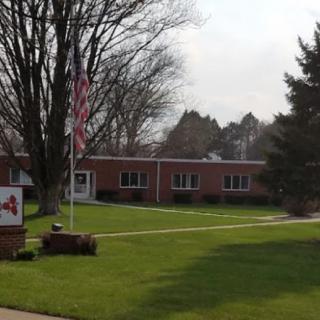
- The facility is described as beautiful.
Cons
 The front entrance is currently under construction.
- Parking is limited.
- Staff doesn’t show up to work.
- Management is highly under-qualified and quite literally inept.
Review
Curtis Health Education Center in Macy is best suited for seniors who prioritize solid medical oversight within a clean, professional setting. The campus conveys competence, and residents can expect attentive medical attention when issues arise. The environment tends toward a clinical, outcome-focused vibe rather than a purely social living atmosphere, which appeals to families seeking reassurance that health needs will be taken seriously and managed with a steady hand. For households where health care is the top priority and a calm, orderly setting matters more than extensive social programming, this center offers a defensible, health-first proposition. Those seeking extensive social activities or a fully turnkey daily routine should weigh that expectation against what the center currently delivers.
Explicitly, those who require flawless staffing reliability and seamless administrative flow should consider alternatives. Reviews flag intermittent staff attendance and questions about leadership, accompanied by miscommunications that erode day-to-day predictability. Front entrance construction and limited parking add practical friction, complicating visits and daily access for residents with mobility concerns. In practice, operational gaps translate into delays and the ongoing need for families to monitor care plans closely. For residents who depend on a consistently responsive desk, rapid follow-through, and a steady cadence to daily life, the risk profile is higher here than at peers with more established governance. Consequently, alternatives with stronger operational stability may suit those with minimal tolerance for such variability.
On the upside, the facility’s aesthetic and its medical attention stand out. A clean, modern environment supports comfort, and clinicians frequently contribute timely assessments and care when needed. As entry points and parking improve with ongoing renovations, friction should ease and the patient experience will become smoother. For health-focused families, these strengths matter: the setting reinforces trust, and the clinical emphasis aligns with ongoing management of chronic conditions and post-acute needs. While not flawless, the combination of appearance and medical capability provides a practical baseline that can deliver real value for residents who place health care at the top of their priorities.
The central drawback is operational reliability. Staffing gaps and governance that feels under-structured create a pattern of inconsistency that erodes daily predictability. Delays, uneven care coordination, and slower response times are tangible costs of under-staffing and administrative weakness. This is not merely an nuisance; it undermines trust in day-to-day life and forces families to supervise care plans more closely. In situations involving complex conditions or emergencies, these issues become material risks. The strength of clinical capability is therefore restrained by execution and leadership. If a resident’s needs demand consistently proactive delivery, the current operation may fall short of expectations.
Yet the favorable elements offset the risks for a particular subset. When health care quality and campus aesthetics are the primary criteria, Curtis Health Education Center presents a defensible value. Anticipated improvements in access as renovations finish should further reduce friction, and ongoing health oversight remains a solid anchor for managing medical needs. Families able to visit regularly, participate in care planning, and coordinate with trusted outside aides can still derive steady value from the program. The bottom line is a trade-off: strong clinical attention and a quality setting can compensate for some instability, provided resident needs align with a health-first, less-structured daily rhythm.
Practical next steps for families evaluating this center are clear. Schedule tours during typical operation hours to observe staffing presence and desk responsiveness, and request current staffing rosters and the latest care plans. Seek a realistic renovation timeline for the entrance and parking improvements, plus a concrete discussion of contingency plans for days with delays. Compare Curtis with nearby communities that emphasize reliability and predictable schedules. The final decision should weigh whether the premium placed on medical attention and campus quality justifies the potential for access friction and staffing variability. For the right resident, this center can deliver solid health support and a credible living environment; for others, a more consistently run community may be the wiser choice.
 Assisted Living
 Activities on-site
 Devotional services off-site
 Indoor common areas
 Sioux Gateway (20 miles away)
 Ambulatory care
 Diabetic care
 Meals provided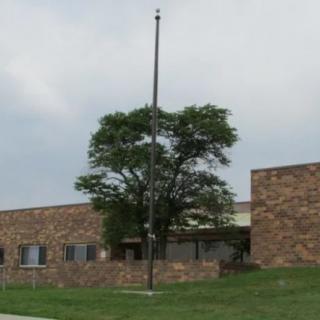



 Choosing the Right Senior Care: A Detailed Exploration of Assisted Living and Nursing Homes
 Understanding the True Cost of Assisted Living in 2025: A Comprehensive Guide
 Understanding Medicaid Coverage for Assisted Living: A Comprehensive Guide