Residents and families describe care that feels attentive and individualized.
Multiple reviewers highlight staff who are caring, respectful, and responsive to changes in a resident’s needs. In the memory setting specifically, reviewers describe staff learning routines and tailoring support, and families say they feel confident leaving a loved one in their care. Even critical feedback points to specific breakdowns in care processes, rather than denying that day-to-day help is a central focus for the community.
common7 reviews mention this
Food comes up repeatedly
Food is a consistent bright spot in day-to-day reviews.
Several reviewers say meals are excellent or fantastic, and they mention enjoying lunch and dinner with their loved ones. Others describe noticeable improvements to dietary offerings over time and say the dining experience is a positive part of the stay. A dining room and overall meal quality are also called out in short visit experiences.
common12 reviews mention this
Activities keep residents engaged
Reviewers frequently mention activities that keep residents busy.
Residents and families describe a steady schedule of entertainment, outings, and resident involvement, with daily options that range from planned activities to more relaxed choices. Memory care reviewers also mention structure and engagement, including music programs and opportunities to go out with family or through community support. Visitors specifically note outings and a bus that takes residents around town.
differentiator7 reviews mention this
Memory care support is individualized
Memory care reviews emphasize individualized routines and support.
Reviewers in the memory unit describe staff getting to know personal habits, likes, and dislikes, and supporting independence as needs change. Families also mention that the memory care environment provides meaningful engagement—such as activities and programs that help residents stay active. A reviewer also notes improved stability in their loved one’s room environment, alongside ongoing compassionate staff support.
How we summarize
Counts show how many written reviews mention each theme; a review can touch several themes, and only frequently mentioned themes are displayed.
Features
Housing
21 resident community capacity
Studio apartments
Types of Care
Assisted Living
Memory Care
Skilled Nursing Facility
Amenities
Beautician on-site
Beauty salon
Cable or satellite TV
Dining room
Financing advice
Full kitchen
Fully furnished
Garden
Guasts at mealtime
Housekeeping services
Kitchenette
Laundry
Move-in coordination
Outdoor space
Overnight guests
Party space
Respite or short term stays offered
Telephone
Wi-Fi/high-speed internet available
Transportation
Transportation & parking
Care Services
24-hour call system
24-hour supervision
Activities of daily living assistance
Assistance with bathing
Assistance with dressing
Assistance with transfers
Coordination with health care providers
Diabetes diet
Meal preparation and service
Medication management
Mental wellness program
Mild cognitive impairment
Special dietary restrictions
Specialized memory care programming
Transportation arrangement (medical)
Transportation to doctors appointments
Dining
Diabetes diet
Special dietary restrictions
Activities
Activities off-site
Community-sponsored activities
Fitness programs
Religious services
Resident-run activities
Scheduled daily activities
Languages Spoken
English
Nearby Places of Interest
Pharmacies
Bert's Rexall Drug (0 miles)
Keith's Drive-In Drug (0.2 miles)
Keith's Pharmacies (0.2 miles)
Village Pharmacy (1.1 miles)
Crosier Park Pharmacy (1.3 miles)
Ron's Pharmacy (17.8 miles)
Restaurants
Imperial Garden Express (0.1 miles)
Murphy's Wagon Wheel (0.1 miles)
Odyssey Downtown (0.1 miles)
Sanchez (0.1 miles)
Special Scoops Ice Cream Parlor (0.1 miles)
First Street Brewing Company (0.2 miles)
Big Dally's Deli (0.9 miles)
Theaters
Rivoli Theatre (0.1 miles)
Rivoli Theatre (0.1 miles)
Places of Worship
First Presbyterian Church (0.3 miles)
Second Presbyterian Church (0.4 miles)
Church of the Nazarene (0.4 miles)
Pentecostal Temple (0.6 miles)
Seventh Day Adventist Church (0.8 miles)
Jehovah's Witnesses (0.9 miles)
Lutheran Church of the Good Shepherd (1 miles)
Physicians
Mary Lanning Home Care Service (0.3 miles)
CHI Health Clinic Heart Institute - Hastings (0.4 miles)
The Kensington At Hastings offers a range of features that cater specifically to the unique needs of residents with dementia or Alzheimer's disease, enhancing their quality of life and promoting independence where possible. Assistance with dressing and bathing addresses personal hygiene, which can be challenging for individuals with memory impairments, while 24-hour supervision ensures safety and immediate support in case of emergencies. Medication management is vital for maintaining health stability, preventing missed doses or incorrect medications. Meal preparation and service provide nutritious options tailored to individual dietary needs, fostering overall wellness. The arrangement for transportation to medical appointments simplifies access to necessary healthcare while coordination with health care providers promotes comprehensive care continuity. Assistance with activities of daily living supports residents in maintaining routine tasks, and specialized memory care programming alongside a mental wellness program engages cognitive functions and encourages social interaction, which can help reduce feelings of isolation often experienced by those with mild cognitive impairment. Together, these features create an environment that recognizes the challenges posed by memory loss while promoting dignity and well-being.
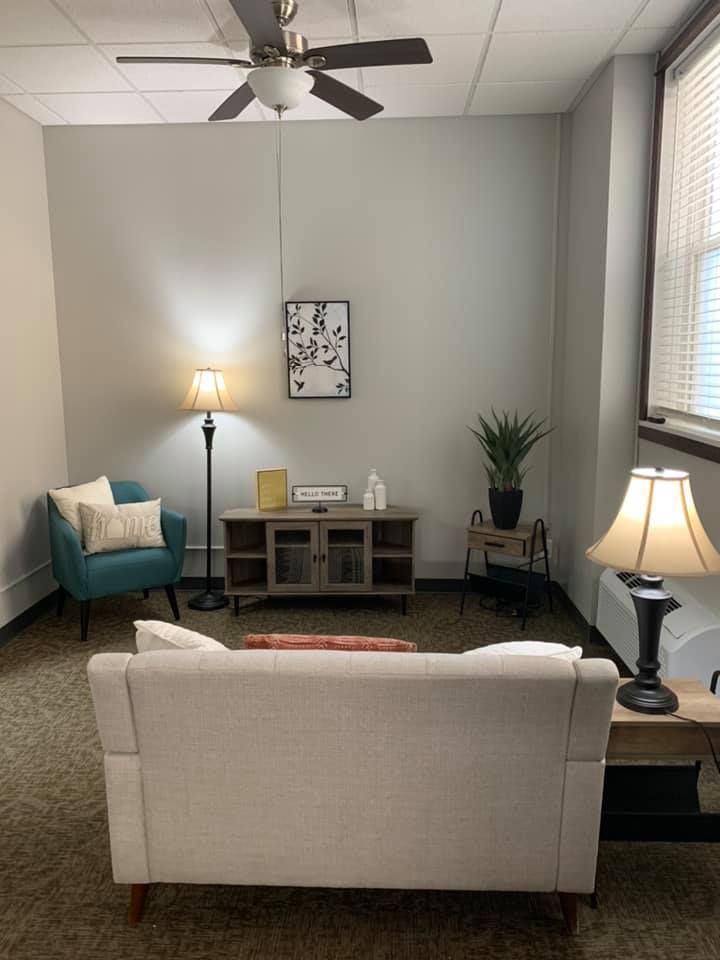
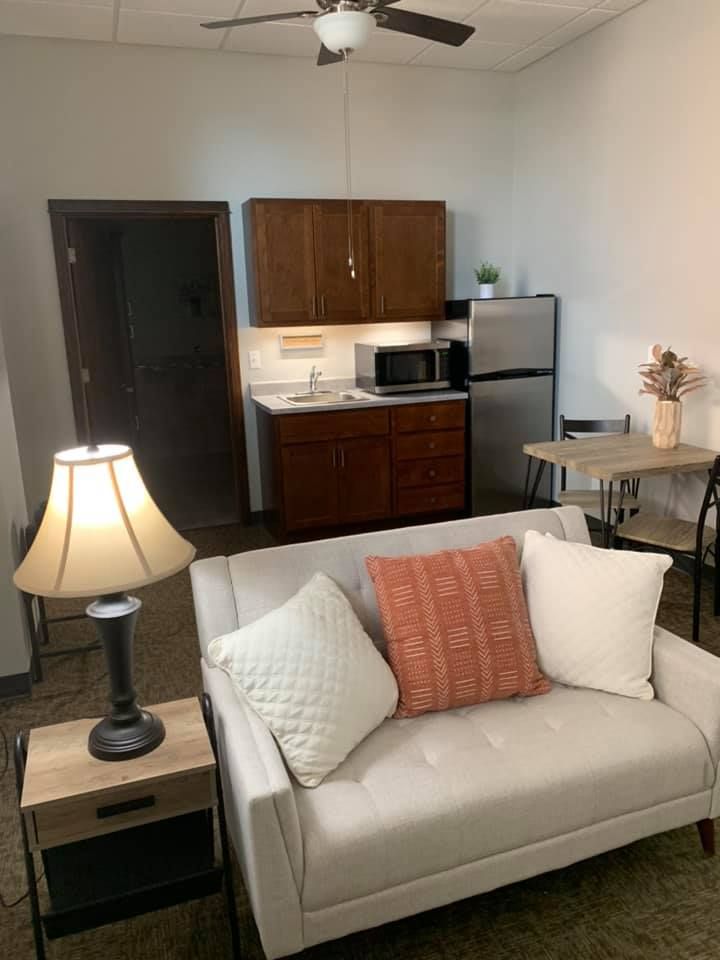
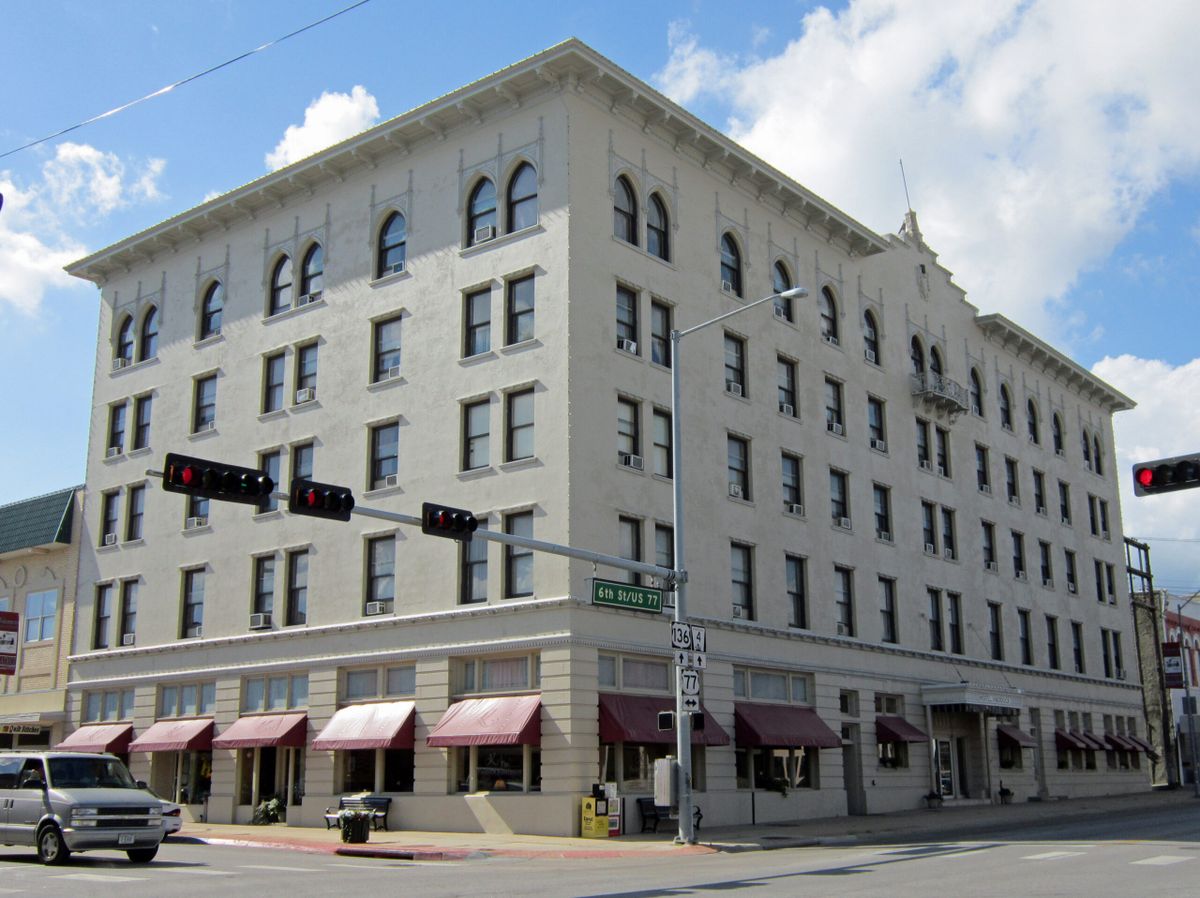
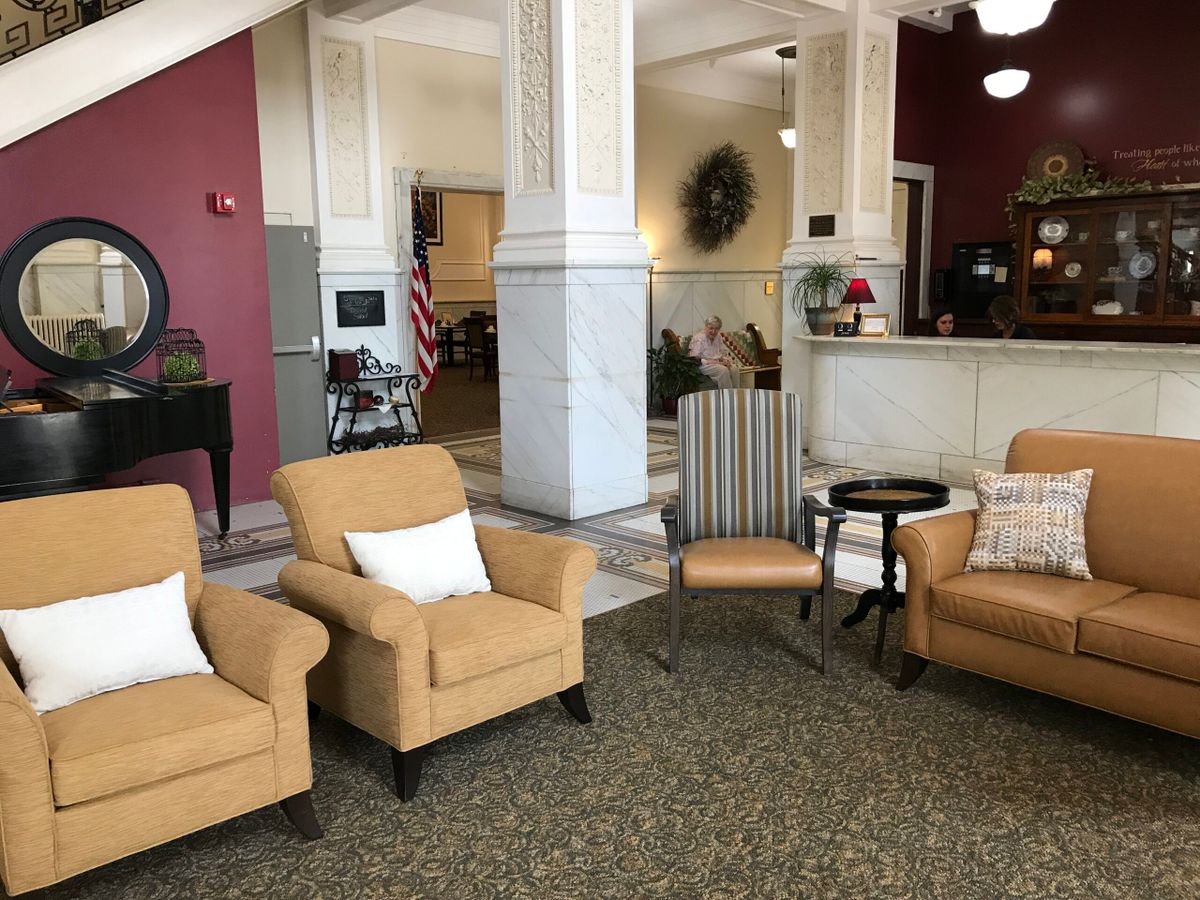
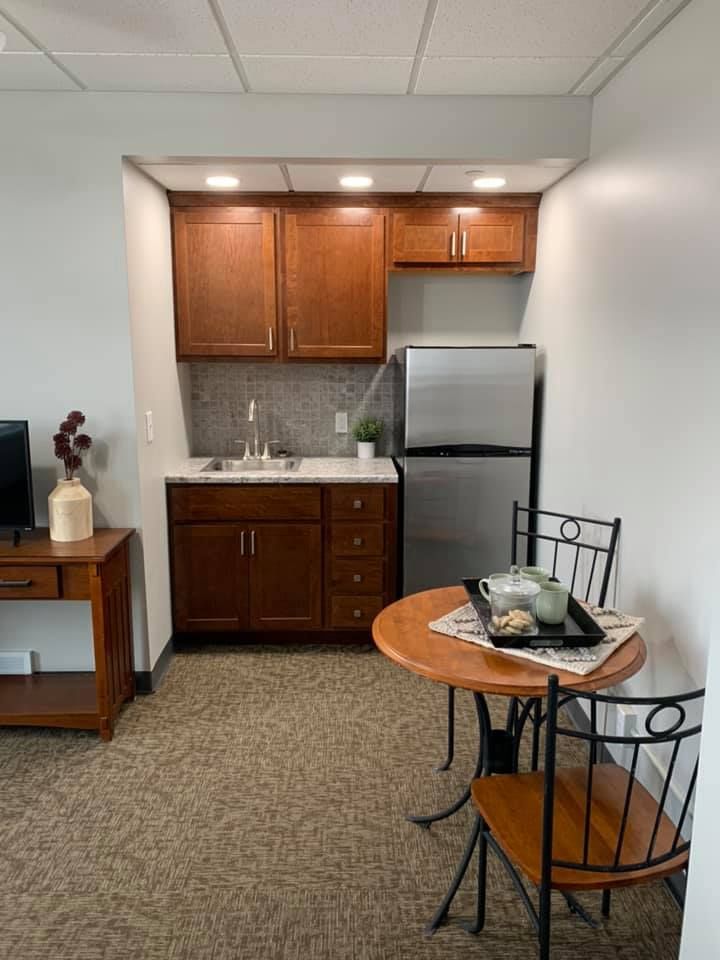
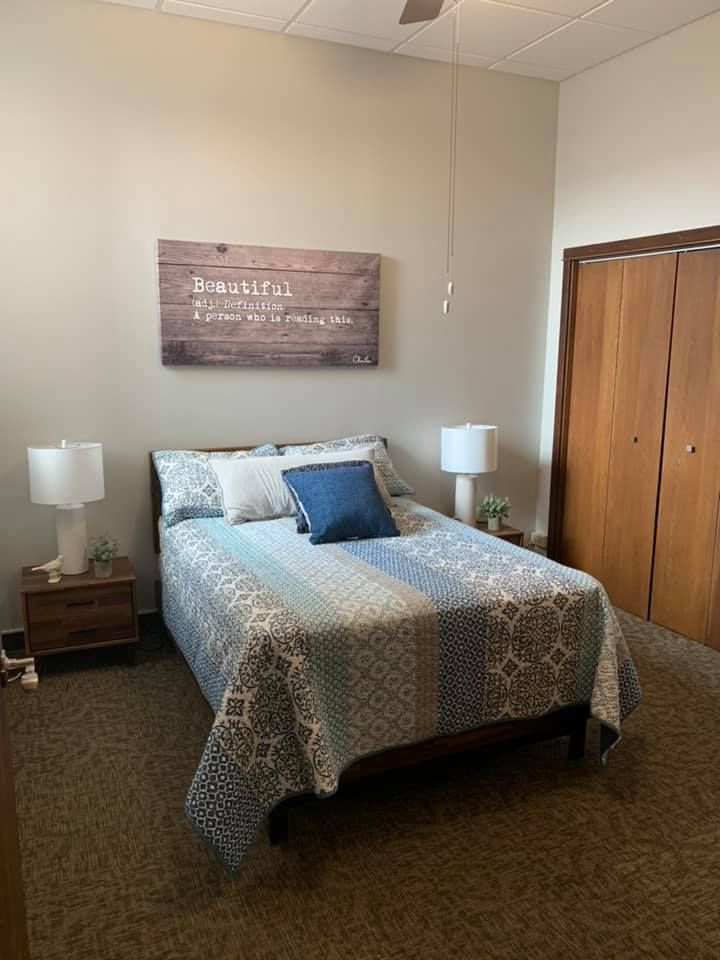
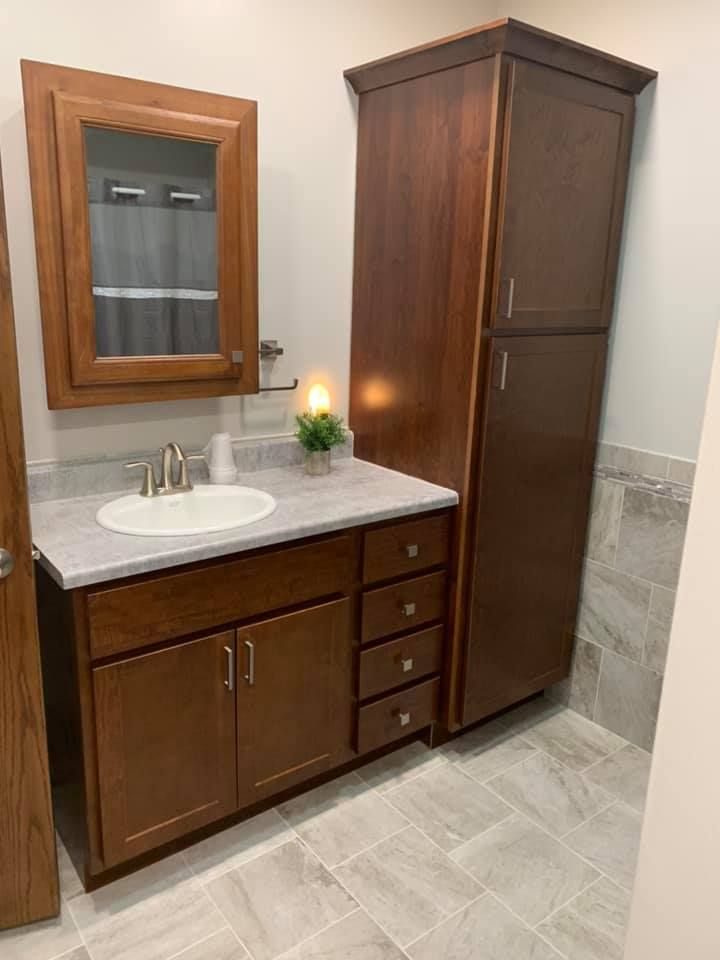
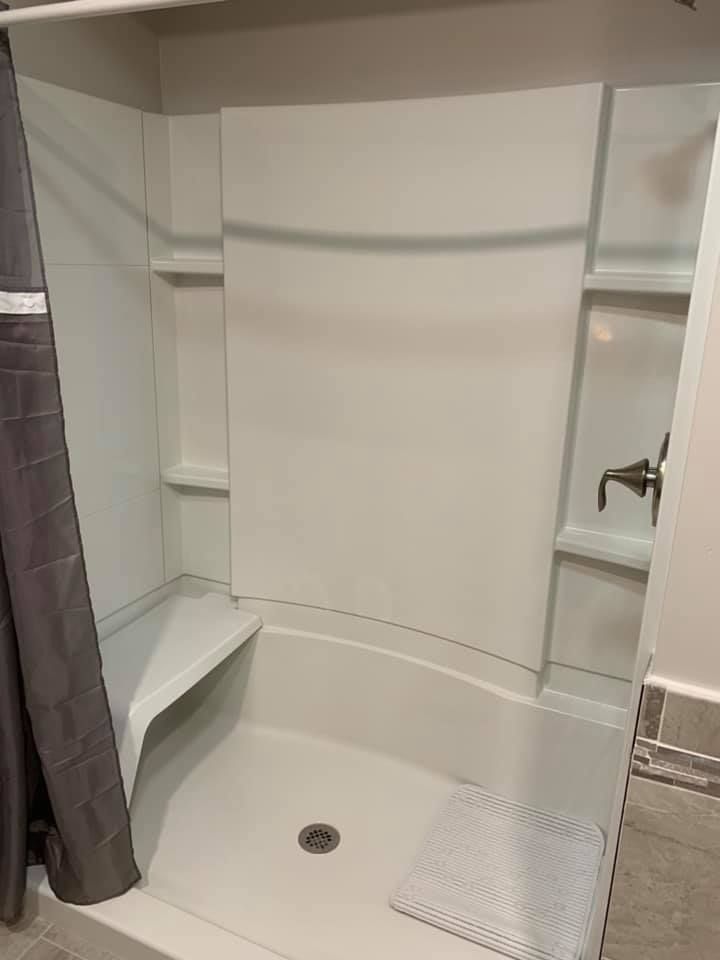
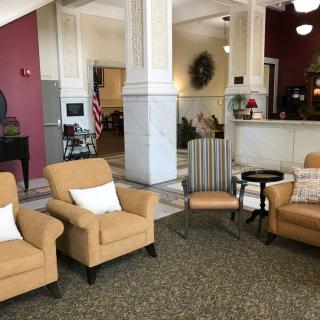
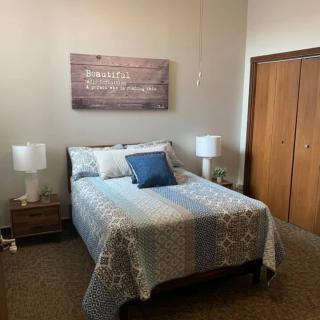
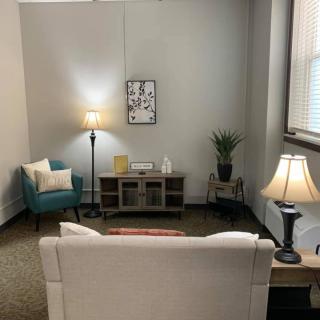
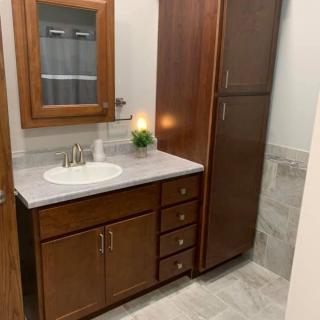
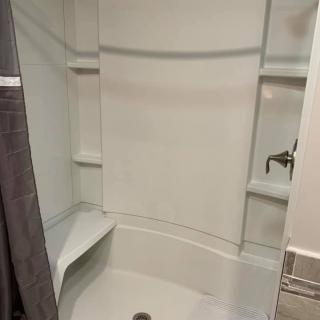
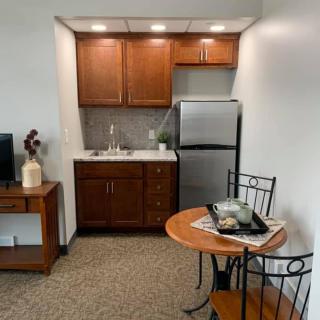
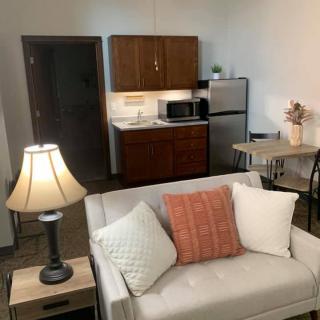
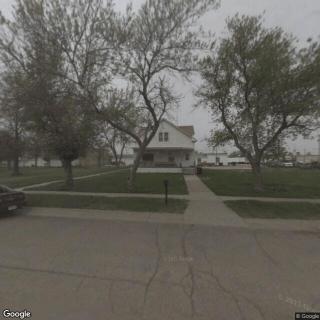
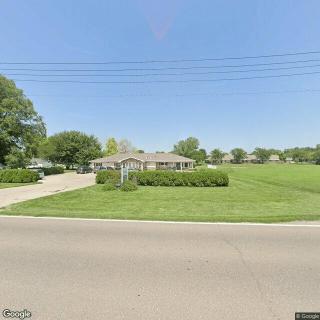
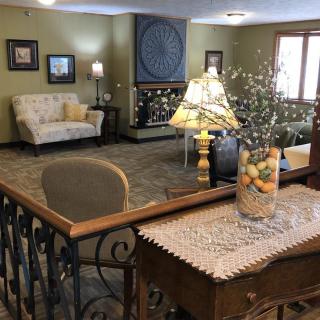
The Kensington At Hastings on seniors.fyi includes 8 photos including images showing interior, bathroom, decor, bedroom, living room, kitchenette, building, architecture, and more.
Nearby Communities
The Kensington Hastings
Hastings, NE
4.8 from 32 reviews
$4,495 to $5,495 / month
Compassionate staff with engaging activities and memory-care oriented services.
Home Instead - Hastings, NE
Hastings, NE
4.4 from 18 reviews
High-quality, professional, and compassionate caregivers.
Heritage Manor
Hastings, NE
Diabetes-focused care with convenient access to amenities and social activities.
Autumn Park Apartments
Hastings, NE
4.5 from 11 reviews
Diabetic care available; convenient access to nearby amenities and on-site activities.
Sunnyside Home
Hastings, NE
4.8 from 20 reviews
Diabetic care and on-site activities in a supportive setting.
Marjo Manor
Hastings, NE
2.5 from 4 reviews
Prime Hastings location with extensive nearby amenities.
Edgewood Hastings Senior Living, LLC
Hastings, NE
4.5 from 4 reviews
Small, home-like community with personalized, name-by-name staff communication.
The guide on holistic dementia care outlines the complexity of dementia and stresses the need for individualized caregiver strategies that include medical treatment, psychological support, and environmental adaptations, while emphasizing early detection, various therapeutic options, and caregiver support to enhance quality of life and maintain dignity.
"Memory Care Pathways: A Holistic Guide to Dementia Support" outlines the complexities of dementia and its various types, emphasizing early detection, patient-centered care strategies, caregiver support, and long-term care options while addressing legal and financial considerations to enhance the quality of life for individuals with dementia and their families.
Sundown syndrome, or sundowning, is a phenomenon in dementia patients characterized by increased confusion and agitation during late afternoon and evening, influenced by factors like disrupted circadian rhythms and fatigue. Effective caregiver strategies include establishing routines and managing environmental light while addressing caregiver stress through support services.
Get PricingAsk A QuestionSchedule A TourContact Senior Advisor
By clicking submit, you agree to our Partner's Terms of Use. You
also consent to receive calls and texts, which may be autodialed, from our Partner. Your consent is not a condition to
using our Partner's service. Please visit our Partner's Privacy Policy for information about their privacy practices.


 21 resident community capacity
 Studio apartments
 Assisted Living
 Memory Care
 Skilled Nursing Facility
 Beautician on-site
 Cable or satellite TV
 Dining room
 Financing advice
 Full kitchen
 Fully furnished
 Garden
 Housekeeping services
 Laundry
 Move-in coordination
 Outdoor space
 Overnight guests
 Party space
 Respite or short term stays offered
 Telephone
 Wi-Fi/high-speed internet available
 Transportation & parking
 24-hour call system
 Activities of daily living assistance
 Assistance with bathing
 Assistance with dressing
 Assistance with transfers
 Diabetes diet
 Meal preparation and service
 Medication management
 Mental wellness program
 Special dietary restrictions
 Transportation arrangement (medical)
 Fitness programs
 Religious services
 English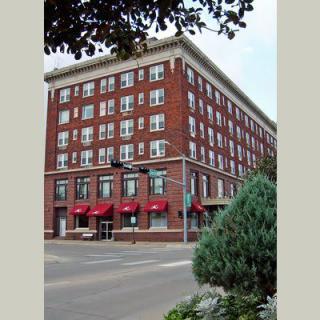
 Compassionate staff with engaging activities and memory-care oriented services.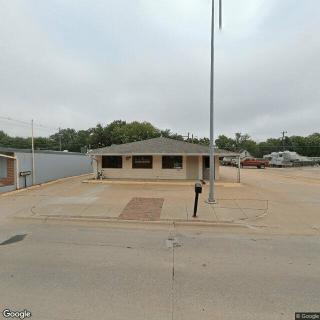

 A Holistic Dementia Care Guide: Effective Strategies for Memory Support
 Memory Care Pathways: A Holistic Guide to Dementia Support
 Comprehending Evening Confusion in Dementia: Causes, Manifestations, and Support