
118 Ingalls St, Grand Island, NE 68803
To contact a resident: (308) 382-9066
For more information about senior living options: (866) 208-4318
Lebensraum Retirement Home Costs & Pricing
At Lebensraum Retirement Home, the monthly costs for accommodations are quite competitive when compared to both Howard County and the broader state of Nebraska. For a private room, residents can expect to pay $3,715, which is slightly lower than Howard County's average of $3,733 and significantly more affordable than the state's average of $4,615. Meanwhile, studio apartments at Lebensraum are priced at $3,750, making it a more economical choice compared to Howard County's higher rate of $5,282, while still remaining just under Nebraska's average cost of $3,728. Overall, Lebensraum offers quality care in a financially accessible environment that stands out favorably against local and state benchmarks.
| Floor plans | Lebensraum Retirement Home | Howard County | Nebraska |
|---|---|---|---|
| Private | $3,715 | $3,733 | $4,615 |
| Studio | $3,750 | $5,282 | $3,728 |
Assisted Living communities with a similar price nearby
-
About the same
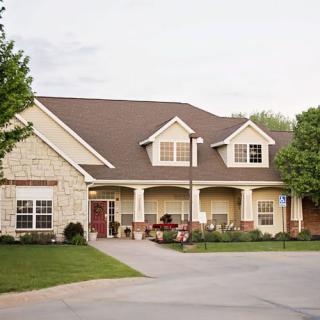
Bickford of Grand Island
$3,750 to $4,350 / month1.0 miles away
Overall Review of Lebensraum Retirement Home
Pros
 Grandmother and father are safe, loved, and well cared for at Lebensraum.
- The mother has found Lebensraum to be a wonderful home; the staff were amazing and attentive, and she now loves living there with many friends.
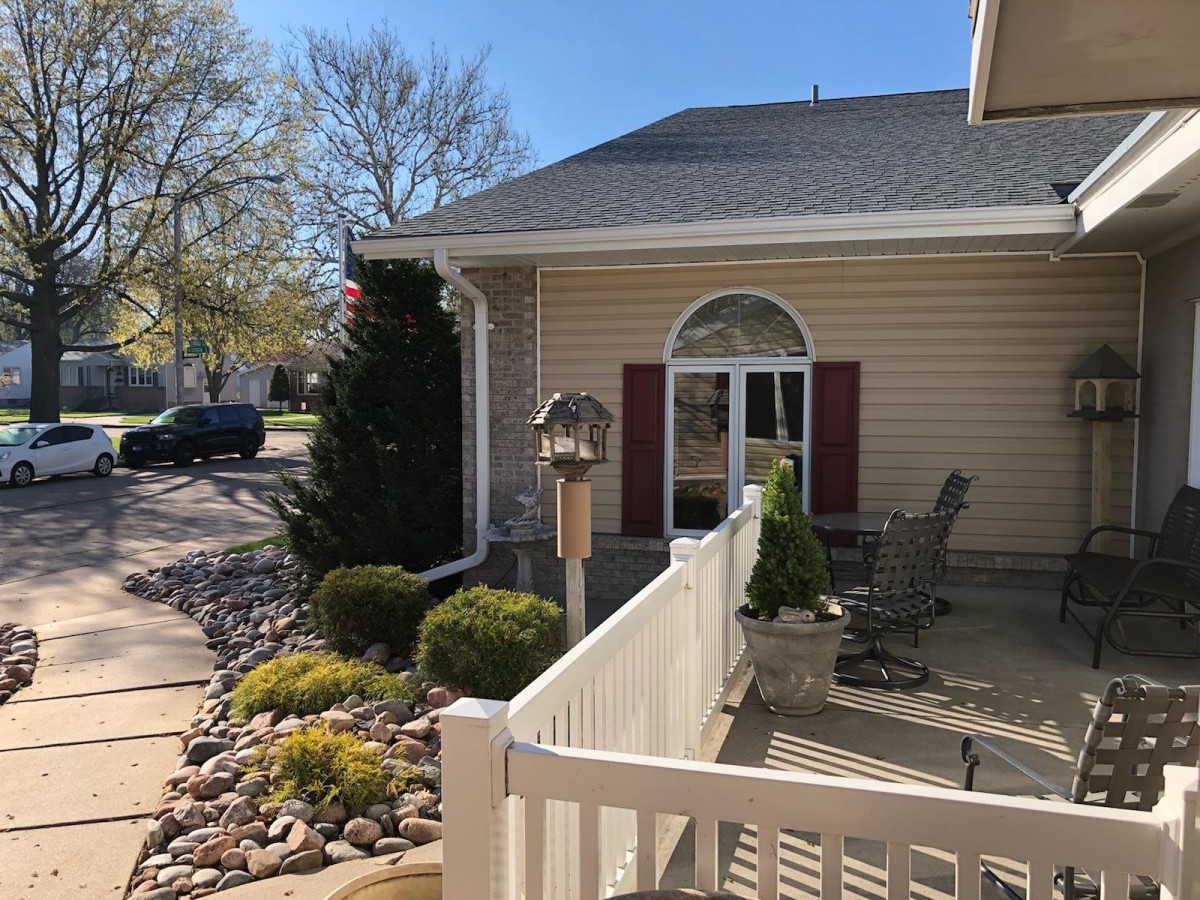
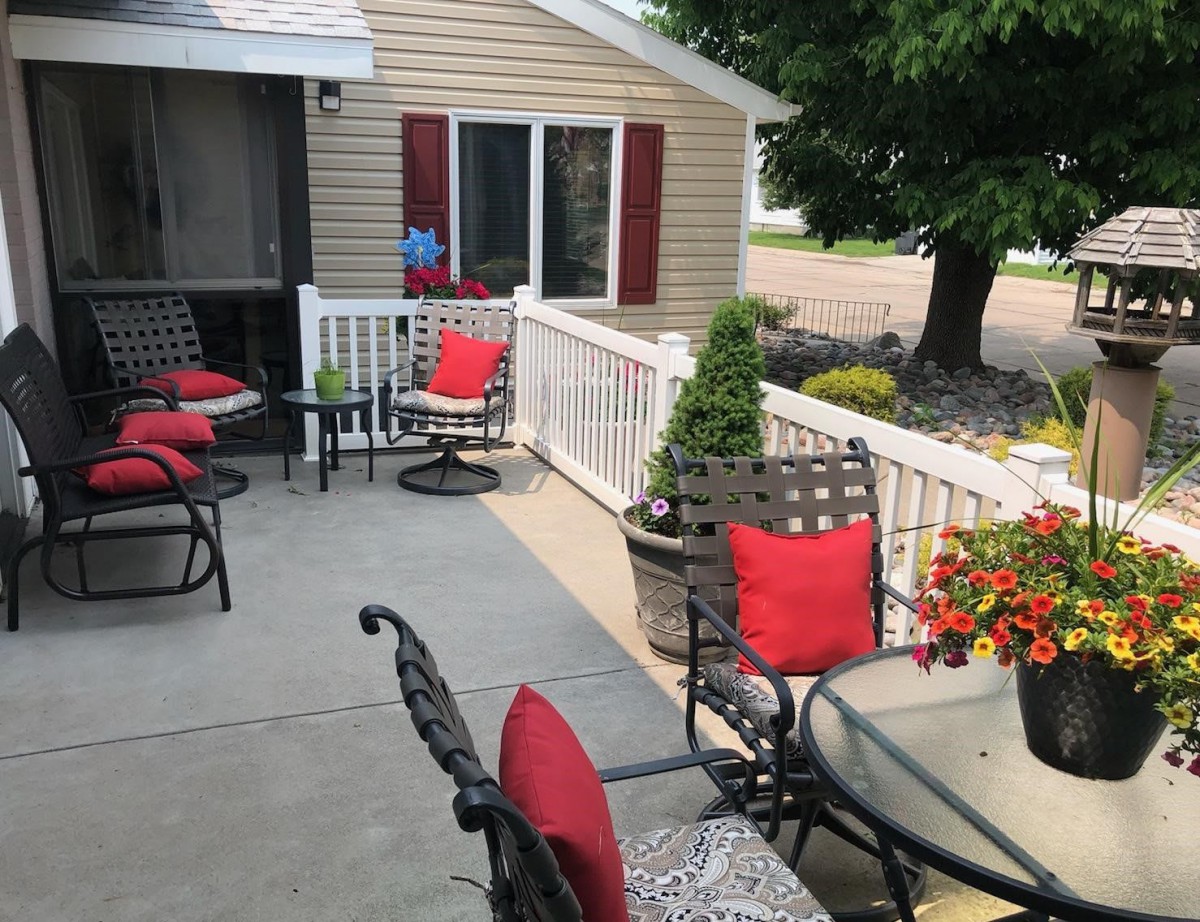
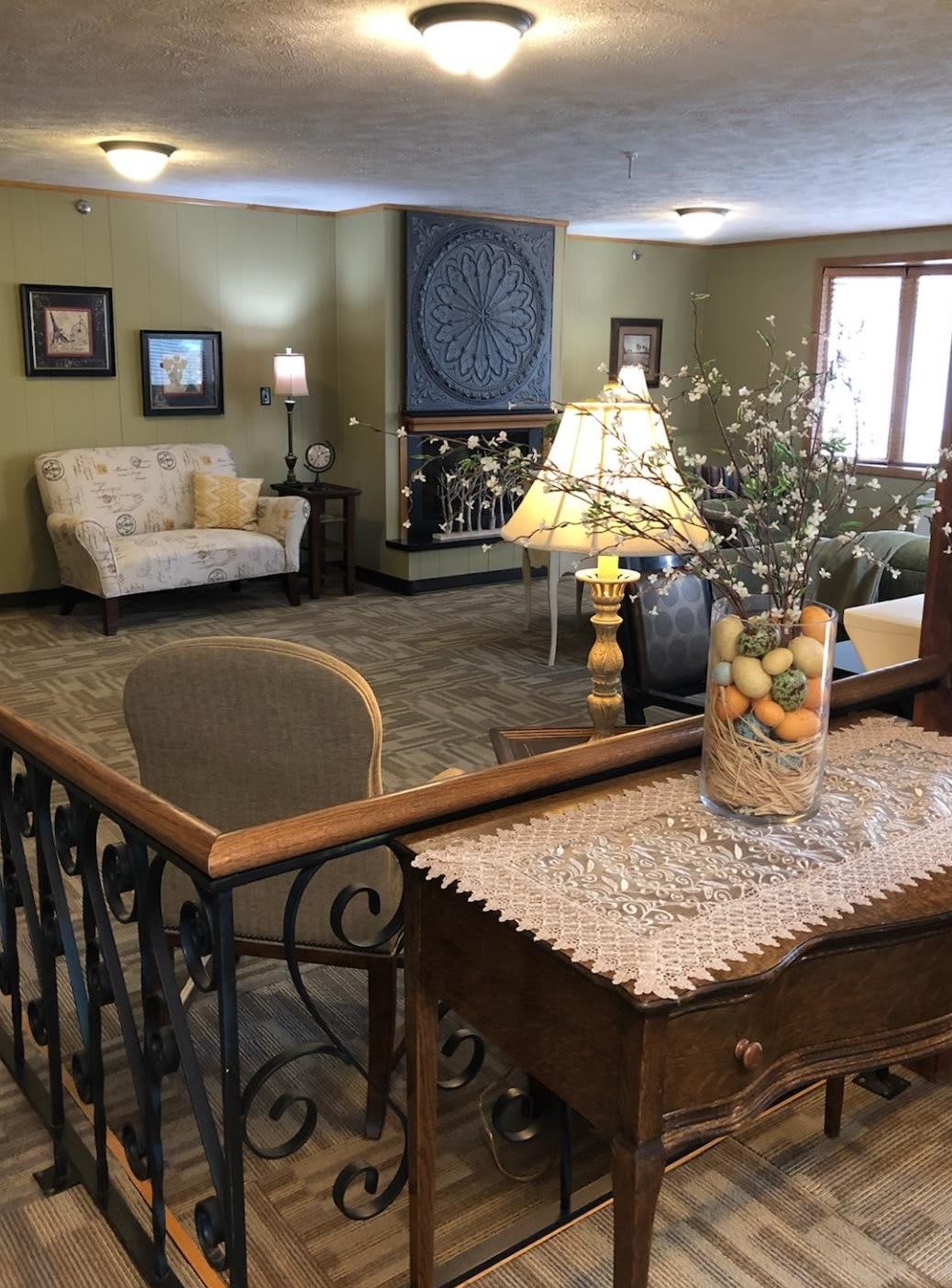
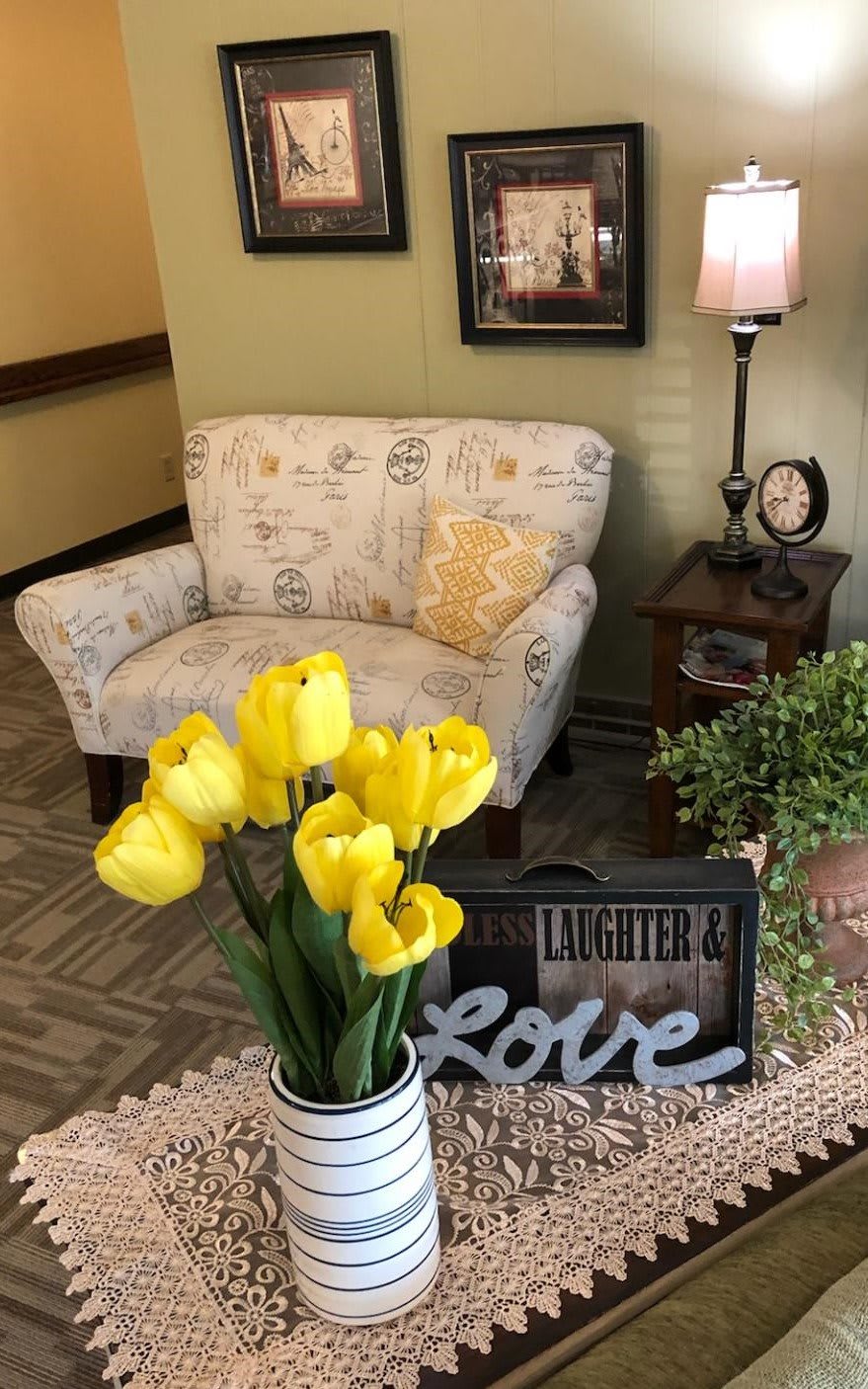
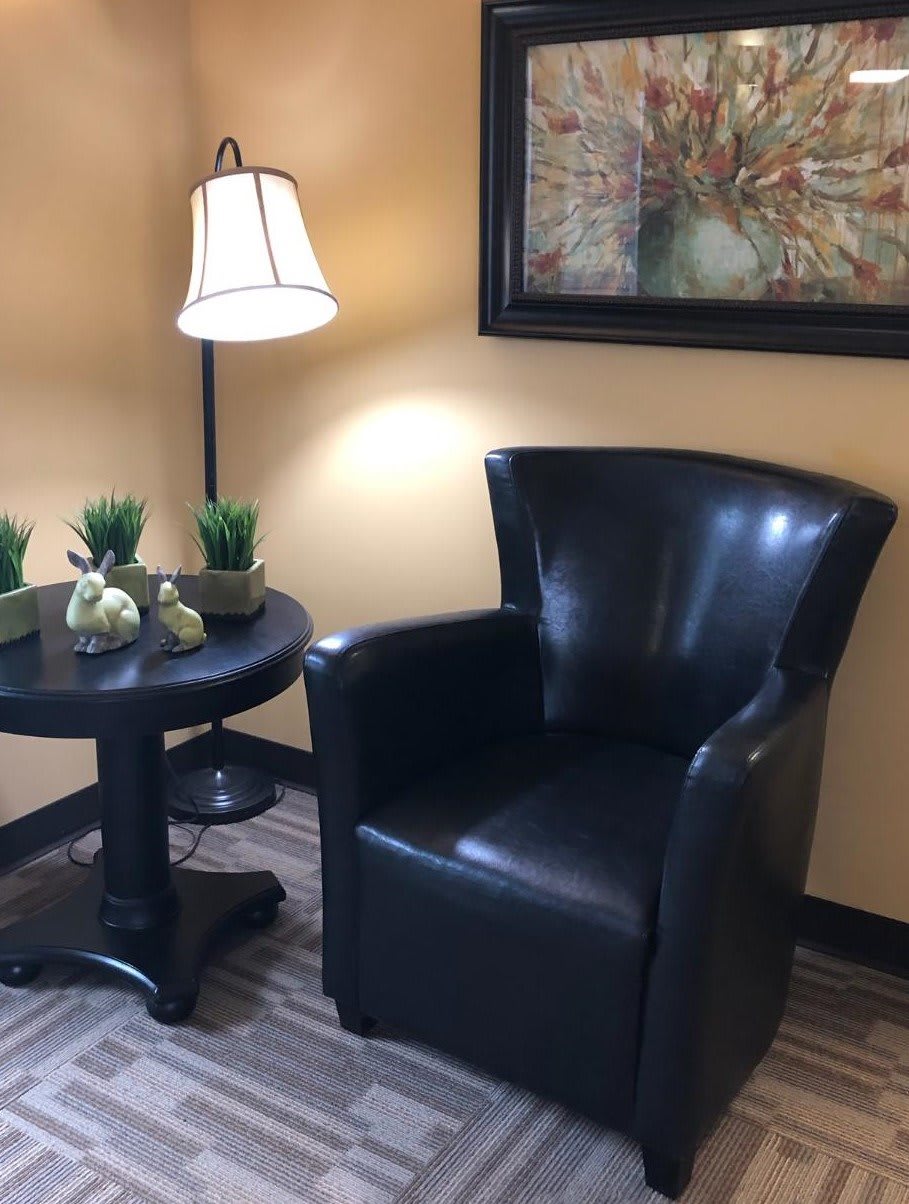
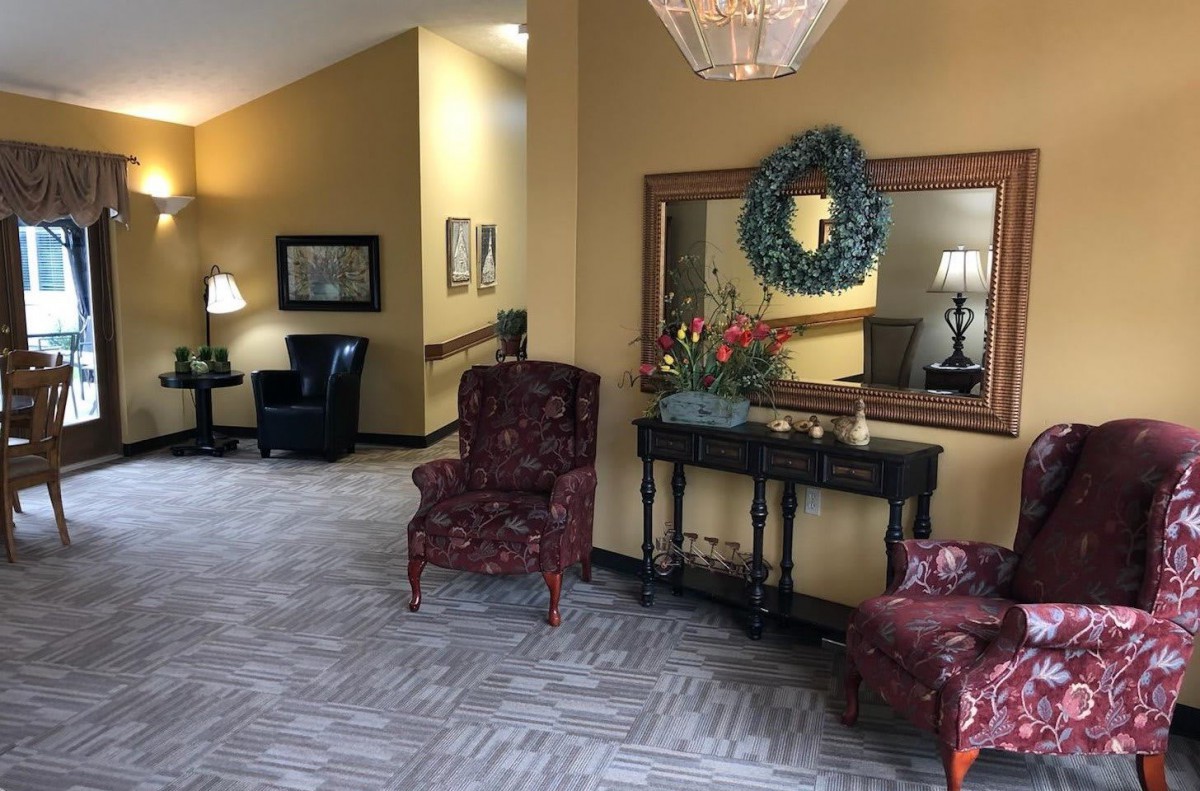
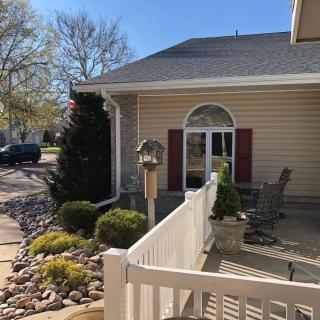
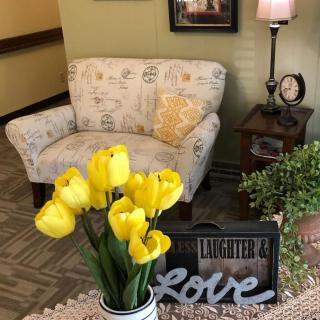
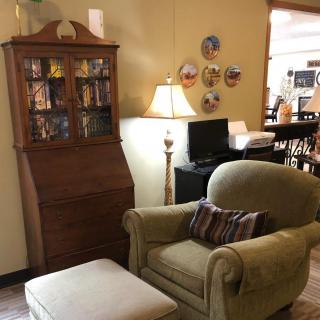
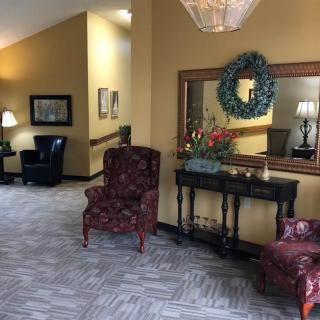
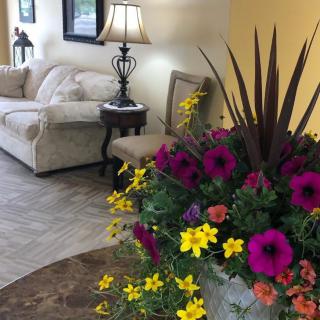
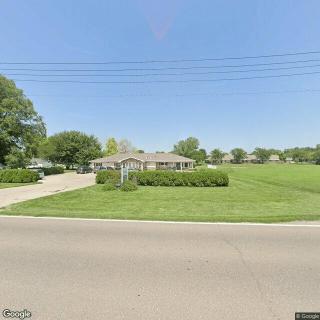
- Lebensraum is a beautiful, homey facility that feels like home.
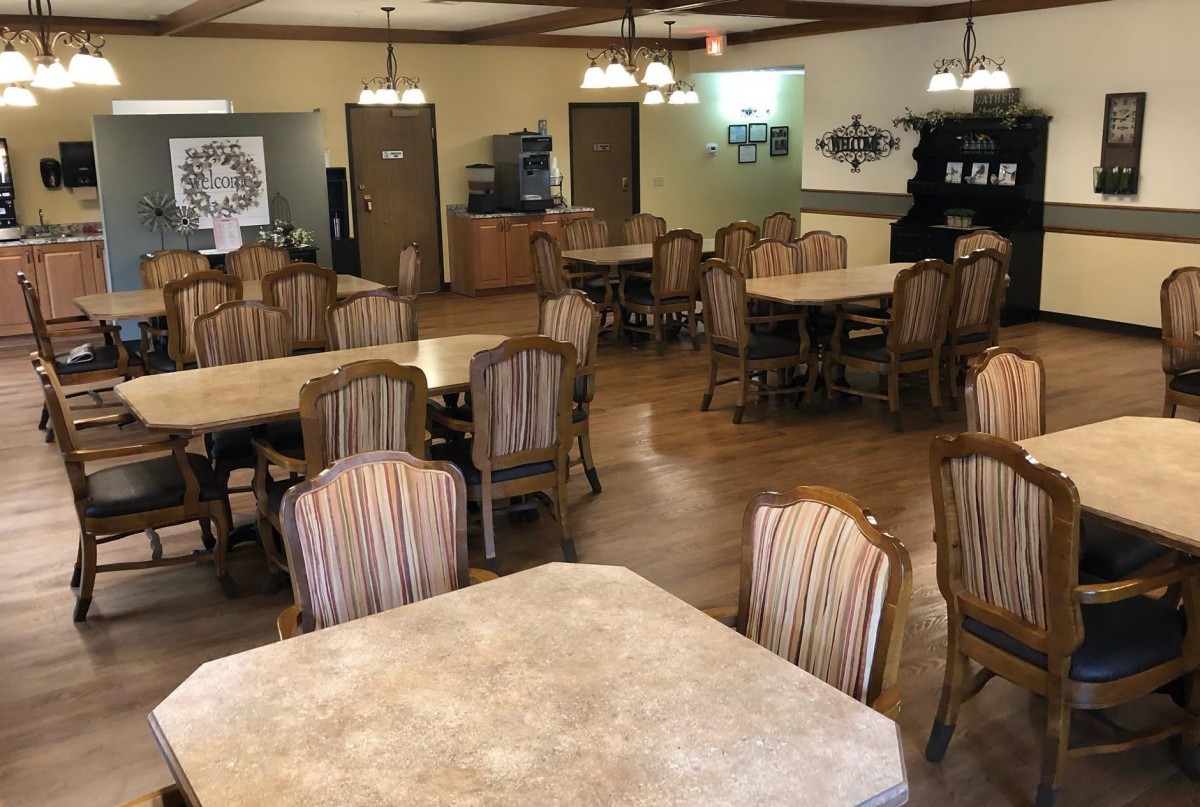
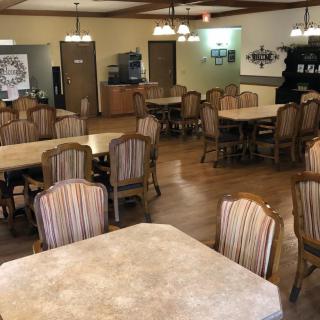
- Lebensraum Assisted Living is a great, clean, well-run facility with caring and compassionate leadership and staff; it truly feels like a home away from home, with plenty of activities and great meals.
- The mother-in-law has lived there for about five years and loves it; the staff are very caring and attentive, and she enjoys the activities and openness to new suggestions.
- The father is very satisfied and likes the people there.
- The mother lives there and the staff are very good to her; she loves living there.
Review
Lebensraum Retirement Home in Grand Island, NE is best suited for seniors who want a genuinely home-like, caring assisted-living environment where staff build real relationships with residents and families can trust daily care. This community clearly shines with residents who value safety, predictable routines, and meaningful engagement. It suits elders who respond well to attentive, compassionate leadership and who thrive in a small, family-style setting where daily activities, meals, and social opportunities feel personal rather than institutional. For families seeking continuity, long-tenured caregivers, and a steady heartbeat to a loved one’s routine, Lebensraum offers a compelling match.
Those who may want to consider alternatives include families with higher medical complexity or those seeking specialized memory-care or nursing services on-site. If the loved one requires advanced clinical oversight, rapid access to a broad panel of specialists, or a campus with more diverse medical resources, another option may be preferable. Similarly, seniors who prefer a larger, more urban setting with a wider array of transportation, clubs, and outside-the-building activities might find a different community’s scale more aligned with their lifestyle. Independence needs that exceed what a smaller, home-style atmosphere can sustain are another practical reason to explore other choices.
The strongest pros center on care that feels personal and protective. Reviews repeatedly highlight staff who are “amazing,” “caring,” and “attentive,” with leadership described as compassionate and trustworthy. The environment is consistently depicted as clean, well-run, and decidedly home-like, not clinical. Residents enjoy a robust menu and an array of activities, with a culture that invites resident input and new suggestions. The sense of safety and belonging is reinforced by long-lasting relationships among residents, their families, and the caregiving team, which translates into peace of mind for approaching life’s transitions.
What should give potential movers confidence, even in the absence of explicit negatives, are the concrete trade-offs. The reviews do not flag major drawbacks, but that absence itself points to a particular profile: a community that prioritizes daily life quality over breadth of services. That means families need to verify whether on-site medical complexity, memory-care options, or highly specialized rehabilitative services are available if needed. The size and setting, homey and neighborhood-based rather than sprawling or urban, may limit certain conveniences. Prospective residents should confirm transportation, access to external healthcare partners, and availability of treatment plans aligned with evolving needs.
The way the positives offset possible constraints is instructive for decision-making. A caring staff and steady leadership can compensate for a leaner service mix by ensuring care plans stay personalized and responsive, coordinating with outside providers as needed, and maintaining continuity amid staff changes. The home atmosphere reduces stress and enhances participation in activities, which sustains engagement and mood. Open channels for resident input further tailor experiences, so adjustments happen quickly when preferences shift. In short, the strength of relationships and daily life quality often outweigh the absence of more expansive medical capabilities.
For families weighing next steps, approach Lebensraum with a practical tour-focused mindset. Ask to observe real-time staff–resident interactions, review the care planning process, and confirm what ADL assistance and supervision look like day-to-day. Inquire about meal variety, activity calendars, transportation options, and how new activities are integrated. Request a candid outline of medical support: which on-site services exist, how emergencies are handled, and how external medical partners are engaged. Compare with alternatives on factors such as personal fit, expected trajectory of care, and total cost, then choose the setting that best aligns with the loved one’s daily experience and long-term comfort.
 Assisted Living
 Activities on-site
 Air-conditioning
 Beautician on-site
 Cable or satellite TV
 Devotional services off-site
 Ground floor units
 Handicap accessible
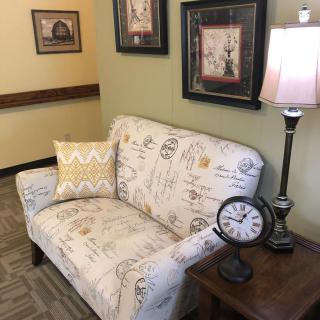
 Indoor common areas
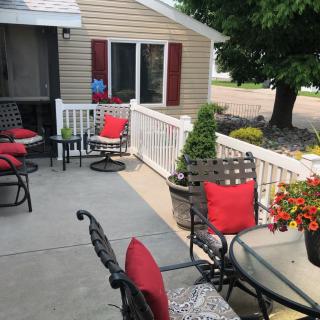
 Outdoor common areas
 Respite or short term stays offered
 Wi-Fi/high-speed internet available
 Central Nebraska Regional (5 miles away)
 Ambulatory care
 Diabetic care
 Incontinence care
 Medication management
 Guest meals
 Catholic services
 Cooking classes
 Day trips and outings
 Educational speakers / life long learning
 Live musical performances
 Live well programs



 Choosing the Right Senior Care: A Detailed Exploration of Assisted Living and Nursing Homes
 Understanding the True Cost of Assisted Living in 2025: A Comprehensive Guide
 Understanding Medicaid Coverage for Assisted Living: A Comprehensive Guide