
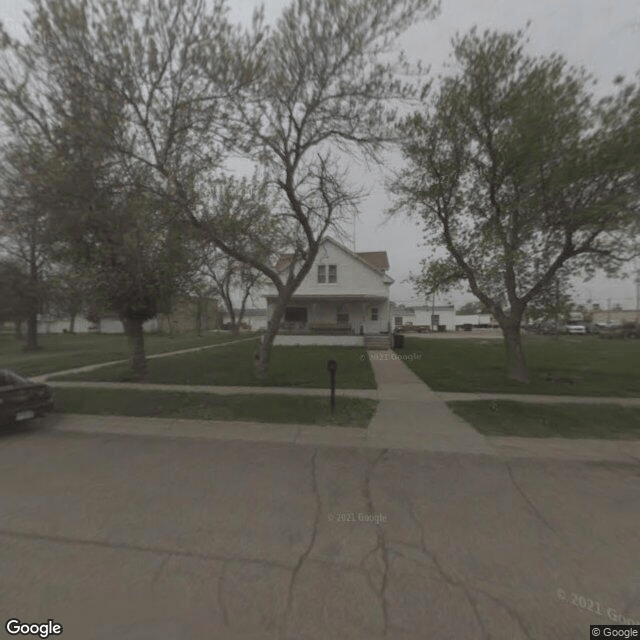
1036 S Lincoln Ave, Hastings, NE 68901
To contact a resident: (402) 462-2144
For more information about senior living options: (866) 208-4318
Overall Review of Marjo Manor
Cons
 The landlords of Heritage Manor are described as only collecting paychecks and rarely fixing properties.
- A repair issue from last year is still unfixed, according to residents.
- Several units have cockroaches and bedbugs, indicating a large infestation.
- A female resident's A.C. unit remains unfixed, her back door doesn't lock, and a kitchen light is out.
- The landlord allegedly illegally enters the properties without giving notice.
- Maintenance is hard to reach, and after-hours assistance is slow, leaving disabled and elderly residents without timely help.
- Rent is criticized as ridiculous given the lack of peace of mind and ongoing pest problems.
- Older apartments lack upgrades and are linked to a high rate of police calls, suggesting better options exist elsewhere.
Review
Marjo Manor in Hastings, NE is best suited for seniors who can tolerate an older building with limited upgrades and who have dependable family or caregiver support to oversee conditions and push for timely service. The stories tied to related properties managed by the same owners paint a picture of maintenance delays, sporadic repairs, and a difficult-to-navigate system for residents who rely on prompt help. In practical terms, this is a place that may feel affordable on paper, but the recurring maintenance and safety gaps make reliability the real limiting factor. Families should enter with eyes wide open about what a tenant’s day-to-day experience can look like if issues arise.
Those who may want to consider alternatives are seniors who require consistent, predictable service and a secure, well-maintained living environment. The pattern described by residents of connected properties includes pest problems, aging infrastructure, and slow or uneven responses from management. Key safety elements, like secure entry, functional doors, and reliable climate control, appear to be uncertain at best. For households prioritizing a turnkey experience, or for residents with substantial medical or mobility needs, the trade-off between lower rent and higher upkeep risks is too steep.
The main cons here overwhelm any potential upside. Infestations, cockroaches and bedbugs, signal deeper maintenance and sanitation gaps that are hard to address quickly. Units with non-functional or under-serviced systems, such as an air conditioner that has not been repaired and a kitchen light left dark, create daily discomfort and safety concerns. A back door that cannot lock properly, with a makeshift wooden solution in place, further compounds vulnerability. Maintenance access, when it exists, is slow, and after-hours support is particularly unreliable for the elderly and disabled who cannot endure long wait times. On top of that, the rent, described as high for what is delivered, restricts options for residents who may already be on fixed incomes. The combination of security risks, cleanliness issues, and service gaps makes this a high-risk choice for most families.
Given these realities, a careful, verification-driven screening process is essential. Prospective residents and their families should insist on written maintenance SLAs, a clear pest-control history, and documented responses to urgent repair requests. Direct conversations with current tenants can reveal how often emergency repairs are handled after hours, whether locks are actually secure, and how quickly common issues, like refrigeration, lighting, or climate control, are resolved. It’s also prudent to drill into the landlord’s policies on entry, to confirm that lawful notice and respect for resident privacy are observed. A thorough physical tour at different times of day can uncover problems that aren’t evident in a standard walkthrough.
In the end, the practical verdict is decisive: Marjo Manor is not a first-choice option for seniors who need dependable maintenance, strong security, and modern conveniences. It may hold appeal for households willing to compromise on upkeep in exchange for the lowest possible rent, or for those who have robust family support ready to monitor and coordinate repairs. For most families, especially those with disabled loved ones or medical needs, the risks, inconsistency in service, and persistent safety concerns argue strongly for alternatives with more proactive management and a reliable on-site response framework. A cautious, structured due-diligence process is essential if this option is on the table.
If this community is still on a short list, approach with a disciplined, almost audit-like mindset. Schedule visits with a detailed checklist: confirm current pest control status, request a recent maintenance log, verify that all essential systems (AC, lighting, doors, locks) are functioning, and probe for any recurring problems that haven’t been resolved. Ask for a copy of the service agreement, including response times and after-hours coverage. Speak candidly with residents about after-hours help and any safety incidents. Only with concrete, recent evidence of reliable maintenance and secure living conditions will Marjo Manor rise from a default budget choice into a viable option for a family’s long-term care plan.
 Board and Care Home
 Diabetes-focused care with convenient access to amenities and social activities.




 Home Health Care Demystified: A Comprehensive Guide for Families and Caregivers
 Seniors and Modern Transportation: Exploring Uber, Lyft, and Other Ride-Hailing Options
 Comprehensive Guide to Qualifying for Home Health Care Services