
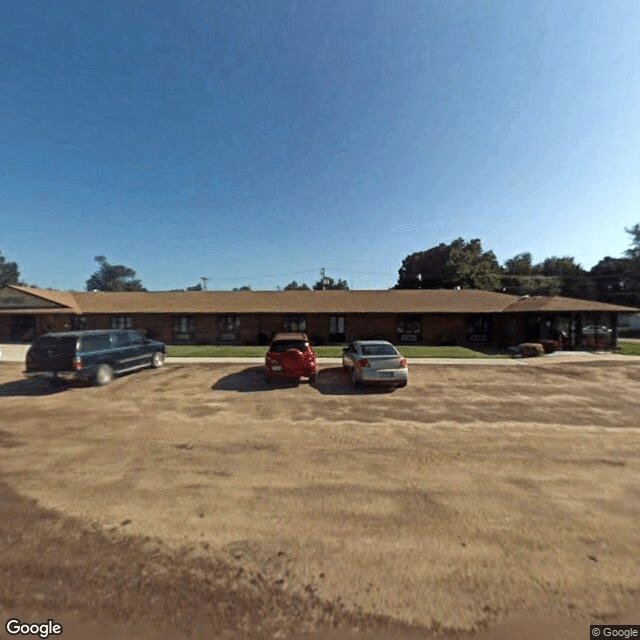
201 East O'Connor Avenue, Greeley, NE 68842
For more information about senior living options: (866) 208-4318
Overall Review of Greeley Care Home
Pros
 It is still a great place.
- It has a home-like environment.
- The staff are friendly.
- The meals are great.
Cons
 The facility is now an assisted living facility that needs more residents.
Review
Greeley Care Home in Greeley, NE is best suited for seniors who prize a truly home-like setting, where staff know residents by name and meals feel like family gatherings. Since shifting to an assisted living model, the community is actively seeking more residents to build a fuller, self-sustaining home. This combination makes it an ideal choice for those who value intimate attention, predictable daily rhythms, and a sense of belonging over a large, impersonal campus. It is especially well-suited for couples or individuals who prefer a smaller, quieter environment where privacy and personal relationships come first. Prospective residents who want to avoid a hospital-like atmosphere will find the atmosphere here reassuring and comforting.
Those who may want to consider alternatives are typically individuals with high-acuity needs, complex medical supervision, or a demand for a highly structured activities calendar and robust therapy offerings. If memory care is a central requirement, or if extensive on-site clinical oversight, frequent skilled nursing visits, or specialized equipment are essential, a larger or more medically equipped community may be a better fit. Families seeking a wide range of amenities, frequent outings, or rapid access to multiple specialists may also find a bigger campus more aligned with their expectations. In short, when care needs and activity options exceed what a smaller, home-like setting routinely provides, exploring other options is prudent.
The core strengths, home-like ambiance, friendly staff, and strong, home-style meals, anchor the experience and help offset the primary drawback of a smaller setting. Residents benefit from individualized attention because staff can form deeper relationships with fewer peers to manage. The dining experience tends to feel communal and personal, which supports social interaction and comfort at mealtimes. This intimate scale often translates into quicker responsiveness and a more reflective pace of daily life, where residents aren’t just another room number. In situations where social opportunities flourish with a friendly, tight-knit community, these pros easily balance the risk of limited programming inherent in a smaller house.
The main con to watch is the need for more residents to activate a richer social calendar and broaden day-to-day programming. A smaller resident base can constrain group activities, outings, and peer-led interactions that fuel ongoing engagement. Staffing is generally reliable, but the scope of activities and the breadth of services may not expand as quickly as in a larger community. That said, the staff’s attentiveness and the facility’s emphasis on a home atmosphere can compensate: residents often receive more customized activity choices, easier access to staff help, and a sense of belonging that larger campuses sometimes struggle to maintain. The question becomes whether the personal touch and meals will compensate for a leaner activity slate and slower expansion of services.
To make a well-informed decision, families should approach a visit with clear questions and observations. Inquire about current occupancy and target goals for growth to gauge how soon a more varied activity calendar might materialize. Ask about the staff-to-resident ratio during mornings and evenings, since consistency in caregiving matters as much as the warmth of the welcome. Confirm what level of assistance with activities of daily living is included, how medication management is handled, and what therapies or on-site services are available. Review the dining program, menu rotation, food quality, and accommodate dietary restrictions, and assess how meals align with personal preferences. Finally, verify costs, what’s included in the monthly rate, and any potential add-on fees, along with transportation options and guest access.
In summary, Greeley Care Home stands out for families who value a warm, intimate, family-like environment with excellent meals and deeply engaged staff. It is a practical, well-suited choice for seniors who don’t require a broad menu of on-site services and who prioritize emotional climate and personal connections. For residents with high medical complexity, a need for extensive memory-care programming, or a robust activity lineup, alternatives that offer more comprehensive clinical resources and larger social ecosystems should be pursued. A thoughtful visit will reveal whether the current momentum toward a fuller resident community aligns with the specific needs and preferences of each prospective resident and their family.
 26 resident community capacity
 Assisted Living
 Skilled Nursing Facility
 Activities on-site
 Beauty salon
 Cable or satellite TV
 Devotional services off-site
 Dining room
 Fully furnished
 Garden
 Housekeeping services
 Indoor common areas
 Kitchenette
 Move-in coordination
 Outdoor space
 Restaurant-style dining
 Small library
 Telephone
 Wi-Fi/high-speed internet available
 24-hour call system
 Ambulatory care
 Assistance with bathing
 Assistance with dressing
 Assistance with transfers
 Diabetes diet
 Diabetic care
 Medication management
 Mental wellness program
 Special dietary restrictions


 Vibrant Senior Living: A Comprehensive Guide for Active Older Adults
 When to Transition from Assisted Living to Memory Care: Key Indicators, Steps, and Finding the Right Community
 Assisted Living and Memory Care: Understanding Their Core Differences