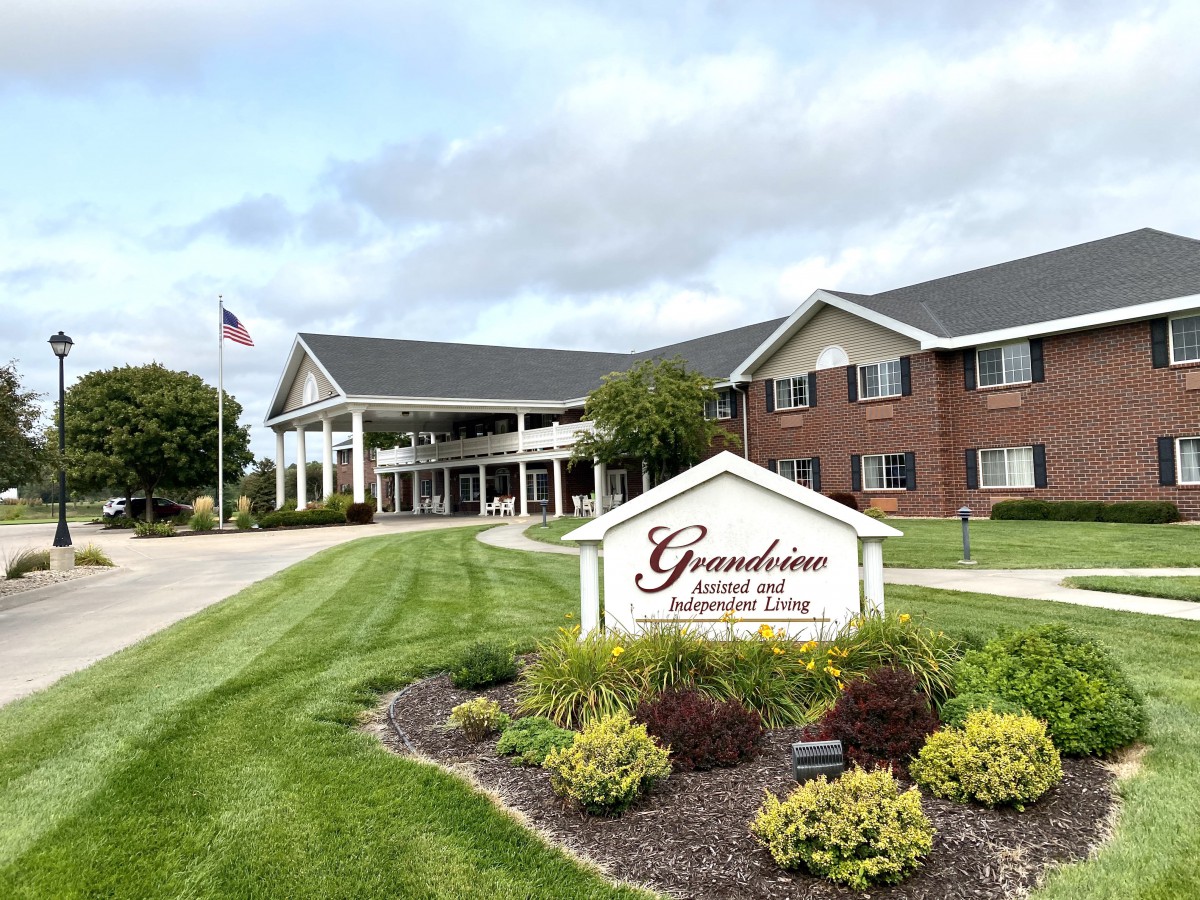
827 North 19th, Ord, NE 68862
To contact a resident: (308) 728-3967
For more information about senior living options: (866) 208-4318
Grandview Assisted & Independent Living Costs & Pricing
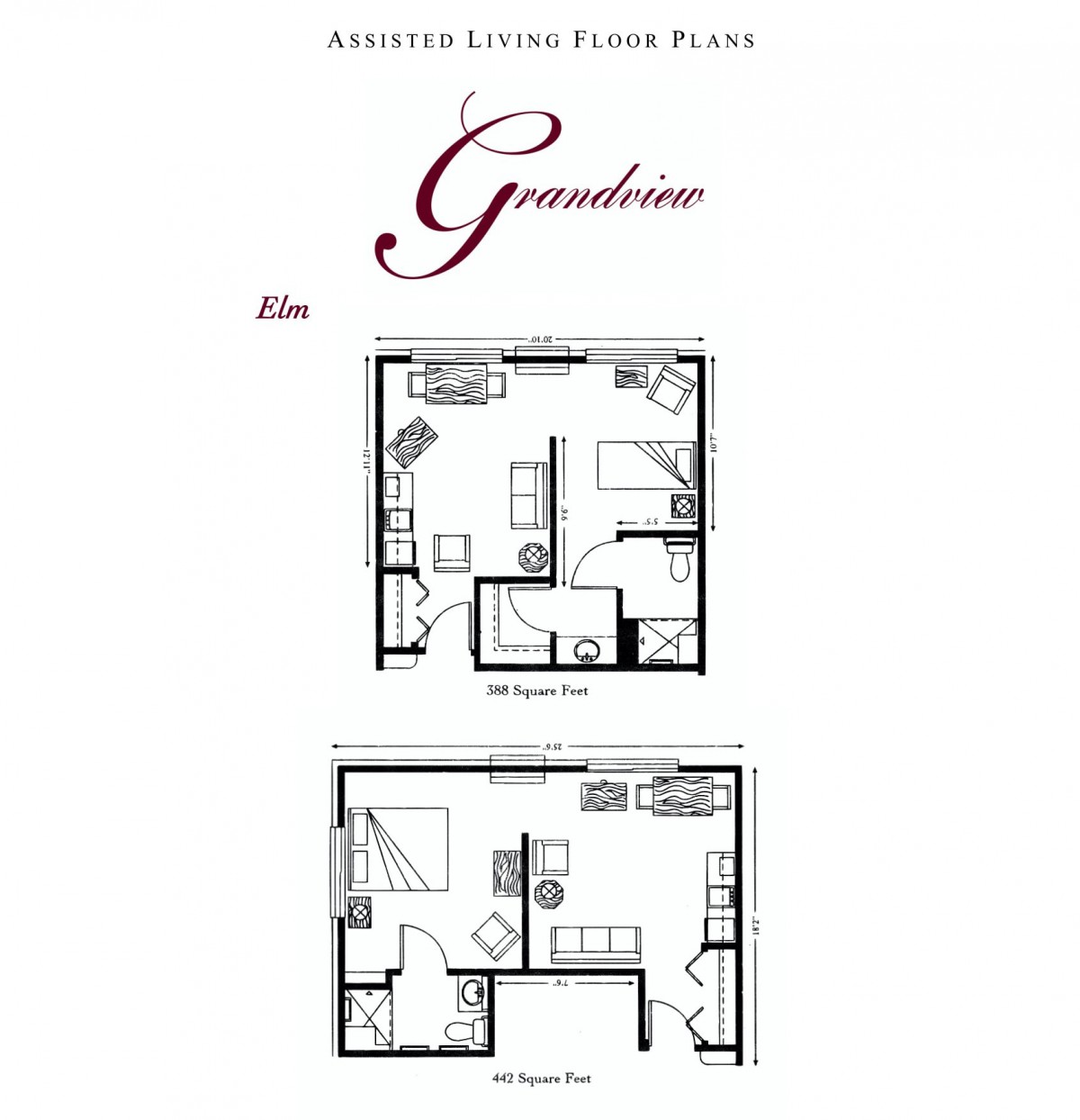
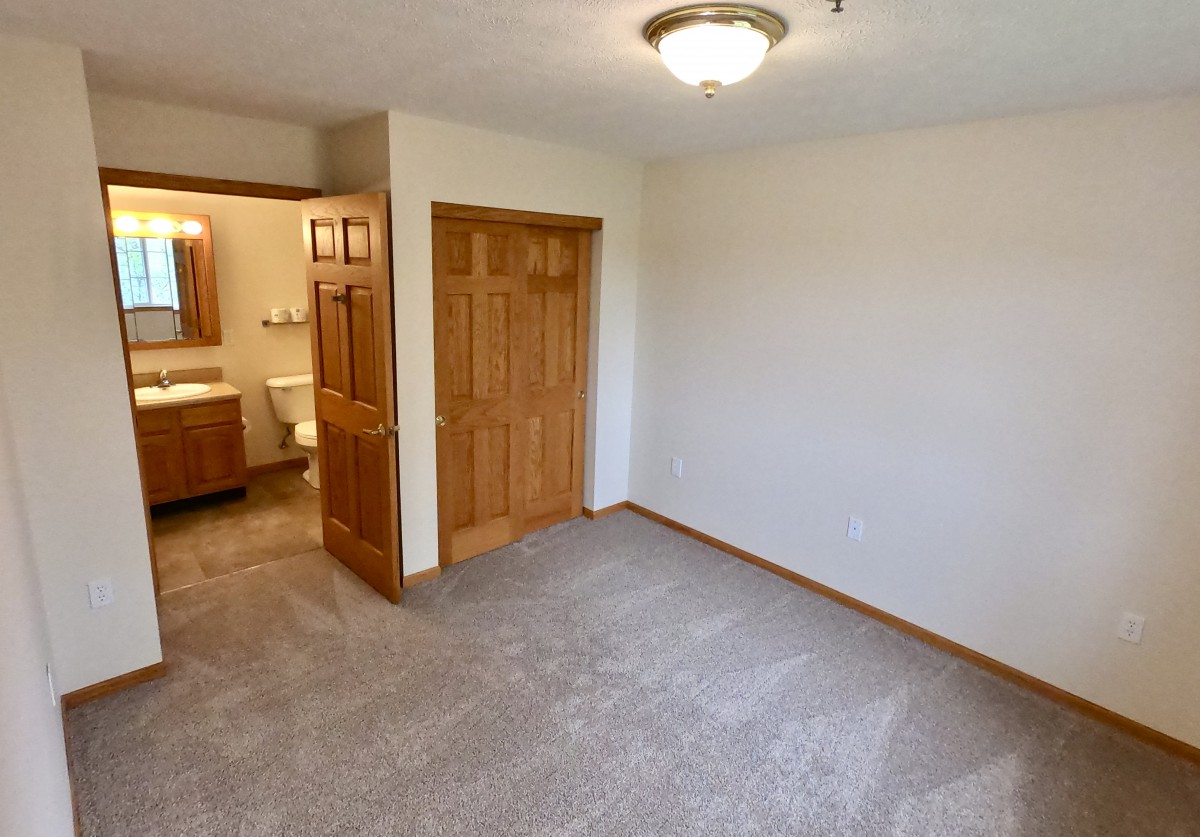
Grandview Assisted & Independent Living offers competitive pricing for its residents, with costs that align closely with the Valley County averages. For instance, a one-bedroom unit is priced at $2,200 per month, matching the county rate and significantly lower than the Nebraska state average of $3,167. Similarly, two-bedroom apartments are available for $2,700, maintaining parity with Valley County while remaining more affordable than the state average of $3,627. Studio apartments at Grandview are listed at $2,925 per month, which again corresponds to the local market but is notably less than the state average of $3,728. These pricing structures reflect Grandview's commitment to providing quality living options that not only meet local standards but also offer significant savings compared to broader state trends.
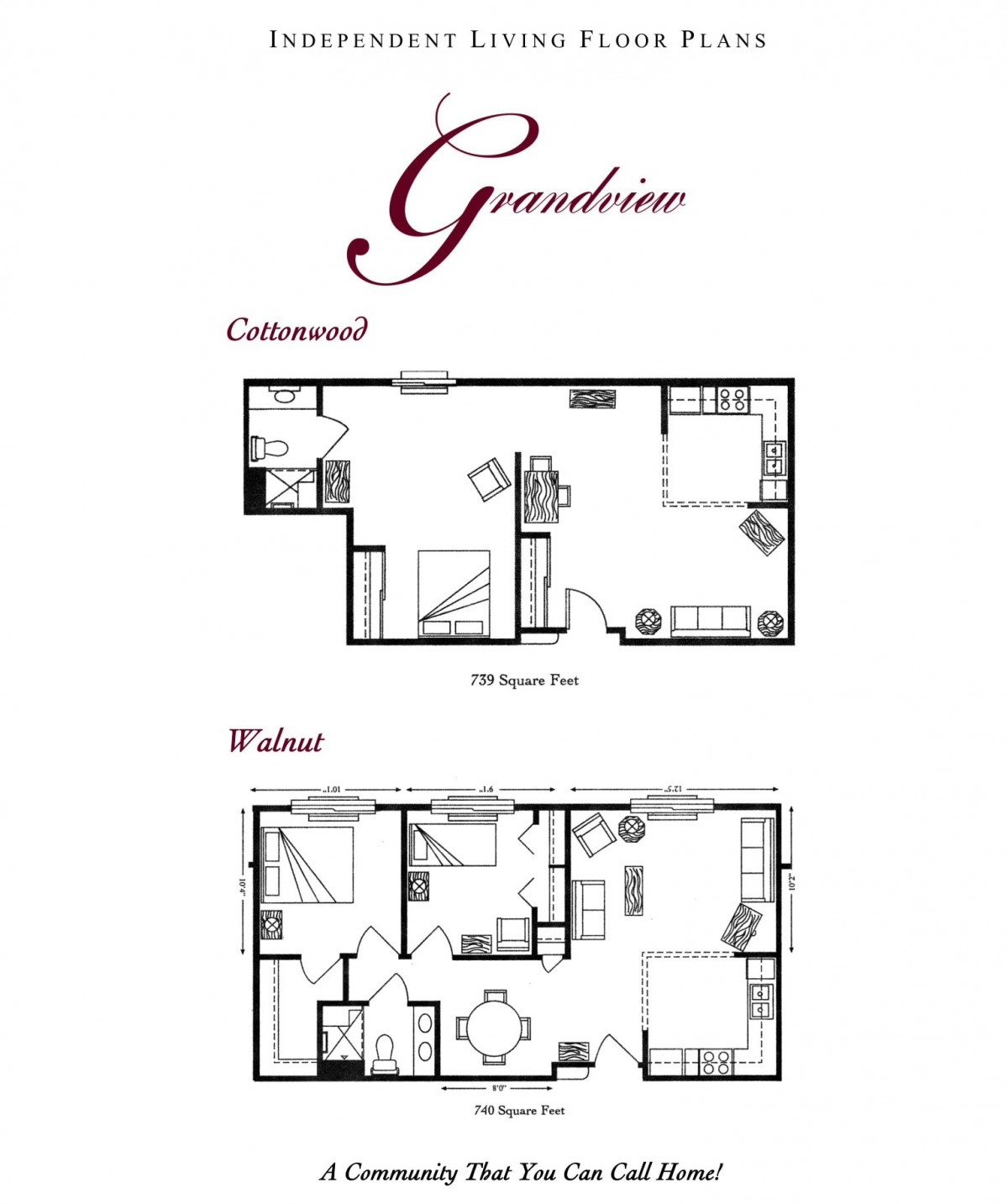
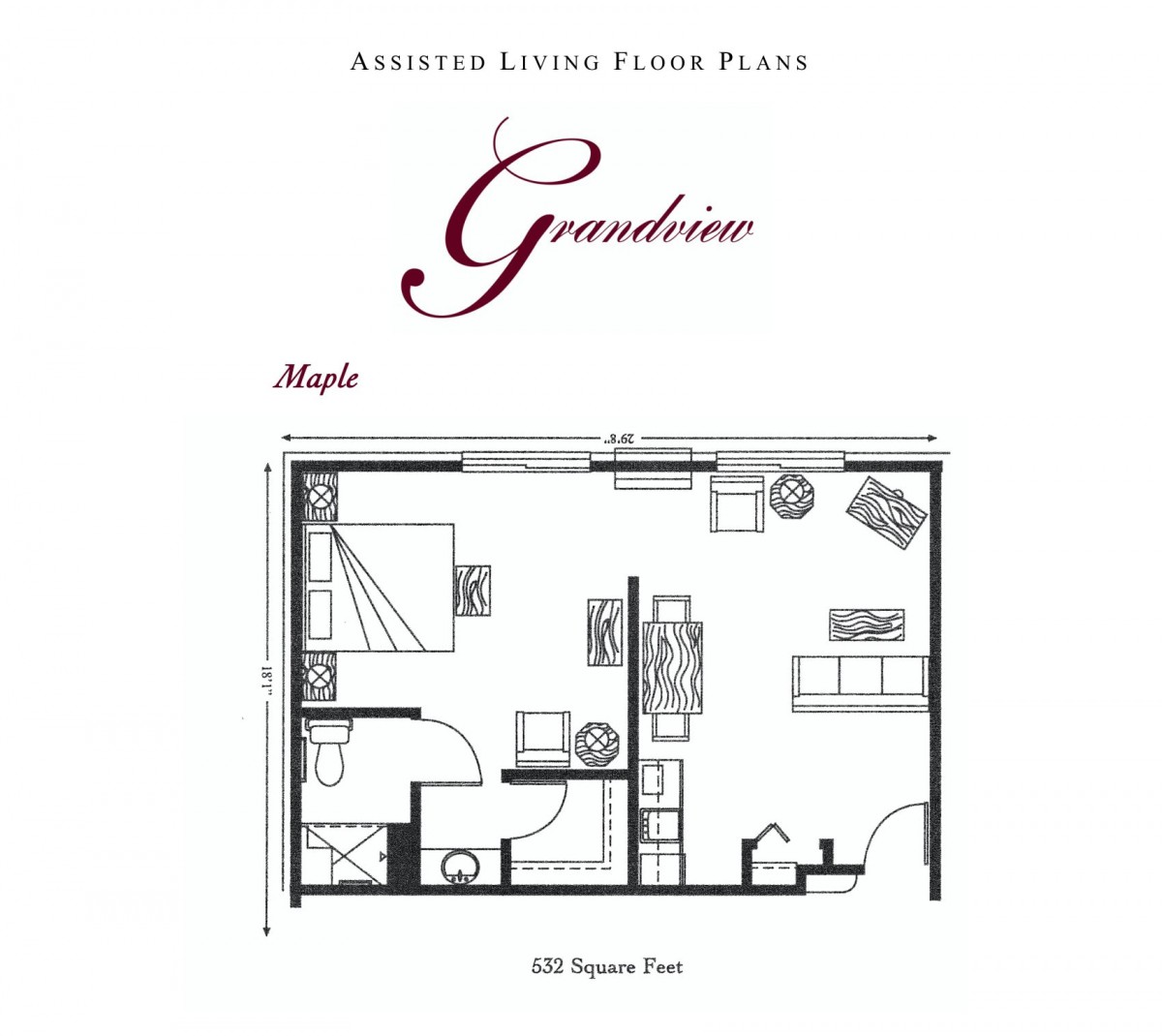
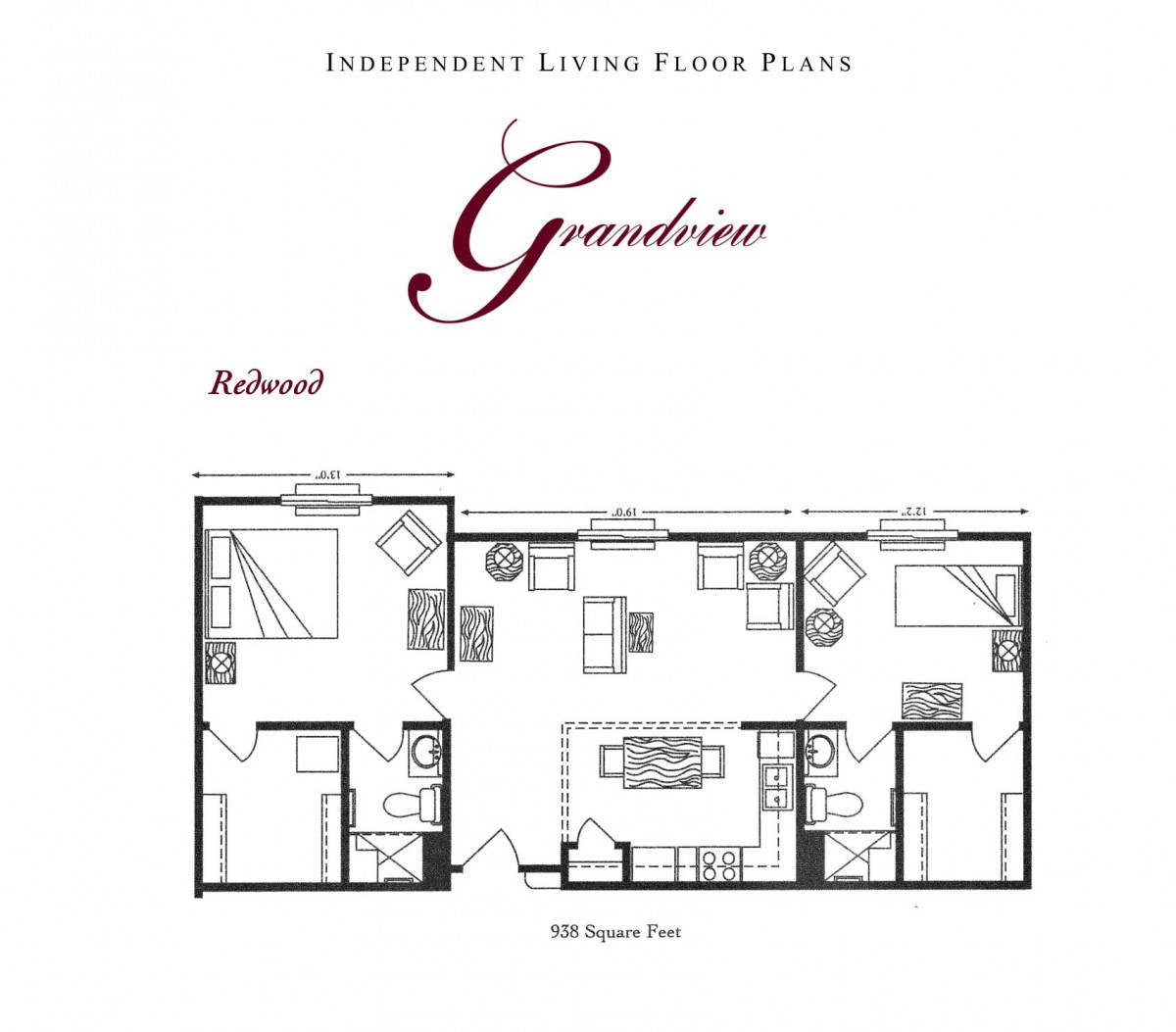
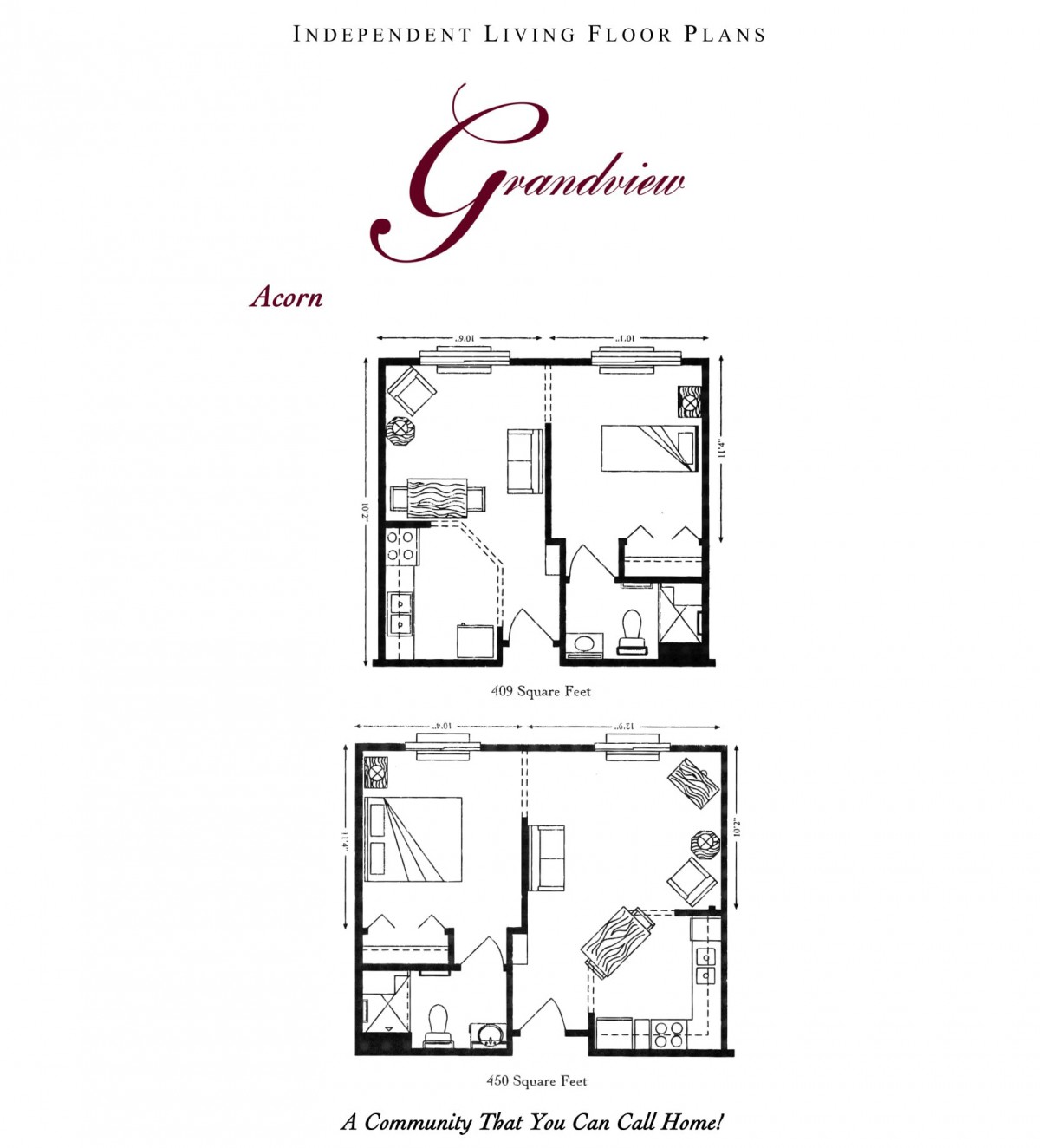
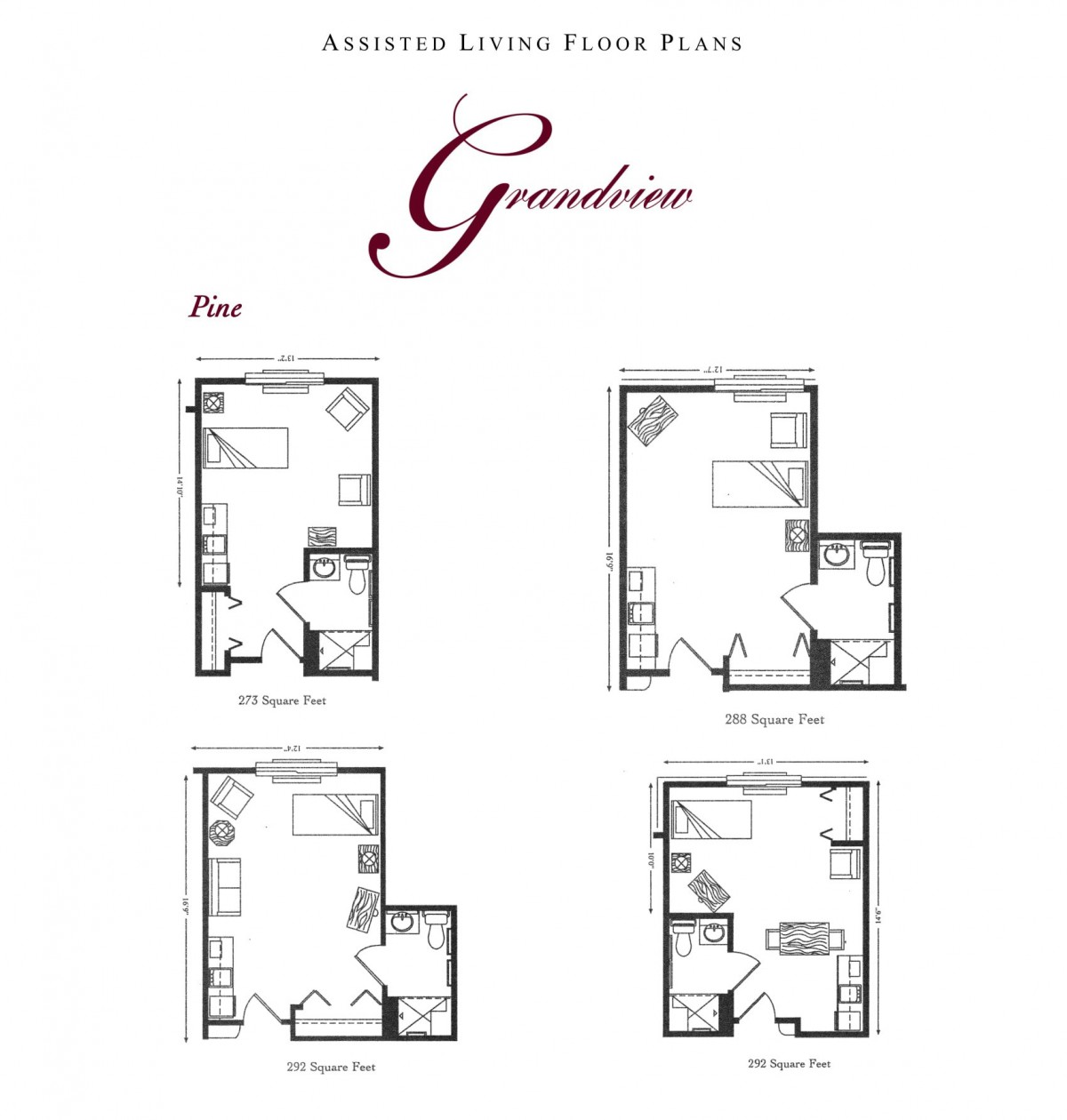
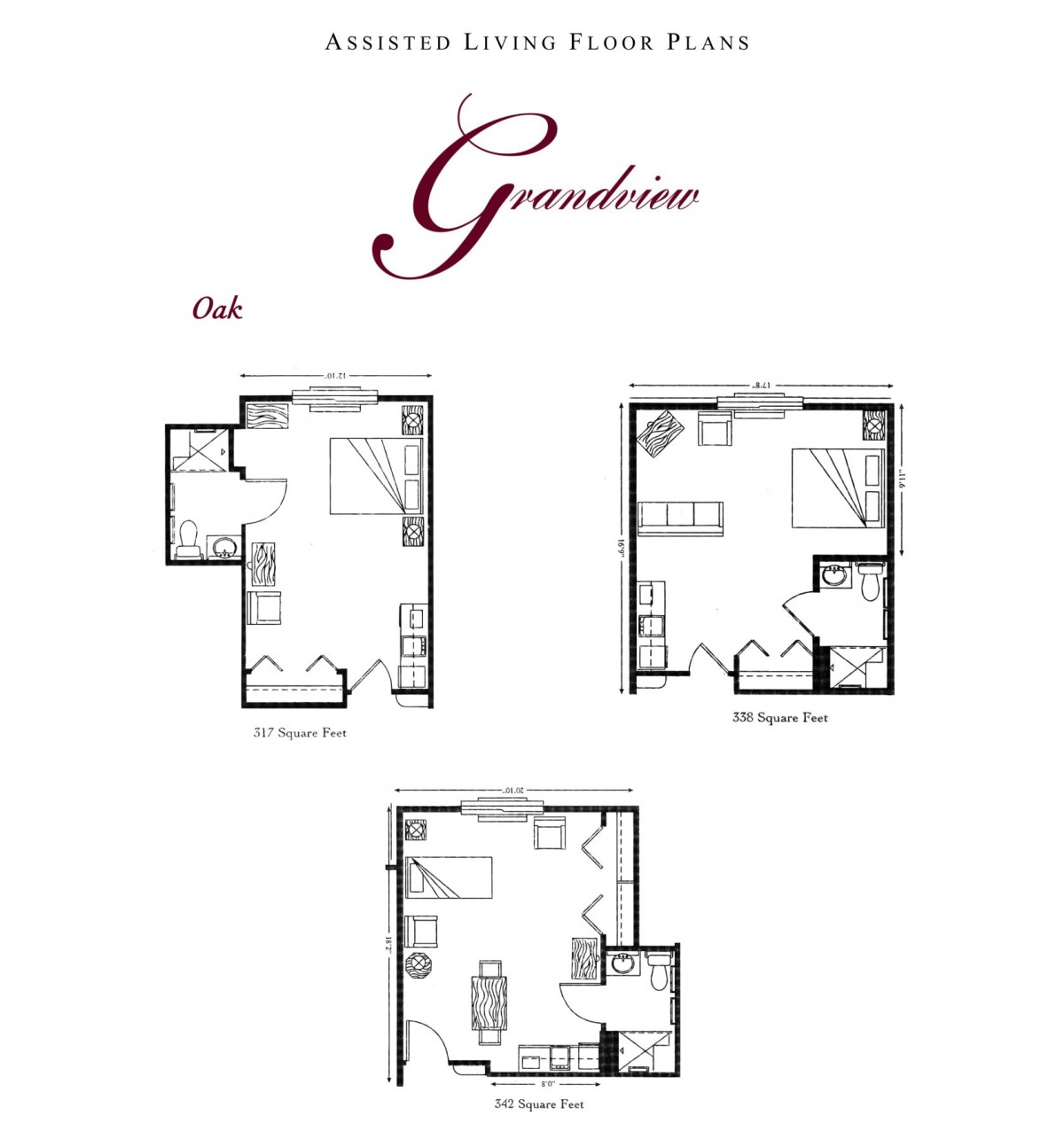
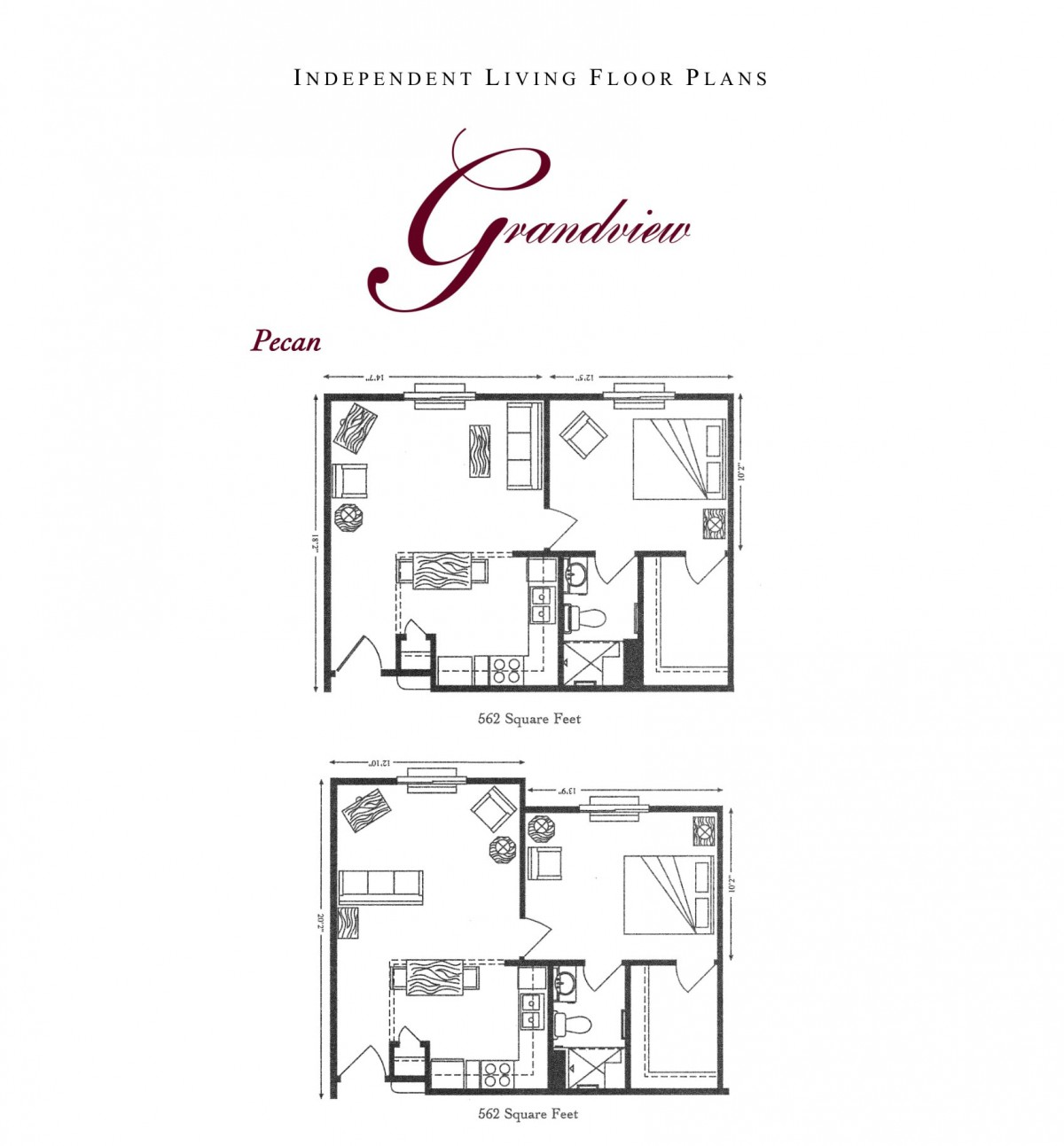
| Floor plans | Grandview Assisted & Independent Living | Valley County | Nebraska |
|---|---|---|---|
| 1 Bedroom | $2,200 | $2,200 | $3,167 |
| 2 Bedrooms | $2,700 | $2,700 | $3,627 |
| Studio | $2,925 | $2,925 | $3,728 |
Overall Review of Grandview Assisted & Independent Living
Pros
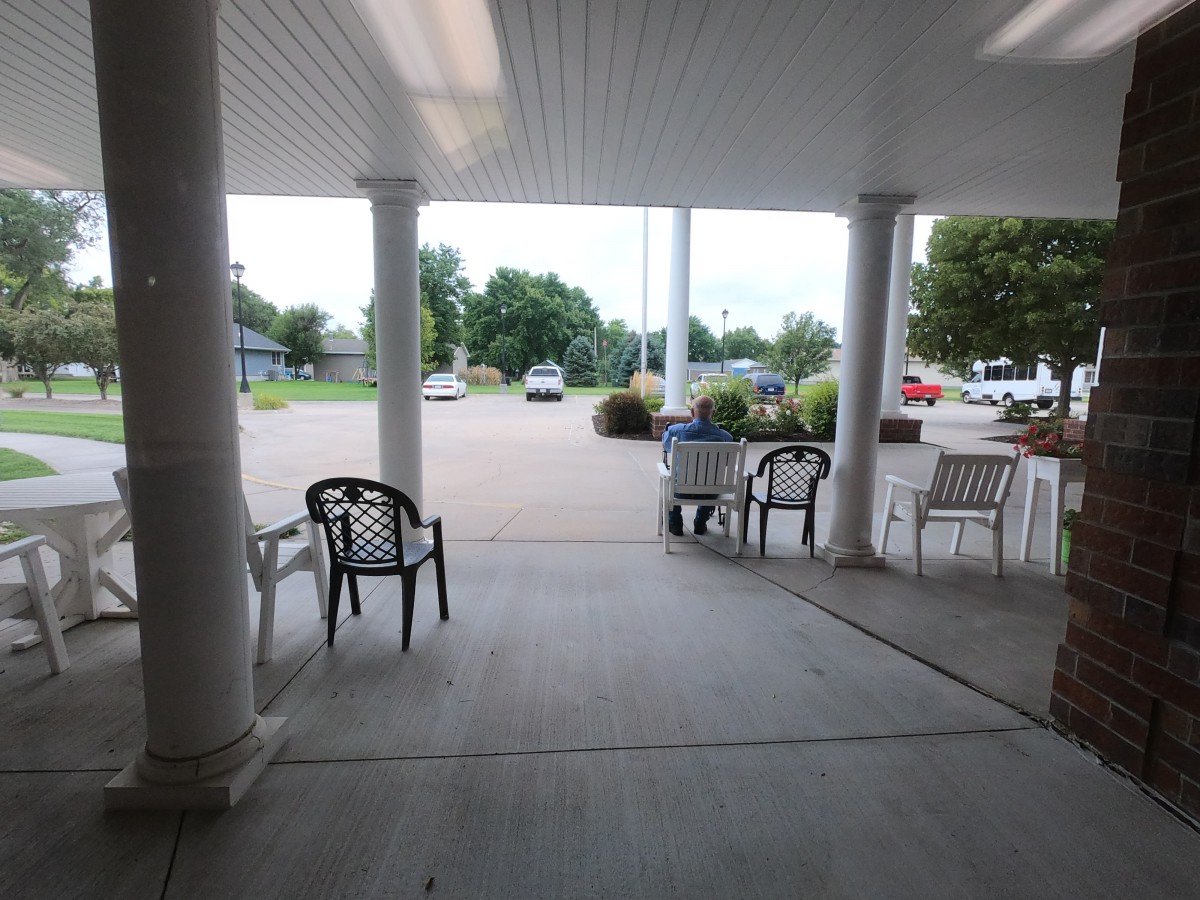
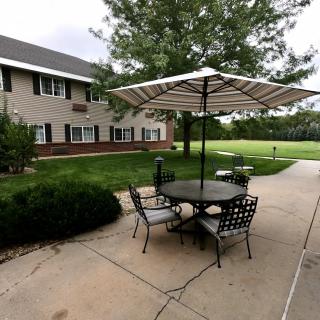
 The view was grand.
- Grandma is happy here and can still go out and do stuff.
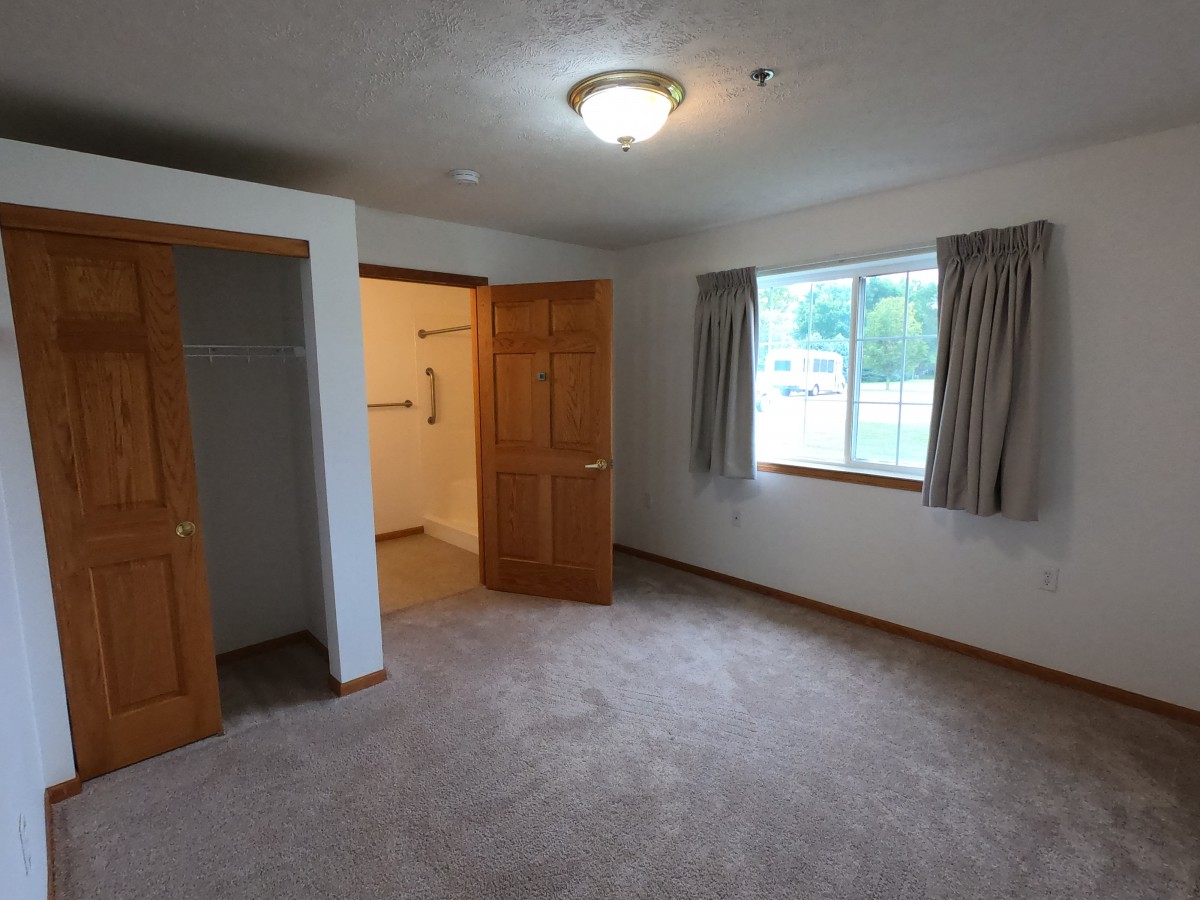
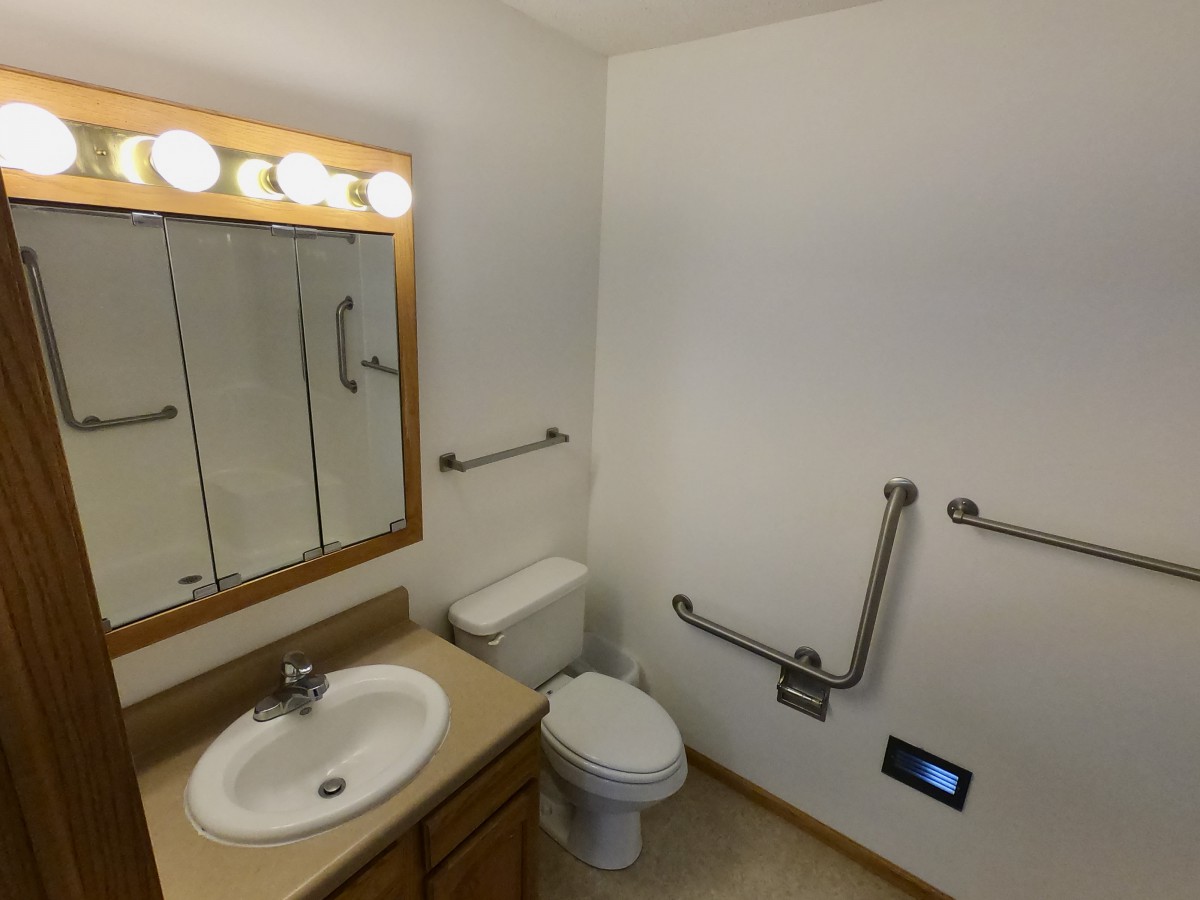
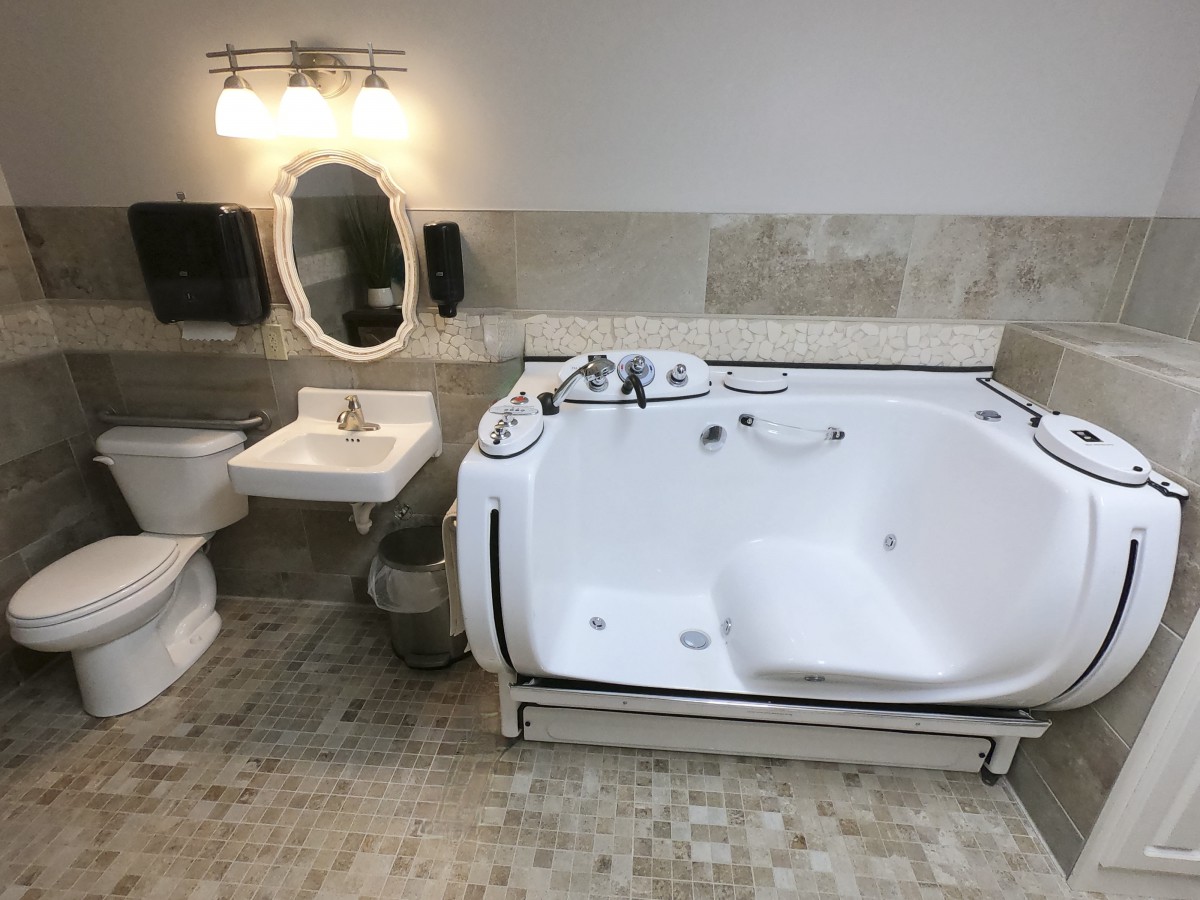
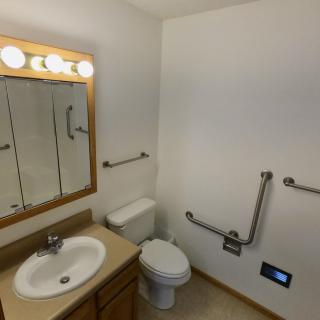
- The place is wheelchair accessible.
- The staff take care of everyone.
Review
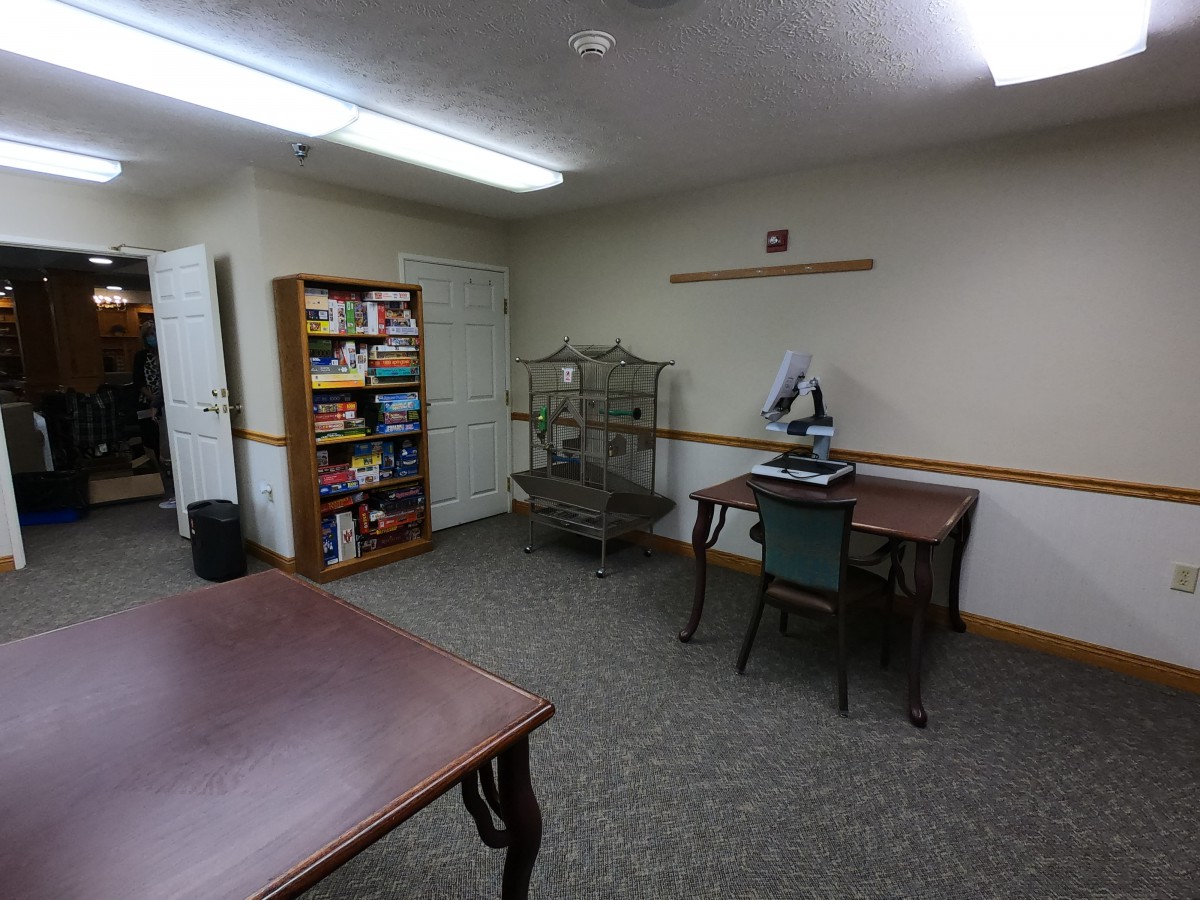
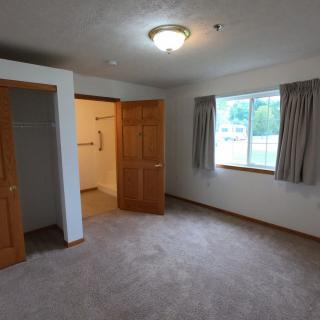
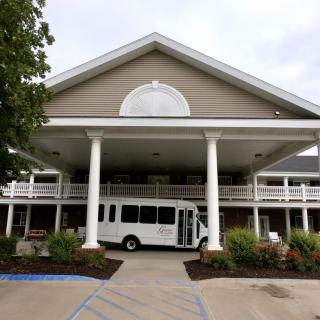
Grandview Assisted & Independent Living in Ord, Nebraska is best suited for seniors who prize a tranquil, scenic setting with solid wheelchair accessibility and a cadence of life that keeps outings within reach. The community appears especially well-matched for residents dealing with dementia who still benefit from an engaging environment and non-restrictive routines. Families seeking a warm, low-key, small-town atmosphere where daily life can resemble independence while receiving steady support will find a compelling fit here. The combination of a grand view, ease of movement through common spaces, and a culture of care makes it a strong option for those who want dignity preserved alongside practical assistance.
However, this setting may not satisfy families seeking a deep continuum of care in a single campus, including intensive nursing oversight, robust memory-care specialization, or access to a wide network of medical partners. The rural Ord location and the smaller community footprint can translate into fewer on-site services and fewer specialized programs than larger facilities offer. For residents who require round-the-clock skilled nursing, complex rehab, or a broader array of on-site clinicians and therapies, exploring options in bigger towns or regions with dedicated memory-care wings may be prudent.
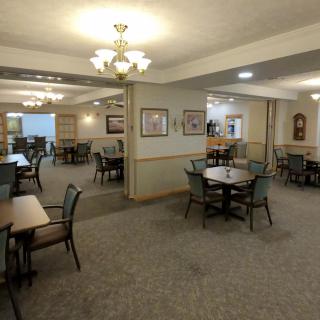
From the available impressions, the strongest pro is the environment itself: the view is described as grand, and the property appears to support mobility with wheelchair-friendly layouts that still encourage independence. This combination translates into more opportunities for safe outings and real participation in daily life, rather than confinement to small, restrictive spaces. The second major pro is the apparent warmth of the care ethos, staff who “take care of everyone” suggests attentive, approachable teams and a resident-centered orientation. These advantages help offset common pain points like social isolation and the sense of being tethered to a bed by delivering meaningful activity and respectful supervision. Yet the absence of detailed information on staffing ratios, the full spectrum of memory-care services, and long-term financials leaves room for questions.
Despite the positives, the lack of publicly available specifics about costs and care options is a potential red flag. Families must verify whether price points align with expectations and whether memory-care programming is integrated or external. The small pool of reviews, three in total, means the evidence base is thin, so caution is prudent until longer-term outcomes and stability are observed. Transportation to outings, meal quality, and the availability of routine physical therapy or on-site rehabilitation are not clearly described, making it essential to schedule a multi-visit tour to observe consistency across mornings, afternoons, and evenings.
Prospective residents should pursue concrete information: ask for the exact dementia-care model, staffing ratios on day and night shifts, and the qualifications of caregivers. Request a sample weekly calendar, menus, and a care plan example for someone with dementia. Inquire about transportation to activities, flexibility for outside visits, and policies on independence versus supervision. Schedule in-person visits to observe interactions, assess accessibility features (ramps, door widths, bathroom safety), and speak with current residents or family members about day-to-day life. The goal is to verify that the practical rhythm of life matches what the initial impressions promise.
When the priority is a scenic, accessible environment where dementia-friendly routines coexist with meaningful outings, Grandview stands out in Ord. It delivers a compelling blend of independence and supervised support that can preserve dignity and activity for many residents. For families needing a full spectrum of medical acuity, or who require a broader set of on-site memory-care services and more extensive staffing, alternatives in larger markets or specialized memory-care campuses should be compared. With careful verification of care offerings, pricing, and daily cadence, this community can be a sound, practical choice that minimizes isolation while maximizing engagement.
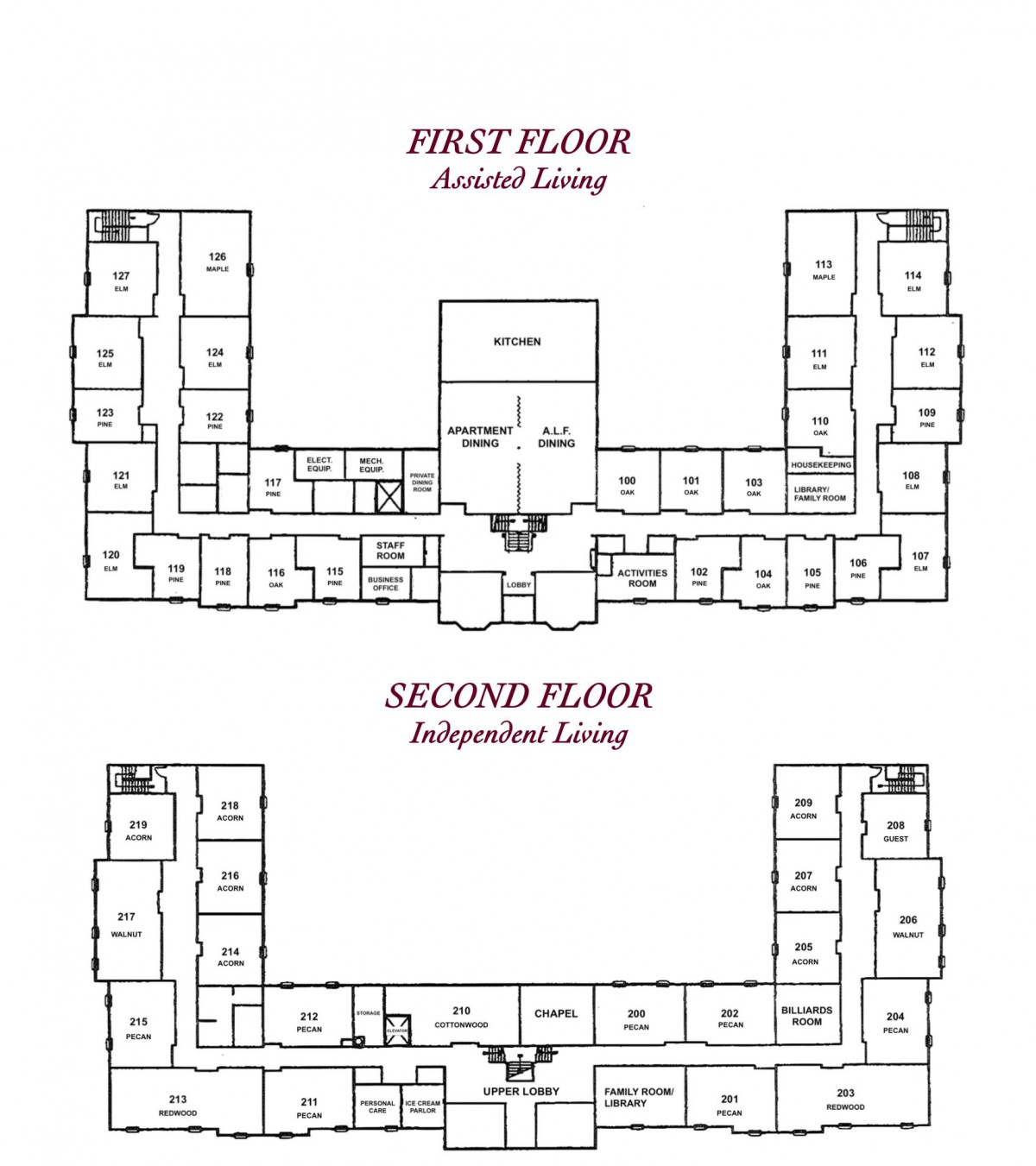
 Assisted Living
 Independent Living
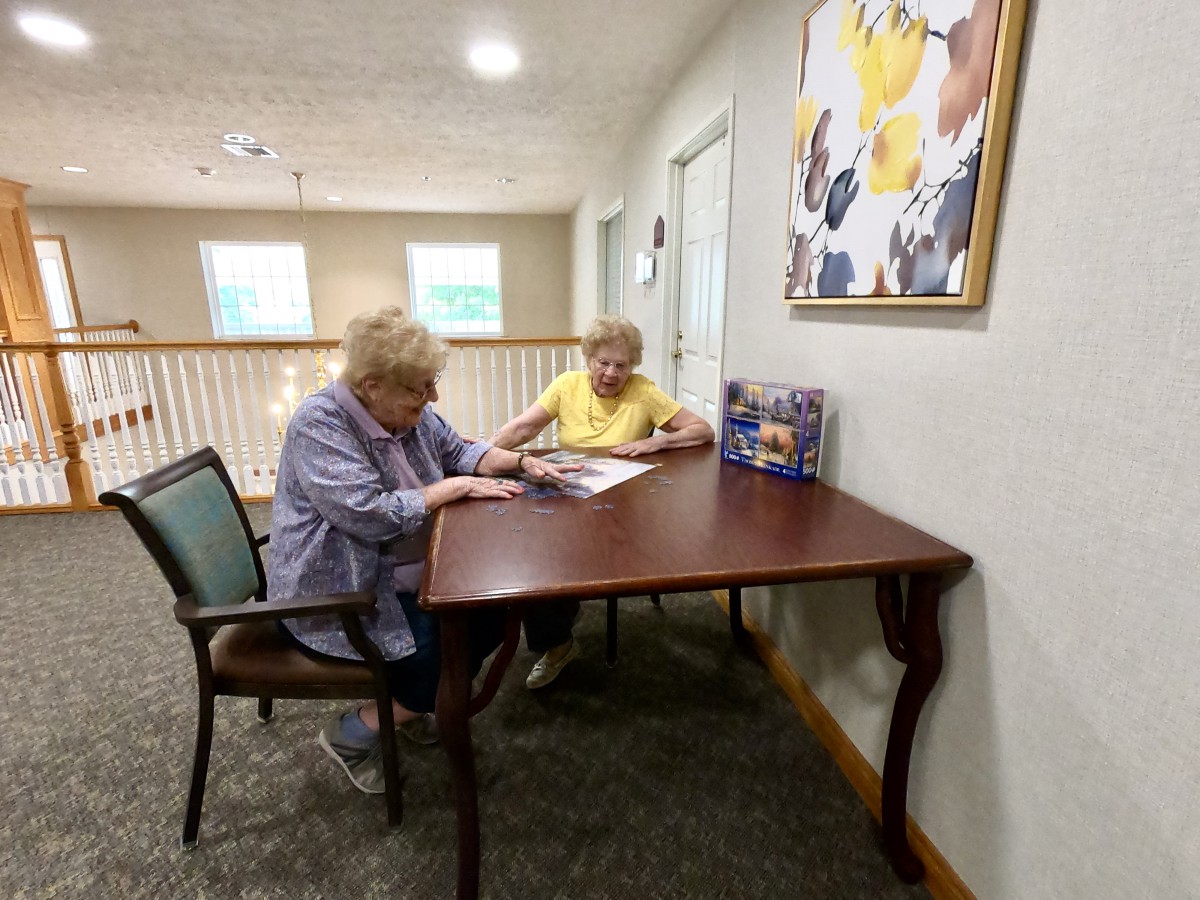
 Activities on-site
 Air-conditioning
 Cable or satellite TV
 Devotional services off-site
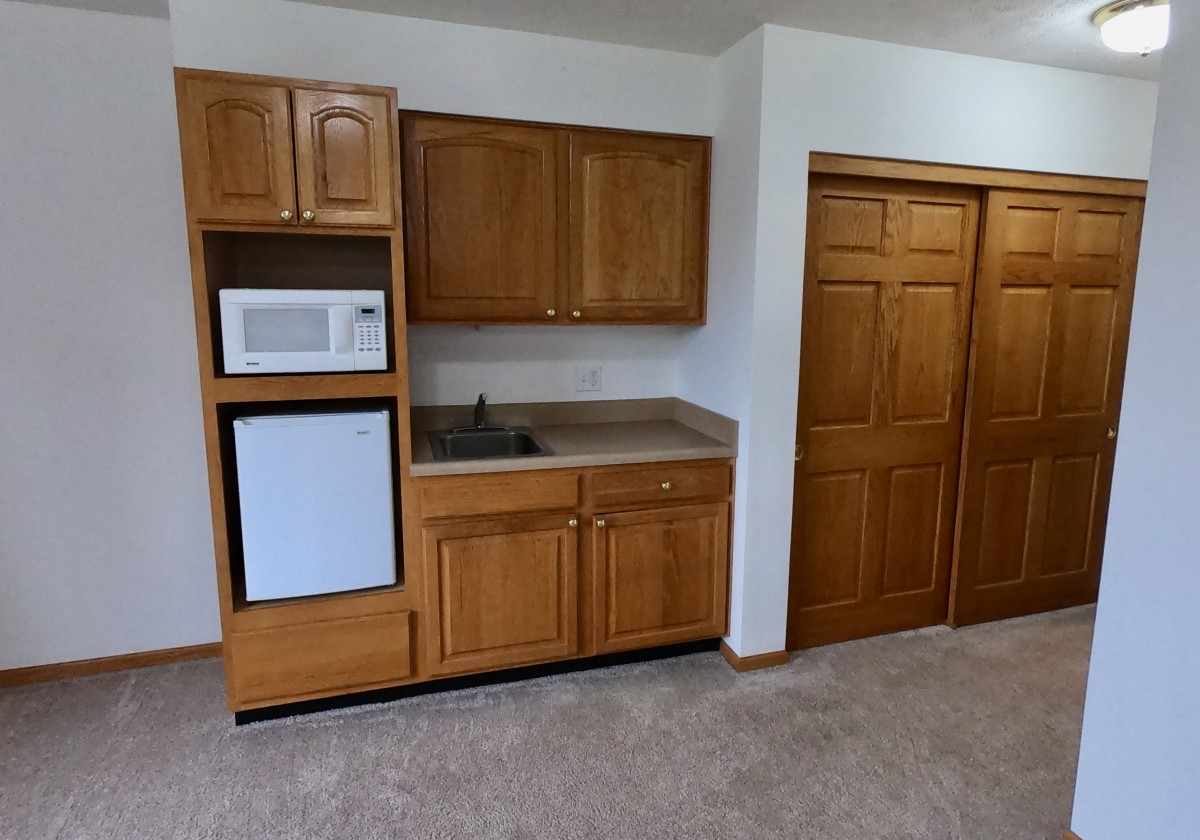
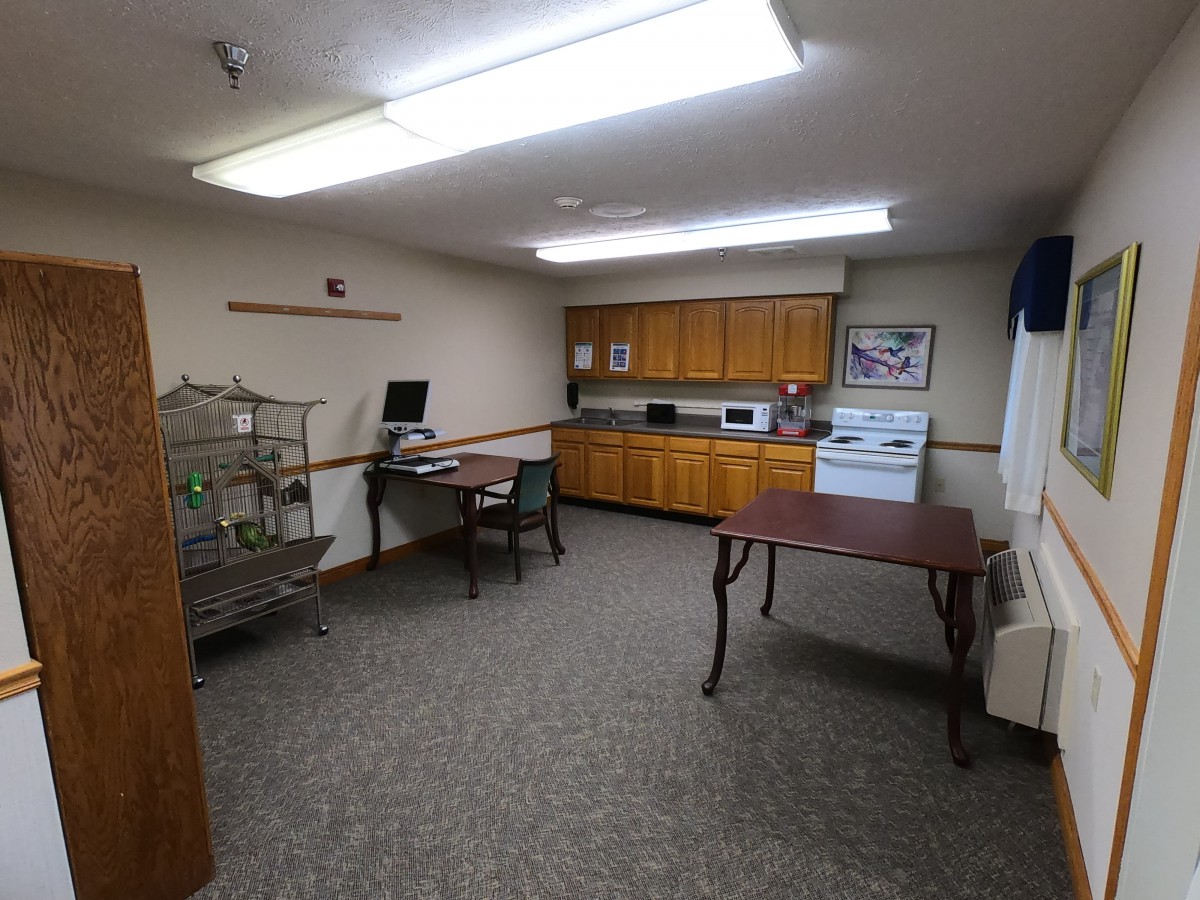
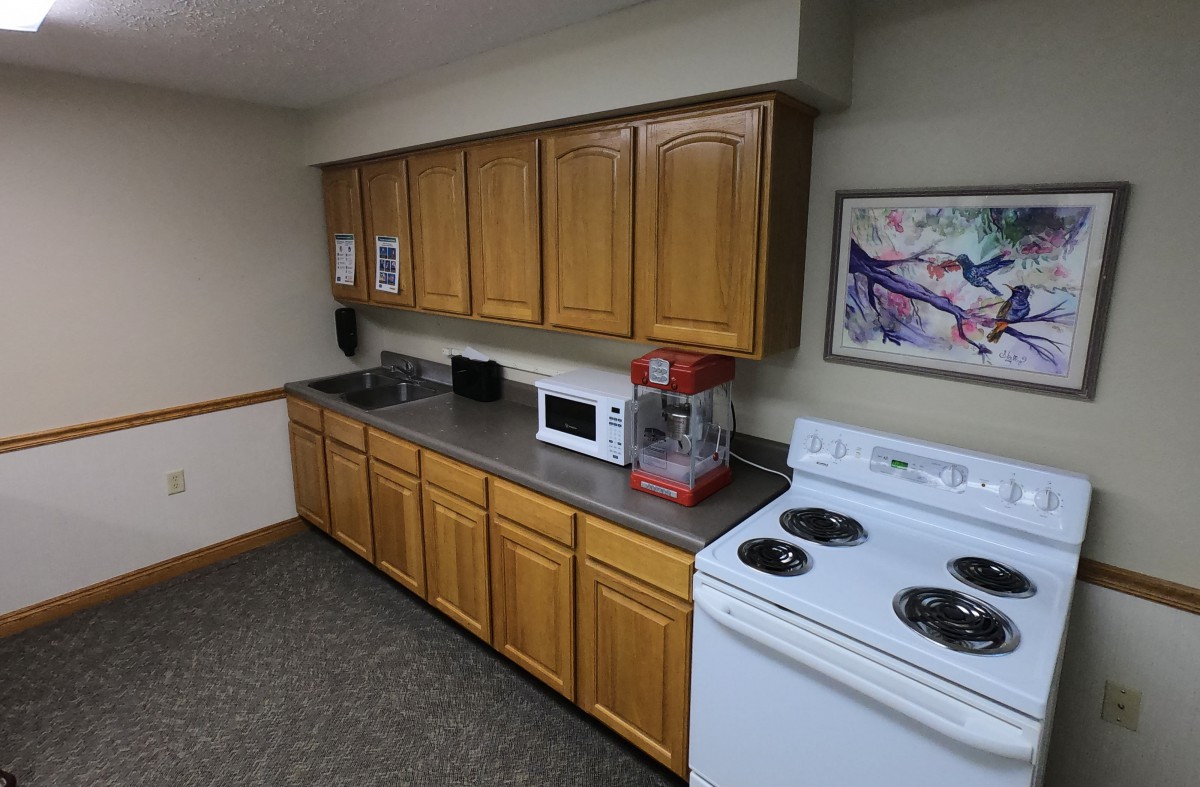
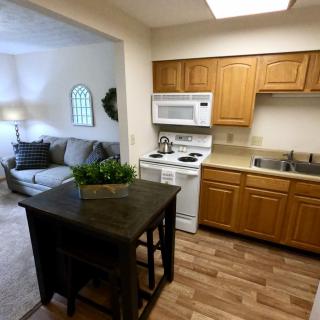
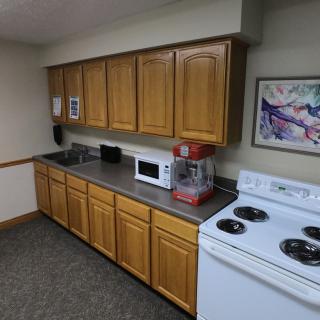
 Full kitchen
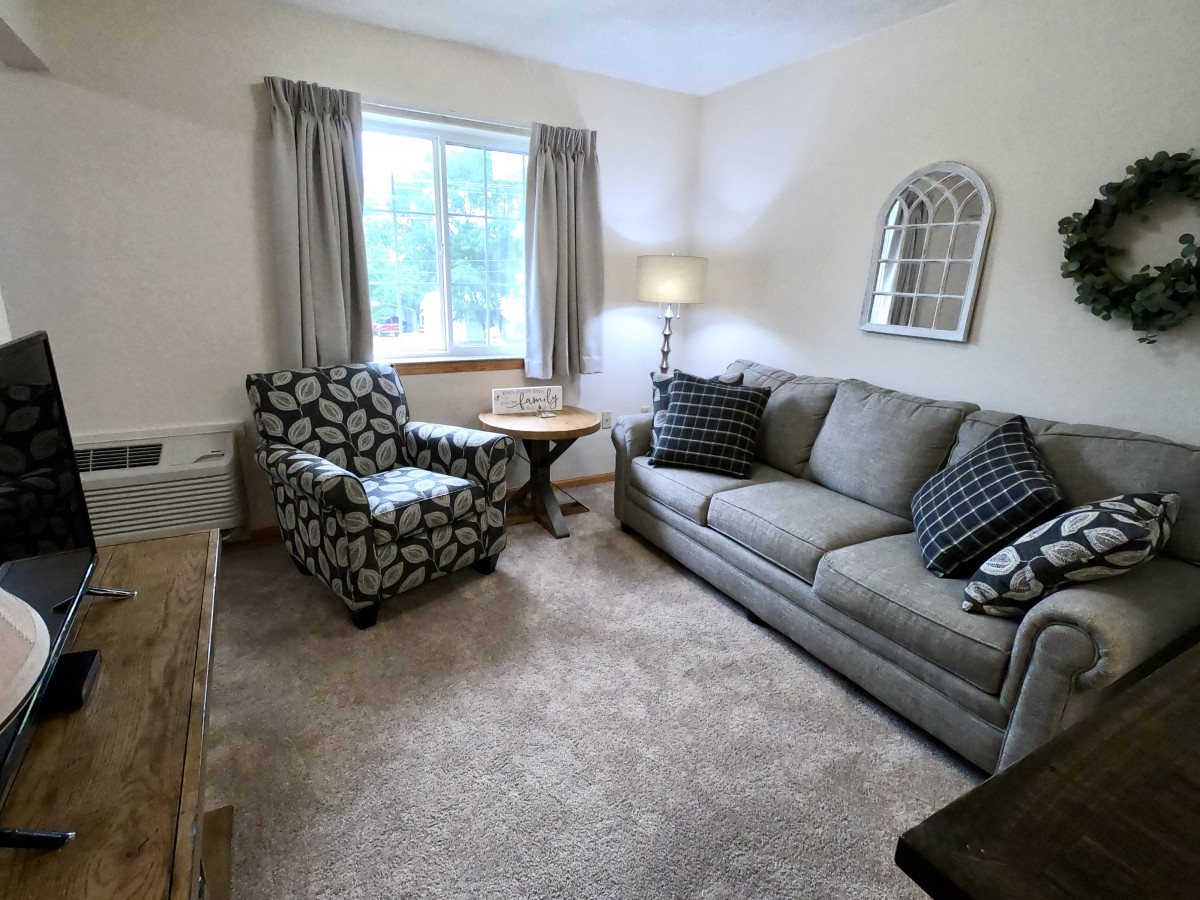
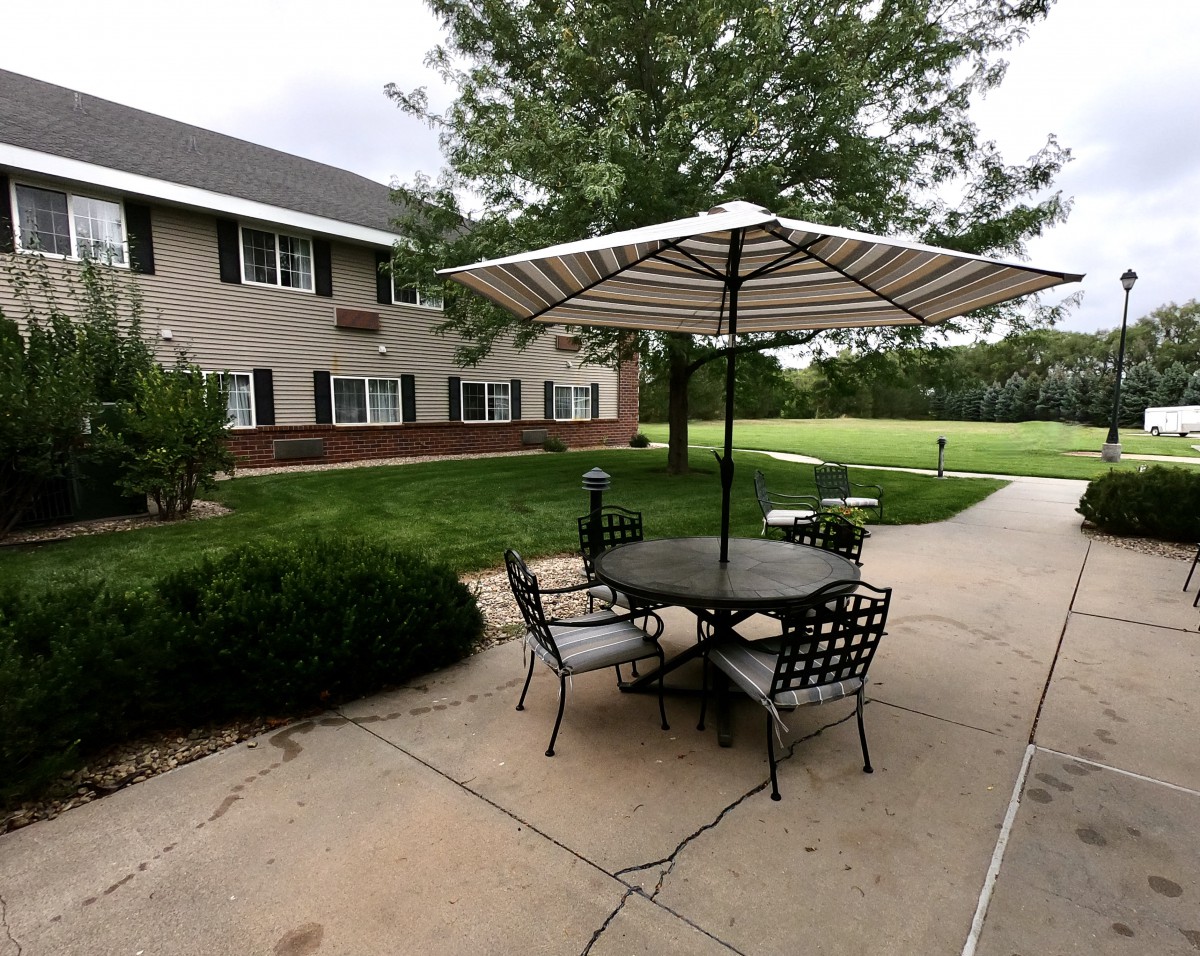
 Garden view
 Ground floor units
 Handicap accessible
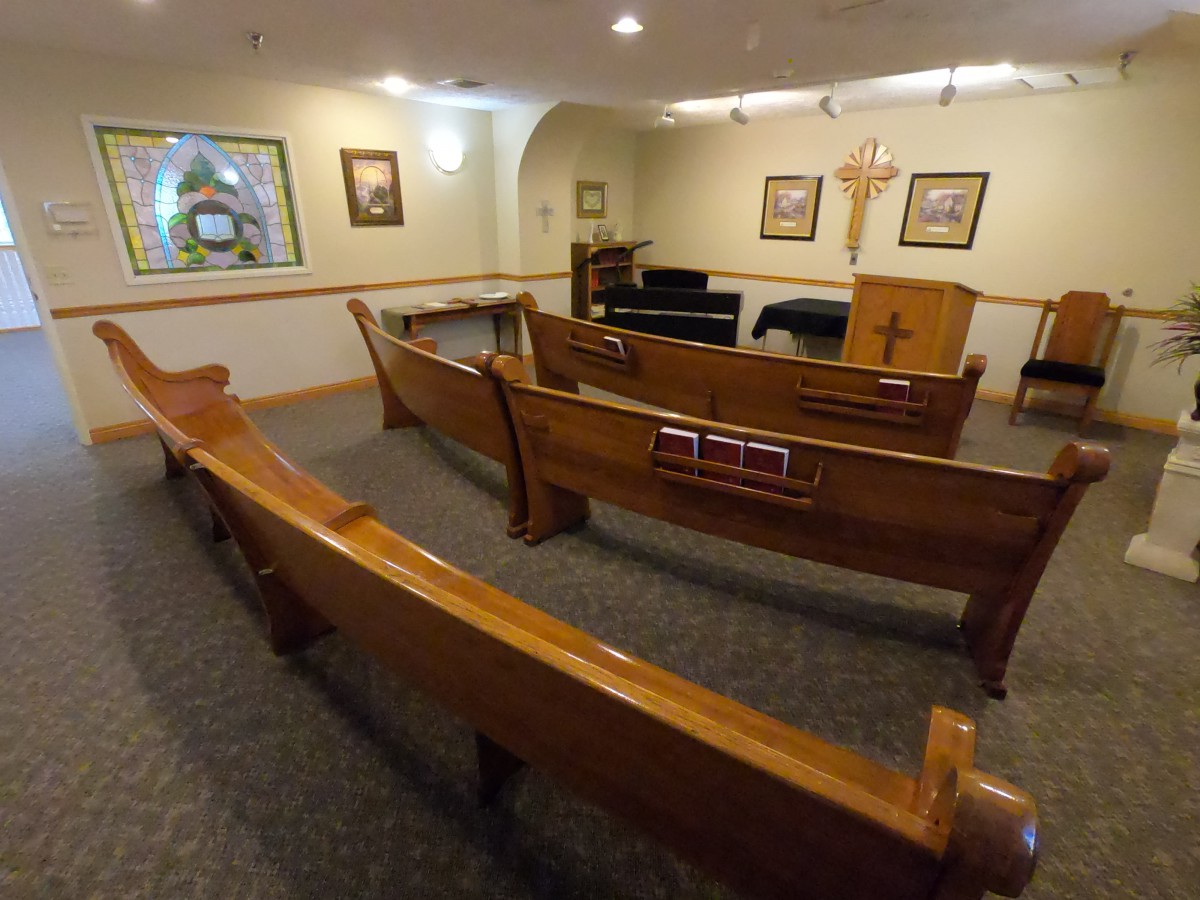
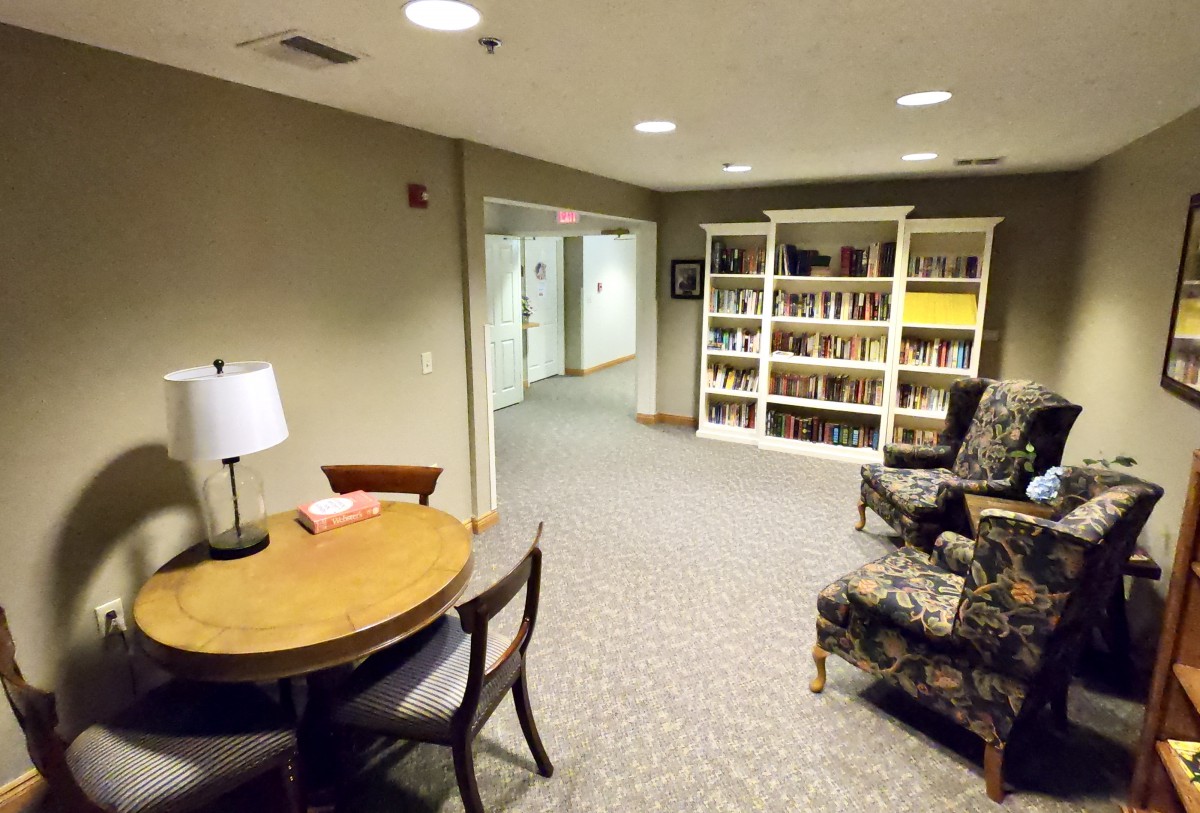
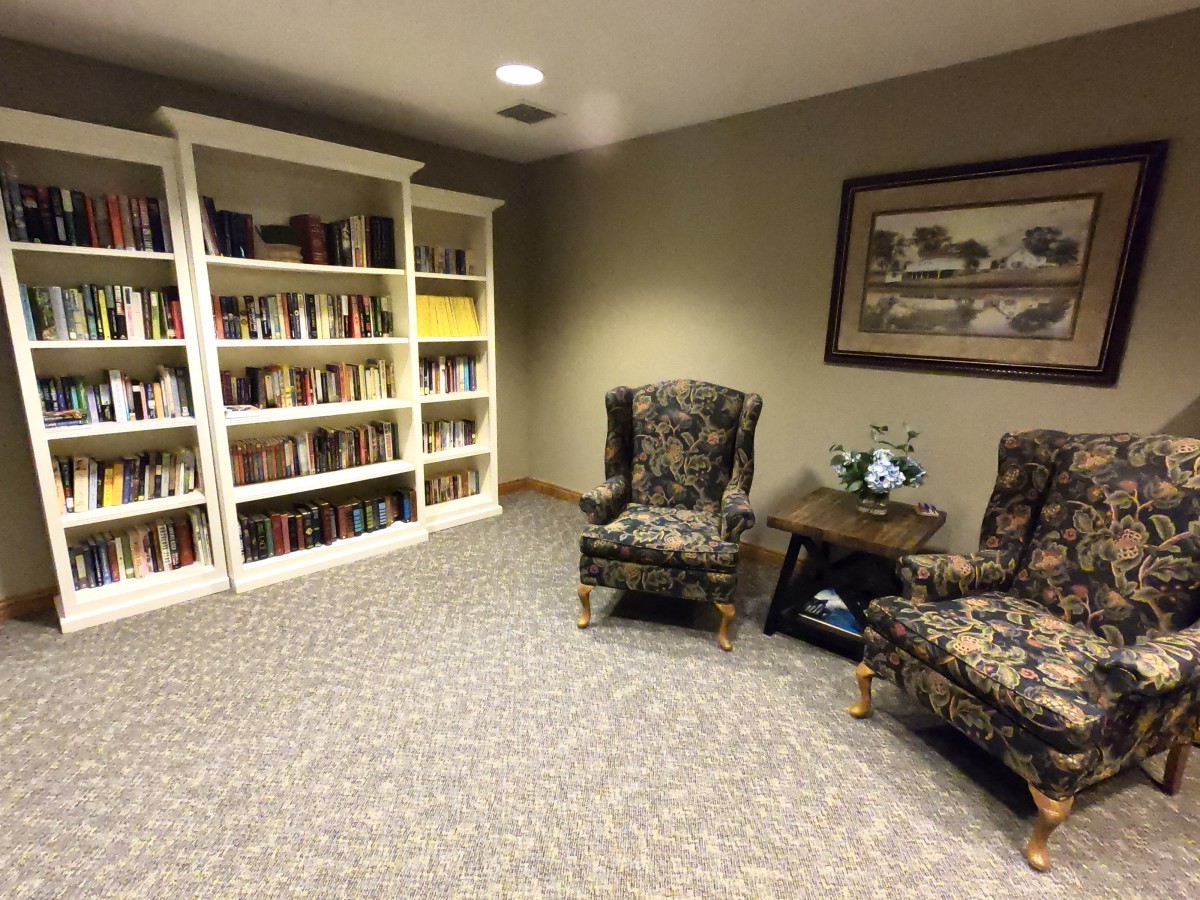
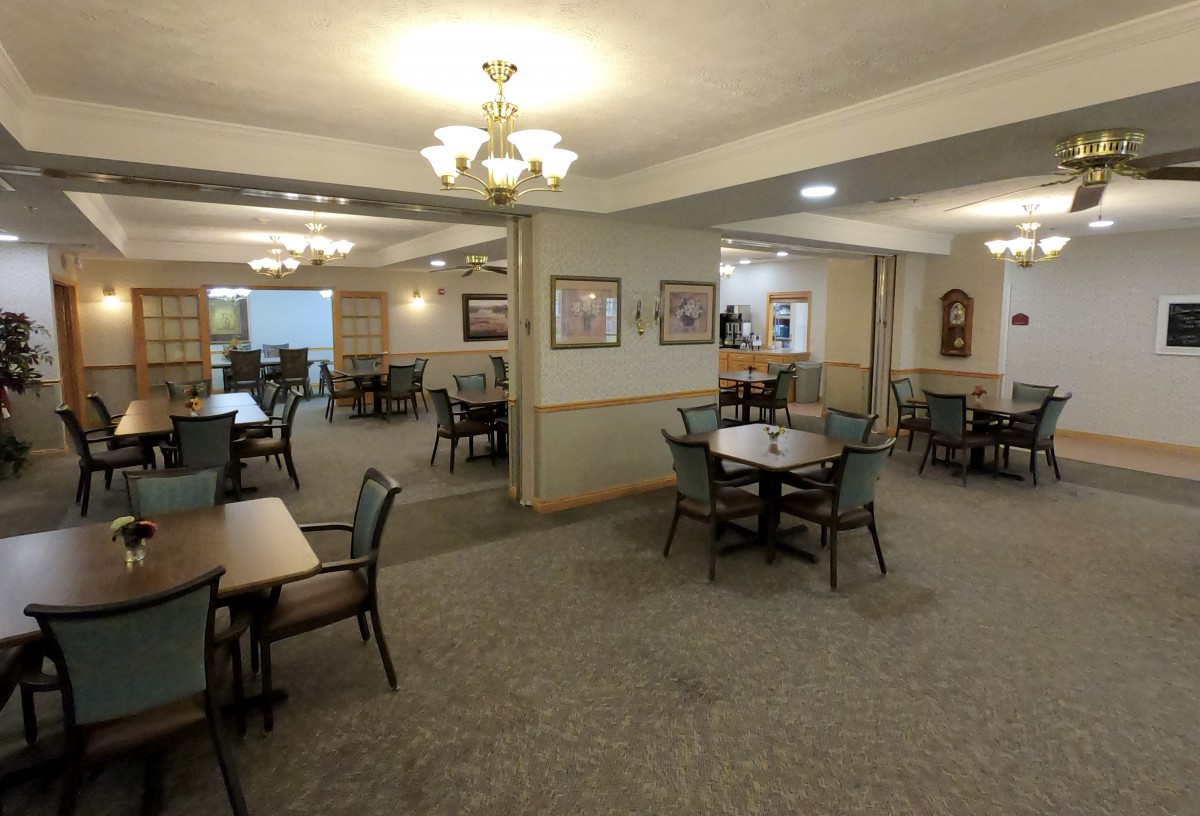
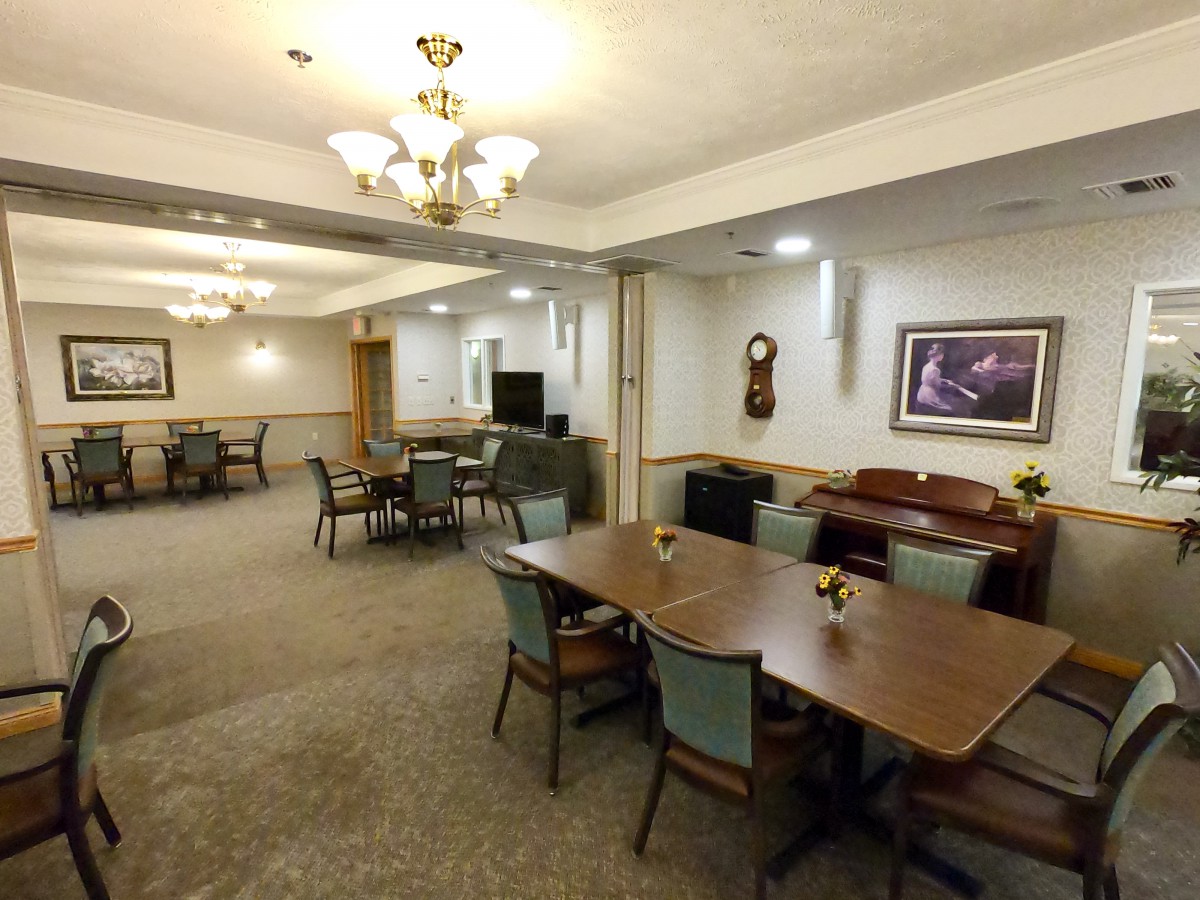
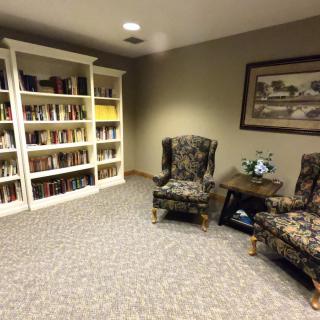
 Indoor common areas
 Respite or short term stays offered
 Wi-Fi/high-speed internet available
 Ambulatory care
 Diabetic care
 Incontinence care
 Guest meals
 Bible study group
 Day trips and outings
 Educational speakers / life long learning
 Forever fit
 Happy hour
 Live musical performances
 Live well programs

 Vibrant Senior Living: A Comprehensive Guide for Active Older Adults
 When to Transition from Assisted Living to Memory Care: Key Indicators, Steps, and Finding the Right Community
 Assisted Living and Memory Care: Understanding Their Core Differences