
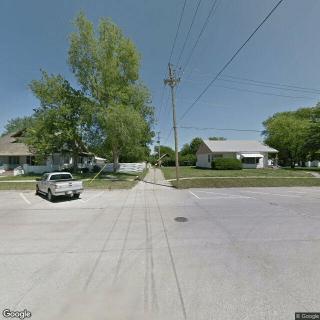
1820 N St, Ord, NE 68862
To contact a resident: (308) 728-3967
For more information about senior living options: (866) 208-4318
Overall Review of Corner Cottage Assisted Living
Pros
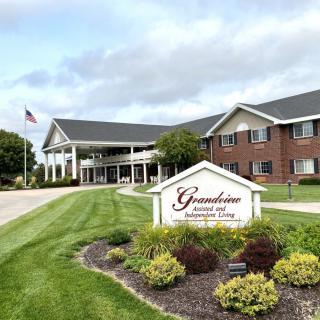
 The view is grand.
- The grandmother with dementia is happy there, and she can still go out and do things.
- The place is wheelchair accessible.
- The staff take care of everyone.
Review
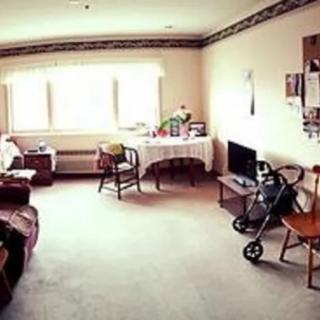
Corner Cottage Assisted Living in Ord, Nebraska is best suited for families seeking a small, home-like setting where a loved one, especially someone with dementia or memory-care needs, can stay engaged without surrendering independence. The community leans into an intimate footprint that supports personal attention, clear wheelchair accessibility, and the option to maintain an active routine. The environment invites outdoor activity and simple, judgment-free outings, which matter greatly for mood and orientation in memory-impaired residents. The overall impression is of a place where the view is pleasant and the day-to-day experience is anchored by familiar faces, steady routines, and a sense of belonging rather than impersonal corridors and crowded common spaces.
That said, attention should go to who may want alternatives. If a loved one requires around-the-clock nursing oversight, a formal memory-care program with dedicated dementia specialists, or a broader campus with extensive on-site therapies and higher-level medical services, Corner Cottage may feel too small or limited. Families needing comprehensive medication administration, more intensive rehabilitation services, or aggressive care management may prefer a larger assisted-living or a dedicated memory-care community with a full medical team. Additionally, those seeking expansive programming, multiple dining venues, or transportation hubs might find a larger setting more aligned with their lifestyle expectations.
The strongest pros center on dementia-friendly design, real opportunities for outings, and evident resident-centered care. The ability to “go out and do stuff” without logistical hurdles matters enormously for cognitive and emotional well-being, and wheelchair accessibility removes a common barrier for mobility-challenged residents. The reviews convey genuine affection and trust: the staff appear to “take care of everyone” and create a climate of safety and consistency that can substantially reduce anxiety for families and residents alike. In a setting this small, caregivers often know residents’ preferences, routines, and triggers, which translates into tailored support and fewer missteps in daily care.
Those same strengths offset several typical drawbacks inherent in small, intimate communities, but not all cons disappear. A tightly scoped operation can deliver exceptional personalized attention, yet it may also limit certain services and offerings that larger facilities provide. The tight-knit atmosphere tends to foster continuity of care and predictable staff assignments, which is a boon for someone with dementia. However, it can also mean fewer on-site specialists, more limited social programming breadth, and slower access to specialized therapies. The key is to balance the value of personalized attention and daily familiarity against the potential need for more extensive medical or rehabilitative resources.
To make a well-informed decision, families should come prepared with targeted questions. Confirm whether there is a dedicated memory-care track, and if staff receive ongoing dementia-specific training, including behavior management and safety protocols. Inquire about staffing ratios for different shifts, the process for administering medications, and how care plans are developed and communicated to families. Explore daily life specifics: what a typical day looks like, how outings are scheduled, the flexibility of meal times, and the range of activities offered. Ask about transportation options, respite or short-term stays, and what happens when a resident’s needs rise beyond the current care plan. Clarify costs, what is included in the monthly fee, and any potential add-ons for therapies, transportation, or specialized care.
In practical terms, Corner Cottage stands out for families prioritizing dignity, independence within a safe framework, and meaningful engagement for a loved one with dementia. It is a compelling choice for those who value a warm, intimate setting where outings are encouraged and staff consistently demonstrate care for everyone. It is less well suited for families whose loved one requires robust 24/7 medical nursing, sophisticated memory-care protocols, or a breadth of on-site therapies that exceed what a small village-style community can provide. A thoughtful visit, talking with administrators, observing activity, and meeting direct caregivers, will reveal whether the pace, culture, and care philosophy align with the resident’s needs. If alignment is confirmed, Corner Cottage becomes a highly credible option that can deliver steadiness, happiness, and genuine quality of life for the right resident.
 Assisted Living
 Activities on-site
 Devotional services off-site
 Indoor common areas
 Ambulatory care
 Diabetic care
 Meals provided

 Exploring the Path to Senior Living: A Comprehensive Look at Independent Living and Assisted Living
 Is Assisted Living Deductible on Your Taxes? Understanding the Complexities of Assisted Living Expenses and Deductions
 Assisted Living Support for Veterans: A Complete and Detailed Overview