Residents describe staff who are consistently caring, kind, and easy to work with.
Across many reviews, people highlight a staff that feels genuinely caring and respectful, including being in a good mood and going the extra step to help. Several reviewers also say the team is very friendly and helpful, with veterinarians who take time and explain things. Multiple reviews mention pets feeling safe, comfortable, and well cared for in the clinic’s hands.
common5 reviews mention this
Veterinarians show real know-how
People trust the care because they describe knowledgeable veterinarians who take time with pets.
Reviewers repeatedly connect good outcomes with veterinary expertise and attention—such as bringing pets through procedures and providing thoughtful care rather than rushing. Several also mention helpful explanations and the feeling that the veterinarians understand each pet as more than a number. A number of reviews specifically call out Dr. Glasser’s knowledge and the care she provides while interacting with pets and owners.
common2 reviews mention this
After-hours help gets mentioned
Residents mention being able to reach help during off-hours when they needed it.
A couple of reviews specifically describe contacting an on-call option during early hours and getting a fast response. Those experiences are framed as reassuring, with reviewers feeling comfortable leaving their pets in the clinic’s care. Overall, the reviews suggest accessibility when urgent timing matters.
How we summarize
Counts show how many written reviews mention each theme; a review can touch several themes, and only frequently mentioned themes are displayed.
Features
Types of Care
Assisted Living
Amenities
Activities on-site
Devotional services off-site
Indoor common areas
Care Services
Ambulatory care
Diabetic care
Dining
Meals provided
Activities
Activities on-site
Devotional activities offsite
Nearby Places of Interest
Hospitals
Spalding Medical Clinic (0.1 miles)
Greeley Care Home (13 miles)
Boone County Medical Clinic (18.5 miles)
Boone County Health Center (18.6 miles)
Good Samaritan Society - Albion - Wolf Memorial (18.6 miles)
Amh Elgin Clinic (24.8 miles)
Pharmacies
Spalding Pharmacy (0.1 miles)
Good Life Discount Pharmacy (18.8 miles)
Good Neighbor Pharmacy (18.8 miles)
Wells Drug (18.8 miles)
Elgin Pharmacy (24.8 miles)
Restaurants
Bottoms Up Bar (0.1 miles)
Kealy's Tavern & Bowl (0.2 miles)
T R Cricket's Restaurant (13 miles)
Whistler's Pub and Grill (13.1 miles)
Shorty's Ice Cream Shoppe (18.7 miles)
The Stirred Pot (18.7 miles)
Hwy 14 Brewing Company (18.8 miles)
Places of Worship
St Michael's Catholic Church (0.1 miles)
United Methodist Church (12.9 miles)
Loretto United Methodist Church Albion (15.6 miles)
The VA Aid and Attendance benefit provides financial support to veterans needing assistance with daily living due to medical conditions or disabilities, augmenting standard VA pensions for services like in-home care. Eligibility is based on service duration, wartime status, income, and medical needs, with a detailed application process required to access funds for caregiving and home modifications.
Senior move management services assist older adults in the relocation process by providing emotional support and organizational help, addressing unique challenges like downsizing and moving from long-term homes. These specialists collaborate with real estate agents and manage logistics, making the transition smoother for seniors and their families.
The article examines senior housing options, detailing the distinctions between independent living and assisted living, along with the emerging "independent assisted living" model that blends both approaches. It highlights the importance of assessing individual needs, preferences, and financial factors in making informed decisions about suitable living arrangements for seniors.
Get PricingAsk A QuestionSchedule A TourContact Senior Advisor
By clicking submit, you agree to our Partner's Terms of Use. You
also consent to receive calls and texts, which may be autodialed, from our Partner. Your consent is not a condition to
using our Partner's service. Please visit our Partner's Privacy Policy for information about their privacy practices.

 Assisted Living
 Activities on-site
 Devotional services off-site
 Indoor common areas
 Ambulatory care
 Diabetic care
 Meals provided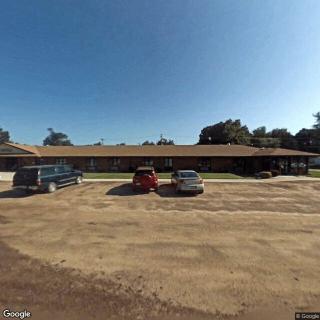
 Small, personalized setting with 24/7 supervision and comprehensive daily living support.

 An Extensive Exploration of the VA Aid and Attendance Benefit
 Senior Transition Services: Understanding Their Role, Cost, and Importance
 Exploring the Path to Senior Living: A Comprehensive Look at Independent Living and Assisted Living