

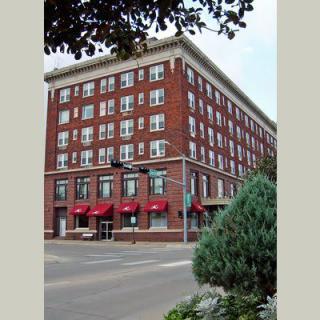
803 N Alpha St, Grand Island, NE 68803
To contact a resident: (308) 381-4553
For more information about senior living options: (866) 208-4318
Overall Review of Regency Retirement Residence
Pros
 Residents say living at Regency is a smart move, they make good friends and enjoy the activities, with Peggy providing extensive support for everyone.
- Families describe moving a loved one to Regency as the best decision, praising Peggy for managing a high-quality all-around environment for seniors.
- The community is seen as well-run, with Peggy providing attentive management and the place staying clean, offering opportunities for friends and activities.
- Peggy is recognized for going above and beyond in helping those in need, contributing to a caring and supportive living environment.
Cons
 The management is terrible.
- Healthcare and service are poor.
- The environment is poor and the management is questionable.
- They unlawfully evicted a 95-year-old veteran without notice or reason, which is despicable.
- Evicting a 95-year-old WWII veteran is a disgrace.
- The Regency is the worst independent living community in Grand Island, Nebraska, with poor management in all areas.
- The Regency offers a poor experience for senior retirement.
Review
Regency Retirement Residence in Grand Island is best suited for seniors who want a lively social scene and a hands-on on-site manager they can rely on. It works particularly well for independent living residents who thrive on organized activities, regular companionship, and a sense of community within a manageable, apartment-style setting. The recurring threads in the feedback highlight Peggy as a standout asset, her proactive involvement and responsiveness are repeatedly described as meaningful improvements to daily life. For families, this is a place where social life and personal attention from a dedicated manager can translate into real day-to-day satisfaction.
However, caution is essential for seniors who require consistent governance, predictable procedures, and reliable resident protections. The stream of reviews centers on management concerns and a grave incident described as an unlawful eviction of a 95-year-old World War II veteran, signaling a governance risk that could destabilize tenancy and trust. Those who prioritize transparent policies, due notice, due process, and stable, long-term rights should seriously consider alternatives. Residents with significant healthcare needs or whose care coordination hinges on robust administrative reliability may find this environment lacking.
The strongest draw is the social vitality and the apartment-based living that supports independence while still offering opportunities to engage. Activities and social connections appear to be plentiful, and several accounts note a clean, well-maintained living space. For someone who thrives on daily engagement and companionship, these pros can deliver meaningful quality of life and reduce isolation. The Peggy-centered management approach, when present, can translate into practical help and a sense of being looked after, helping offset some fragility in governance for residents who prize social integration over formal governance safeguards.
Yet the core cons are persistent and consequential. Management quality is described as inconsistent across reviews, with multiple criticisms labeling it poor or unsatisfactory. The most damaging allegations concern evictions without adequate notice and without clear justification, portraying a governance framework that may violate resident rights and due process. Such dynamics generate distrust, heighten anxiety for residents and families, and threaten the long-term stability of tenancy. In a market with competing options that emphasize transparent oversight and stable operational practices, Regency’s risk profile becomes the decisive factor for many potential residents.
A prudent due-diligence plan is essential before moving in. Prospective residents should tour with pointed questions about eviction policies, resident rights, and the mechanism for raising concerns. Seek meetings with multiple staff members, including any medical liaisons and a resident council, to gauge consistency and accountability. Request access to formal complaint records, state or local regulatory findings, and recent safety and maintenance reports. If a resident can tolerate the governance climate and places a premium on daily social life, Regency may still be workable; otherwise, it is wise to compare with communities that offer clearer governance and stronger healthcare coordination.
Bottom line: Regency Retirement Residence is a viable option for independent seniors who value a vibrant social environment and a responsive on-site manager, but it carries meaningful red flags around governance and resident rights that cannot be ignored. Families should consider alternatives where governance is transparent, eviction risk is minimized, and care coordination is more reliable. For those who proceed, enter with a structured plan: verify eviction policies, meet multiple staff members, and establish explicit expectations around care, notice, and resident protections. The right choice will balance daily happiness with dependable governance, and Regency remains reasonable only for those willing to tolerate the tension between a lively social life and governance risk.
 Assisted Living
 Activities on-site
 Devotional services off-site
 Indoor common areas
 Central Nebraska Regional (4 miles away)
 Ambulatory care
 Diabetic care
 Meals provided







 When to Transition from Assisted Living to Memory Care: Key Indicators, Steps, and Finding the Right Community
 Assisted Living and Memory Care: Understanding Their Core Differences
 Beyond the Bingo Hall: 50+ Enriching Activities for Seniors in Assisted Living