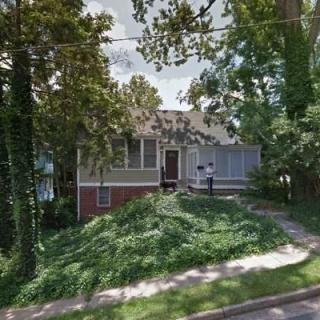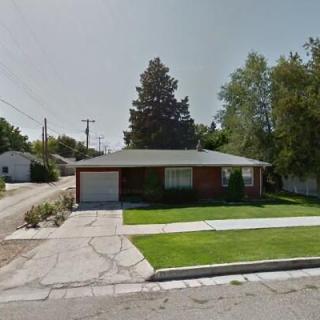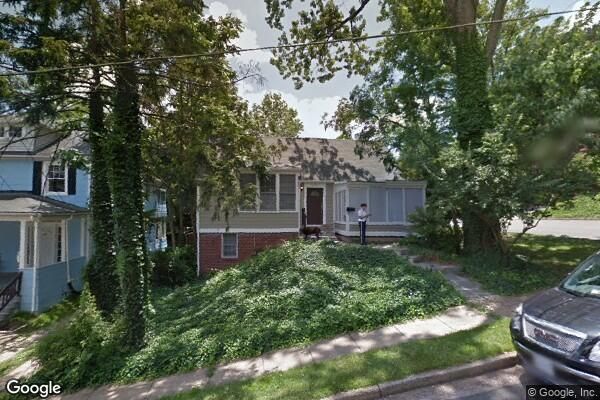
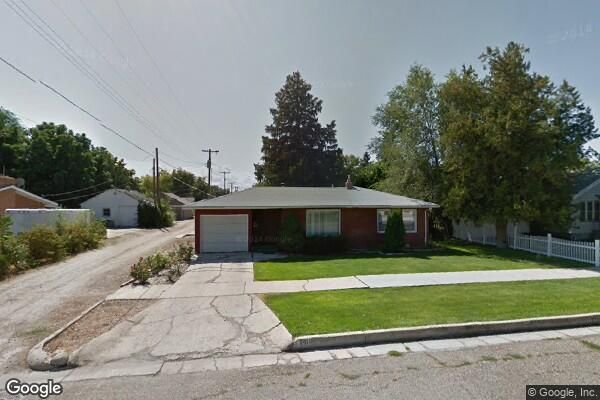
1101 24th Ave SW, Great Falls, MT 59404
For more information about senior living options: (866) 208-4318
Overall Review of Bluebird Assisted Living
Cons
 The reviewer found it frustrating that their accounts were closed.
- The reviewer was flagged for adding an auto-pay bill for fraud and told they had broken contract.
- They were told their long-time local bank did not exist.
- They experienced repeated hang-ups when trying to fix accounts.
- They would not recommend the company; it was the worst customer service they had encountered.
- The staff were horrible and unprofessional to residents and employees; no one would want to work there or be a resident.
Review
Bluebird Assisted Living in Great Falls, MT is best suited for seniors who want a basic, budget-conscious living option and for families that can tolerate uneven service and administrative headaches. The community appears to deliver the simplest form of care and housing without a heavy emphasis on proactive resident advocacy or seamless back-end operations. In short, it serves those who prioritize affordability and straightforward living, while accepting that administrative responsiveness and consistency in service are not guaranteed.
Those who may want to consider alternatives are families that rely on dependable billing support, professional staff, and clear, respectful communication. When a facility’s financial handling and front-line responsiveness become recurring hurdles, the cost of comfort and security quickly rises. Prospective residents who expect timely problem-solving, transparent account management, and a consistently courteous staff should weigh other options more heavily. In this context, Bluebird’s appeal diminishes for households seeking a consistently seamless experience.
There are faint signals of value that some residents may notice, as reflected by a small share of highly positive ratings. These hints could point to a familiar routine, a sense of community, or an environment that feels manageable for individuals who do not require intensive supervision. However, the absence of corroborating detail means these positives are not robust enough to counterbalance the more frequent, substantive concerns raised by other residents and families.
The dominant drawbacks center on administrative and staffing issues that directly affect daily life and trust. Accounts have been closed or flagged over payment questions, with responses that have included assertions of contract breach and disputes about the legitimacy of long-standing banking relationships. Communications frequently break down, with reports of delayed or inconsistent contact and repeated difficulty in getting problems resolved. Staffing problems are described as unprofessional and misaligned with resident needs, which can translate into gaps in attention, responsiveness, and the emotional climate that families rely on when choosing care settings.
From a practical standpoint, families evaluating Bluebird should prioritize a rigorous, hands-on inquiry during visits. Request a clear, written policy on payments, contract termination, and what steps will be taken to prevent future billing confusion. Meet with the administrator and ask for recent references from residents or families who can speak to day-to-day interactions and problem resolution. Observe how staff interact with residents and how administrative calls are handled, are concerns acknowledged promptly, and is there a credible path to escalation if issues arise? Verify licensing requirements and compare costs against nearby options that demonstrate stronger resident-focused service and more reliable back-end operations.
In the end, Bluebird Assisted Living carries a higher risk profile for families who depend on consistent service, professional staff behavior, and dependable financial administration. For most seniors, and for families who prioritize proactive care coordination, respectful communication, and predictable billing, the recommendation is to look at other communities first. If choosing Bluebird, enter with clear expectations and enforceable safeguards: demand transparent contracts, establish explicit escalation routes, and maintain parallel plans with alternative providers ready to deploy if service gaps widen. This approach helps ensure safety, dignity, and a smoother daily experience in a setting that otherwise promises modest accommodations.
 8 resident community capacity
 Assisted Living
 Board and Care Home
 Beauty salon
 Cable or satellite TV
 Dining room
 Fully furnished
 Garden
 Housekeeping services
 Kitchenette
 Move-in coordination
 Outdoor space
 Restaurant-style dining
 Small library
 Telephone
 Wi-Fi/high-speed internet available
 Great Falls International (2 miles away)
 24-hour supervision
 Activities of daily living assistance
 Assistance with bathing
 Assistance with dressing
 Assistance with transfers
 Diabetes diet
 Medication management
 Mental wellness program
 Special dietary restrictions
 Comprehensive care (24/7 supervision, medication management, ADL assistance) with restaurant-style dining and fully furnished apartments.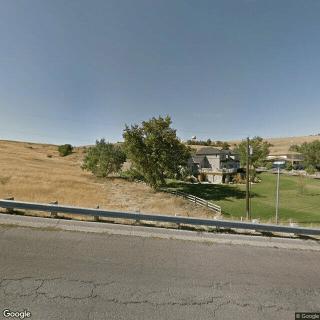



 When to Transition from Assisted Living to Memory Care: Key Indicators, Steps, and Finding the Right Community
 Assisted Living and Memory Care: Understanding Their Core Differences
 Beyond the Bingo Hall: 50+ Enriching Activities for Seniors in Assisted Living