

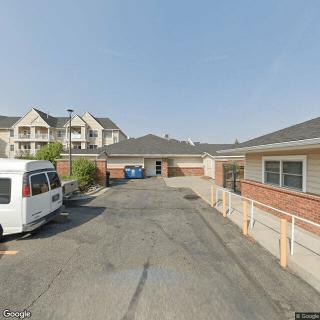
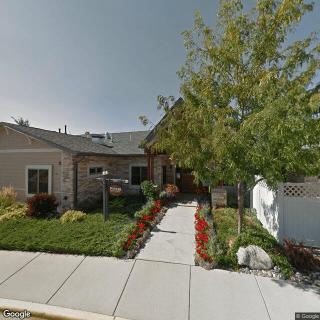
3940 Rimrock Rd, Billings, MT 59102
To contact a resident: (406) 655-5695
For more information about senior living options: (866) 208-4318
Overall Review of Chapel Court
Pros
 Shelby's kindness stood out.
- Shelby provided great information.
- Shelby showed genuine concern.
Review
Chapel Court in Billings is best suited for families that prize a warm, information-forward first impression and want a community where front-line staff demonstrate genuine care. The sole published review highlights a staff member named Shelby, whose kindness, thorough information, and demonstrated concern translate into a reassuring entry point for families weighing senior-living options. This emphasis on approachable, transparent communication signals a setting where questions are welcome and decisions are made with clarity. For residents who do not require immediate, high-intensity medical oversight but rely on steady guidance through the admissions process and care-planning conversation, Chapel Court appears to deliver a dependable, human-centered start. In practical terms, the initial encounter matters here: a staff team that communicates well can dramatically reduce the stress of choosing a community and setting up the first weeks of care.
Still, a clear line should be drawn for families that must have a broader medical and programmatic footprint from day one. If the resident requires intensive clinical oversight, complex rehabilitation, or specialized memory care, alternatives with explicit clinical staffing metrics and dedicated memory-care wings may be more appropriate. The current review does not disclose details about on-site therapies, nurse availability, or care coordination protocols, which leaves a sizeable knowledge gap for decision-makers focused on medical reliability. If a target is a facility with wide-ranging medical partnerships and robust daily medical oversight, other communities may deliver more predictability. The absence of negative signals in one favorable review matters, but it does not substitute for a comprehensive assessment across care levels and daily living supports.
The practical takeaway from the available feedback is that the human touch matters most here. Shelby’s reported kindness and the conveyance of useful information mitigate common anxieties about moving into assisted living: families feel seen, not sidelined, when questions are answered with patience and candor. That dynamic can offset the lack of breadth in public reviews by creating trust and a smoother transition. However, the advantages of a single positive encounter cannot compensate for unknowns around meal quality, activity variety, safety routines, and long-term cost controls. The real value lies in consistency, the expectation that the same level of attentiveness will extend beyond the initial tour into ongoing resident support.
When evaluating Chapel Court, the tour should be treated as a live audition rather than a one-off hello. Prospective families should observe whether staff respond promptly to questions, how available the designated care coordinator is, and whether residents appear engaged and well cared for. Request to meet with a care-planning professional to see how individualized plans are developed, updated, and communicated to families. Examine the dining area for variety and meal quality, check the activity calendar for meaningful structure, and assess safety features such as fall-prevention measures and emergency response readiness. Ask about waiting lists, admission criteria, and what services are bundled versus billed separately. A transparent, detailed cost outline is essential to determine overall value over time.
Families facing a decision should come away with a concrete set of next steps. Push for a trial period or short-term stay if possible, so the environment and routines can be assessed in real time. Seek references from current residents or families, and request objective metrics on staffing ratios, incident rates, and satisfaction surveys. Demand a written summary of the care plan process, including how changes are communicated and who signs off on them. Finally, line up comparisons with at least two other communities that offer similar levels of care and community feel, ensuring pricing and contract terms are understood in advance. The goal is to quantify what the initial warmth implies in ongoing, day-to-day life.
Overall, Chapel Court appears well-positioned for families who value a compassionate, communication-first approach to assisted living. The standout impression from the available feedback is the staff member’s ability to connect and inform, which bodes well for a smooth transition and ongoing engagement. Yet the absence of additional reviews and public detail on core operations means a cautious, methodical approach: explore more options, verify care capabilities, and confirm the financial structure before committing. For households where the priority is clear communication and a reassuring onboarding process, Chapel Court deserves a serious look. If medical complexity or a broad array of specialized services is non-negotiable, keep the comparison rigorous and expand the search. A disciplined, multi-visit evaluation will reveal where Chapel Court stands in the Billings landscape.
 Assisted Living
 Activities on-site
 Devotional services off-site
 Indoor common areas
 Billings Logan International (4 miles away)
 Ambulatory care
 Diabetic care
 Meals provided



 When to Transition from Assisted Living to Memory Care: Key Indicators, Steps, and Finding the Right Community
 Assisted Living and Memory Care: Understanding Their Core Differences
 Beyond the Bingo Hall: 50+ Enriching Activities for Seniors in Assisted Living