
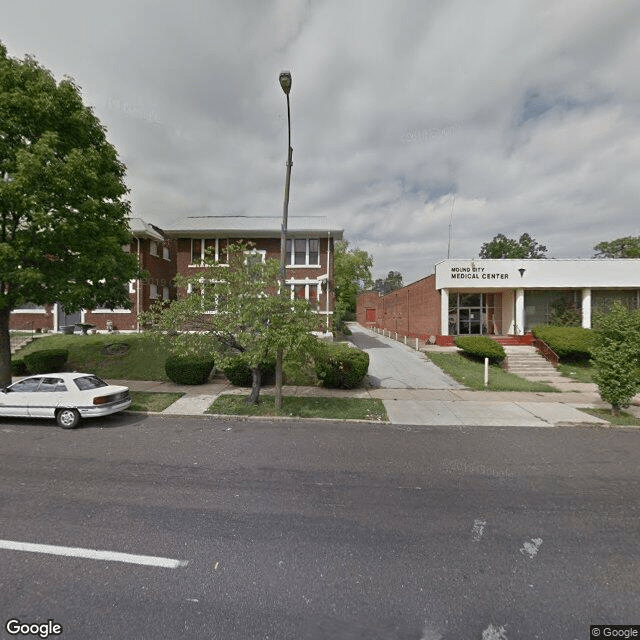
2711 Union Blvd, St. Louis, MO 63113
To contact a resident: (314) 383-7310
For more information about senior living options: (866) 208-4318
Overall Review of Union Manor Residential Care
Pros
 The staff are very welcoming.
- Guests are greeted with open arms and warm smiles.
- Meals include home-cooked food.
- The staff make residents feel comfortable and relaxed.
- The home is recommended to others.
- The facility is family-owned and patient care is paramount.
- The staff provide warm, attentive care from the moment of arrival.
Cons
 They describe the facility as a horrible place and wouldn’t even send their pet goldfish to stay there.
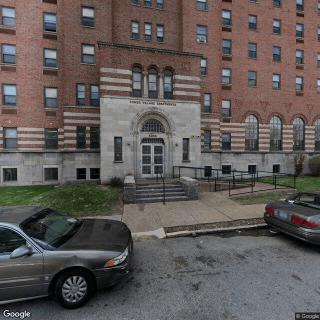
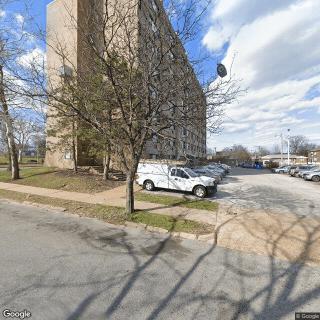
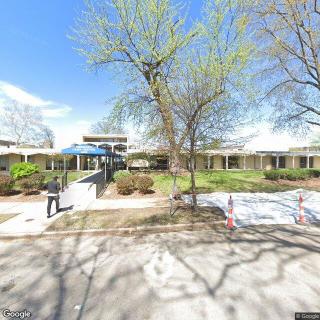
- They caution not to be deceived by the building’s age.
Review
Union Manor Residential Care in St. Louis is best suited for seniors who prize a hands-on, family-owned environment where care feels personal and residents are treated as individuals first. The community earns trust through warm, accessible staff who greet visitors with genuine hospitality, offer home-cooked meals, and cultivate a relaxed, home-like atmosphere from the moment of arrival. This is not a gleaming, modern campus, but for families seeking a small, tightly woven community where staff know residents by name and respond with warmth, Union Manor stands out. Prospective residents who value personal attention, consistent kindness, and a sense of belonging over sleek surroundings will feel the strongest resonance here.
The strongest selling points are the staff-driven, resident-centered approach. Review after review highlights that the people working at Union Manor genuinely care, with phrases like “patient care is paramount” and comments about being welcomed “with open arms and warm smiles.” A resident who stayed for a year emphasizes reliable, good staff and continuity, and another notes that the home makes people feel at ease and valued as individuals. The family-owned nature translates into a culture of responsiveness and accountability that families often crave when choosing care for a loved one. Even the meals, home-cooked and prepared with care, contribute to daily life feeling comfortable and reassuring, reinforcing a sense of normalcy and dignity in daily routines.
Yet the facility is not without its cautions. The most explicit trade-off is the building’s age; it appears to prioritize caregiving philosophy over polish of the physical plant. For families who equate care quality with updated décor, modern amenities, or the latest safety features, this may be a meaningful gap. And while the chorus of praise is loud, one harsh critique reminds that not every experience aligns with every expectation. That lone perspective signals the importance of due diligence: tours, conversations with staff, and references should be used to verify that the day-to-day atmosphere and care standards match the loved one’s needs and family expectations. In short, the positive culture can offset some aesthetic drawbacks, but alignment on expectations remains essential.
The way the positives offset the drawbacks is simple: a strong, consistent human connection can compensate for an older physical environment. For families prioritizing trust, regular staff-resident interaction, and a sense of belonging, Union Manor delivers in spades. The staff’s ability to treat residents as people, listening, engaging, and accommodating preferences, creates a predictable, comforting daily rhythm that makes life feel manageable and dignified. In practical terms, this means fewer worries about rough transitions, more meaningful social engagement, and a clear sense that the care team knows the resident’s routine, favorite meals, and personal quirks. When care is the priority, institutional polish fades in importance next to the quality of daily caregiving.
That said, alternatives should be considered for families with different priorities. If a loved one requires higher-acuity medical oversight, a larger facility with more nurses on duty, or a campus with more formal memory-care programming, Union Manor may fall short of expectations. Similarly, if modern infrastructure, contemporary décor, or expansive programming are non-negotiables, a move toward a newer or larger community could be a wiser fit. The one-star critique, while isolated, underscores the reality that any home’s fit must be judged against specific needs, especially around medical support, safety upgrades, and policy consistency. Prospective residents should actively compare staffing levels, emergency response capabilities, and the availability of on-site clinicians when evaluating alternatives.
To make a confident decision, approach Union Manor with a practical, decision-focused plan. Schedule a live stay-and-see where the family member participants spend a full day experiencing meals, activities, and caregiver interactions. Ask for the resident-to-staff ratio across shifts, request to speak with several residents and families, and verify licensing, last inspection results, and any recent safety upgrades. Inquire about policies on visits, dietary restrictions, mobility assistance, and, if relevant, pet policies, as one review hints at potential friction around non-traditional expectations. Finally, set a clear checklist: is the priority warmth and personalized care, or are modern facilities and intensive medical resources non-negotiable? If warmth, continuity, and a sense of belonging score highest, Union Manor is a compelling, pragmatic choice. If not, prepare to explore alternatives that align with higher medical acuity, newer surroundings, or broader programming.
 Assisted Living
 Activities on-site
 Devotional services off-site
 Indoor common areas
 Lambert-St Louis International (7 miles away)
 Ambulatory care
 Diabetic care
 Meals provided
 Senior Transition Services: Understanding Their Role, Cost, and Importance
 Exploring the Path to Senior Living: A Comprehensive Look at Independent Living and Assisted Living
 Is Assisted Living Deductible on Your Taxes? Understanding the Complexities of Assisted Living Expenses and Deductions