
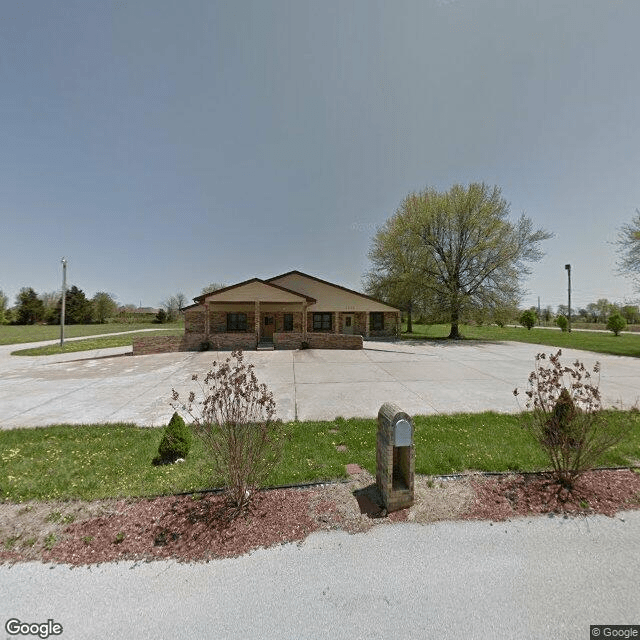
5448 N 2nd Ave, Ozark, MO 65721
To contact a resident: (417) 581-0330
For more information about senior living options: (866) 208-4318
Overall Review of The Oaks Cottage
Pros
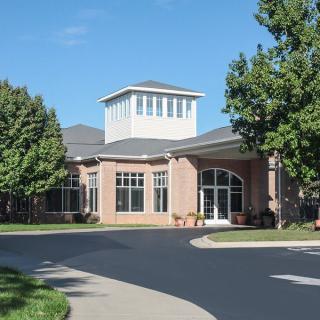
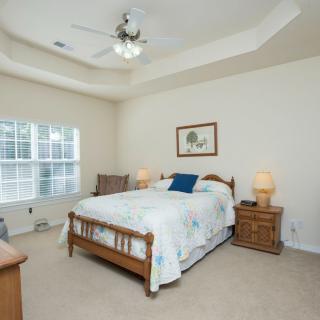
 The Oaks feels like a family home rather than a facility.
- The staff are kind, compassionate, and truly attentive, treating residents with dignity and warmth.
- The atmosphere is comforting, safe, and filled with heart.
- The Oaks provides outstanding quality of care and the staff go the extra mile to know the person they once were.
- They make each person feel at home, with great communication day and night.
- The facility is very clean and feels more like a home, with staff engaging residents in activities and conversations.
Cons
 The care provided to their grandmother was not quality care; it was the complete opposite of the promised one-on-one care.
- They kept her sedated to the point of sleeping around the clock, and her condition rapidly declined.
- When the family asked questions about her care, staff said they were difficult to work with.
- The staff did not want to communicate with hospice staff, hindering coordinated care.
- The family had an unpleasant experience and were told to move her to a different facility after voicing concerns.
- She wasn’t known by her name by staff.
Review
The Oaks Cottage is best suited for families seeking a small, home-like assisted living where care feels personal and deeply attentive. It fits residents who thrive on one-on-one interaction, where staff cultivate meaningful relationships, and where dementia- or memory-care needs can be met with gentle, hands-on engagement. This community shines for families prioritizing warmth, dignity, and a sense of belonging over a clinical, large-scale atmosphere. However, it may not be the right fit for those who require strong, highly regimented medical oversight, aggressive pain management, or a robust, bustling program calendar. For residents with complex medical needs or families who expect frequent, formal coordination with multiple specialists, alternatives with larger teams and more formal systems should be considered.
The strongest draws are the staff–resident relationships and the atmosphere. Reviews consistently describe staff as kind, compassionate, and genuinely devoted to residents’ well-being. Residents are treated with dignity; the environment feels safe, calm, and emotionally supportive rather than institutional. The small size translates into practical benefits: more intimate interactions, regular check-ins, and the sense that no one is “lost” in the crowd. Stories of residents being greeted by name, receiving individualized attention, and participating in shared activities suggest a culture of care where caregivers know histories, preferences, and routines. The home-like feel, clean, cozy, and free from a harsh nursing-home odor, also helps families feel confident that their loved one is in a comforting, familiar setting.
Communication and engagement emerge as notable strengths when operations run smoothly. Several accounts praise day-and-night updates and the willingness of staff to explain care plans or changes in condition, a critical feature for families navigating chronic illness or dementia. When staff sit with residents, participate in simple activities, and avoid leaving people unattended in hallways, the setting reinforces trust and reduces family anxiety. In dementia cases, the teams’ attentiveness to evolving symptoms and their effort to tailor interactions to the person’s history and interests stand out. The overall takeaway is that, in the best moments, this is a place where residents feel “at home” and families feel heard and cared for.
Yet the landscape is not uniformly positive, and the most serious concerns revolve around inconsistent care quality and communication gaps. Some reviews recount cases where care appeared mismanaged: severe sedation with prolonged sleep, rapid decline, or a perceived disconnect between facility staff and hospice teams. Families in those instances describe frustration when questions about care details were met with resistance or when pain and comfort needs were slow to be addressed. These episodes are troubling because they undermine the very trust the community typically earns. While these negative experiences are not the rule, they illuminate a real risk: variability in how care is delivered and how concerns are resolved can color the overall perception of quality.
Those considerations have practical implications for decision-making. Prospective families should weigh the appealing, personalized care and the quiet, homelike environment against the potential for uneven care coordination and slower responses to complex medical situations. A prudent approach includes direct conversations about staffing levels, shift coverage, and the facility’s processes for pain control, hospice involvement, and proactive communication with families. Asking to speak with current residents or families about how concerns are handled, requesting a tour that focuses on daily routines, and inspecting how security and safety measures function in practice are essential steps. Clarify the plan for memory-care needs, including activity programming, environmental cues, and staff training on dementia-related behaviors.
In sum, The Oaks Cottage stands out for families who prize genuine warmth, individualized attention, and a house-like ambiance more than institutional polish. It is a compelling option for residents who benefit from consistent, compassionate engagement and who can operate within a smaller, intimate setting. The strongest justification for choosing this community lies in its daily humanity: caregivers who treat residents with kindness, a home atmosphere, and clear, ongoing communication when things go well. However, for families prioritizing rigorous medical oversight, guaranteed 24/7 clinical coordination, and consistently flawless pain management, it is wise to compare alternatives with larger teams and more formal protocols. When such gaps can be addressed through proactive planning and frank discussions with the leadership, The Oaks Cottage becomes a thoughtful, solid choice, especially for dementia-friendly, one-on-one-focused care in a tightly knit, family-like environment.
 Assisted Living
 Memory Care
 Activities on-site
 Devotional services off-site
 Indoor common areas
 Springfield-Branson Regional (16 miles away)
 Ambulatory care
 Diabetic care
 Meals provided



 A Thorough Discussion of Medications Potentially Linked to Dementia Risk
 Why Do Dementia Patients Sleep So Much? Understanding Oversleeping, Stages, and Care Approaches
 8 Key Indicators That Suggest It May Be Time to Transition from Assisted Living to Skilled Nursing Care