
5448 North 2Nd Avenue, Ozark, MO 65721
For more information about senior living options: (866) 208-4318
Overall Review of Oaks Cottage Assisted Living
Pros
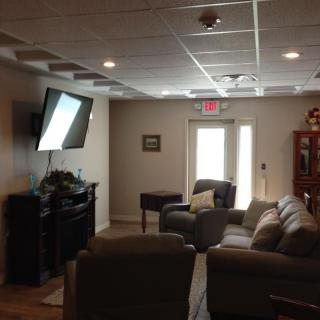
 The Oaks provides care that feels like a family home from the moment of arrival.
- The staff are kind, compassionate, and genuinely attentive, treating residents with dignity and warmth.
- The atmosphere is comforting, safe, and filled with heart.
- The facility offers a small, home-like setting with one-on-one, personalized care.
- The staff go the extra mile to know each resident and understand how their condition changes them, with strong day-and-night communication.
- The environment is peaceful, and residents are engaged with meaningful activities and companionship.
Cons
 The facility kept their grandmother sedated to the point of sleeping around the clock, and her condition rapidly declined.
- When the family asked questions about her care, the staff told them they were difficult to work with.
- The family’s beloved mother went from being able to walk with a walker to unable to get out of bed in six weeks, and the staff did not want to communicate with hospice, leaving her in pain.
- The family was asked to move her to a different facility and they would never recommend this place.
- The facility claimed one-on-one top-quality care, but the care delivered was the complete opposite.
Review
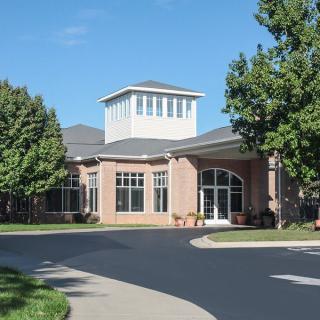
This community is best suited for families seeking a warm, home-like setting where residents are treated as individuals and care is delivered with genuine warmth. Oaks Cottage excels when the priority is one-on-one attention, dignity, and intimate interactions that feel less like a facility and more like a small, supportive home. It is especially appealing for families navigating dementia care or memory challenges who want staff to know the person behind the diagnosis, share stories, and maintain familiar routines. Those who value a calm, safety-focused environment and a setting that minimizes the “institution” feel will often find this option compelling.
The strongest positives lie in the character of the care culture. Reviewers consistently highlight kind, compassionate staff who go beyond the bare minimum to get to know residents, their histories, preferences, and daily rhythms. Small size is repeatedly praised for enabling more individualized attention, with anecdotes about residents treated as “grams” and engaged in simple, meaningful activities rather than being left idle. Cleanliness and a home-like atmosphere contribute to a sense of safety and calm, while staff engagement during visits, puzzles, TV time, and conversation underscores a caregiving mindset that values emotional well-being as much as physical needs. Dementia-focused residents appear to benefit from the environment where people know their names, celebrate small victories, and prioritize one-on-one interactions.
Yet, the experience is not uniformly flawless. Several reviews raise red flags about inconsistencies in care quality and communication. In some cases, families report troubling declines in a loved one’s condition, concerns about pain management, and hesitancy to involve hospice or share detailed care information. Others recount clashes over how care decisions are made, with families feeling dismissed or pressured to relocate. The most concerning threads center on a perceived gap between the promised one-on-one, high-touch care and real-world execution, particularly around medical responsiveness and transparency during difficult health episodes. These contrasts matter profoundly when a loved one’s medical needs evolve rapidly or requires precise, timely clinical oversight.
When weighing the pros against the cons, Oaks Cottage often offsets major concerns for residents who thrive in a small, relationship-driven setting. The ability to build trust with caregivers, the home atmosphere, and active engagement in daily life provide a strong offset to the occasional lapses in crisis management or communication. For families prioritizing emotional comfort, dignity, and a sense of belonging over a highly clinical milieu, the positives can outweigh the negatives. However, the existence of credible complaints about sedation, delayed pain control, and uneven communication cannot be ignored. Those factors can dramatically alter a loved one’s experience, especially during end-of-life care or acute health shifts.
For families actively evaluating options, several practical steps help separate fit from misfit. During a visit, press for specifics about staff-to-resident ratios, who leads daily care planning, and how care teams coordinate with outside providers or hospice services. Request a walkthrough of real care plans, daily schedules, and examples of how one-on-one time is structured. Ask about emergency escalation, weekend coverage, and how pain and comfort are managed when fluctuating symptoms arise. Compare these details with larger, more clinically focused nearby facilities to understand trade-offs between a truly home-like atmosphere and a higher level of medical oversight. A candid discussion with current residents or families who recently navigated transitions can also illuminate consistency beyond the glossy impressions.
Overall, Oaks Cottage Assisted Living suits families that prize warmth, personalized attention, and a smaller, more intimate setting for an elder who values dignity and consistent human connection. It can be an excellent choice for dementia care when the emphasis is on companionship, daily purposeful activity, and a home environment where staff truly become familiar faces. At the same time, those who demand unwavering clinical rigor, transparent, rapid communication during crises, and guaranteed, uniform medical responsiveness should explore alternatives that emphasize higher staff ratios and more formalized medical protocols. In Ozark, the decision hinges on whether the heart of care, the caregiver-resident relationship, takes precedence over the consistency of clinical execution.
 12 resident community capacity
 Assisted Living
 Cable or satellite TV
 Dining room
 Fully furnished
 Garden
 Housekeeping services
 Move-in coordination
 Outdoor space
 Telephone
 Wi-Fi/high-speed internet available
 Springfield-Branson Regional (16 miles away)
 24-hour supervision
 Activities of daily living assistance
 Assistance with bathing
 Assistance with dressing
 Assistance with transfers
 Diabetes diet
 Meal preparation and service
 Medication management
 Special dietary restrictions
 Transportation arrangement (medical)
 Transportation to doctors appointments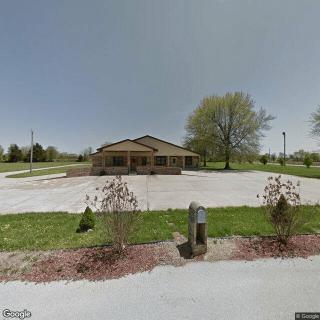




 Comprehensive Residential Support and Assisted Living Solutions for Individuals with Disabilities
 Comprehensive Supportive Living Arrangements for Adults with Disabilities
 Funding and Affording Assisted Living: A Thorough Overview