Hopedale Cottage

Save

  • Interior

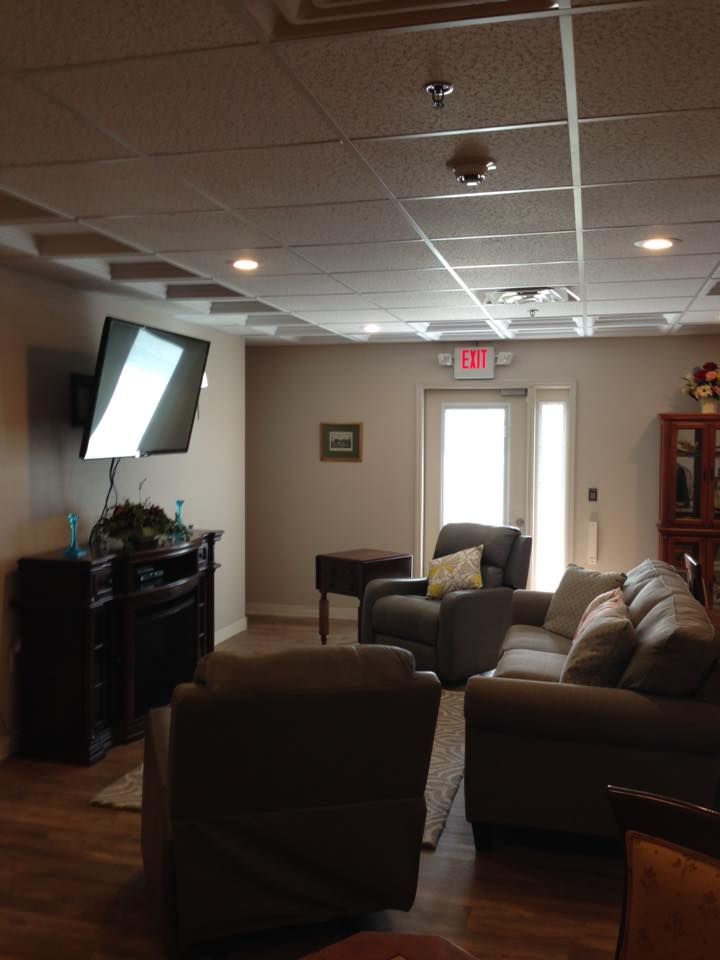
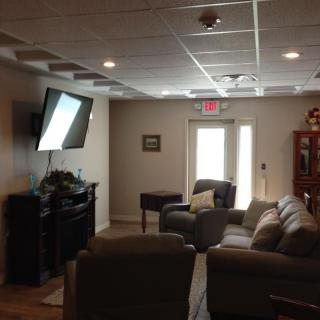
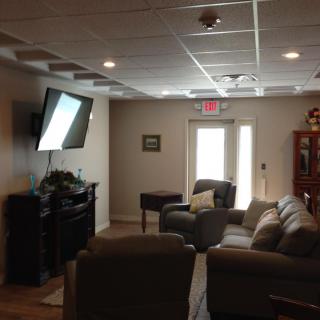
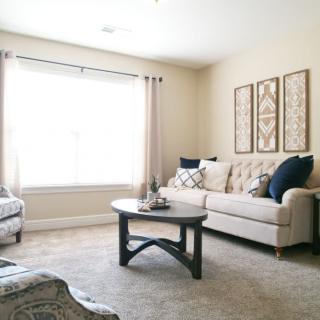
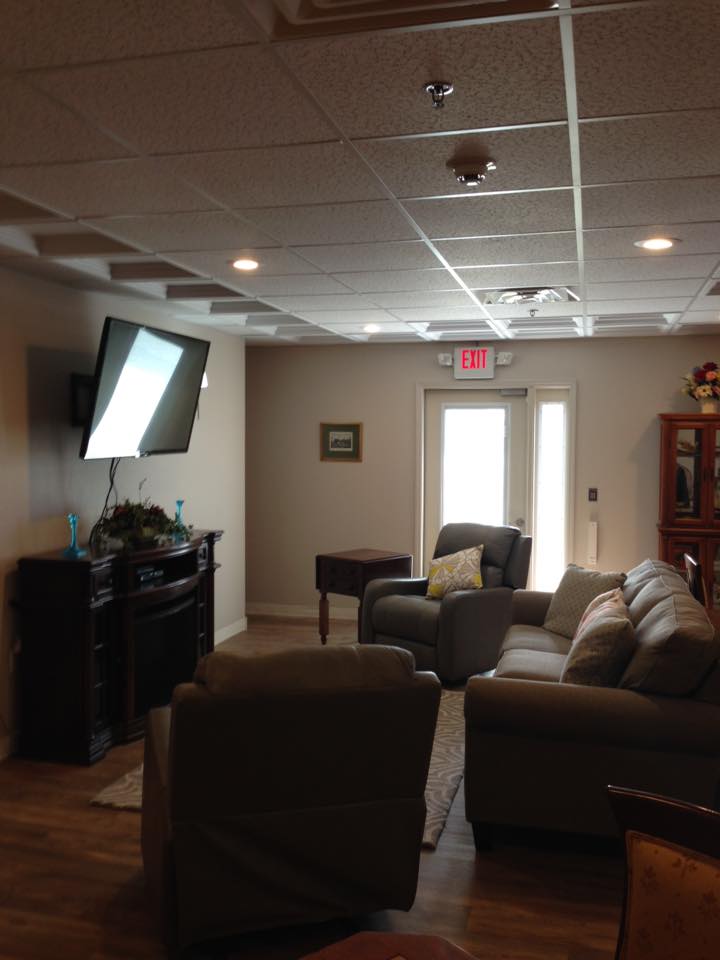
    A cozy living room with a sofa set and a television.
  • Outdoors

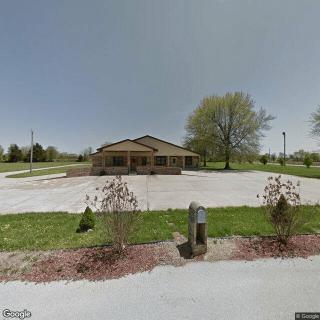
    A roadside sign in a rural landscape on a sunny day.
  • Decor

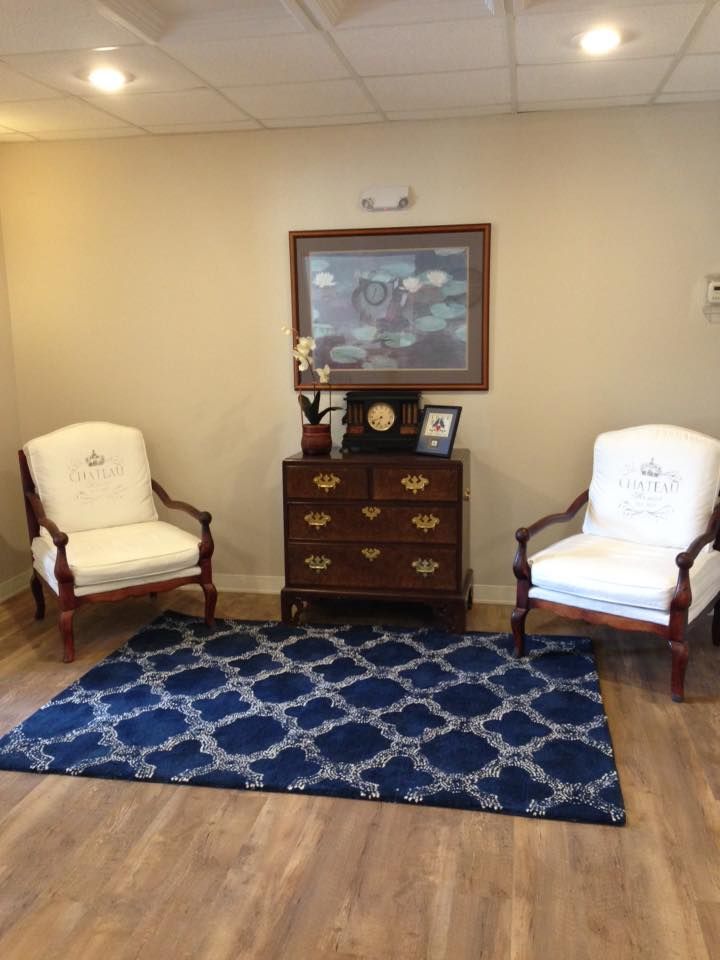
    A comfortable waiting area with chairs and a decorative rug.
  • Living Room

    A cozy living room with a sofa, television, and modern decor.
  • Lighting

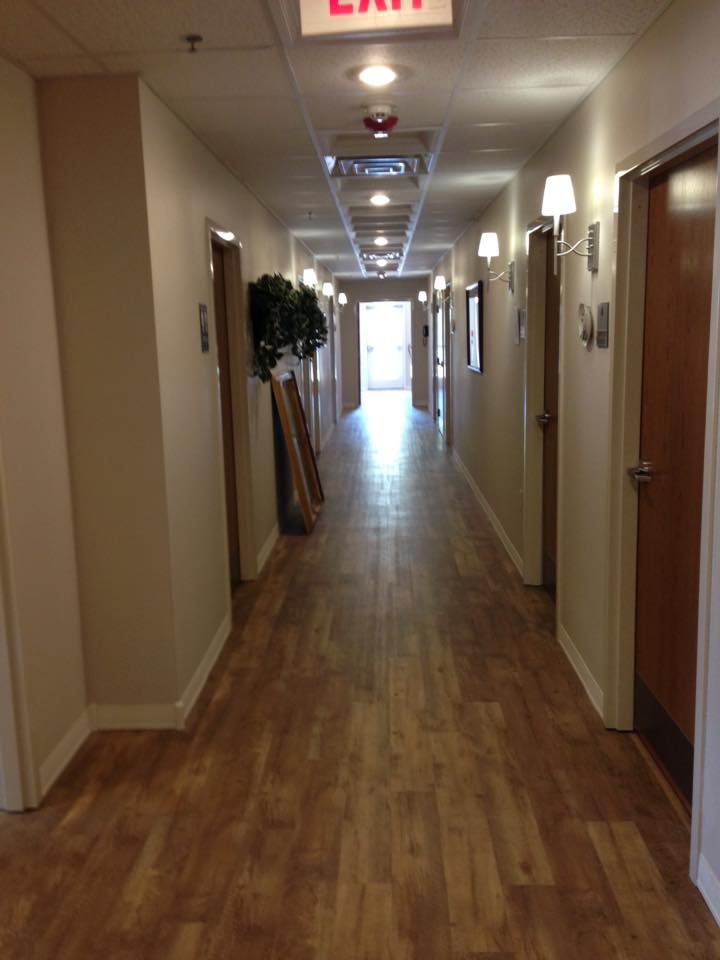
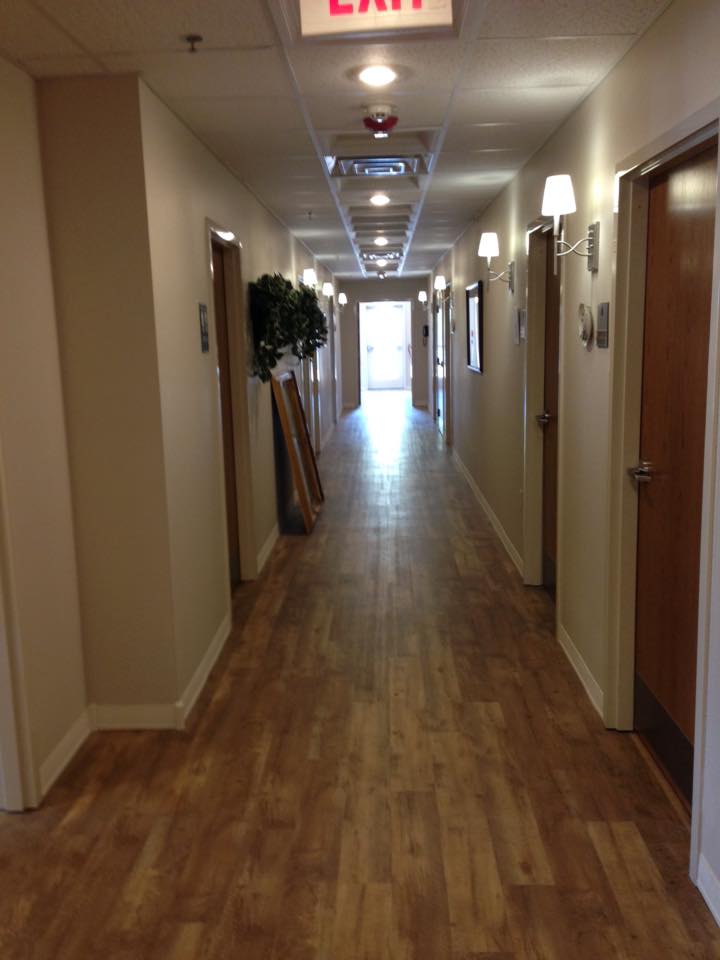
    A long, well-lit hallway with wooden flooring and doors on either side.
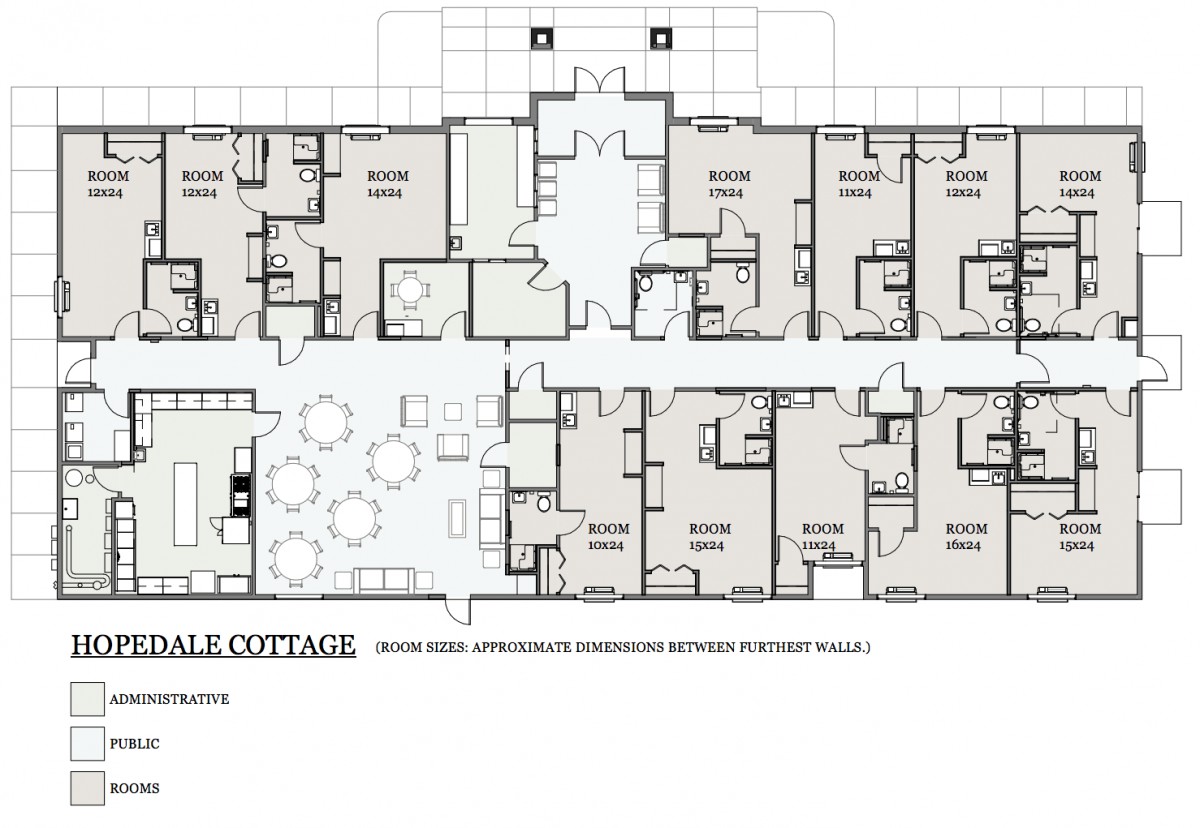
  • Floor Plan

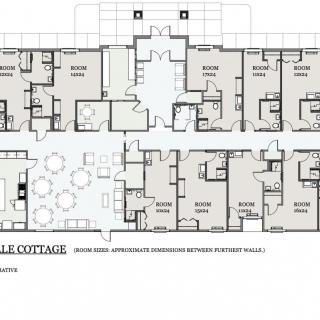
    Architectural floor plan of a building layout with multiple rooms and communal areas.
  • Bathroom

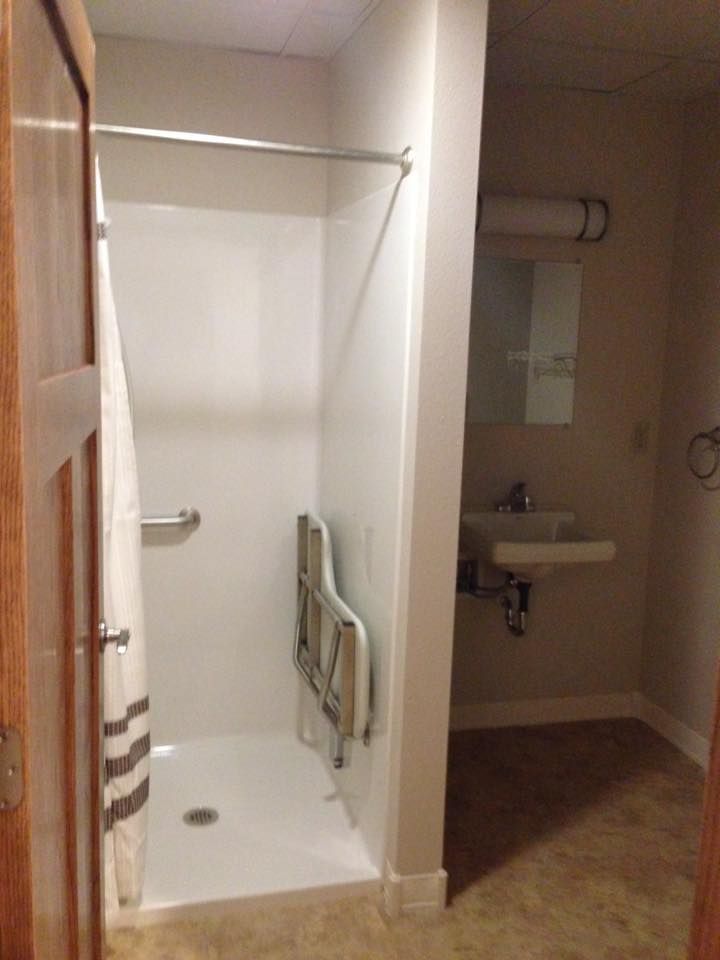
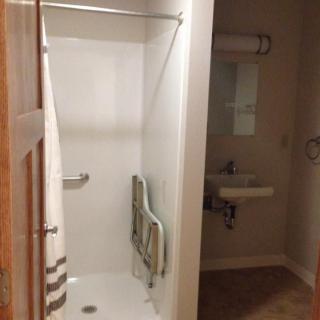
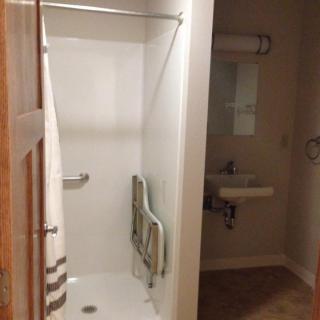
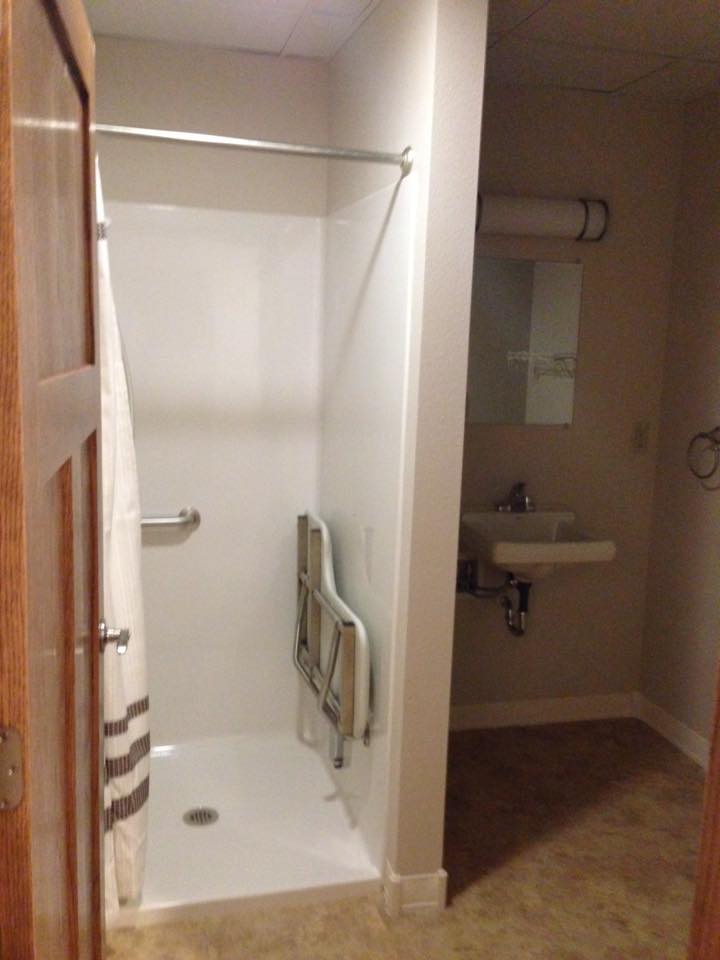
    An accessible bathroom with a shower and grab bars, featuring a wall-mounted sink and mirror.
  • Painting

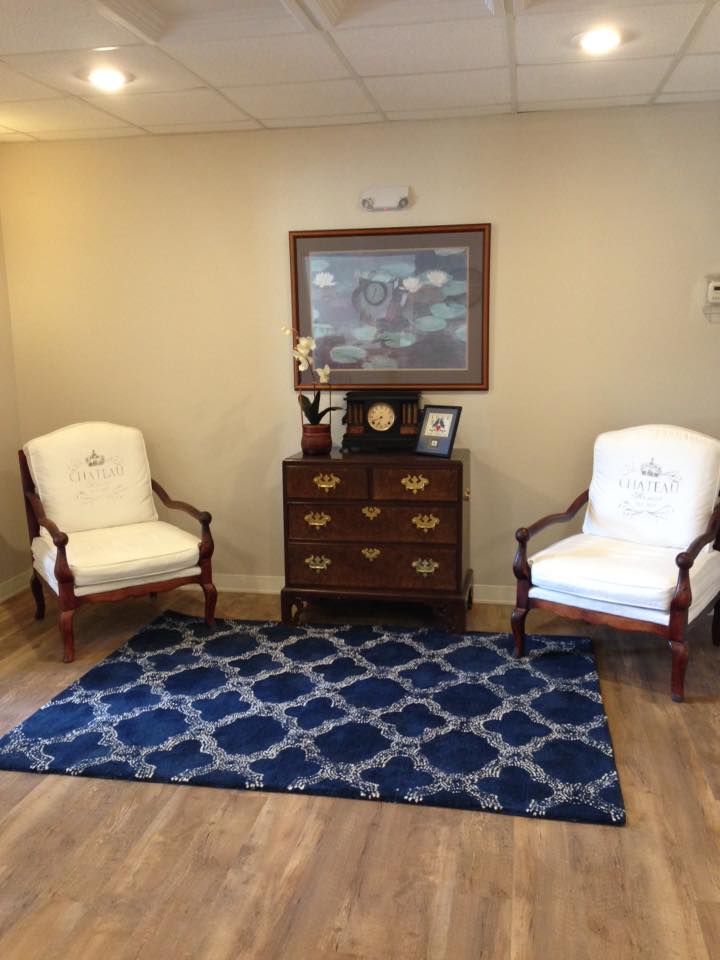
    A cozy waiting room with two upholstered chairs, a decorative rug, and a chest of drawers under a painting.
  • Hallway

    A well-lit hallway with wooden flooring and multiple doors on each side.
  • Shower

    A bathroom with an accessible shower and sink area.

Hopedale Cottage

1314 W School St, Ozark, MO 65721

For more information about senior living options: (844) 490-3973

4.3 from 40 reviews
5 stars
22
4 stars
11
3 stars
6
2 stars
0
1 stars
1

Assisted Living Memory Care

Hopedale Cottage Costs & Pricing

Hopedale Cottage offers a studio room at a monthly cost of $4,750, which positions it significantly above the average rates in Greene County and the state of Missouri. In comparison, the typical cost for similar accommodations in Greene County is approximately $3,280, while the broader state average is slightly higher at about $3,418. This pricing differential may reflect Hopedale Cottage's unique amenities, quality of care, or specialized services that cater to residents seeking a higher standard of living. Ultimately, potential residents and their families should consider these factors when evaluating the value offered by Hopedale Cottage relative to other options within the region.

Floor plansHopedale CottageGreene CountyMissouri
Studio$4,750$3,280$3,418

What level of care are you interested in?

Assisted Living

Memory Care

Independent Living

Skilled Nursing Facility

Continuing Care Retirement Community (CCRC)CCRC

Other


Request a tour at Hopedale Cottage

    Overall Review of Hopedale Cottage

    Pros

    • pro The staff are very attentive and patient, even with dementia-related aggression.
    • pro They go above and beyond their call of duty.
    • pro Hopedale Cottage is very clean, with helpful staff like Melissa.
    • pro The rooms are nice, clean, and designed with built-in features to save space.
    • pro The staff are wonderful, pleasant, and always take time to talk with residents and families.
    • pro Hospice care, alongside the staff, provides a peaceful end-of-life experience.
    • pro The community is small with a good staff-to-resident ratio and private rooms.
    • pro Families feel residents receive personalized care, privacy, and a caring, home-like atmosphere.
    • pro There are numerous activities and social opportunities, including outings, ice cream, manicures, and physical therapy.
    • pro The leadership is amazing and very involved, creating a warm, welcoming environment.
    • pro The facility is new, modern, clean, and offers a good memory care option with friendly staff.
    • pro Great value for the money with a caring staff.

    Cons

    • pro A few staff members lack motivation and do not take ownership of their positions as caregivers.
    • pro Staff have to be reminded to monitor residents' restrooms, and residents are only given one roll of toilet paper at a time.
    • pro The food served is borderline average in selection and variety.
    • pro Pulled barbecue processed meat on a bun and French fries seems to be the go-to meal.
    • pro The outdoor area does not provide a good space to enjoy or stroll in the sun due to the graveled pathway.
    • pro Hopedale Cottage was just out of the price range for some potential residents.
    • pro The place was farther away, making visits less convenient.

    Review

    Hopedale Cottage emerges in these reflections as a small, intimate community where attentive, patient care is the norm, especially for residents with dementia or memory challenges. Across numerous comments, families repeatedly note that the staff genuinely treats their loved ones with kindness and respect, taking time to speak with them, respond to questions, and provide a calm, reassuring presence. Several reviewers emphasize that staff members go beyond what is expected, with one description highlighting patience in handling aggression associated with dementia and others describing conversations and interactions that make residents feel heard and valued. The overarching tone is that of a place where care feels personal and where caregivers strive to create a dignified, peaceful experience for residents and their families alike.

    The environment at Hopedale Cottage further reinforces the sense of a home-like setting. Reviewers describe the facility as very clean, both in the private rooms and in common areas, with a noticeable emphasis on hygiene and order. Private rooms with practical features - such as built-in cabinets, a small sink area, a private bathroom with a shower, and room for a microwave and refrigerator - are highlighted as appealing aspects that contribute to comfort and privacy. The overall aesthetic is described as small and neat, giving the impression of a well-maintained, manageable space where staff can give individualized attention without feeling overwhelmed by large crowds. Cleanliness and order extend to the daily operations, including how meals and personal care are delivered and how the living areas remain welcoming.

    Staffing, care quality, and leadership are central to the positive impressions of Hopedale Cottage. A consistent theme is the favorable nurse-to-resident ratio, cited as around 1:6, which many reviewers view as enabling more personalized care and attentive monitoring. Specific staff members earn particular appreciation: Melissa is praised for her helpful explanations and thorough communication, while Amanda the nurse is noted for her excellent work with residents. Beyond individual contributions, several comments highlight leadership that is involved and caring, with residents and families greeted by smiles and staff who genuinely seem to care about both residents and their colleagues. While the overall tone is highly positive, there is an acknowledgment that a few staff members may not always demonstrate the same level of motivation, with reminders sometimes needed about tasks like restroom monitoring. Nevertheless, the prevailing sentiment is that the staff, on balance, is warm, competent, and dedicated.

    Food and dining experiences at Hopedale Cottage are described as generally favorable, with several residents enjoying healthy, substantial meals. One reviewer specifically notes that their loved one liked the meals and that the food appeared nourishing and ample. There are occasional critiques - one account mentions that the daily menu can be borderline average and cites a particular example of a simple barbecue meal - but these appear to be in the minority and not representative of the overall dining culture, which many families describe as satisfactory. The dining environment itself is described as clean and orderly, contributing positively to the residents' daily experience and sense of well-being.

    Activities and social life at Hopedale Cottage are another strong point, especially for memory care residents. Reviews describe a structured rhythm that includes getting residents up for breakfast, followed by a variety of activities and opportunities for physical therapy. Outings, social events like ice cream treats, and manicures are mentioned as part of a lively, engaging program designed to encourage socialization and a sense of normalcy. The facility's approach to social engagement is complemented by partnerships with the broader community, including occasional involvement from local high school students who assist or participate, enriching the activity options. For memory care residents, there is particular emphasis on social encouragement, routine, and the chance to participate in daily life in a meaningful way.

    Several reviews compare Hopedale Cottage favorably to other options, noting its small size, modern amenities, and the sense that it offers a high value for the level of care provided. For some families, the small scale and private rooms - along with an atmosphere that feels more like a home than a hospital - make it an especially attractive choice, particularly for those concerned about privacy and personalized interaction. A few comments touch on financial considerations, recognizing that while the facility can be out of some families' price range, its combination of staff warmth, clean environments, and a well-rounded program - especially in memory care - positions it highly in the landscape of assisted living options. The small size is frequently cited as a benefit, enabling closer relationships with residents and more individualized attention.

    Tours and the decision-making process also surface in the reviews, with feedback noting that Hopedale Cottage offers a favorable impression during visits: a smaller footprint, apartment-type rooms, and a sense that the community is modern and well-kept. Some reviewers acknowledge travel or logistical considerations, such as distance from home or the practicality of visiting, but overall, the sentiment is that the facility presents a compelling option in its niche. A few reviewers concede that while the facility's price point may be high for some, the warmth, care, and attentiveness of the staff - and the overall quality of life it supports for residents - justify the cost in many families' eyes.

    Taken together, these reflections paint a picture of Hopedale Cottage as a small, well-run community where attentive staff, clean environments, and meaningful routines come together to support residents and reassure families. The emphasis on private rooms, personalized care, and a robust activity program - particularly for memory care - contributes to a sense of security and belonging that many families value deeply. While no placement is without its considerations, the recurring themes here point to a facility that is widely trusted by families, recommended to others, and regarded as a place where residents can live with dignity, dignity, and a sense of daily purpose.

    Features

    Housing

    • 24 resident community capacity 24 resident community capacity
    • 2-bedroom apartments 2-bedroom apartments2-bedroom apartments are important for seniors because they provide extra space for guests, hobbies, and caregivers, as well as potential for additional income through roommates or rental.
    • 3-bedroom apartments 3-bedroom apartments3-bedroom apartments are important for seniors as they provide ample space for visiting family, caregivers, or live-in assistance. This extra room can also be utilized for hobbies, storage, or a home office, allowing seniors to maintain independence and flexibility in their living arrangements.
    • Studio apartments Studio apartmentsStudio apartments are important for seniors because they offer a smaller, more manageable living space that is easier to navigate and maintain as physical abilities decline. Additionally, studio apartments provide seniors with independence and privacy while still being part of a community that offers support and social opportunities.

    Types of Care

    • Assisted Living Assisted LivingAssisted living facilities provide crucial support and care for seniors who may need help with daily tasks such as medication management, bathing, and meal preparation. These communities offer a safe and comfortable environment where seniors can maintain their independence while receiving the assistance they need to thrive in their golden years.
    • Memory Care Memory CareMemory care is crucial for seniors as it provides specialized support and services for individuals with dementia or Alzheimer's disease. These programs offer a safe and secure environment where residents receive personalized care, cognitive stimulation, and help with daily activities. Memory care helps seniors maintain their independence, quality of life, and dignity while also providing peace of mind for their families.

    Amenities

    • Activities off-site Activities off-siteEngaging in off-site activities is crucial for seniors to maintain social connections, stay active, and stimulate their minds. It promotes overall well-being and helps combat feelings of isolation and loneliness.
    • Activities on-site Activities on-siteActivities on-site are important for seniors because they provide opportunities for socialization, mental stimulation, physical activity, and overall well-being. Engaging in activities can help seniors stay active, maintain their independence, and improve their quality of life.
    • Beautician on-site Beautician on-siteHaving a beautician on-site at a senior living community is important for seniors as it allows them to easily access grooming and personal care services, boosting their self-esteem and overall well-being. It also provides convenience and helps seniors maintain their sense of independence and personal style.
    • Beauty salon Beauty salonBeauty salons are important for seniors because they provide a space for them to feel pampered, socialize, and maintain their personal grooming and hygiene. Regular visits to a beauty salon can help boost seniors' self-esteem and overall well-being.
    • Cable or satellite TV Cable or satellite TVCable or satellite TV is important for seniors because it provides entertainment, news, and companionship, helping to combat loneliness and boredom. It also offers a wide range of programming options tailored to different interests and preferences.
    • Devotional services on-site Devotional services on-siteDevotional services on-site provide seniors with spiritual support and a sense of community, as well as an opportunity for reflection and guidance during their senior living experience. This can promote emotional well-being and connection to others, leading to a more fulfilling and enriching lifestyle in their later years.
    • Dining room Dining roomDining rooms are important for seniors as they provide a space for socialization, connection, and nutritious meals. They offer opportunities for residents to bond over shared meals, foster a sense of community, and promote healthy eating habits. Dining rooms also ensure that seniors have access to well-balanced meals tailored to their dietary needs and preferences.
    • Fully furnished Fully furnishedFully furnished senior living communities are important for seniors because they provide convenience, comfort, and a hassle-free moving experience. Seniors can easily settle into their new living space without the stress of having to buy and move furniture. This allows them to focus on enjoying their new home and community.
    • Garden GardenGardens are important for seniors as they provide a peaceful and therapeutic environment for relaxation, physical activity, and socialization. Being in nature has been shown to reduce stress, improve mood, and promote overall well-being. Gardens also offer opportunities for seniors to engage in gardening activities, which can improve mobility, flexibility, and cognitive function. Additionally, gardens create a sense of community and connection with others who share a passion for plants and outdoor spaces.
    • Housekeeping services Housekeeping servicesHousekeeping services are important for seniors because they help maintain a clean and safe living environment, promote independence, and reduce the risk of accidents or illnesses. Additionally, having assistance with household chores can alleviate physical strain and allow seniors to focus on other aspects of their well-being.
    • Indoor common areas Indoor common areasIndoor common areas are crucial for seniors as they provide a space for socialization, recreation, and community engagement, promoting overall well-being and reducing feelings of isolation and loneliness.
    • Kitchenette KitchenetteKitchenettes are important for seniors living in senior living communities because they provide the convenience and independence of being able to prepare simple meals and snacks in the comfort of their own living space. This can help promote a sense of autonomy and well-being for seniors, allowing them to maintain some level of control over their dietary choices and daily routines.
    • Move-in coordination Move-in coordinationMove-in coordination is important for seniors because it helps ease the transition into their new living environment. It ensures that all logistics, such as packing, organizing movers, and setting up utilities are taken care of, allowing seniors to focus on settling in and adjusting to their new home. Having a smooth move-in process can alleviate stress and anxiety, making the transition smoother and more enjoyable for seniors.
    • Outdoor space Outdoor spaceOutdoor spaces are important for seniors as they provide opportunities for physical activity, social interaction, exposure to natural light and fresh air, and a sense of connection to nature. Having access to outdoor spaces can improve overall well-being and quality of life for older adults living in senior communities.
    • Restaurant-style dining Restaurant-style diningRestaurant-style dining is important for seniors because it allows them to enjoy delicious, nutritious meals in a social and upscale setting. This enhances their dining experience, promotes healthy eating habits, and fosters socialization with fellow residents, ultimately contributing to their overall well-being and quality of life.
    • Small library Small librarySmall libraries are important for seniors as they provide access to a variety of reading materials, including books, newspapers, and magazines. This can help stimulate their minds, keep them engaged, and provide a sense of community through book clubs and other social activities. Additionally, reading has been shown to improve cognitive function and overall mental well-being in older adults.
    • Telephone TelephoneTelephones are important for seniors as they provide a lifeline for communication with loved ones, emergency services, and healthcare providers. They offer a sense of security and independence, enabling seniors to stay connected and access assistance when needed.
    • Wheelchair accessible showers Wheelchair accessible showersWheelchair accessible showers are crucial for seniors as they provide a safe and independent bathing option for those with mobility challenges. These showers help prevent falls and allow seniors to maintain their dignity and autonomy while ensuring they can bathe comfortably.
    • Wi-Fi/high-speed internet available Wi-Fi/high-speed internet availableWi-Fi/high-speed internet is important for seniors to stay connected with loved ones, access online resources, and participate in virtual activities to combat feelings of loneliness and isolation. It also allows them to easily manage healthcare needs, access entertainment, and engage in lifelong learning opportunities.

    Transportation

    • Springfield-Branson Regional (16 miles away) Springfield-Branson Regional (16 miles away)

    Care Services

    • 24-hour call system 24-hour call system24-hour call systems are important for seniors because they provide peace of mind and immediate assistance in case of emergencies. This technology ensures that help is always available, promoting safety and security for elderly individuals living alone or in assisted living facilities.
    • 24-hour supervision 24-hour supervision24-hour supervision is important for seniors to ensure their safety, well-being, and access to immediate assistance in case of emergencies or health issues. This constant support provides peace of mind for both seniors and their loved ones, allowing them to age in place with dignity and security.
    • Activities of daily living assistance Activities of daily living assistanceActivities of daily living assistance are important for seniors because they provide essential support with tasks such as eating, bathing, dressing, and mobility. This assistance helps seniors maintain their independence, dignity, and overall quality of life as they age.
    • Ambulatory care Ambulatory care"Ambulatory care services provide essential medical support and treatment to seniors without requiring hospitalization, allowing them to maintain their independence and quality of life while managing chronic conditions or receiving routine medical care."
    • Assistance with bathing Assistance with bathingAssistance with bathing is crucial for seniors as it helps maintain personal hygiene, prevents infections, and ensures their overall well-being and comfort. It also provides a sense of dignity and independence for seniors who may struggle with this task on their own.
    • Assistance with dressing Assistance with dressingAssistance with dressing is important for seniors because it helps maintain their independence, promotes personal hygiene, prevents accidents and injuries, and improves overall quality of life. This service ensures that seniors can continue to dress comfortably and confidently, despite any physical limitations they may have.
    • Assistance with transfers Assistance with transfersAssistance with transfers is crucial for seniors as it helps prevent falls and injuries, maintains their independence, and ensures they can safely navigate their living environment. It also provides peace of mind for both seniors and their loved ones.
    • Diabetes diet Diabetes dietA diabetes diet is crucial for seniors as it helps manage blood sugar levels, reduce risks of complications, and improve overall health and well-being. By following a balanced and nutritious diet tailored to their specific needs, seniors can better control their diabetes and enhance their quality of life.
    • Diabetic care Diabetic careDiabetic care is crucial for seniors as they are more susceptible to developing diabetes due to aging and other health conditions. Proper management of diabetes can help prevent complications such as heart disease, vision loss, and nerve damage, improving the overall quality of life for seniors in senior living communities.
    • Incontinence care Incontinence careIncontinence care is essential for seniors to maintain their dignity, hygiene, and overall quality of life. By addressing incontinence issues promptly and effectively, seniors can enjoy a sense of independence and comfort in their daily activities.
    • Meal preparation and service Meal preparation and serviceMeal preparation and service are crucial for seniors as they may have limited mobility or energy to cook nutritious meals. Having access to healthy and convenient food options can ensure they are getting the proper nutrition needed to maintain their overall health and well-being.
    • Medication management Medication managementMedication management is crucial for seniors to ensure they are taking the right medications at the correct dosages and times. This helps prevent adverse drug interactions, reduces the risk of medication errors, and promotes overall health and well-being. Proactive management also allows for adjustments as needed based on changing health conditions or new prescriptions.
    • Mental wellness program Mental wellness programMental wellness programs are essential for seniors as they promote cognitive stimulation, emotional support, and social engagement. These programs help prevent isolation, depression, and cognitive decline, ultimately enhancing the overall quality of life for older adults.
    • Physical therapy Physical therapyPhysical therapy is essential for seniors to maintain and improve their mobility, strength, and overall quality of life. It helps reduce pain, prevent falls, and enhance independence in daily activities. By promoting movement and function, physical therapy can help seniors stay active, healthy, and engaged in their communities.
    • Special dietary restrictions Special dietary restrictionsSpecial dietary restrictions are important for seniors because age-related changes in metabolism and health conditions can make it difficult for their bodies to process certain foods. By following a diet tailored to their specific needs, seniors can maintain their overall health and well-being, manage chronic conditions, and reduce the risk of complications such as malnutrition or food interactions with medications.

    Dining

    • Diabetes diet Diabetes dietA diabetes diet is crucial for seniors as it helps manage blood sugar levels, reduce risks of complications, and improve overall health and well-being. By following a balanced and nutritious diet tailored to their specific needs, seniors can better control their diabetes and enhance their quality of life.
    • Meals provided Meals provided"Meals provided" are crucial for seniors in assisted living communities as it ensures they have access to nutritious, balanced meals without the stress of meal planning and preparation. This can help promote overall health and well-being for seniors who may have limited mobility or cognitive abilities.
    • Special dietary restrictions Special dietary restrictionsSpecial dietary restrictions are important for seniors because age-related changes in metabolism and health conditions can make it difficult for their bodies to process certain foods. By following a diet tailored to their specific needs, seniors can maintain their overall health and well-being, manage chronic conditions, and reduce the risk of complications such as malnutrition or food interactions with medications.

    Activities

    • Activities off-site Activities off-siteEngaging in off-site activities is crucial for seniors to maintain social connections, stay active, and stimulate their minds. It promotes overall well-being and helps combat feelings of isolation and loneliness.
    • Activities on-site Activities on-siteActivities on-site are important for seniors because they provide opportunities for socialization, mental stimulation, physical activity, and overall well-being. Engaging in activities can help seniors stay active, maintain their independence, and improve their quality of life.
    • Community-sponsored activities Community-sponsored activitiesCommunity-sponsored activities are important for seniors as they provide opportunities for social interaction, mental stimulation, and physical activity. These activities can help improve overall well-being, combat loneliness and isolation, and promote a sense of belonging and purpose among older adults.
    • Devotional activities on-site Devotional activities on-siteDevotional activities on-site provide seniors with a sense of community, spiritual fulfillment, and emotional support, promoting overall well-being and a positive sense of purpose in their lives.
    • Religious services Religious servicesReligious services provide seniors with a sense of community, support, and spiritual fulfillment, which can improve their overall well-being and mental health. It also offers them opportunities for socialization and connection with others who share their beliefs.
    • Resident-run activities Resident-run activitiesResident-run activities are important for seniors as they encourage social interaction, creativity, and a sense of autonomy. These activities empower seniors to stay engaged and active in their community while fostering meaningful connections with their peers.
    • Scheduled daily activities Scheduled daily activitiesScheduled daily activities are important for seniors because they provide structure, socialization, mental stimulation, and physical activity. Engaging in regular activities can improve overall well-being and quality of life for seniors living in a community setting.

    Languages Spoken

    • English EnglishEnglish is important for seniors as it allows them to communicate effectively with healthcare providers, understand important information related to their health and medications, stay connected with loved ones, and engage in social activities within their communities. It also opens up opportunities for lifelong learning and intellectual stimulation.

    Description

    Hopedale Cottage in Ozark, MO is a welcoming assisted living community that offers a range of housing options for seniors. Our spacious 3-bedroom apartments and cozy studio apartments provide comfortable and private living spaces for residents.

    At Hopedale Cottage, we specialize in providing memory care services for individuals with Alzheimer's or other forms of dementia. Our dedicated staff are trained to meet the unique needs of our memory care residents, ensuring they receive personalized care and support.

    Our community offers a variety of amenities designed to enhance the quality of life for our residents. From engaging activities and devotional services provided on-site, to the convenience of having a beautician on-site for hair styling needs, we prioritize the well-being and happiness of our residents.

    Meals are enjoyed in our dining room where delicious and nutritious options are offered. For those who enjoy spending time outdoors, our garden provides a peaceful setting to relax and take in nature. Housekeeping services are provided to maintain clean and tidy living spaces, allowing residents more time to focus on what they enjoy.

    We understand the importance of accessibility, which is why our community features indoor common areas that are wheelchair accessible, as well as wheelchair accessible showers for added safety and convenience.

    In terms of care services, our staff is experienced in diabetic care, incontinence care, medication management, and physical therapy. We aim to provide comprehensive care that addresses the specific needs of each individual resident.

    Residents at Hopedale Cottage also have ample opportunities for social engagement through various activities offered on-site. Devotional activities and religious services are available for those seeking spiritual fulfillment.

    Located in Ozark, MO, our community enjoys being close to several amenities such as cafes, parks, pharmacies, physicians' offices, restaurants, places of worship, and hospitals. This ensures convenient access to resources within the local area.

    Overall, Hopedale Cottage offers a warm and supportive environment where seniors can thrive while receiving the care and services they need.

    Nearby Places of Interest

    This part of Ozark, Missouri offers a convenient and diverse array of amenities for seniors looking to settle in the area. With multiple pharmacies, restaurants, physicians, places of worship, cafes, hospitals, parks, and even a theater nearby, residents have easy access to essential services and entertainment options. The presence of healthcare facilities such as Cox Health Systems and Hulston Cancer Center ensures that top-notch medical care is readily available. Additionally, the peaceful surroundings of Nixa Rotary Park and Sequiota Park provide opportunities for leisurely walks or enjoying nature. Overall, this neighborhood provides a well-rounded and vibrant community for seniors to consider for their retirement years.

    Pharmacies

    • CoxHealth Pharmacy Ozark (1.1 miles)
    • Walgreens (3.4 miles)
    • Family Pharmacy (3.8 miles)
    • Walgreens (4.7 miles)
    • CVS Pharmacy (4.8 miles)
    • Walgreens (6.6 miles)
    • Walmart Pharmacy (6.6 miles)

    Restaurants

    • Lambert's Cafe II (1.1 miles)
    • Braum's (1.3 miles)
    • Village Inn (2 miles)
    • Popeyes Louisiana Kitchen (2 miles)
    • Ozark Mill (2.1 miles)
    • McDonald's (2.2 miles)
    • Iguana Roja Restaurante (2.4 miles)

    Physicians

    • Ozarks Holistic Dental (1.2 miles)
    • Ozark Family Clinic (1.2 miles)
    • Cox Health Center Ozark (3.5 miles)
    • Cox Health Center (3.7 miles)
    • Life Chiropractic Clinic / DOT Exams (5 miles)
    • Fraser Anna MD (5.4 miles)
    • Mercy Clinic Pediatrics - HealthTracks (6.4 miles)

    Places of Worship

    • St Joseph the Worker Catholic Church (1.4 miles)
    • James River Church (1.6 miles)
    • Open Arms Lutheran Fellowship (2.4 miles)
    • Church of Jesus Christ of Latter Day Saints (3.1 miles)
    • Park Crest Baptist Church (7.5 miles)

    Cafes

    • The Workshop at Finley Farms (1.9 miles)
    • Kingdom Coffee (7.5 miles)

    Hospitals

    • Cox Health Systems (3.4 miles)
    • Trust HSC (5.8 miles)
    • Hulston Cancer Center (7.1 miles)
    • Cox South Hospital (7.1 miles)
    • 7th Floor (7.2 miles)
    • Jared Neuroscience Center (7.2 miles)
    • Skaggs Community Hospital Association (7.2 miles)

    Parks

    • Nixa Rotary Park (4.6 miles)
    • Sequiota Park (6.6 miles)

    Theaters

    • Alamo Drafthouse Springfield (7.4 miles)

    Frequently Asked Questions

    How much does it cost to live at Hopedale Cottage in Ozark, MO?
    What floor plans and room types does Hopedale Cottage offer?
    Where is Hopedale Cottage?
    Does Hopedale Cottage provide care for residents with dementia or Alzheimer's disease?
    What photos are available for Hopedale Cottage in Ozark, Missouri?

    Nearby Communities

    Assisted Living in Nearby Cities

    Related Resources

    • when should someone with dementia go into a care home8 Important Indicators That Memory Care May Be Necessary

      The article highlights eight indicators that a loved one with dementia may require specialized memory care, emphasizing the emotional and logistical challenges families encounter in this decision. It discusses signs such as difficulties with daily tasks, safety concerns, and caregiver burnout, suggesting that memory care facilities can provide the necessary support and structured environments for those experiencing cognitive decline.

    • what do dementia patients think aboutDelving into the Inner World of Dementia: Insights into Thoughts and Awareness

      Dementia, primarily caused by Alzheimer's disease but also linked to other conditions, leads to cognitive decline impacting memory and daily functioning, with individuals experiencing varied awareness of their impairments. Despite memory loss, emotional connections persist, enabling responses to familiar stimuli, highlighting the need for caregivers to provide compassionate support that recognizes both limitations and retained emotional depth.

    • does my mom have dementia quizFive Subtle Dementia Indicators to Observe: An In-Depth Guide to Understanding “Does My Mom Have Dementia?”
      The article presents five subtle indicators of dementia, such as memory lapses and mood swings, to help families assess cognitive decline in loved ones. It emphasizes early detection, open communication, and seeking professional help while providing practical support steps.


    Get Pricing Ask A Question Schedule A Tour Contact Senior Advisor