
612 West Coates Streetpo Box 781, Moberly, MO 65270
For more information about senior living options: (866) 208-4318
Overall Review of Coates Street Comfort House
Pros
 The facility offers a safe, home-like environment where staff know residents by name.
- The staff provide exceptional care, including an exceptional medical team that stays on top of things.
- Meals are cooked from scratch.
- It is a place for those seeking direction or a sense of home.
- Residents won’t be disappointed with the care they receive.
Cons
 The owner was described as very negative toward residents, telling one resident they would stay forever and that moving out would cause them to “sink.”
- The owner allegedly told other residents that the reviewer was “doing terrible” and facing prison time, which the reviewer says is false.
- The facility was accused of violating residents’ rights and engaging in illegal activities, including using residents’ UHC cards for the facility’s use.
- The reviewer claimed they were prevented from filing a hotline, describing it as illegal to do so.
- The staff were said to tell residents there is no hope and that they would be there until death.
- The reviewer stated they felt depressed and stuck while living there.
Review
Coates Street Comfort House is best suited for older adults who prize a home-like atmosphere and genuinely individualized attention. The strongest signals from the positive experiences describe a setting where staff know residents by name, care is delivered with immediacy, and meals are prepared from scratch. For someone who wants meaningful daily contact with caregivers, plus a robust medical oversight that can respond quickly to changes in health, this community positions itself as a dependable, structured option. It also appeals to those who need direction or a defined routine during a rough patch, with the promise of a place to call home that feels personal rather than impersonal.
That said, there is a clear case for considering alternatives, especially for families prioritizing transparent governance and ironclad resident rights. One resident’s account raises serious red flags: allegations of negative owner behavior, attempts to coerce a resident into staying, and claims of rights violations involving benefits and complaint channels. While this single narrative cannot define the community’s entire operation, it highlights fundamental questions about oversight, accountability, and the safety net for residents who feel wronged or unheard. Prospective families should scrutinize governance structures, complaint processes, and independent safeguards as part of due diligence, rather than assuming a uniformly positive environment.
The pros at Coates Street Comfort House can offset several of the typical downsides if verified in practice. The explicit, personal attention, staff who “know you by name”, coupled with from-scratch meals and a tight medical oversight team, translates into reliable day-to-day care and acute responsiveness. The sense of structure and direction can be a major relief for older adults seeking stability, particularly during transitions or periods of health fluctuation. When these strengths align with the resident’s needs and the facility’s management demonstrates consistent, ethical practices, the positives can significantly outweigh the drawbacks. However, the weight of a single serious accusation, and the surrounding questions it raises about rights protection, keeps the overall balance from tipping decisively in favor without careful verification.
To make a prudent decision, families should approach a tour with a sharp checklist aimed at governance and daily life. Start by observing interactions between staff and residents, and ask for recent, verifiable outcomes tied to medical oversight and incident reporting. Request copies of admission agreements, resident rights policies, and details on how grievances are escalated and resolved. Inquire about staffing ratios, credentials, and turnover, as well as the menu planning process and nutrition considerations. It’s also essential to verify licensing status, inspection histories, and any open regulatory concerns. If possible, speak with current residents and guardians about autonomy, freedom of choice, and the facility’s responsiveness to concerns.
In the broader landscape, Coates Street Comfort House stands out for its intimate, caregiver-led experience, but the mixed ratings and the gravity of the mixed review mean there is genuine risk in not treating governance as a secondary consideration. For families contemplating other options, seek communities with clearer resident advocacy structures, transparent financial practices, and independent ombuds or regulatory oversight that can corroborate the absence of rights violations. If the priority is an environment where residents feel truly empowered with recourse and where governance is consistently above reproach, those alternatives will likely serve better in the long run.
In sum, this community can be a strong fit for residents craving a warm, personal care environment with reliable clinical oversight and a home-like daily rhythm. The potential for exceptional, personalized attention is real, and the practical benefits of daily life there can be substantial. Yet the decision cannot ignore serious allegations about rights and governance raised by at least one resident. When evaluating fit, prioritize verifying ethical safeguards, open channels for complaint resolution, and transparent practices alongside the tangible strengths of care, meals, and medical responsiveness. If those assurances are solid, Coates Street Comfort House offers a compelling option; if not, the search should continue until a setting with proven, verifiable governance and resident protections is found.
 20 resident community capacity
 Assisted Living
 Board and Care Home
 Beauty salon
 Cable or satellite TV
 Dining room
 Fully furnished
 Garden
 Housekeeping services
 Kitchenette
 Move-in coordination
 Outdoor space
 Telephone
 Wi-Fi/high-speed internet available
 24-hour call system
 Activities of daily living assistance
 Assistance with bathing
 Assistance with dressing
 Assistance with transfers
 Diabetes diet
 Meal preparation and service
 Medication management
 Mental wellness program
 Special dietary restrictions
 Transportation arrangement (medical)
 Transportation to doctors appointments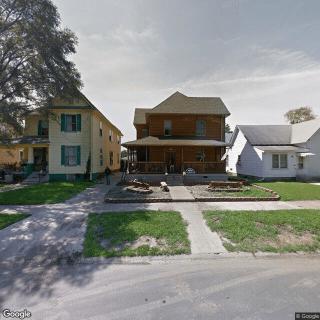








 8 Key Indicators That Suggest It May Be Time to Transition from Assisted Living to Skilled Nursing Care
 Vibrant Senior Living: A Comprehensive Guide for Active Older Adults
 When to Transition from Assisted Living to Memory Care: Key Indicators, Steps, and Finding the Right Community