
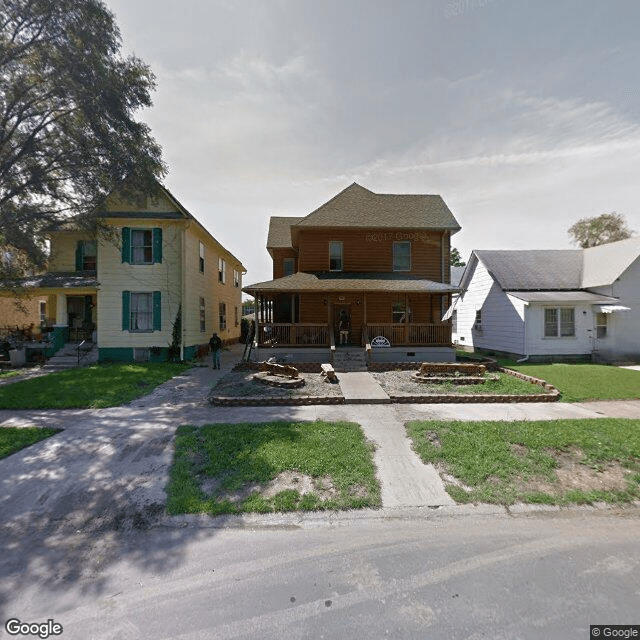
612 W Coates St, Moberly, MO 65270
To contact a resident: (660) 263-6759
For more information about senior living options: (866) 208-4318
Overall Review of Coates Street Comfort Home
Pros
 The facility offers a safe, home-like environment where staff know residents by name.
 - Residents are treated with care and not as numbers.
- The care provided is exceptional.
- Meals are cooked from scratch.
- The medical team is exceptional and stays on top of residents’ needs.
- It is a place where residents won’t be disappointed with their care.
Cons
 The owner was very negative toward residents, telling them they would be there forever and that moving out would cause them to "sink."
- He stated to other residents that the individual was "doing terrible" and facing prison time, which was false.
- The Comfort House violated residents' rights and engaged in illegal activities.
- The facility used residents' UHC cards for facility use.
- The staff told residents there was no hope for them and that they were there until death.
- They prevented residents from filing hotlines, which was illegal.
Review
Coates Street Comfort Home in Moberly is best suited for residents who crave a true home-like environment where staff know names, daily routines feel personal, and on-site medical oversight feels steady and attentive. The reviews highlight a culture of individualized attention, with meals described as crafted from scratch and a medical team that stays on top of care. For a person who values warmth, familiarity, and a structured setting that can help someone regain direction after a rough patch, this house presents a compelling fit. In short, it works best for someone who prioritizes personal connection and a homelike atmosphere over a more impersonal, larger-scale assisted living model.
That clarity, however, comes with important caveats. Families should explicitly consider alternatives if governance, rights protections, and clear, accountable processes are non-negotiables. A single former resident’s account alleging personal mistreatment by the owner, purported rights violations, and misallocation of benefits raises red flags about how disagreements are handled and how resident rights are safeguarded. When evaluating this community, the absence or quiet treatment of such concerns can be as meaningful as any warmth or kitchen from-scratch claim. If clear, enforceable rights protections and transparent management are non-negotiable, alternatives with stronger formal safeguards may be the wiser path.
The strongest positives, the home atmosphere, personalized recognition by staff, and the sense of belonging, do offset some risk, but not all. The benefit of live-in staff who know residents well can dramatically reduce isolation and confusion, and a capable medical team that remains proactive is a meaningful safeguard against health deterioration. The comfort of meals prepared on-site and a familiar, supportive daily rhythm can translate into steadier moods and fewer crises. Yet these advantages are contingent on trust in leadership and consistent adherence to resident rights. When a facility operates with an unsettled leadership impression or uncertain accountability, the benefits can feel hollow to families weighing long-term placement.
Where the negative account weighs most heavily is in the potential for rights-related misconduct and the perception of retaliation or fear-dressed control. The report of being discouraged from pursuing formal hotlines, combined with accusations of misusing participants’ benefits, creates a legitimacy problem that no amount of homelike charm can fully erase. Prospective residents should treat this as a red flag warranting thorough verification: check with state licensure records, request current grievance procedures, and speak directly with current residents and families about how concerns are addressed. The presence of strong, transparent responses to complaints is as essential as the care itself.
Practical due-diligence steps matter: schedule a candid tour focused not just on dining and living spaces but on governance, complaint handling, and resident autonomy. Ask to review the resident agreement for rights protections, grievance channels, and the process for disputes or reporting concerns. Inquire about how prescription and medical card usage is managed, what oversight exists to prevent misuse, and how residency decisions are made and communicated. Observe staff interaction with residents, note turnover, and gauge whether residents appear genuinely supported or quietly constrained by a controlling atmosphere. Compare with nearby communities that offer robust oversight, larger facilities with formal governance, and clearer public-facing rights protections.
Ultimately, Coates Street Comfort Home presents a practical choice for families prioritizing a genuine home feel and attentive day-to-day care, provided cautious scrutiny is applied. The decision hinges on balancing the undeniable warmth and personalized care against questions about governance, rights protections, and the credibility of the negative report. If the resident values intimate, name-by-name care and a predictable routine, and if assurance exists that rights and grievances are handled with transparency, this community can be a strong fit. If, however, the priority is unwavering governance, unambiguous rights protection, and verifiable accountability, it is prudent to widen the search and compare options with more robust oversight. The choice should emerge from a clear risk-reward calculus, anchored in direct conversations, verifiable records, and multiple, current references.
 Board and Care Home








 Encouraging Participation in Adult Day Care: A Guide to Supporting a Hesitant Parent
 Comprehensive Exploration of Living Wills and Other Advance Directives
 A Detailed Exploration of Living Wills and Advance Directives