
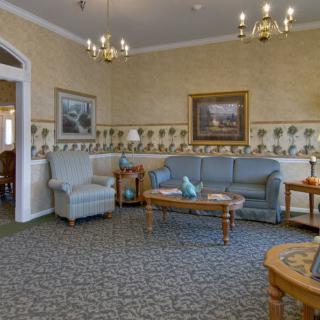
1722 Huntingfield Drive, Mexico, MO 65265
For more information about senior living options: (866) 208-4318
Teal Lake Costs & Pricing
Teal Lake offers a compelling value when compared to the average costs in Callaway County and the broader state of Missouri. For instance, the monthly rate for a one-bedroom unit at Teal Lake is $1,920, significantly lower than both Callaway County's $3,200 and Missouri's state average of $3,349. Similarly, two-bedroom accommodations at Teal Lake cost $2,230, making it more affordable than the county's rate of $3,350 and the state's average of $3,675. Even in semi-private settings and studios, Teal Lake remains competitive; its semi-private rooms are priced at $3,150 versus $3,699 locally and $3,772 statewide. Lastly, while studio apartments are offered at a higher rate of $4,050 at Teal Lake compared to county and state averages of approximately $3,430 and $3,418 respectively, the overall pricing structure highlights Teal Lake as an attractive option for potential residents seeking quality living within a budget-friendly framework.
| Floor plans | Teal Lake | Callaway County | Missouri |
|---|---|---|---|
| 1 Bedroom | $1,920 | $3,200 | $3,349 |
| 2 Bedrooms | $2,230 | $3,350 | $3,675 |
| Semi-Private | $3,150 | $3,699 | $3,772 |
| Studio | $4,050 | $3,430 | $3,418 |
Assisted Living communities with a similar price nearby
-
from +$284 / mo
Kingdom Care Senior Living
$2,204 to $3,223 / month21.4 miles away -
from +$180 / mo
Bristol Manor of Centralia
$2,100 to $3,100 / month14.4 miles away -
from +$75 / mo
Hillcrest Assisted Living
$1,995 to $2,600 / month21.7 miles away -
from -$70 / mo
Ashbury Heights of Montgomery City
$1,850 / month23.3 miles away -
from +$255 / mo

Ashbury Heights of Fulton
$2,175 to $3,175 / month22.4 miles away
Overall Review of Teal Lake
Pros
 Families feel their loved ones at Teal Lakes are safe and well cared for.
- The staff are great with communication and keep families well informed.
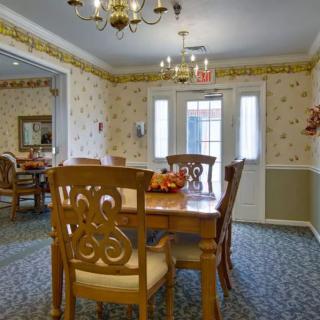
- The meals are well balanced and there are many menu choices.
- It is a wonderful place with a warm, welcoming atmosphere.
- The resident’s mother is doing very well and has access to activities to try.
- Medication assistance, along with housing and meals, works well.
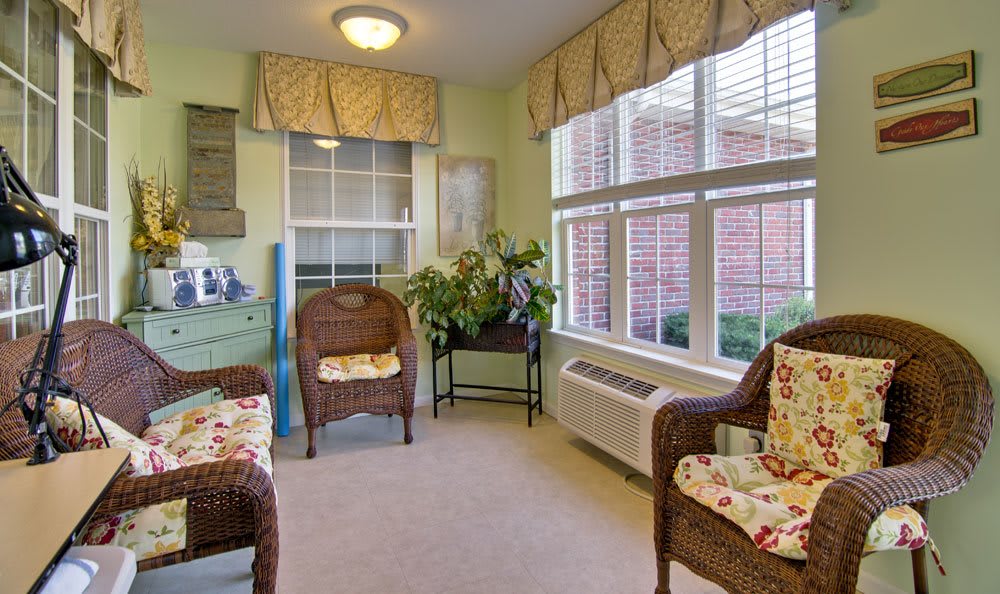
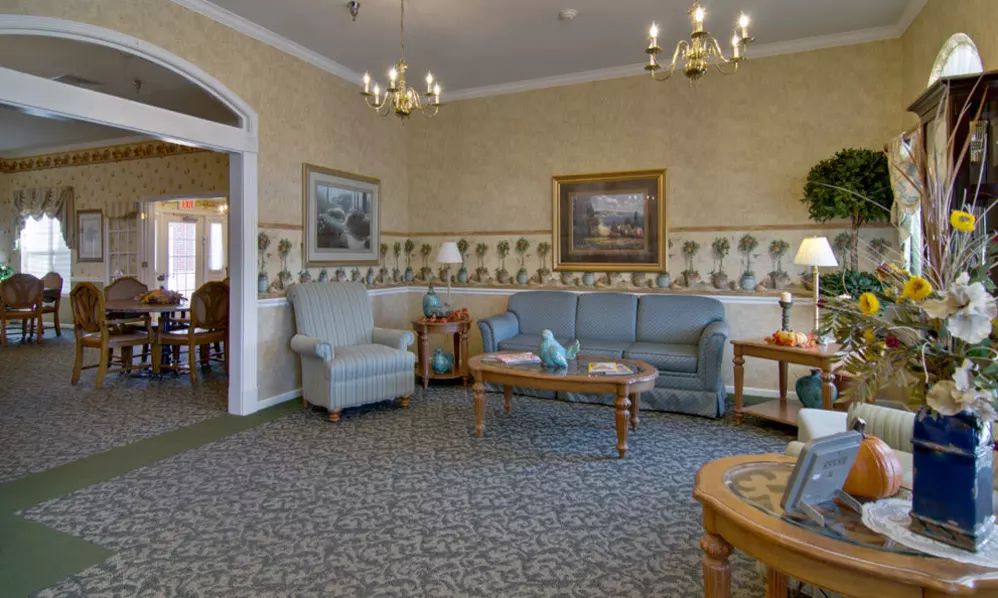
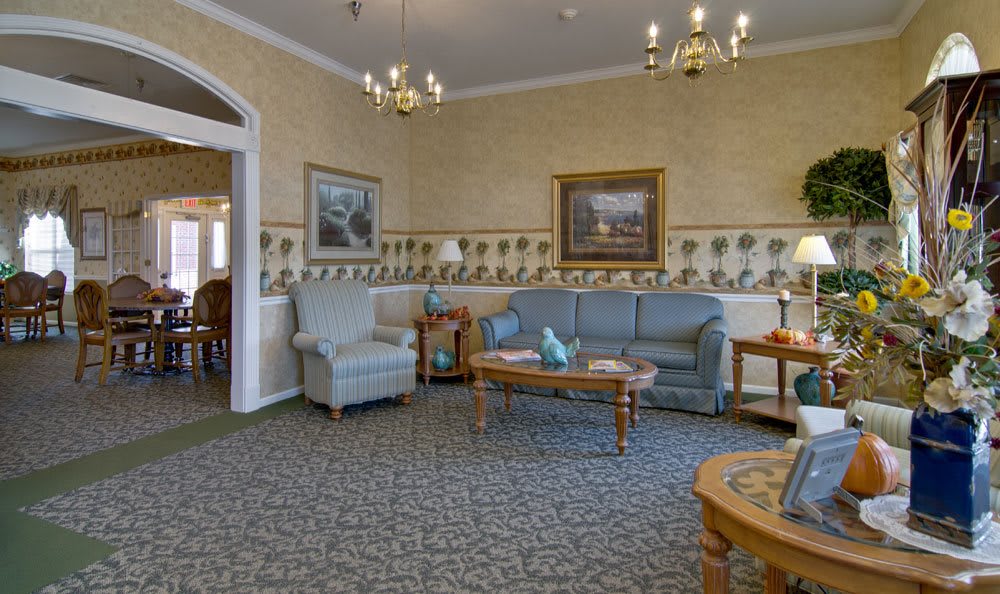
- The place is beautiful—airy, clean, and with a fresh feel.
Review
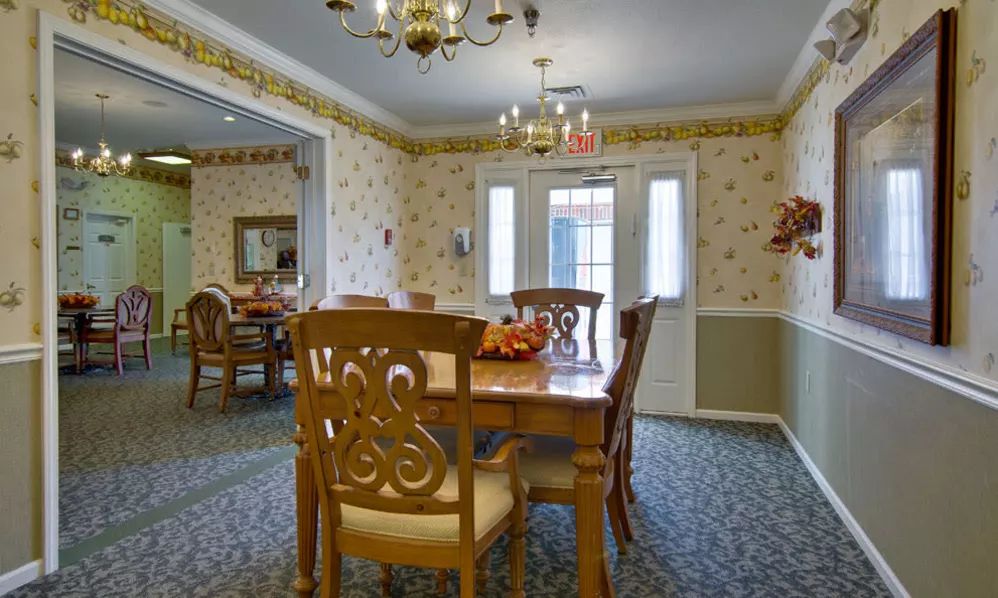
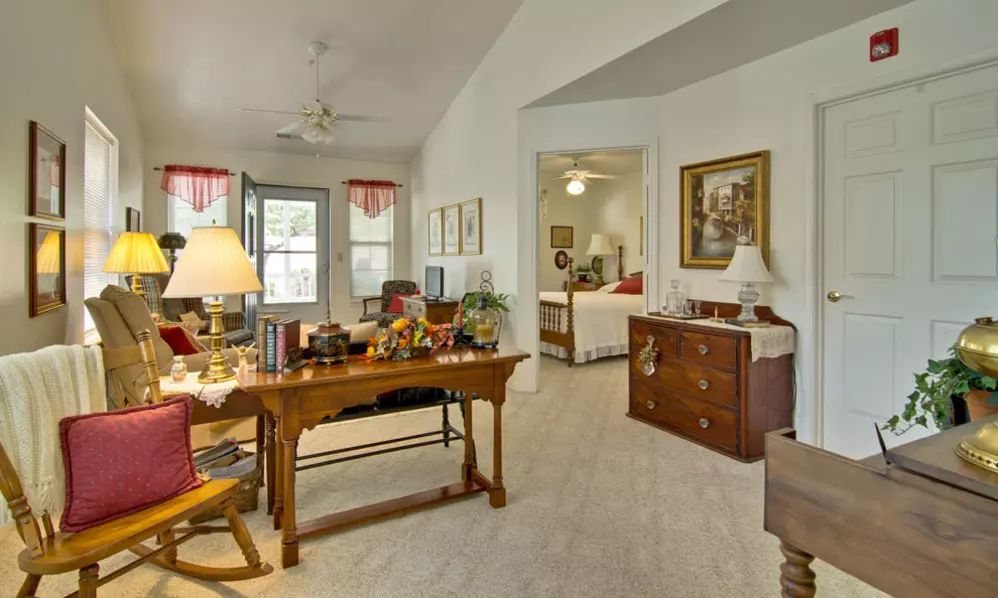
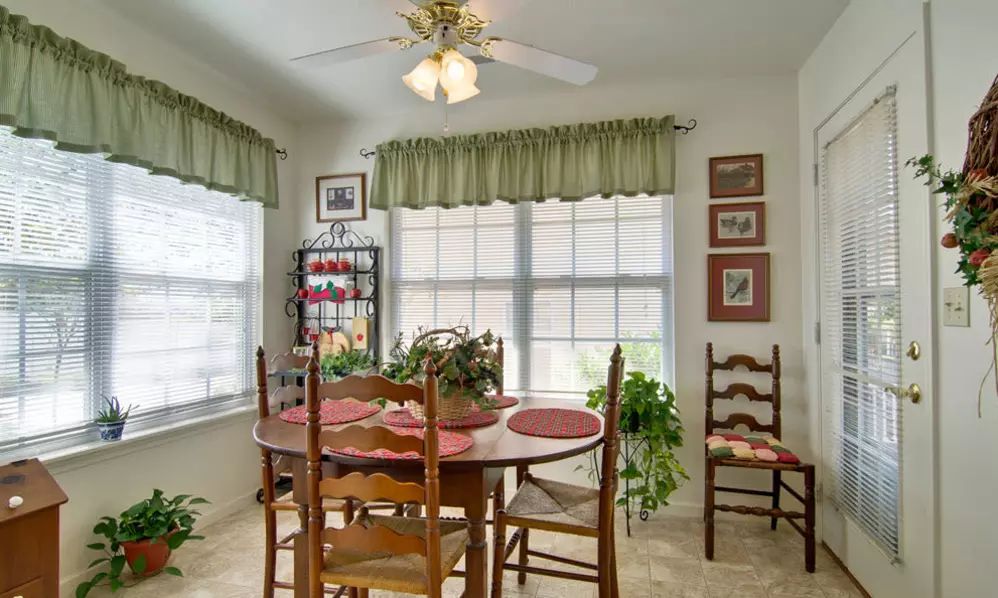
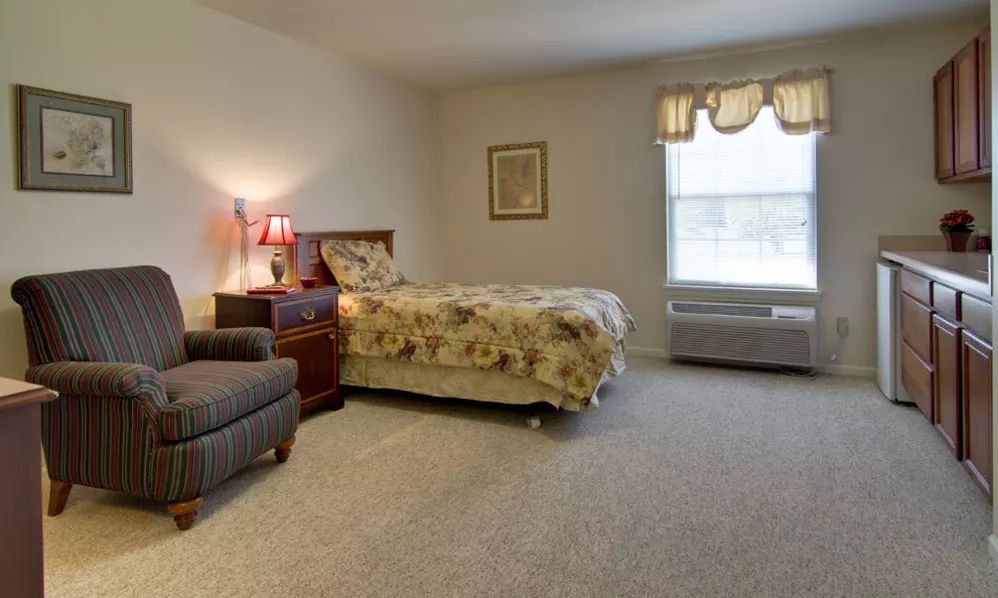
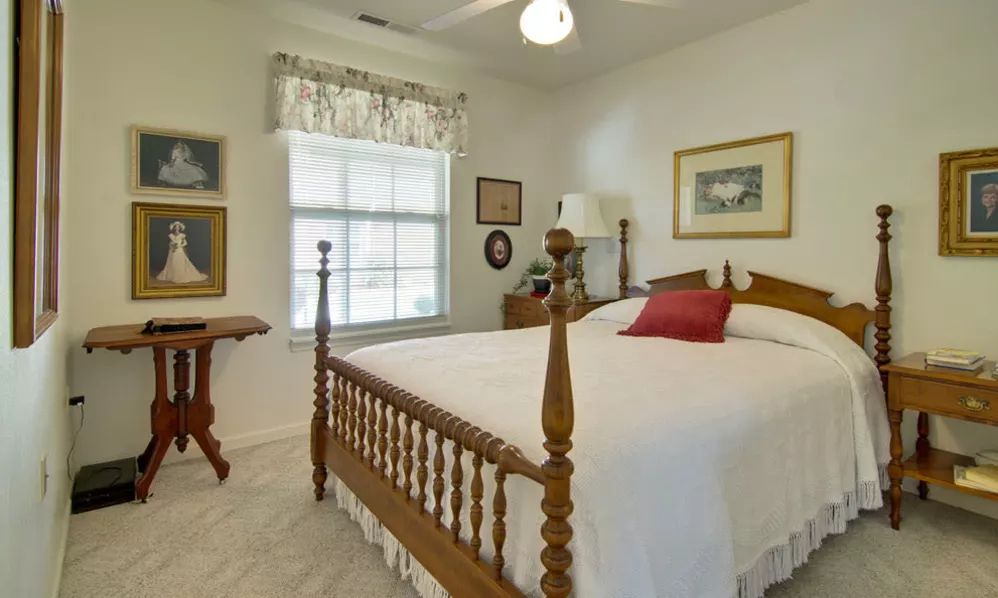
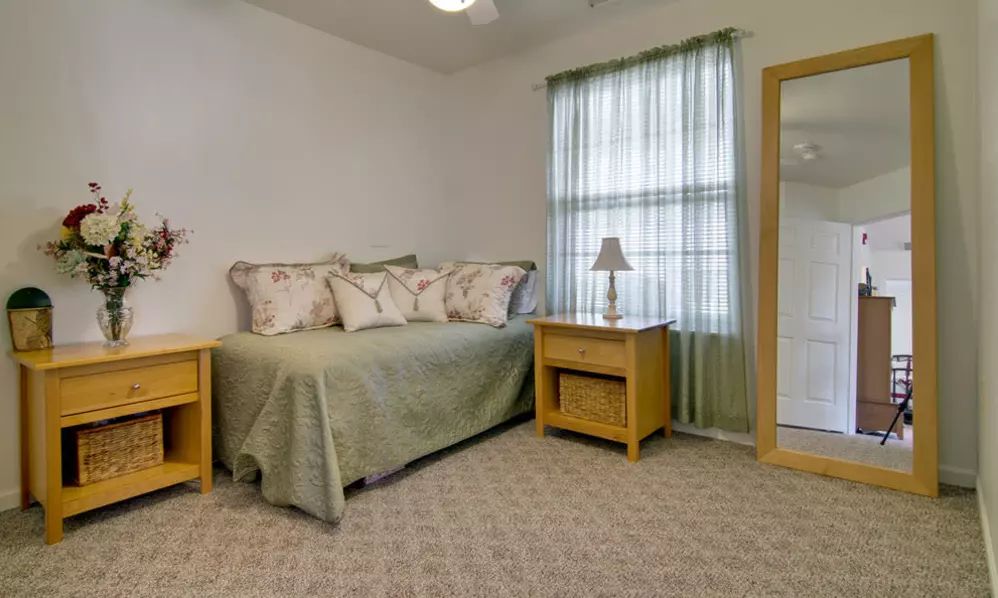
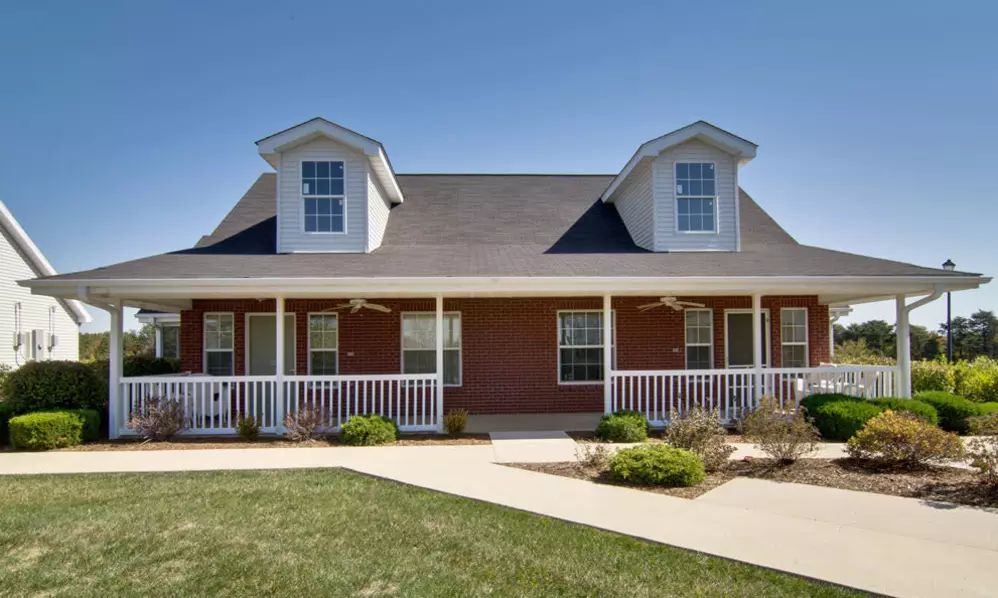
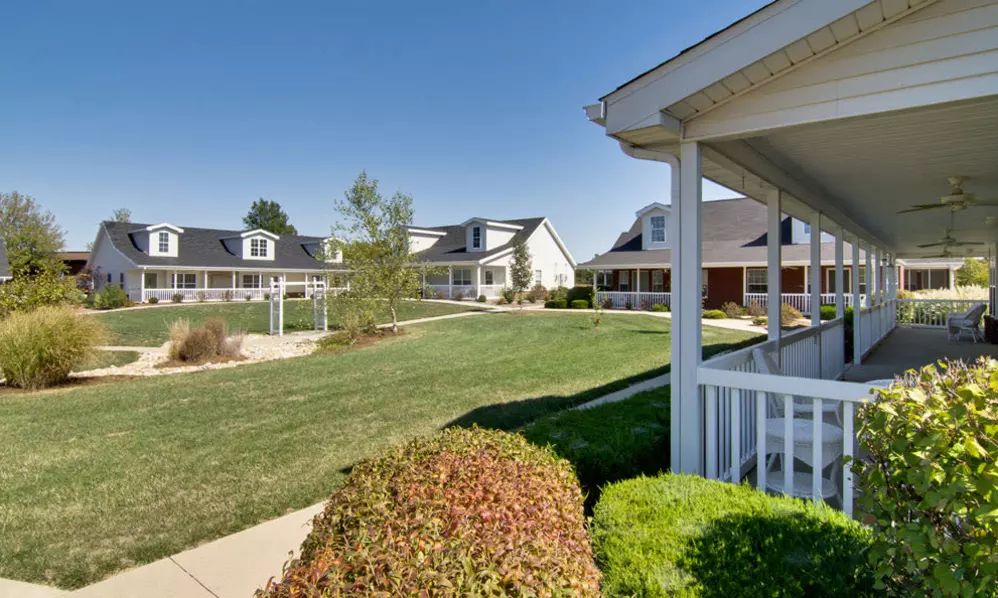
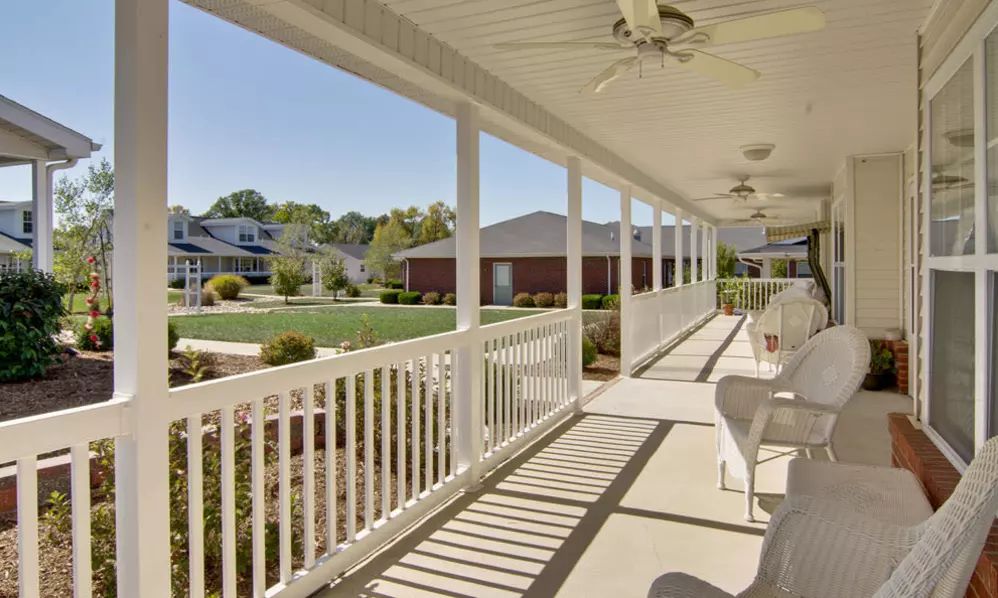
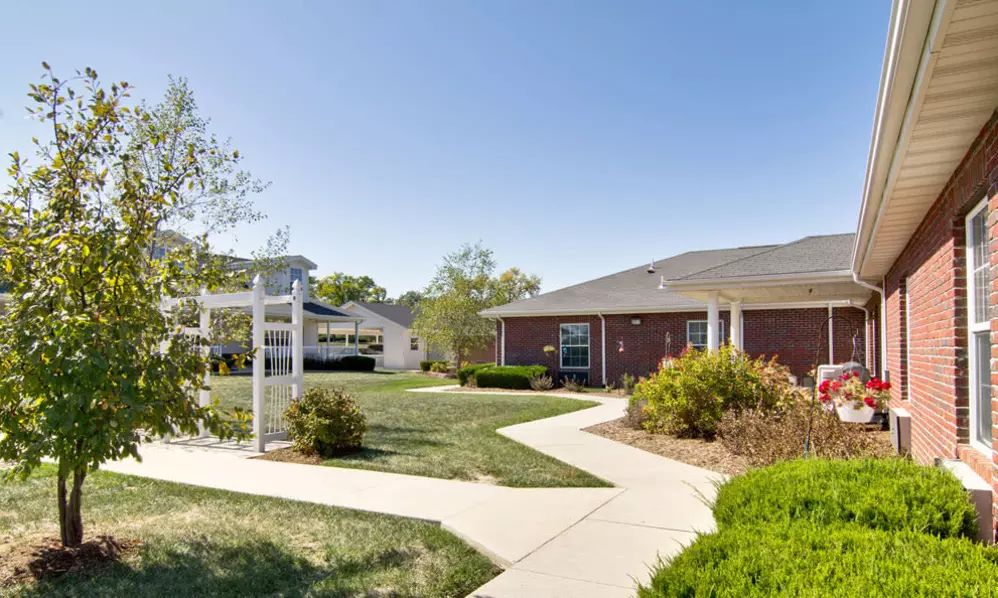
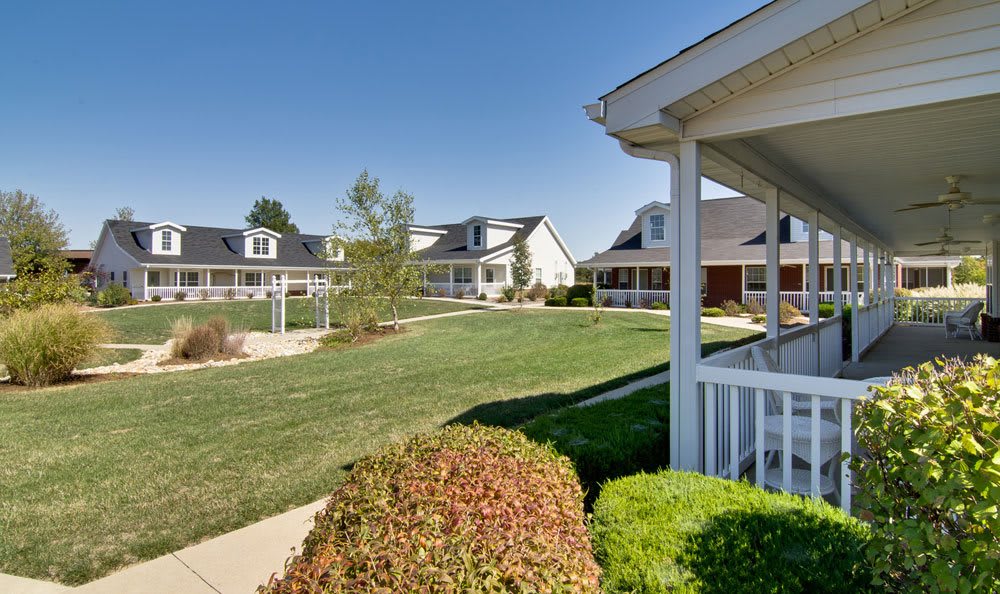
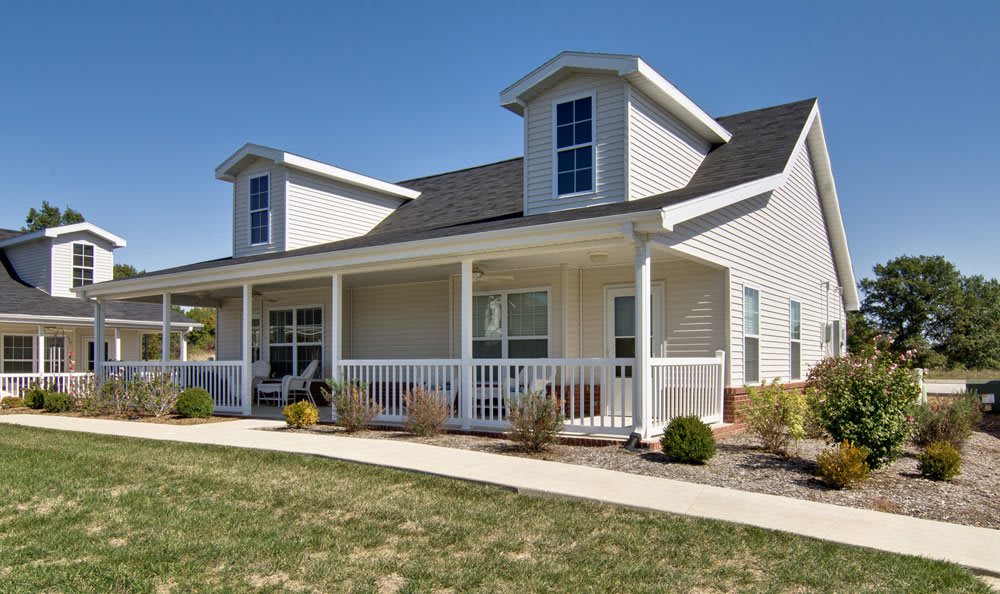
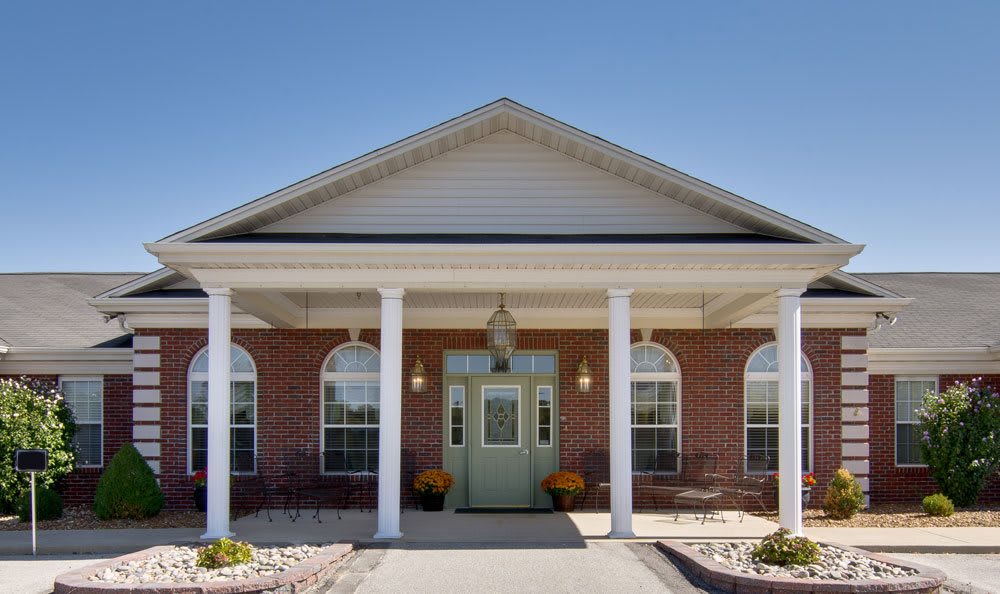
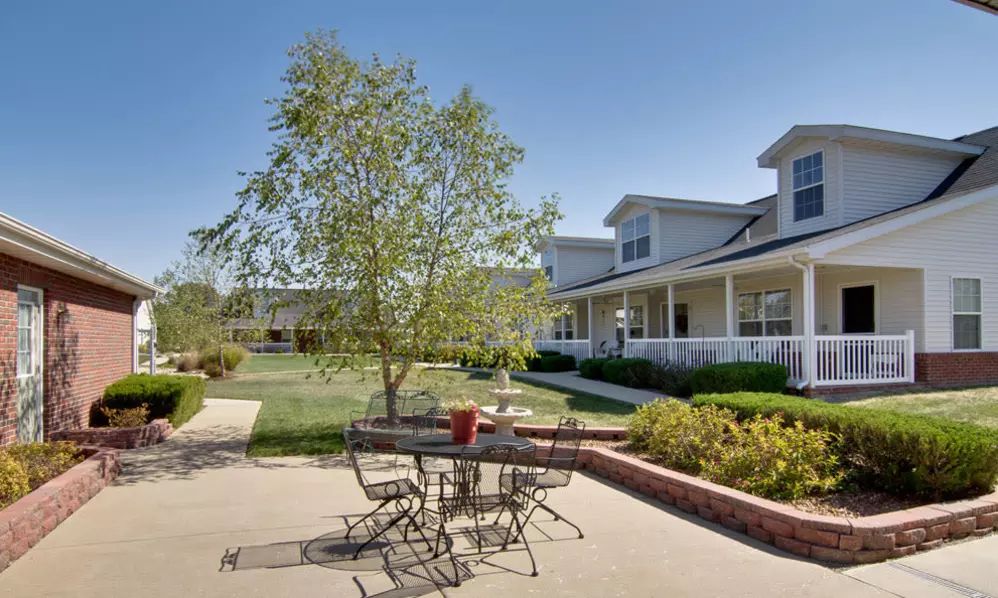
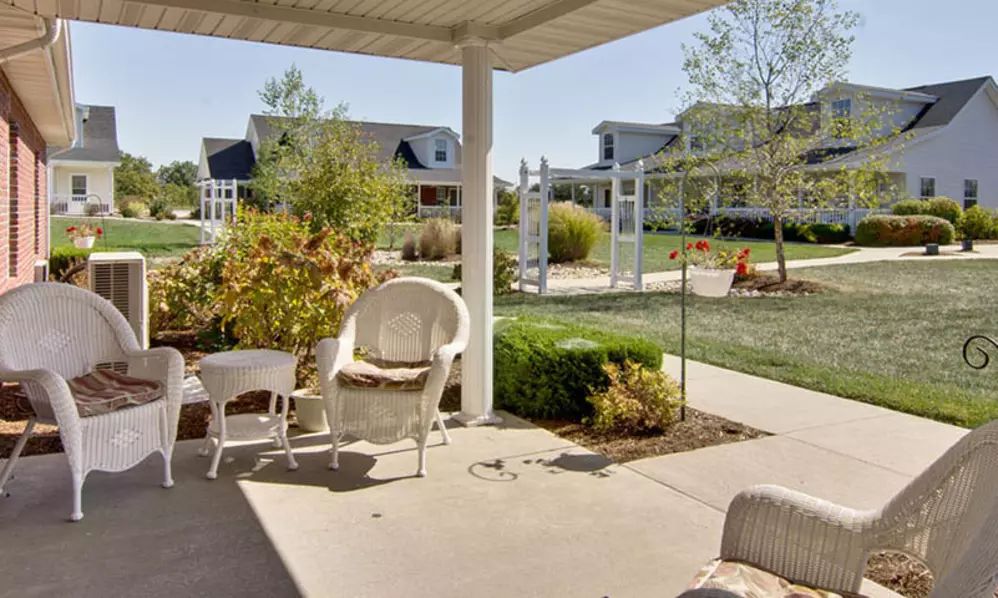
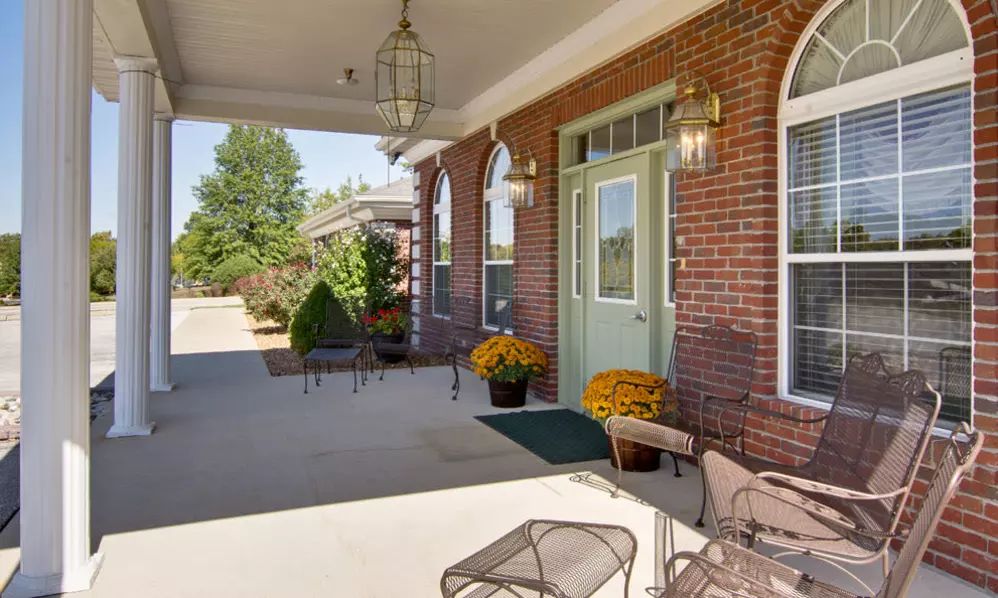
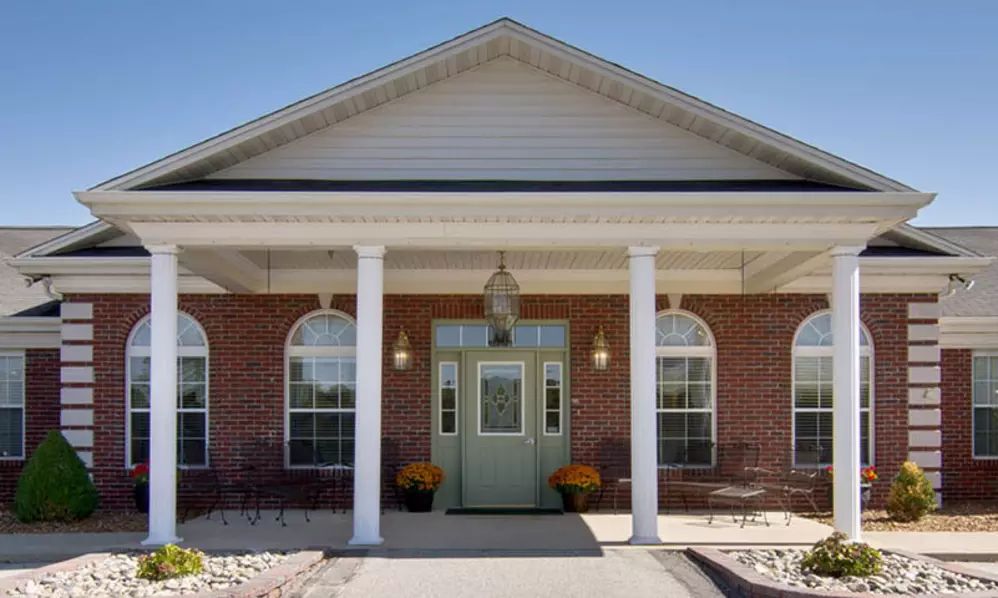
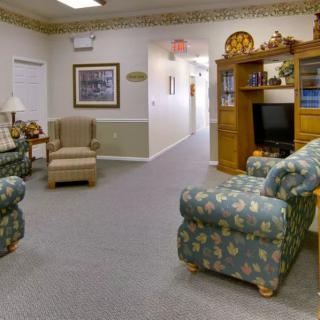
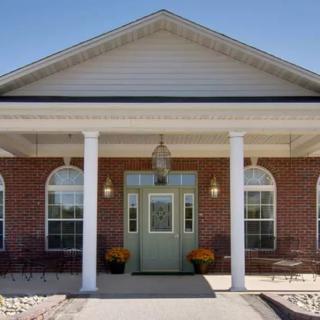
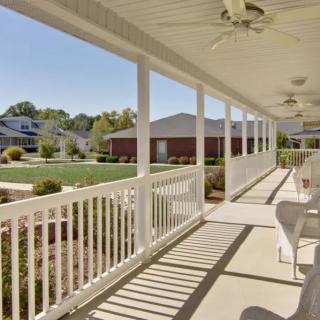
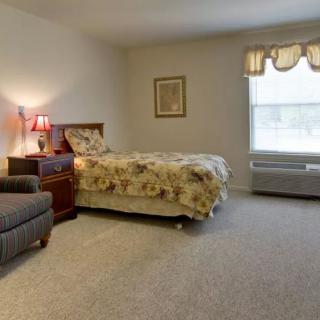
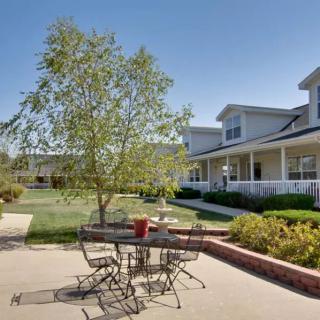
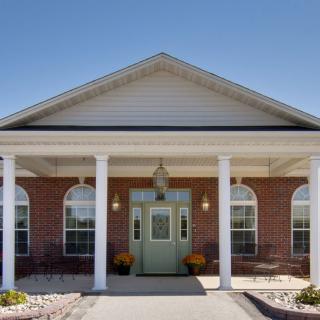
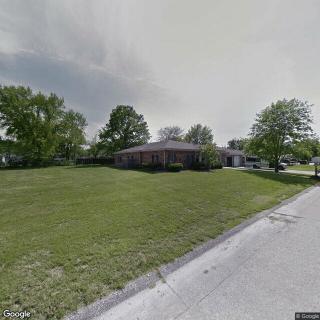
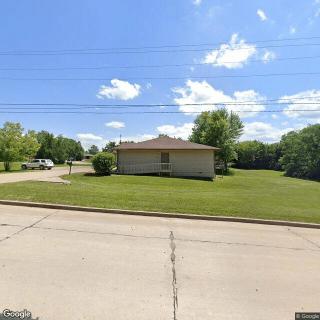
Teal Lake is best suited for seniors who want a warm, safety-forward assisted living experience delivered in a cottage-style setting, with easy family access and strong everyday support. It works well for residents who value independence paired with practical help, particularly medication assistance, housing, and meals, within a community that prioritizes personal connections. The campus design, with private 1- to 2-bedroom cottages not attached to the main building, creates a tranquil, home-like atmosphere while still delivering reliable care and oversight. For families seeking a place where visits feel effortless and conversations with staff stay frequent and informative, Teal Lake hits the mark.
Those who may want to consider alternatives include families anticipating higher medical or rehabilitation needs that extend beyond medication reminders and routine assistance. The setup leans toward a quieter, cottage-oriented model rather than a high-traffic, hospital-style campus. For seniors who want a denser social calendar inside a central, urban-style complex, or for those prioritizing proximity to a major medical hub with comprehensive on-site clinical services, other communities with larger footprints or more centralized care may be a better fit. Urban amenities, more extensive on-site medical resources, or bigger common areas could sway choices away from Teal Lake.
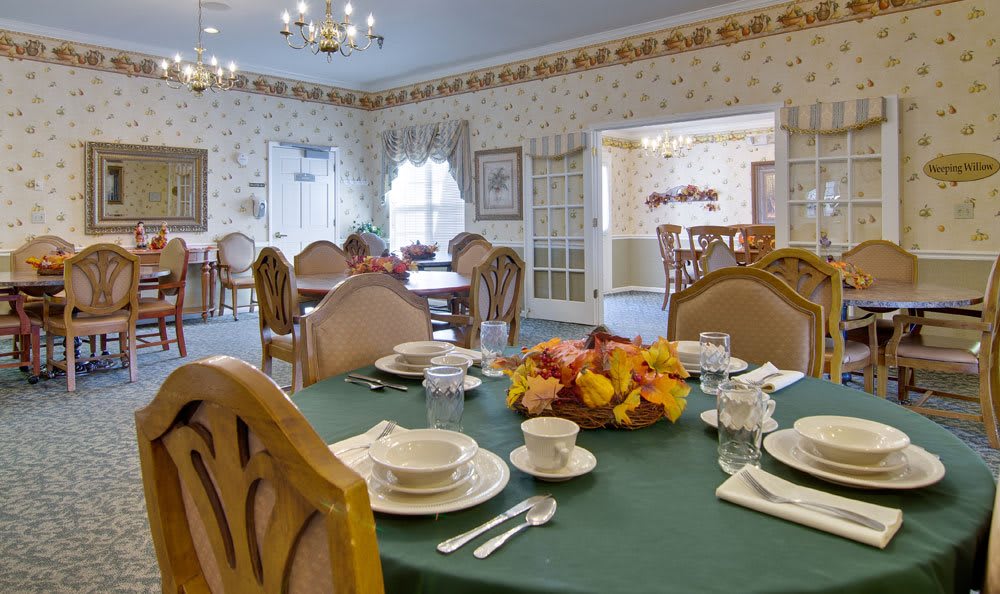
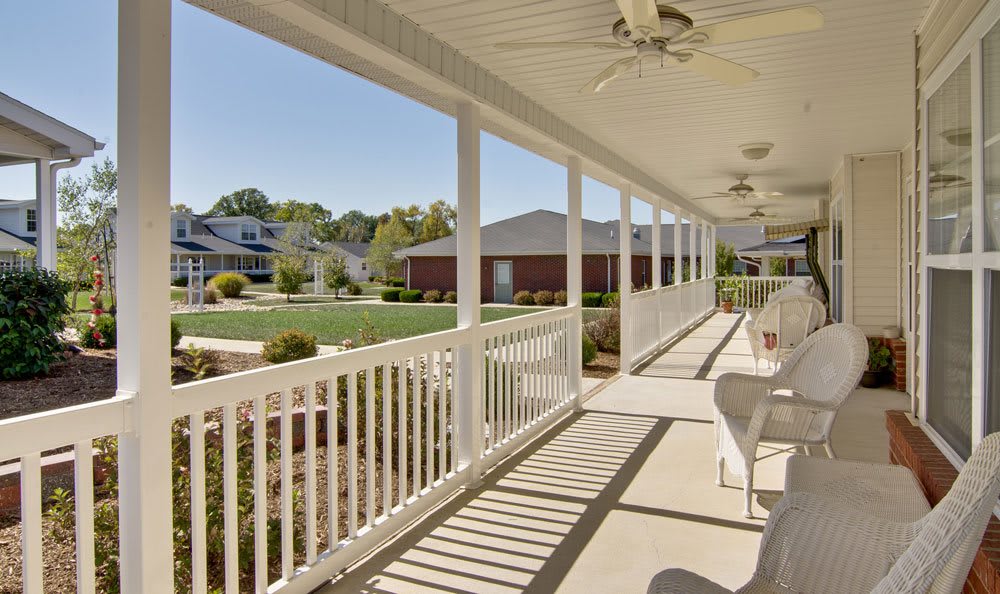
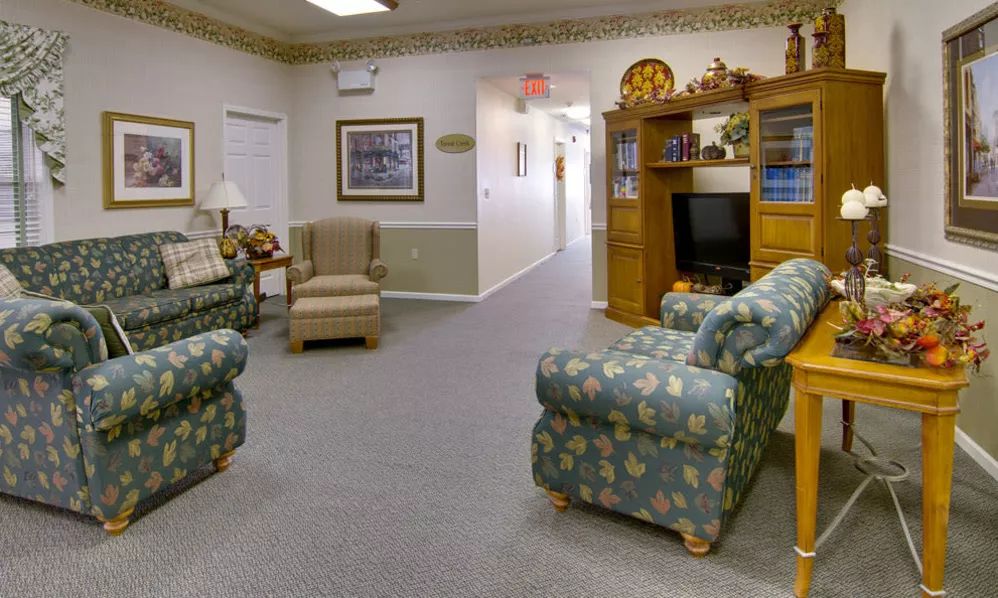
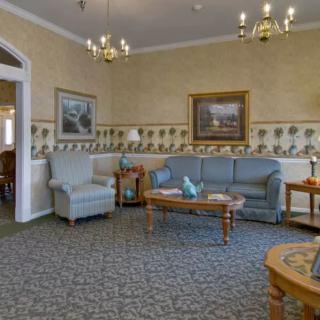
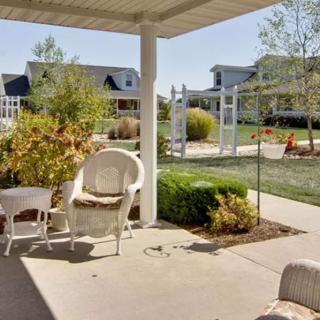
The strongest pros form a compelling offset to the few trade-offs. Safety and attentiveness emerge as foundational strengths, with staff that communicates clearly and keeps families informed, an essential reassurance for families that cannot monitor care daily. The meals earn steady praise: well-balanced menus with ample choices reduce caregiver burden and support consistent nutrition, a practical win for long-term well-being. The warmth of the community matters just as much; a genuine sense of welcome and connection pervades the environment, helping residents settle in and maintain a sense of belonging. The physical setting, airy, clean, with a lake nearby and a walking path, contributes to well-being and supports light, active living. Medication assistance alongside housing and meals consolidates a core package that reduces family stress and simplifies daily routines.
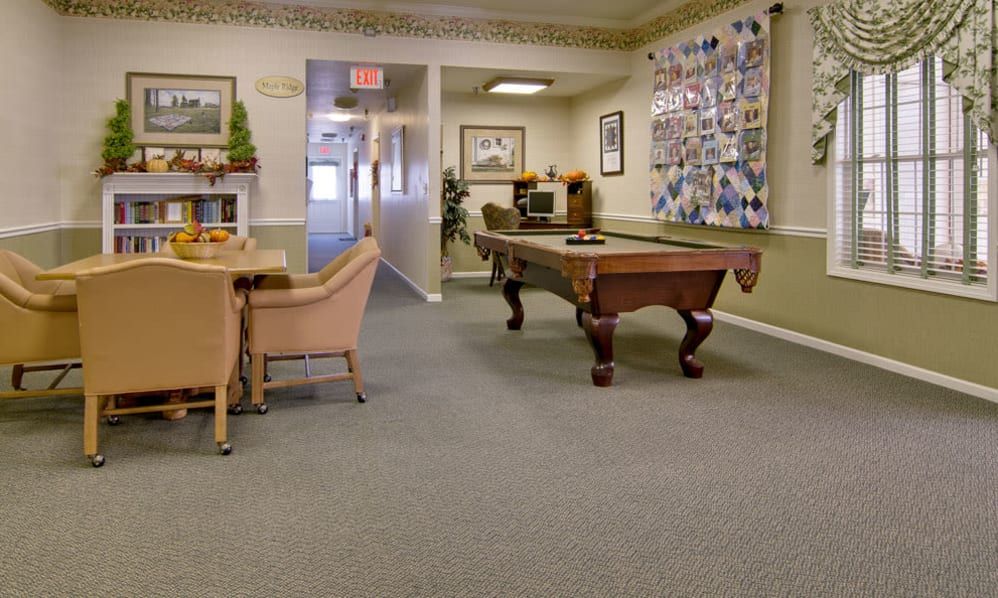
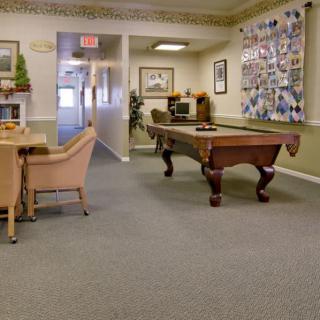
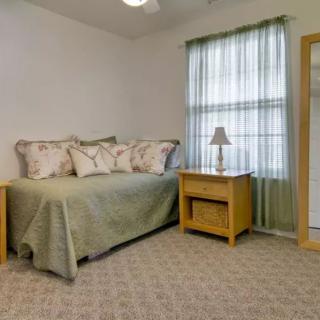
Notable trade-offs relate mainly to layout and scale. The cottages, while private and comfortable, are modest in size and not physically attached to the main building, which can affect the immediacy of access to shared services or centralized amenities some families expect from a traditional campus. The feel is not “brand-new hospital wings,” but the overall impression remains fresh and well maintained. For residents who value a strong, centralized activity hub or a more compact footprint where all services are within a few steps, Teal Lake may feel less dynamic. However, the offered activities, bingo, exercise, puzzles, card games, social outings, and church services, tend to rotate effectively, sustaining engagement without overwhelming the serene pace of cottage living.
When weighing pros against cons, Teal Lake’s standout strengths tend to eclipse the potential drawbacks for the target profile. The combination of safety, dependable communication, well-fed residents, and a warm, community-oriented atmosphere creates a practical, low-stress environment for aging in place. The private cottages deliver autonomy and privacy, while still allowing easy access to care, meals, and social opportunities. The setting, open space, a nearby lake, and a walking path, supports daily activity without demanding a high level of exertion, which is a meaningful offset for families seeking dignified, supported living rather than institutional intensity.
In the end, Teal Lake serves decisively well for families prioritizing safety, clear communication, and a home-like, cottage-based lifestyle with dependable support services and a friendly social fabric. It is especially well suited for residents who prize the ability to have family visits without logistical strain, who want reliable medication assistance alongside meals, and who appreciate a calm, attractive setting that still offers meaningful activities. Those pursuing extensive on-site medical specialization, a dense urban campus, or very large shared spaces should explore alternatives that tilt toward centralized care or bigger, more interconnected environments. Prospective families should arrange a visit, review current activity calendars and sample menus, and discuss specific care plans and cottage options to ensure the fit is exact.
 42 resident community capacity
 1-bedroom apartments
 Assisted Living
 Independent Living
 Activities on-site
 Air-conditioning
 Beautician on-site
 Cable or satellite TV
 Computer center
 Devotional services off-site
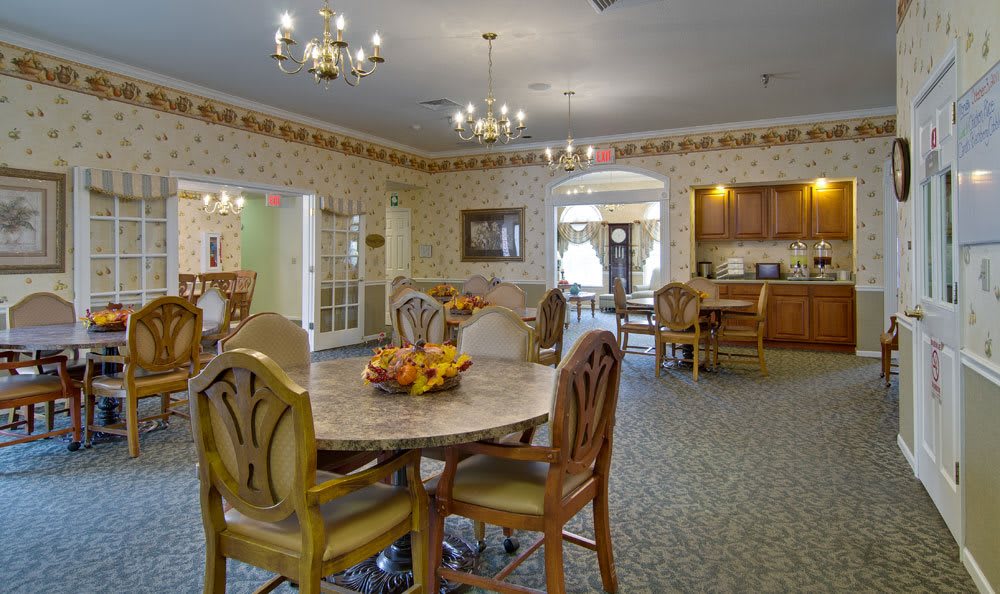
 Dining room
 Financing advice
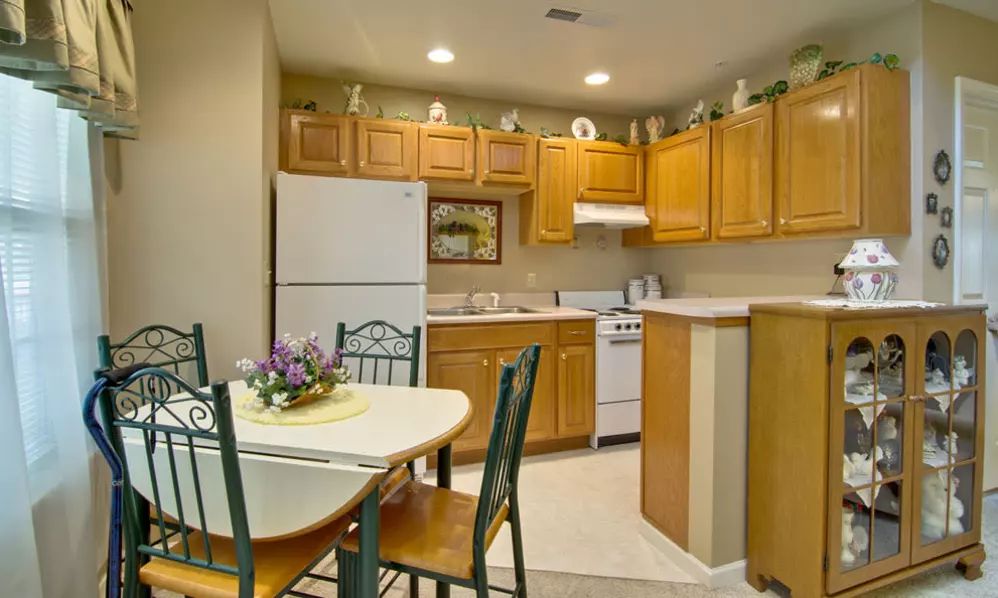
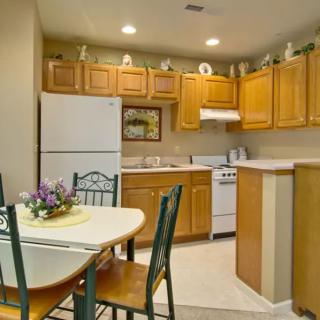
 Full kitchen
 Fully furnished
 Garden
 Ground floor units
 Guest parking
 Handicap accessible
 Housekeeping services
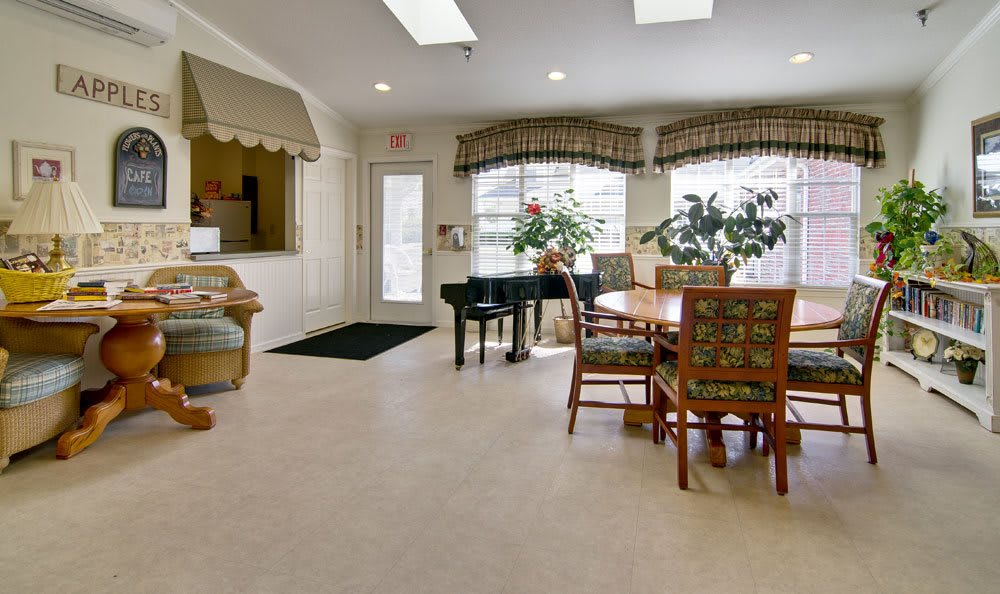
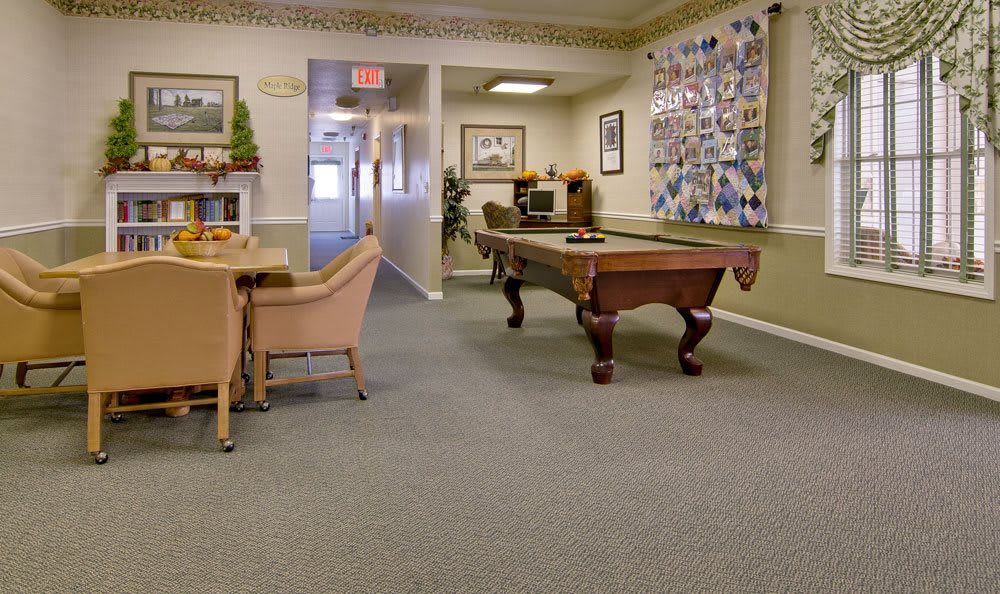
 Indoor common areas
 Laundry
 Move-in coordination
 Outdoor space
 Overnight guests
 Party space
 Respite or short term stays offered
 Restaurant-style dining
 Small library
 Telephone
 Wi-Fi/high-speed internet available
 24-hour call system
 Ambulatory care
 Assistance with bathing
 Assistance with dressing
 Assistance with transfers
 Diabetes diet
 Diabetic care
 Incontinence care
 Medication management
 Mental wellness program
 Physical therapy
 Special dietary restrictions
 Arts and crafts
 BBQs or picnics
 Book club
 Cooking club
 Educational speakers / life long learning
 Games
Games Live musical performances
 Live well programs
 Trivia games


 Understanding the True Cost of Assisted Living in 2025: A Comprehensive Guide
 Understanding Medicaid Coverage for Assisted Living: A Comprehensive Guide
 How and When Medicaid May Cover Assisted Living Costs