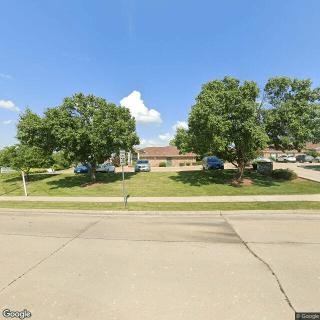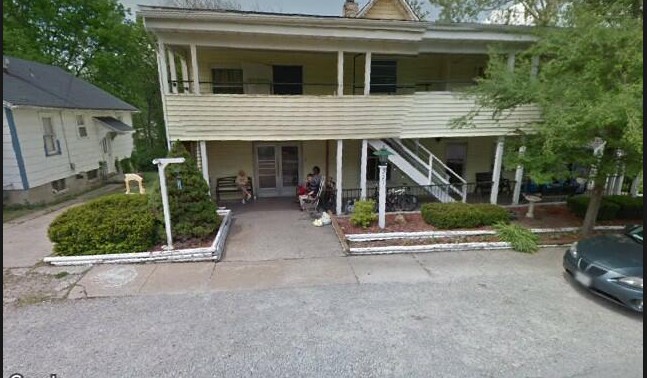
Towne House

Save
Towne House

Towne House

221 East Whitleypo Box 6, Mexico, MO 65265

For more information about senior living options: (844) 490-3973

2 from 4 reviews
5 stars
1
4 stars
0
3 stars
0
2 stars
0
1 stars
3

Assisted Living

Overall Review of Towne House

Pros

  • pro There are no positive statements present in the reviews above.

Cons

  • pro The staff steals from residents.
  • pro The owner doesn't care and is only in it for the money.
  • pro The facility is unsafe for anyone to live in during a crisis.
  • pro The food is so little it wouldn't fill a baby's stomach.
  • pro The building is dirty with stains everywhere.
  • pro The carpet is very old.
  • pro Some doors don't work even after maintenance.
  • pro There are residents who are verbally and physically abusive and staff do nothing.
  • pro A resident has been kicked out three times for attacking police officers and residents, and he's back for a fourth time.
  • pro The owner has admitted to being exposed to covid-positive residents from other facilities and still comes three or more times a week.
  • pro Multiple residents do drugs and staff overlook it.

Review

The reviews describe Townehouse as a place where several serious problems intersect, painting a portrait of a facility that residents and their families find unsafe, poorly managed, and neglectful on multiple fronts. The overarching thread is a sense that care quality is compromised by both staff behavior and management decisions, with safety and well-being taking a back seat to financial concerns and lax oversight. One reviewer emphasizes that the owner's stated focus on money undercuts any commitment to residents, a claim that colors every other grievance as part of a broader pattern of indifference.

A central concern is the reliability and integrity of the staff. The reviewer recounts instances of theft by employees, coupled with an impression that the administration is aware of such misconduct but does not adequately address it. This accusation is paired with a perception that basic accountability is missing, casting doubt on whether residents' possessions and personal safety are ever adequately protected. The sense of distrust extends to health and safety protocols as well, suggesting a work culture where corruption and lax standards may be allowed to persist unchecked.

Health and infection control are described as particularly troubling in the current crisis period. The reviewer notes a staff member testing positive for COVID-19, who was given only a brief layoff before being sent back to work without a proper retesting or quarantine process. Adding to the concern, the owner is said to admit having been exposed to COVID-positive residents from other facilities she owns, yet continues to visit Townehouse three or more times a week. This combination of risk exposure and insufficient isolation measures is presented as evidence that residents' health is not being prioritized, with potential consequences for the most vulnerable residents.

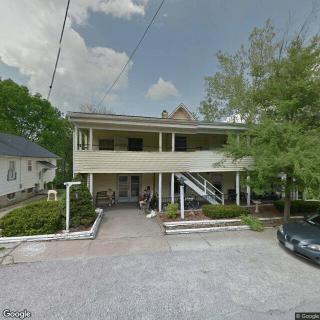
The physical environment and daily living conditions are portrayed as run-down and inadequate. According to the review, the building is dirty, with stains throughout and carpeting that may be as old as the building itself. Maintenance issues are ongoing, including doors that do not work even after intervention by a maintenance worker. The overall atmosphere is described as unsafe and unhygienic, contributing to a sense of neglect alongside the reported safety concerns.

Violence and drug use among residents are described as ongoing problems that are not being effectively managed. The reviews indicate that some residents are verbally and physically abusive, with staff reportedly noting the behavior but feeling constrained by a lack of clear solutions. There is mention of a resident who has been expelled three times for attacking police officers and other residents, only to return for a fourth admission. In addition, multiple residents are said to be engaging in drug use, with staff supposedly aware of the activity but not taking sufficient steps to address it or protect the rest of the community. The combination of aggression, contraband use, and perceived inaction by staff creates an atmosphere many find alarming and unsafe.

Nutrition and medical management are also called into question. The food is described as insufficient in quantity, to the point that it would not satisfy even a baby's appetite, and the review notes that this has direct effects on residents' health - specifically, blood sugar levels dropping to dangerously low ranges on a daily basis. The critic ties these dietary shortcomings to broader concerns about how medicine and nutrition are handled, implying that residents' medical needs are not being adequately met through proper meal planning and oversight.

Taken together, these criticisms paint a picture of Townehouse as a facility where safety, health, and dignity may be compromised by a combination of inadequate infection control, poor maintenance, disruptive behavior without adequate intervention, and a management approach perceived as profit-driven rather than resident-centered. The reviewer's conclusion is emphatic and personal: not only is the environment unsafe, but the visitor experience and the quality of care are said to be so poor that they strongly advise against placing a loved one there. The reviewer also mentions their own health crisis - prompted by the conditions there - that forced a move after medical advice - that adds a deeply personal note to the broader allegations, underscoring the severity of the concerns raised.

Overall, the collection of complaints portrays Townehouse as a facility with a troubling combination of mismanagement, neglect, and unsafe conditions. The themes of theft, inadequate health protocols, exposure risks, deteriorating living conditions, resident aggression, drug activity, and insufficient nutrition converge to form a strongly negative impression. For anyone evaluating potential residency, the reviews deliver a clear, urgent warning about safety and quality that would warrant careful scrutiny, independent verification, and, if possible, exploring alternative options that prioritize resident safety and well-being.

Features

Housing

  • 29 resident community capacity 29 resident community capacity

Types of Care

  • Assisted Living Assisted LivingAssisted living facilities provide crucial support and care for seniors who may need help with daily tasks such as medication management, bathing, and meal preparation. These communities offer a safe and comfortable environment where seniors can maintain their independence while receiving the assistance they need to thrive in their golden years.

Amenities

  • Beauty salon Beauty salonBeauty salons are important for seniors because they provide a space for them to feel pampered, socialize, and maintain their personal grooming and hygiene. Regular visits to a beauty salon can help boost seniors' self-esteem and overall well-being.
  • Cable or satellite TV Cable or satellite TVCable or satellite TV is important for seniors because it provides entertainment, news, and companionship, helping to combat loneliness and boredom. It also offers a wide range of programming options tailored to different interests and preferences.
  • Dining room Dining roomDining rooms are important for seniors as they provide a space for socialization, connection, and nutritious meals. They offer opportunities for residents to bond over shared meals, foster a sense of community, and promote healthy eating habits. Dining rooms also ensure that seniors have access to well-balanced meals tailored to their dietary needs and preferences.
  • Fully furnished Fully furnishedFully furnished senior living communities are important for seniors because they provide convenience, comfort, and a hassle-free moving experience. Seniors can easily settle into their new living space without the stress of having to buy and move furniture. This allows them to focus on enjoying their new home and community.
  • Garden GardenGardens are important for seniors as they provide a peaceful and therapeutic environment for relaxation, physical activity, and socialization. Being in nature has been shown to reduce stress, improve mood, and promote overall well-being. Gardens also offer opportunities for seniors to engage in gardening activities, which can improve mobility, flexibility, and cognitive function. Additionally, gardens create a sense of community and connection with others who share a passion for plants and outdoor spaces.
  • Housekeeping services Housekeeping servicesHousekeeping services are important for seniors because they help maintain a clean and safe living environment, promote independence, and reduce the risk of accidents or illnesses. Additionally, having assistance with household chores can alleviate physical strain and allow seniors to focus on other aspects of their well-being.
  • Kitchenette KitchenetteKitchenettes are important for seniors living in senior living communities because they provide the convenience and independence of being able to prepare simple meals and snacks in the comfort of their own living space. This can help promote a sense of autonomy and well-being for seniors, allowing them to maintain some level of control over their dietary choices and daily routines.
  • Move-in coordination Move-in coordinationMove-in coordination is important for seniors because it helps ease the transition into their new living environment. It ensures that all logistics, such as packing, organizing movers, and setting up utilities are taken care of, allowing seniors to focus on settling in and adjusting to their new home. Having a smooth move-in process can alleviate stress and anxiety, making the transition smoother and more enjoyable for seniors.
  • Outdoor space Outdoor spaceOutdoor spaces are important for seniors as they provide opportunities for physical activity, social interaction, exposure to natural light and fresh air, and a sense of connection to nature. Having access to outdoor spaces can improve overall well-being and quality of life for older adults living in senior communities.
  • Restaurant-style dining Restaurant-style diningRestaurant-style dining is important for seniors because it allows them to enjoy delicious, nutritious meals in a social and upscale setting. This enhances their dining experience, promotes healthy eating habits, and fosters socialization with fellow residents, ultimately contributing to their overall well-being and quality of life.
  • Small library Small librarySmall libraries are important for seniors as they provide access to a variety of reading materials, including books, newspapers, and magazines. This can help stimulate their minds, keep them engaged, and provide a sense of community through book clubs and other social activities. Additionally, reading has been shown to improve cognitive function and overall mental well-being in older adults.
  • Telephone TelephoneTelephones are important for seniors as they provide a lifeline for communication with loved ones, emergency services, and healthcare providers. They offer a sense of security and independence, enabling seniors to stay connected and access assistance when needed.
  • Wi-Fi/high-speed internet available Wi-Fi/high-speed internet availableWi-Fi/high-speed internet is important for seniors to stay connected with loved ones, access online resources, and participate in virtual activities to combat feelings of loneliness and isolation. It also allows them to easily manage healthcare needs, access entertainment, and engage in lifelong learning opportunities.

Care Services

  • 24-hour call system 24-hour call system24-hour call systems are important for seniors because they provide peace of mind and immediate assistance in case of emergencies. This technology ensures that help is always available, promoting safety and security for elderly individuals living alone or in assisted living facilities.
  • 24-hour supervision 24-hour supervision24-hour supervision is important for seniors to ensure their safety, well-being, and access to immediate assistance in case of emergencies or health issues. This constant support provides peace of mind for both seniors and their loved ones, allowing them to age in place with dignity and security.
  • Activities of daily living assistance Activities of daily living assistanceActivities of daily living assistance are important for seniors because they provide essential support with tasks such as eating, bathing, dressing, and mobility. This assistance helps seniors maintain their independence, dignity, and overall quality of life as they age.
  • Assistance with bathing Assistance with bathingAssistance with bathing is crucial for seniors as it helps maintain personal hygiene, prevents infections, and ensures their overall well-being and comfort. It also provides a sense of dignity and independence for seniors who may struggle with this task on their own.
  • Assistance with dressing Assistance with dressingAssistance with dressing is important for seniors because it helps maintain their independence, promotes personal hygiene, prevents accidents and injuries, and improves overall quality of life. This service ensures that seniors can continue to dress comfortably and confidently, despite any physical limitations they may have.
  • Assistance with transfers Assistance with transfersAssistance with transfers is crucial for seniors as it helps prevent falls and injuries, maintains their independence, and ensures they can safely navigate their living environment. It also provides peace of mind for both seniors and their loved ones.
  • Diabetes diet Diabetes dietA diabetes diet is crucial for seniors as it helps manage blood sugar levels, reduce risks of complications, and improve overall health and well-being. By following a balanced and nutritious diet tailored to their specific needs, seniors can better control their diabetes and enhance their quality of life.
  • Meal preparation and service Meal preparation and serviceMeal preparation and service are crucial for seniors as they may have limited mobility or energy to cook nutritious meals. Having access to healthy and convenient food options can ensure they are getting the proper nutrition needed to maintain their overall health and well-being.
  • Medication management Medication managementMedication management is crucial for seniors to ensure they are taking the right medications at the correct dosages and times. This helps prevent adverse drug interactions, reduces the risk of medication errors, and promotes overall health and well-being. Proactive management also allows for adjustments as needed based on changing health conditions or new prescriptions.
  • Mental wellness program Mental wellness programMental wellness programs are essential for seniors as they promote cognitive stimulation, emotional support, and social engagement. These programs help prevent isolation, depression, and cognitive decline, ultimately enhancing the overall quality of life for older adults.
  • Special dietary restrictions Special dietary restrictionsSpecial dietary restrictions are important for seniors because age-related changes in metabolism and health conditions can make it difficult for their bodies to process certain foods. By following a diet tailored to their specific needs, seniors can maintain their overall health and well-being, manage chronic conditions, and reduce the risk of complications such as malnutrition or food interactions with medications.
Dining

  • Diabetes diet Diabetes dietA diabetes diet is crucial for seniors as it helps manage blood sugar levels, reduce risks of complications, and improve overall health and well-being. By following a balanced and nutritious diet tailored to their specific needs, seniors can better control their diabetes and enhance their quality of life.
  • Special dietary restrictions Special dietary restrictionsSpecial dietary restrictions are important for seniors because age-related changes in metabolism and health conditions can make it difficult for their bodies to process certain foods. By following a diet tailored to their specific needs, seniors can maintain their overall health and well-being, manage chronic conditions, and reduce the risk of complications such as malnutrition or food interactions with medications.

Activities

  • Community-sponsored activities Community-sponsored activitiesCommunity-sponsored activities are important for seniors as they provide opportunities for social interaction, mental stimulation, and physical activity. These activities can help improve overall well-being, combat loneliness and isolation, and promote a sense of belonging and purpose among older adults.
  • Resident-run activities Resident-run activitiesResident-run activities are important for seniors as they encourage social interaction, creativity, and a sense of autonomy. These activities empower seniors to stay engaged and active in their community while fostering meaningful connections with their peers.
  • Scheduled daily activities Scheduled daily activitiesScheduled daily activities are important for seniors because they provide structure, socialization, mental stimulation, and physical activity. Engaging in regular activities can improve overall well-being and quality of life for seniors living in a community setting.

Description

Towne House in Mexico, MO is an assisted living community that offers a wide range of amenities and care services to enhance the quality of life for its residents. The residents can enjoy their favorite shows or movies with the cable or satellite TV provided in their fully furnished rooms. The dining room allows them to have meals together, creating a sense of community and companionship.

The community provides beautiful outdoor spaces and gardens where residents can relax, spend time with friends, or engage in leisurely activities. Housekeeping services take care of maintaining cleanliness and orderliness in the communal areas as well as personal living spaces. Wi-Fi/high-speed internet is available throughout the community, ensuring that residents can stay connected with their loved ones online.

Residents have access to move-in coordination services to make the transition seamless and hassle-free. The community also boasts a restaurant-style dining experience where residents can savor nutritious and delicious meals prepared onsite by professional chefs. Special dietary restrictions are accommodated to ensure that each resident's specific needs are met.

For those who love reading, there is a small library where they can find a variety of books to enjoy. Telephone services are available for easy communication with friends and family.

In terms of care services, Towne House provides 24-hour supervision to ensure the safety and well-being of its residents. Trained staff assist with activities of daily living such as bathing, dressing, and transfers. Medication management ensures that medications are taken appropriately and on time. A mental wellness program promotes emotional well-being among residents.

The community also caters to residents with special dietary requirements such as diabetes diets or other restrictions. They offer meal preparation and service based on these specific needs.

To keep residents engaged and entertained, resident-run activities are organized regularly. These activities allow the seniors to socialize with each other while participating in hobbies or interests they enjoy. Additionally, scheduled daily activities provide opportunities for learning new skills or enjoying recreational pursuits.

Towne House is conveniently located with nearby amenities such as parks, pharmacies, physicians, restaurants, transportation options, places of worship, theaters, and hospitals. This makes it easier for residents to access necessary services and engage in the larger community.

Overall, Towne House in Mexico, MO strives to provide a comfortable and supportive environment for its residents by offering a wide range of amenities and care services.

Nearby Places of Interest

This part of Mexico, Missouri, offers a convenient and accessible location with various amenities for seniors. Nearby pharmacies such as Walgreens and Medicine Shoppe provide easy access to medications and healthcare needs. There are also several restaurants in close proximity, including Taco Bell and Subway, for dining options. The area is home to Mexico Cinema III for entertainment and various places of worship for spiritual fulfillment. Parks like Plunket Park offer opportunities for outdoor recreation, while transportation services like Affordable Taxi ensure easy mobility within the area. Additionally, hospitals like SSM Health St Mary's Hospital - Audrain are nearby for medical emergencies, along with reputable physicians such as Shahid Waheed, MD, available for healthcare services. Overall, this community in Mexico, Missouri, offers a well-rounded environment with essential amenities suitable for senior living.

Pharmacies

  • Walgreens (0 miles)
  • Medicine Shoppe (0.3 miles)
  • Jackson Street Drug (0.3 miles)
  • A And B Prescription S (0.3 miles)
  • Webber Pharmacy (0.5 miles)
  • Health Mart Pharmacy (0.7 miles)
  • Kinkead Pharmacy (13.8 miles)

Restaurants

  • Taco Bell (0.1 miles)
  • Subway (0.1 miles)
  • Pizza Hut (0.2 miles)
  • Hardee's (0.2 miles)
  • Dagwood Jr (0.2 miles)
  • Andrea C (0.2 miles)
  • Vegas Burritos (0.2 miles)

Theaters

  • Mexico Cinema III (0.1 miles)

Places of Worship

  • Church of Christ (0.2 miles)
  • Kingdom Love Fellowship Chrls (0.3 miles)
  • Mexico United Methodist Church (0.3 miles)
  • Lockewood Park Baptist Church (0.4 miles)
  • Southern Baptist Convention (0.4 miles)
  • St Brendan Parish (0.4 miles)
  • Fall Out Shelter (0.5 miles)

Parks

  • Plunket Park (0.2 miles)
  • Centralia Parks Rec Centralia (13 miles)
  • Nathan A.Toalson Bicentennial Park (14.1 miles)

Transportation

  • Affordable Taxi (0.3 miles)
  • Gateway Western Railway (0.4 miles)
  • Norfolk Southern (0.4 miles)
  • American Light Sport Aircrafters (0.4 miles)
  • U-Haul Neighborhood Dealer (0.5 miles)
  • Hamilton Taxidermy (0.9 miles)

Hospitals

  • SSM Health St Mary's Hospital - Audrain (0.5 miles)
  • Audrain Medical Center (0.6 miles)
  • U S Govt Harry S Truman Memorial Veterans Hospital (1 miles)
  • Audrain Medical Center (1.1 miles)
  • Arthur Center Community Health (2 miles)

Physicians

  • Shahid Waheed, MD (0.6 miles)
  • Simmons Family Practice (0.6 miles)
  • Mexico Family Health Care (0.7 miles)
  • Boone Medical Group (0.7 miles)
  • Mexico Health Services (1.1 miles)
  • Mexico Cardiovascular & Associates (1.2 miles)
  • Mexico Cardiovascular Services (1.2 miles)

Cafes

  • Tex Reds BBQ (13.3 miles)

Frequently Asked Questions

Where is Towne House?

Nearby Communities

Assisted Living in Nearby Cities

Related Resources

  • active senior livingVibrant Senior Living: A Comprehensive Guide for Active Older Adults

    Vibrant Senior Living emphasizes active senior living communities that promote independence and engagement through diverse amenities and activities, fostering wellness and social interaction among older adults. These communities range from independent to assisted living, with a focus on personal growth, family involvement, financial planning, and leveraging technology to enhance residents' experiences.

  • when to move from assisted living to memory careWhen to Transition from Assisted Living to Memory Care: Key Indicators, Steps, and Finding the Right Community

    Transitioning from assisted living to memory care is driven by an individual's cognitive decline and specific needs, requiring careful evaluation of indicators like increased confusion and wandering. The process involves consulting medical professionals, researching suitable communities, considering financial and legal aspects, and ensuring effective communication for personalized care plans.

  • assisted living vs memory careAssisted Living and Memory Care: Understanding Their Core Differences
    Assisted living provides moderate support for seniors seeking independence, while memory care offers specialized support for individuals with dementia or cognitive impairments through structured routines and trained staff. Key differences include care approaches, environment security measures, staff training levels, activity types, and cost considerations.