
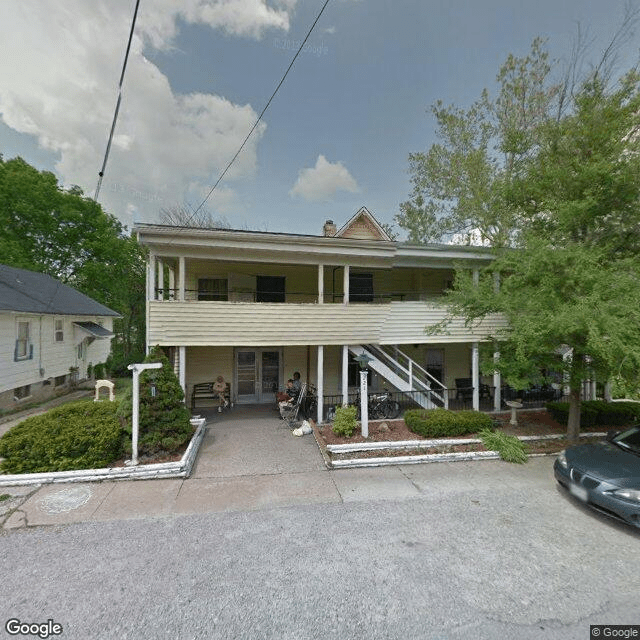
221 E Whitley St, Mexico, MO 65265
To contact a resident: (573) 581-2547
For more information about senior living options: (866) 208-4318
Overall Review of The Towne House
Cons
 Staff steals from residents.
- The owner doesn’t care and tells residents she’s only in it for the money.
- A staff member tested positive for COVID and was sent back to work after a few days off without another test or proper quarantine.
- The owner admitted to being exposed to COVID-positive residents from other facilities she owns, yet she comes three or more times a week.
- The place is very unsafe during this crisis period and should be shut down.
- The reviewer warns against moving a family member to Townehouse.
- The food is so small it wouldn’t even fill a baby’s stomach.
- Residents’ blood sugar reportedly drops to 60-70 daily due to the meals.
- The building is dirty with stains everywhere, and the carpet is as old as the building.
- Some doors don’t work even after maintenance.
- There are verbally and physically abusive residents, and staff document the behavior but say there’s nothing else they can do.
- A resident who has been kicked out three times for attacking police officers and residents has returned for a fourth time.
- Multiple residents use drugs and are overlooked by staff.
- Staff are aware of what they are doing and know it affects residents’ medications.
- The reviewer does not recommend living there.
- The doctor advised moving due to poor living conditions to avoid severe health problems.
Review
Towne House in Mexico, Missouri is best suited for seniors whose families are prepared to take an unusually hands-on role in oversight and safety. This is not a facility that can be trusted to deliver consistent, professional care without frequent external intervention. Families that must rely on external monitoring, quick escalation, and regular check-ins will find it possible to navigate day-to-day life here, but even then the risks documented by multiple residents and their supporters remain substantial. For anyone who requires dependable nutrition, safe daily operations, and staff accountability as nonnegotiables, alternative options are strongly advised.
Those who should seriously consider other communities are: anyone with higher medical or behavioral needs, anyone who expects predictable routines and respectful treatment, and any family that cannot commit to frequent visits or urgent escalation if problems arise. The collective feedback highlights serious red flags, stated theft by staff, a profit-driven posture from ownership, and a pattern of safety and cleanliness concerns, that undermine basic trust in daily operations. Prospective residents with a need for steady, well-supervised care should not gamble on this setting; the likelihood of ongoing issues appears too high to ignore.
Among the limited positives, there is a sting of evidence that staff and maintenance personnel do engage with residents to address immediate problems. A maintenance worker is noted as having replaced some doors, which suggests that when issues surface there is some responsiveness, albeit not enough to stem broader quality declines. A rare 5-star rating exists, implying that at least in one instance a resident or family member found value or satisfaction, but such anecdotes are outweighed by the broader pattern of risk and dissatisfaction documented by several accounts. In practical terms, these faint positives do not offset the systemic problems surrounding safety, cleanliness, and day-to-day care.
The principal cons are decisive and frankly prohibitive for most families. Allegations of staff theft and a leadership mindset that discounts resident welfare create an atmosphere of mistrust. Recurrent safety concerns include broken doors and aging, stained facilities that feel neglected, which compounds the risk of falls, accidents, or injuries. Behavioral issues among residents, described as abusive and disruptive, pose additional caregiving challenges, and the fact that some residents with drug use problems are seemingly overlooked by staff signals a breakdown in basic supervision and medication management. The owner’s admitted attitude toward the business as profit-first further destabilizes confidence that policies and procedures will be consistently enforced.
In evaluating whether the few potential benefits could offset the major drawbacks, the answer is clear: they cannot for a majority of prospective residents. The advantages are narrow and episodic, never addressing the core expectations of safe, clean, and respectful care. For families considering Towne House, the decision hinges on whether extreme vigilance and rapid nerve-forcing problem-solving are acceptable daily realities, or whether a different community, one with transparent accountability, strong staff training, and dependable safety protocols, will better protect a loved one’s wellbeing. If Towne House is seriously on the table, impose explicit, written guarantees on staffing levels, incident reporting, nutrition standards, and immediate transfer options should any risk become unacceptable.
Bottom line: Towne House is a highly conditional choice at best and a risk-laden one at worst. It is not suitable for seniors who require reliable safety, consistent meals, and respectful, accountable caregiving. Alternatives should be pursued unless a family can commit to intensive oversight, rapid escalation protocols, and a plan to move quickly if conditions do not improve. For families that do pursue Towne House, concrete, enforceable expectations must be established up front, with clear exit strategies and a structure for ongoing quality checks to avoid prolonged exposure to the most serious cons.
 Assisted Living
 Independent Living
 Activities on-site
 Devotional services off-site
 Indoor common areas
 Ambulatory care
 Diabetic care
 Meals provided
 Private bathrooms, friendly staff, and engaging activities.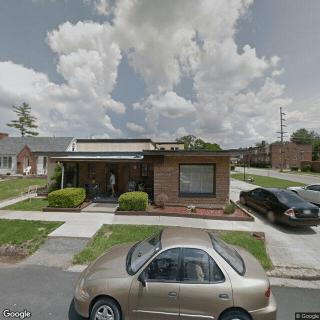




 An Extensive Exploration of the VA Aid and Attendance Benefit
 Senior Transition Services: Understanding Their Role, Cost, and Importance
 Exploring the Path to Senior Living: A Comprehensive Look at Independent Living and Assisted Living