



The Arbors at Westbrook Terrace in Jefferson City, MO

Save

  • Interior

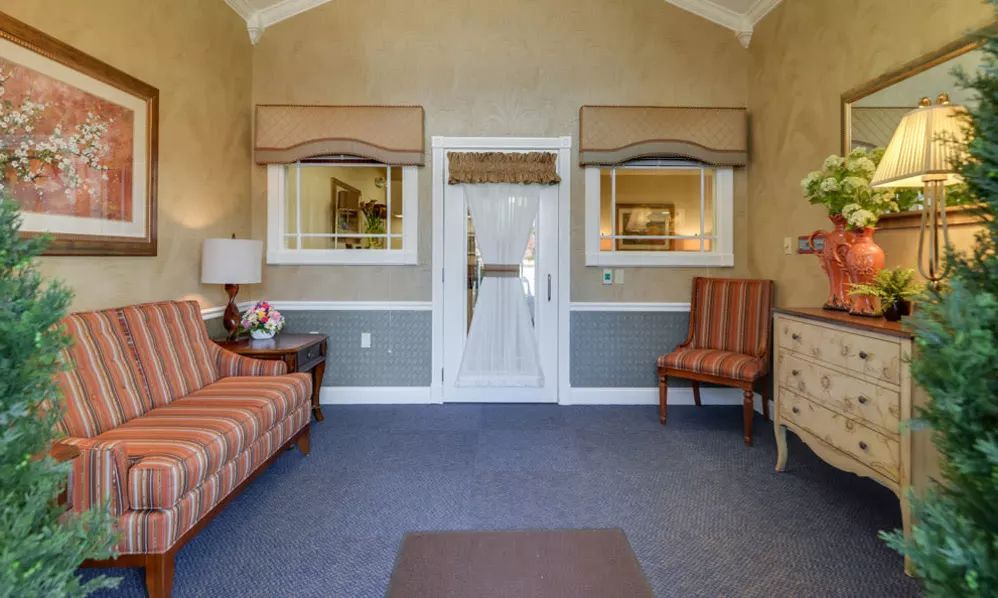
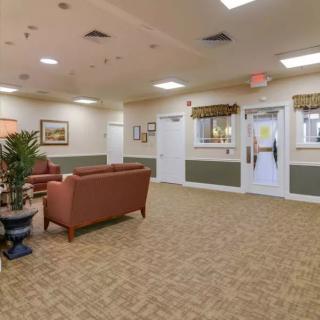
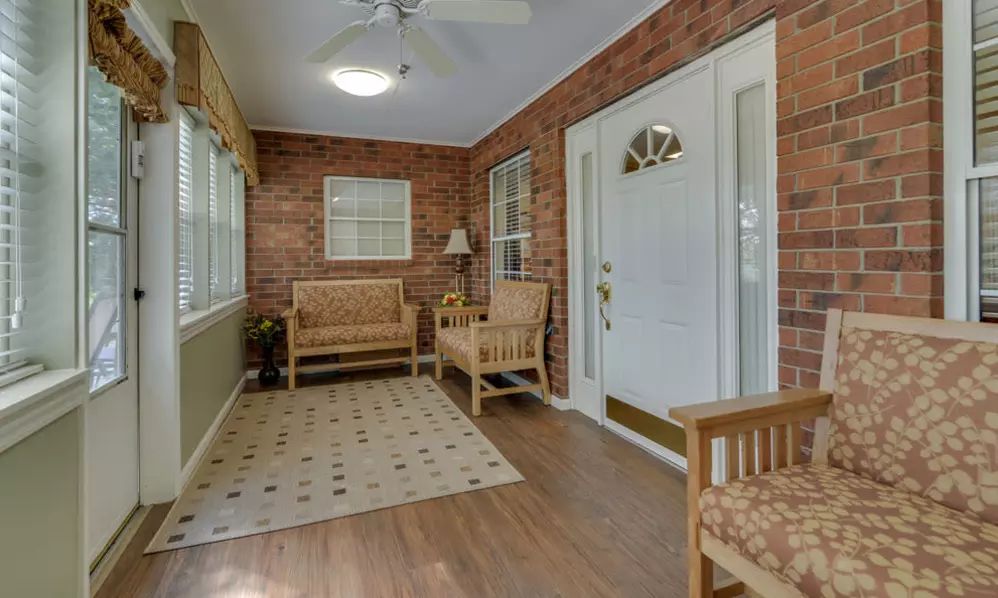
    A comfortable and well-lit waiting room with various seating options and decor.
  • Decor

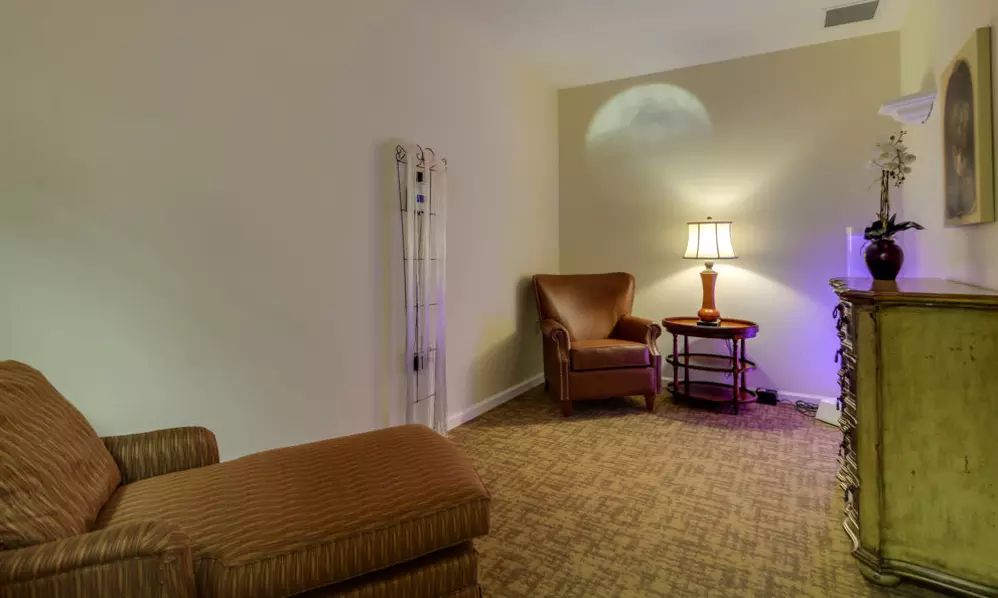
    A cozy living room with a fireplace, armchairs, and elegant lighting.
  • Living Room

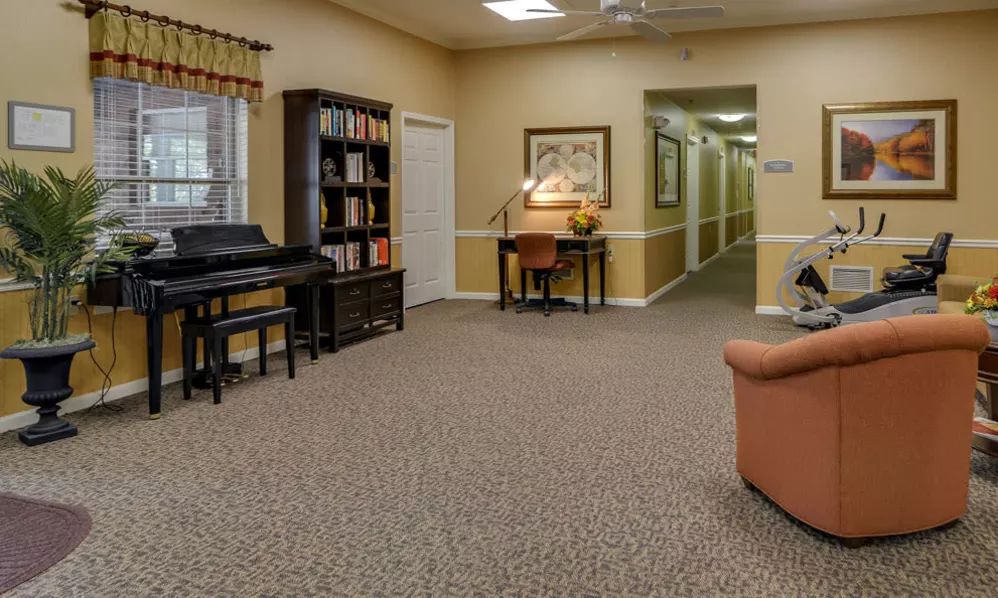
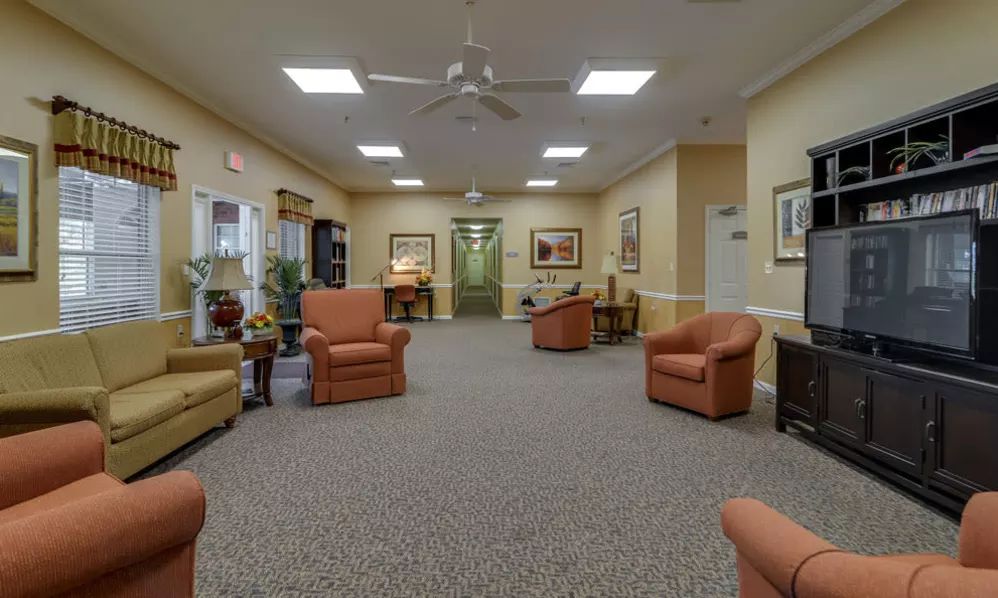
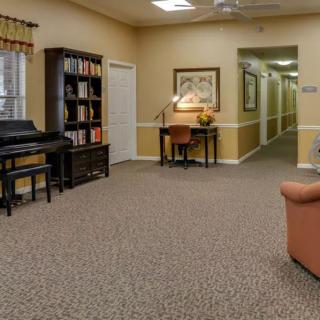
    A cozy living area with a piano, bookshelf, desk, and sofa leading to a hallway.
  • Building

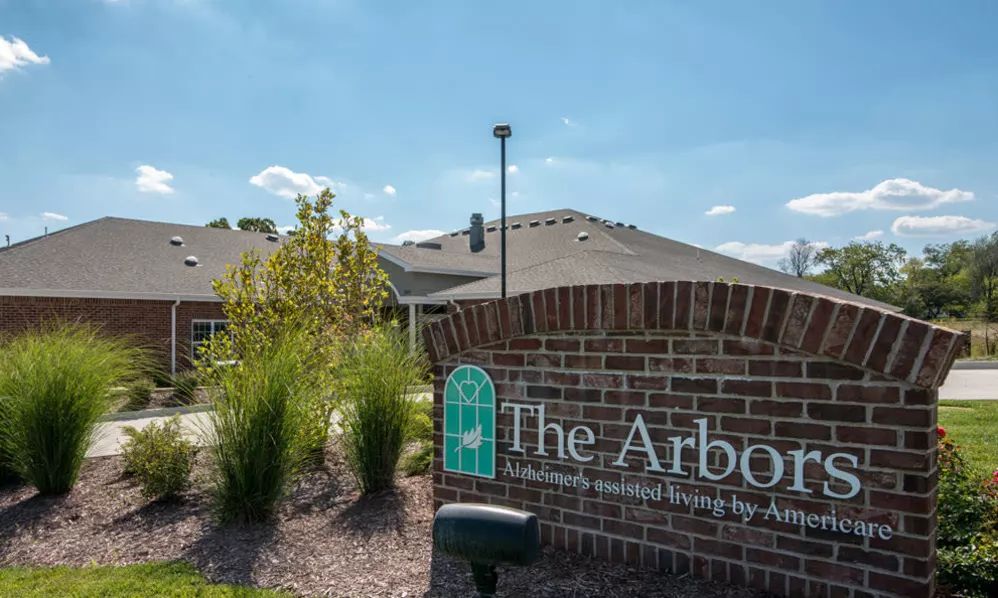
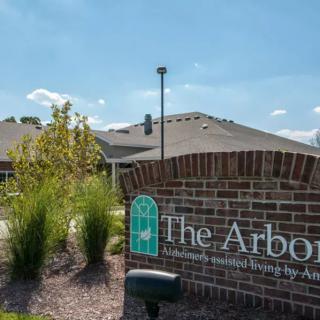
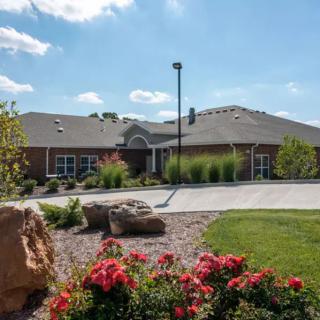
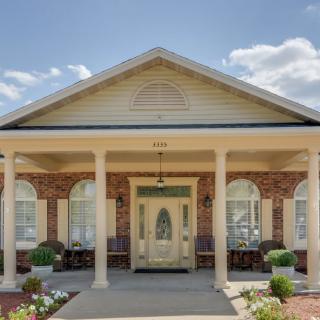
    A brick sign for 'The Arbors' in front of a building on a sunny day.
  • Bedroom

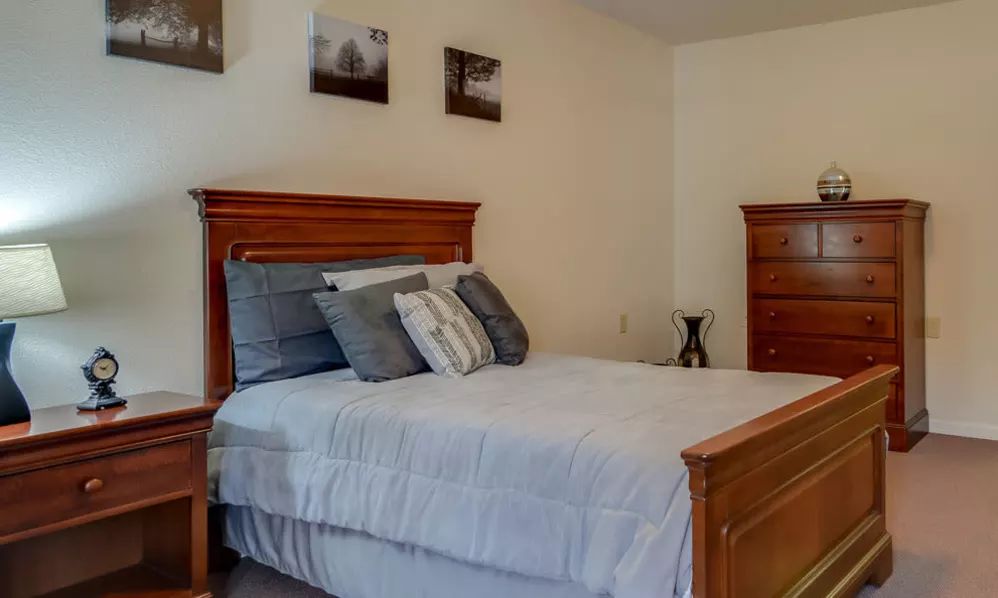
    A cozy bedroom with a neatly made bed and wooden furniture.
  • Trees

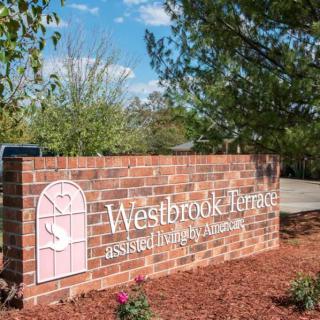
    A brick sign for Westbrook Acres Assisted Living & Memory Care surrounded by a landscaped garden.
  • Windows

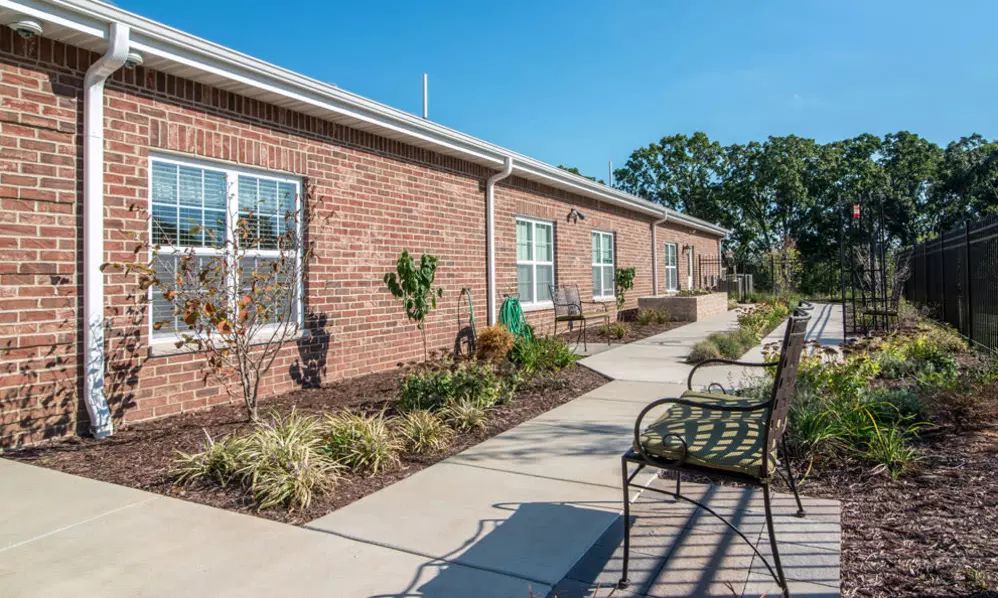
    A brick building with a sidewalk and benches, surrounded by landscaped greenery on a sunny day.
  • Dining

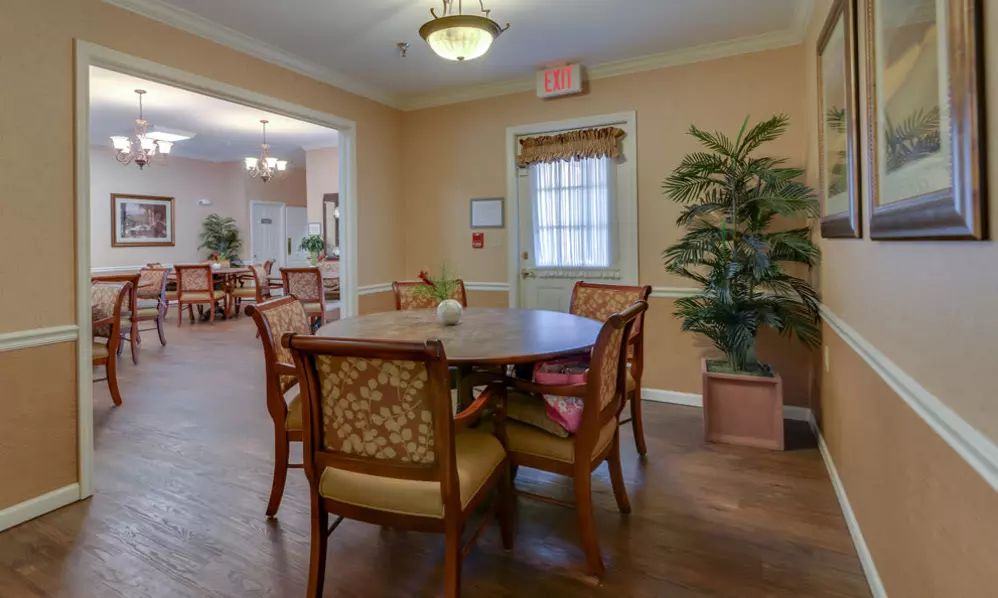
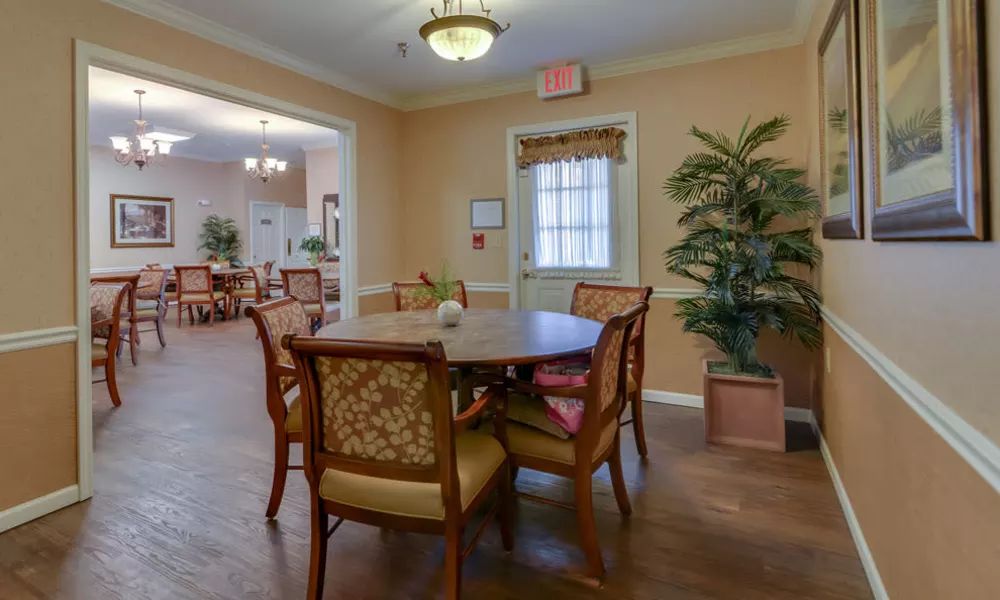
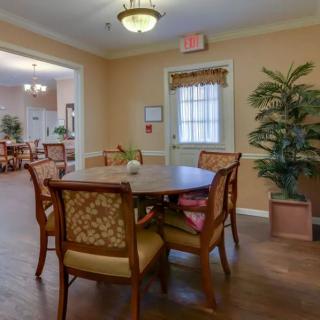
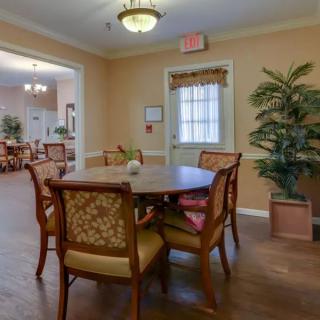
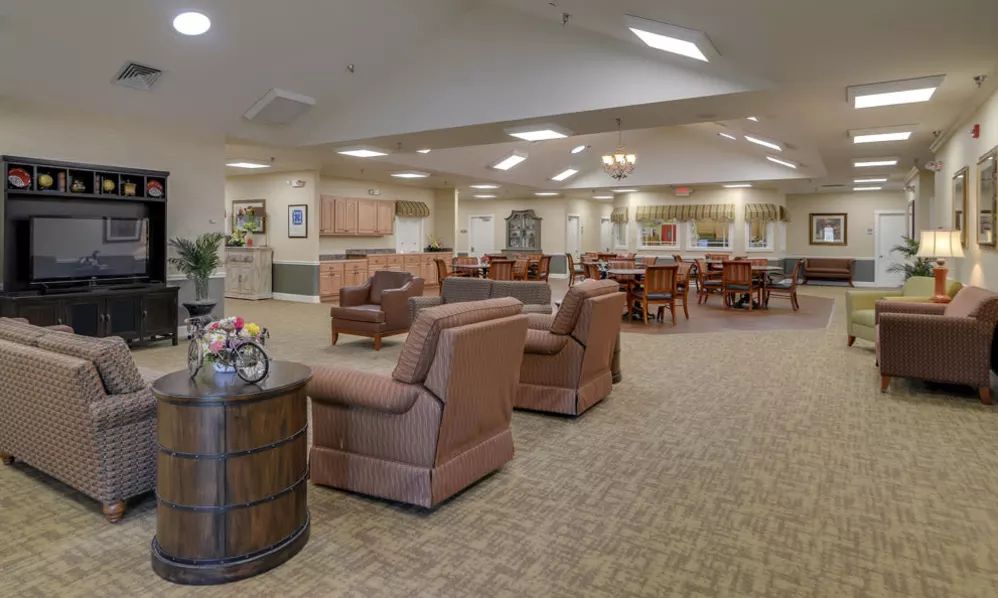
    A cozy dining area with wooden table and chairs, complemented by warm lighting and indoor plants.
  • Landscaping

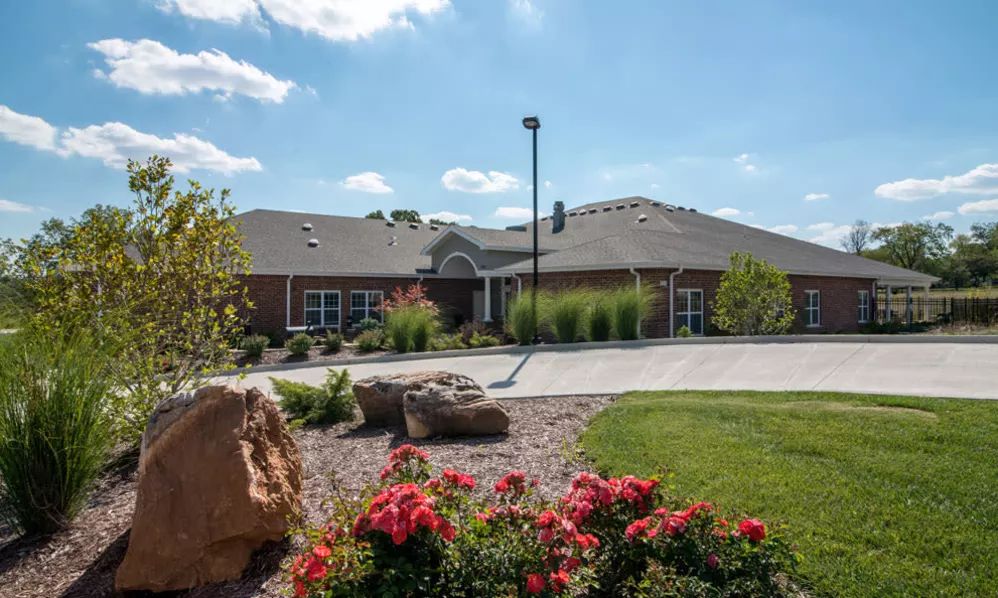
    A suburban house with a landscaped garden and a clear blue sky.
  • Kitchen

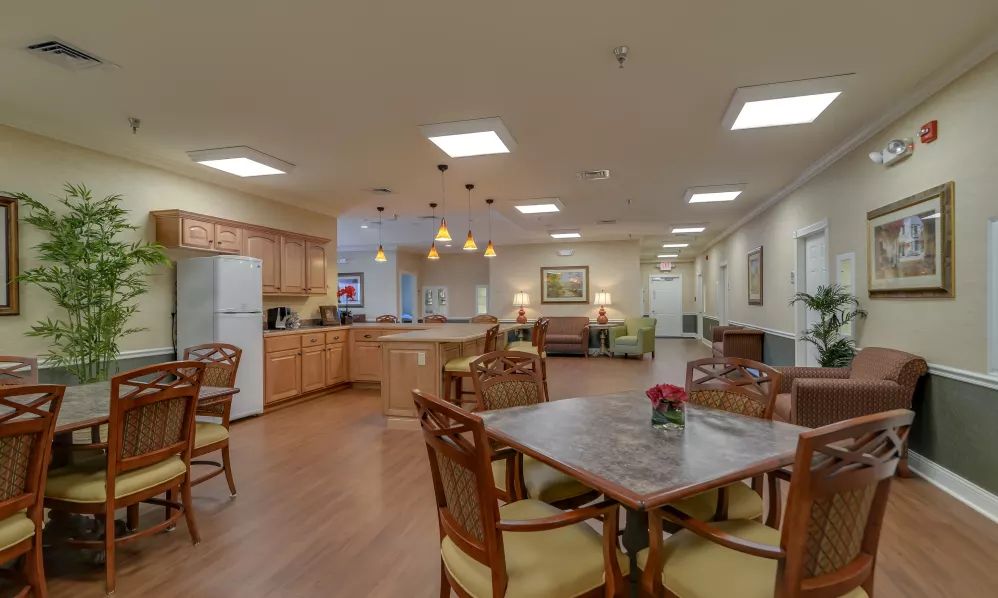
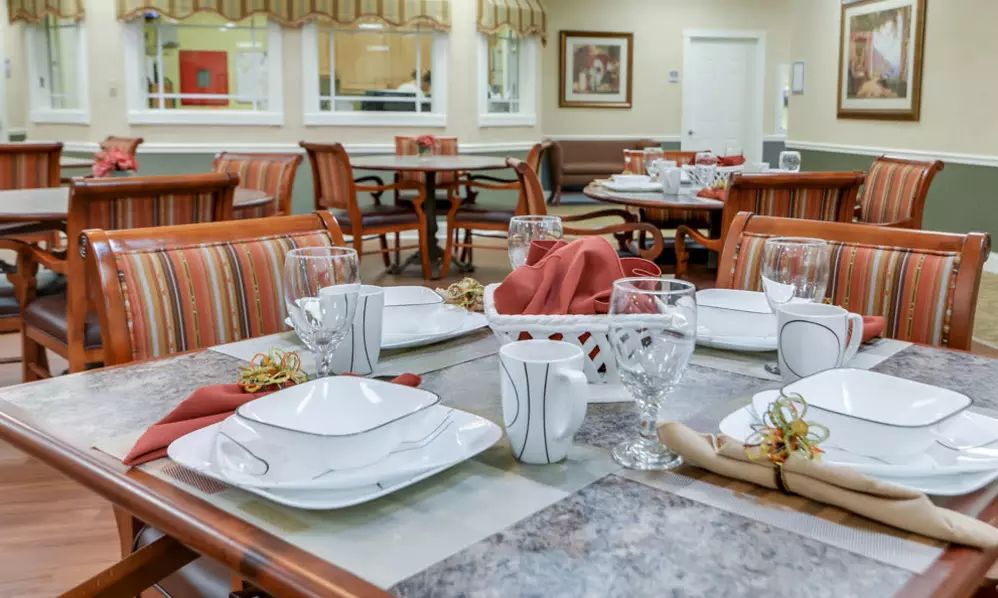
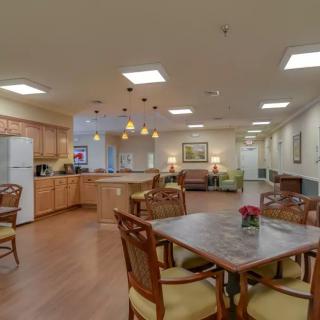
    A spacious kitchen and dining area featuring modern lighting and wood flooring.
  • Lighting

    A cozy dining area with a wooden table surrounded by chairs, indoor plants, and warm lighting.
  • Artwork

    A cozy waiting room with comfortable seating arrangements and warm lighting.
  • Seating Area

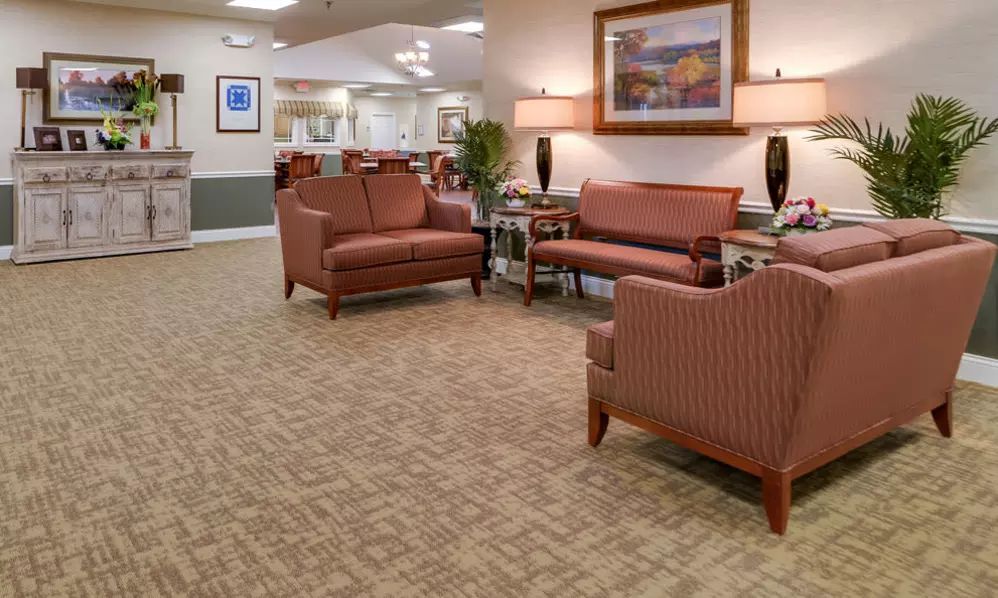
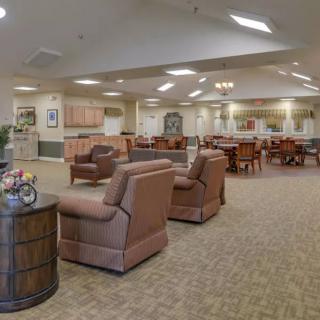
    A spacious lounge area with comfortable seating and elegant decor.
  • Lobby

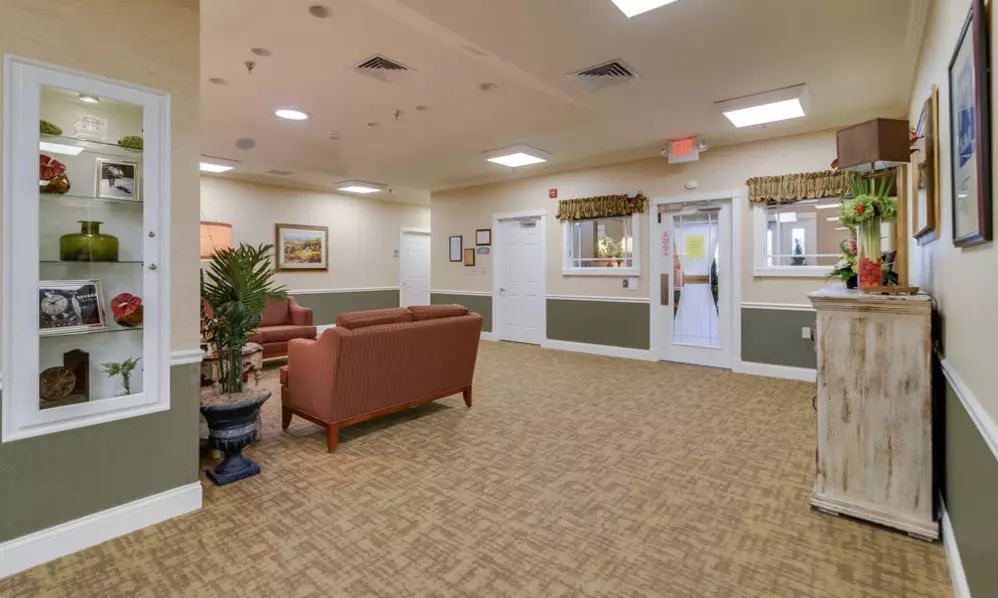
    A spacious lobby with comfortable seating and decorative plants.

The Arbors at Westbrook Terrace in Jefferson City, MO

Information last verified:

3409 North 10 Mile Drive, Jefferson City, MO 65109

For more information about senior living options: (844) 490-3973

4.1 from 16 reviews
5 stars
12
4 stars
0
3 stars
0
2 stars
1
1 stars
3

Overall Review of The Arbors at Westbrook Terrace

Pros

  • pro The staff are kind, compassionate, and consistently treat residents with dignity, making them feel safe.
  • pro The community is smaller, allowing residents to receive a lot of attention in a warm, manageable environment for dementia.
  • pro They provide love, patience, and a sense of family, often becoming a second family for residents.
  • pro The facilities are warm, cozy, and home-like, helping residents feel comfortable and cared for.
  • pro The care teams understand dementia and tailor care with respect, safety, and consideration for each resident.
  • pro The food is very good, contributing to overall satisfaction and well-being.
  • pro Communications with families are strong, with staff promptly notifying them of any issues and updates.
  • pro Leadership and staff are dedicated to top-quality care, continually improving residents' quality of life.

Cons

  • pro The Arbors is criticized for lacking the necessary management and staff skills to properly care for residents.
  • pro There were pharmaceutical errors that left a resident without medications for five days, causing dehydration and UTIs.
  • pro A resident was left unsupervised, fell, and required stitches in the head and lip.
  • pro The Arbors allegedly refused to allow a resident to return from hospital until she was placed in a psychiatric ward for six weeks.
  • pro The facility reportedly offered few activities, with staff seen taking smoke breaks or browsing social media instead of supervising residents.
  • pro Some reviewers claim the positive reviews from residents are manufactured by management to look better.
  • pro The cost of care is described as far higher than the quality delivered, with claims of misrepresentation.

Review

The Arbors at Westbrook Terrace is best suited for families seeking a small, memory-care–focused setting where residents receive steady, hands-on attention from a compassionate, stable staff. The community’s smaller footprint translates into a warmer, more manageable environment where caregivers can know residents well, tailor activities to individual interests, and respond quickly to changing needs. Reviewers repeatedly point to genuine warmth, dignity, and a familiar, home-like atmosphere, with memory-care residents benefiting from engaged programming and meaningful worship of routine chores, gardening, puzzles, embroidery, and gardening being highlighted as outlets for self-worth and calm. This is not a one-size-fits-all operation; it works best when the goal is intimate, person-centered care in a secure setting.

Explicitly, those who may want to consider alternatives are families needing aggressive clinical oversight, perfect medication management, or unwavering transparency in governance. A few reviews raise red flags about management consistency and safety, including concerns about medication errors, inadequate supervision at times, and experiences that some families found hard to reconcile with memory-care standards. For families evaluating long-term trust and highly predictable processes, these tensions are meaningful. If a loved one requires a facility with a flawless safety record, strict administrative controls, or the ability to escalate quickly to hospital-level oversight, alternative options should be explored.

The strongest pros here are the staff's evident devotion and the culture of care that appears to permeate both memory care and assisted living transitions. Several reviewers cite staff who treat residents like family, communicate promptly, and stay present during difficult days. The leadership team, particularly the director and the DON, receives praise for being responsive, knowledgeable, and hands-on, with a track record of steady improvements since changes in management. The setting’s smaller size enables more personalized interaction, while activity programming is described as thoughtfully adapted to residents’ abilities and histories. Food quality and a homelike atmosphere further offset the perceived risk of a clinical, impersonal environment.

Yet the main cons cited revolve around governance and consistency concerns rather than day-to-day niceties. Some families report feeling uneasy about missed signals, medication management gaps, or situations where safety could have been tighter. A minority of reviewers describe troubling experiences, perceived neglect, delays in care, or distressing outcomes, that have understandably shaken trust. While praise for caregiving remains pervasive, these voices remind that the Arbors operates within the bounds of complex dementia care, where even small lapses can have outsized consequences. The presence of serious, difficult feedback alongside strong positive testimonials suggests a facility that has strengths in empathy and daily care but must maintain rigorous, transparent governance to stabilize outcomes over time.

From a practical decision-making perspective, prospective families should structure a visit as a two-track assessment: observe daily life and probe the administration. Key questions should target staffing ratios by shift, the cadence of care-plan updates, how medications are supervised and reconciled, and how conflicts or behavioral symptoms are managed in collaboration with therapy and nursing staff. Request a candid conversation with the DON, who is repeatedly singled out for effective leadership, as well as a front-line nurse or caregiver to understand real-time operations. Examine sample menus, activity calendars, and the facility’s safety protocols; verify how patient wishes are documented and honored, and how family communications are logged and shared.

In the end, the Arbors at Westbrook Terrace offers a compelling option for families prioritizing a warm, small-scale memory-care environment with highly caring staff and a culture of personal attention. It stands out for its person-centered approach, meaningful engagements, and steady leadership that has earned broad resident-family trust. However, it is not the unequivocal choice for every memory-care scenario. For families seeking flawless clinical risk management, ironclad accountability, or a perfectly uniform care trajectory, alternatives may deliver greater peace of mind. The best path forward is a structured tour with current staff, direct conversations with the DON and resident families, and a clear assessment of ongoing governance, safety, and transparent care planning before deciding.

Features

Housing

  • 26 resident community capacity 26 resident community capacity

Types of Care

  • Assisted Living Assisted LivingAssisted living facilities provide crucial support and care for seniors who may need help with daily tasks such as medication management, bathing, and meal preparation. These communities offer a safe and comfortable environment where seniors can maintain their independence while receiving the assistance they need to thrive in their golden years.
  • Day Program Day ProgramDay programs are important for seniors because they provide a safe and supportive environment where older adults can socialize, engage in activities, receive assistance with daily tasks, and access valuable resources and services. These programs help prevent isolation and loneliness, promote mental and physical well-being, and offer a sense of purpose and community for seniors.
  • Memory Care Memory CareMemory care is crucial for seniors as it provides specialized support and services for individuals with dementia or Alzheimer's disease. These programs offer a safe and secure environment where residents receive personalized care, cognitive stimulation, and help with daily activities. Memory care helps seniors maintain their independence, quality of life, and dignity while also providing peace of mind for their families.
  • Respite Care Respite CareRespite care provides temporary relief for caregivers, allowing them to recharge and attend to their own needs. It also gives seniors the opportunity to socialize, receive professional care, and experience a change of scenery, promoting overall well-being and reducing feelings of isolation.

Amenities

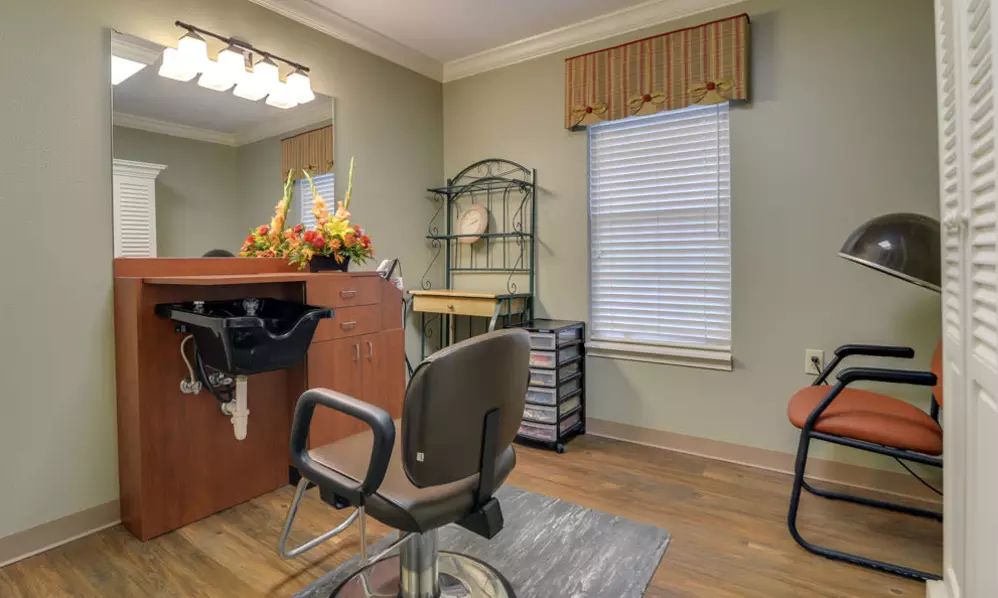
  • Beauty salon Beauty salonBeauty salons are important for seniors because they provide a space for them to feel pampered, socialize, and maintain their personal grooming and hygiene. Regular visits to a beauty salon can help boost seniors' self-esteem and overall well-being.
  • Cable or satellite TV Cable or satellite TVCable or satellite TV is important for seniors because it provides entertainment, news, and companionship, helping to combat loneliness and boredom. It also offers a wide range of programming options tailored to different interests and preferences.
  • Dining room Dining roomDining rooms are important for seniors as they provide a space for socialization, connection, and nutritious meals. They offer opportunities for residents to bond over shared meals, foster a sense of community, and promote healthy eating habits. Dining rooms also ensure that seniors have access to well-balanced meals tailored to their dietary needs and preferences.
  • Fully furnished Fully furnishedFully furnished senior living communities are important for seniors because they provide convenience, comfort, and a hassle-free moving experience. Seniors can easily settle into their new living space without the stress of having to buy and move furniture. This allows them to focus on enjoying their new home and community.
  • Garden GardenGardens are important for seniors as they provide a peaceful and therapeutic environment for relaxation, physical activity, and socialization. Being in nature has been shown to reduce stress, improve mood, and promote overall well-being. Gardens also offer opportunities for seniors to engage in gardening activities, which can improve mobility, flexibility, and cognitive function. Additionally, gardens create a sense of community and connection with others who share a passion for plants and outdoor spaces.
  • Housekeeping services Housekeeping servicesHousekeeping services are important for seniors because they help maintain a clean and safe living environment, promote independence, and reduce the risk of accidents or illnesses. Additionally, having assistance with household chores can alleviate physical strain and allow seniors to focus on other aspects of their well-being.
  • Kitchenette KitchenetteKitchenettes are important for seniors living in senior living communities because they provide the convenience and independence of being able to prepare simple meals and snacks in the comfort of their own living space. This can help promote a sense of autonomy and well-being for seniors, allowing them to maintain some level of control over their dietary choices and daily routines.
  • Move-in coordination Move-in coordinationMove-in coordination is important for seniors because it helps ease the transition into their new living environment. It ensures that all logistics, such as packing, organizing movers, and setting up utilities are taken care of, allowing seniors to focus on settling in and adjusting to their new home. Having a smooth move-in process can alleviate stress and anxiety, making the transition smoother and more enjoyable for seniors.
  • Outdoor space Outdoor spaceOutdoor spaces are important for seniors as they provide opportunities for physical activity, social interaction, exposure to natural light and fresh air, and a sense of connection to nature. Having access to outdoor spaces can improve overall well-being and quality of life for older adults living in senior communities.
  • Restaurant-style dining Restaurant-style diningRestaurant-style dining is important for seniors because it allows them to enjoy delicious, nutritious meals in a social and upscale setting. This enhances their dining experience, promotes healthy eating habits, and fosters socialization with fellow residents, ultimately contributing to their overall well-being and quality of life.
  • Small library Small librarySmall libraries are important for seniors as they provide access to a variety of reading materials, including books, newspapers, and magazines. This can help stimulate their minds, keep them engaged, and provide a sense of community through book clubs and other social activities. Additionally, reading has been shown to improve cognitive function and overall mental well-being in older adults.
  • Telephone TelephoneTelephones are important for seniors as they provide a lifeline for communication with loved ones, emergency services, and healthcare providers. They offer a sense of security and independence, enabling seniors to stay connected and access assistance when needed.
  • Wi-Fi/high-speed internet available Wi-Fi/high-speed internet availableWi-Fi/high-speed internet is important for seniors to stay connected with loved ones, access online resources, and participate in virtual activities to combat feelings of loneliness and isolation. It also allows them to easily manage healthcare needs, access entertainment, and engage in lifelong learning opportunities.

Transportation

  • Columbia Regional (16 miles away) Columbia Regional (16 miles away)

Care Services

  • 24-hour call system 24-hour call system24-hour call systems are important for seniors because they provide peace of mind and immediate assistance in case of emergencies. This technology ensures that help is always available, promoting safety and security for elderly individuals living alone or in assisted living facilities.
  • 24-hour supervision 24-hour supervision24-hour supervision is important for seniors to ensure their safety, well-being, and access to immediate assistance in case of emergencies or health issues. This constant support provides peace of mind for both seniors and their loved ones, allowing them to age in place with dignity and security.
  • Activities of daily living assistance Activities of daily living assistanceActivities of daily living assistance are important for seniors because they provide essential support with tasks such as eating, bathing, dressing, and mobility. This assistance helps seniors maintain their independence, dignity, and overall quality of life as they age.
  • Assistance with bathing Assistance with bathingAssistance with bathing is crucial for seniors as it helps maintain personal hygiene, prevents infections, and ensures their overall well-being and comfort. It also provides a sense of dignity and independence for seniors who may struggle with this task on their own.
  • Assistance with dressing Assistance with dressingAssistance with dressing is important for seniors because it helps maintain their independence, promotes personal hygiene, prevents accidents and injuries, and improves overall quality of life. This service ensures that seniors can continue to dress comfortably and confidently, despite any physical limitations they may have.
  • Assistance with transfers Assistance with transfersAssistance with transfers is crucial for seniors as it helps prevent falls and injuries, maintains their independence, and ensures they can safely navigate their living environment. It also provides peace of mind for both seniors and their loved ones.
  • Diabetes diet Diabetes dietA diabetes diet is crucial for seniors as it helps manage blood sugar levels, reduce risks of complications, and improve overall health and well-being. By following a balanced and nutritious diet tailored to their specific needs, seniors can better control their diabetes and enhance their quality of life.
  • Meal preparation and service Meal preparation and serviceMeal preparation and service are crucial for seniors as they may have limited mobility or energy to cook nutritious meals. Having access to healthy and convenient food options can ensure they are getting the proper nutrition needed to maintain their overall health and well-being.
  • Medication management Medication managementMedication management is crucial for seniors to ensure they are taking the right medications at the correct dosages and times. This helps prevent adverse drug interactions, reduces the risk of medication errors, and promotes overall health and well-being. Proactive management also allows for adjustments as needed based on changing health conditions or new prescriptions.
  • Mental wellness program Mental wellness programMental wellness programs are essential for seniors as they promote cognitive stimulation, emotional support, and social engagement. These programs help prevent isolation, depression, and cognitive decline, ultimately enhancing the overall quality of life for older adults.
  • Mild cognitive impairment Mild cognitive impairment"Mild cognitive impairment" is important for seniors because it is an early stage of cognitive decline that can potentially progress to more severe conditions such as dementia. Recognizing and addressing mild cognitive impairment can help seniors receive appropriate care and support to maintain their quality of life and independence for as long as possible.
  • Special dietary restrictions Special dietary restrictionsSpecial dietary restrictions are important for seniors because age-related changes in metabolism and health conditions can make it difficult for their bodies to process certain foods. By following a diet tailored to their specific needs, seniors can maintain their overall health and well-being, manage chronic conditions, and reduce the risk of complications such as malnutrition or food interactions with medications.
  • Specialized memory care programming Specialized memory care programmingSpecialized memory care programming is crucial for seniors with cognitive impairments such as dementia or Alzheimer's disease. These programs provide a safe and supportive environment tailored to the unique needs of individuals with memory loss, helping them maintain their independence, dignity, and quality of life.

Dining

  • Diabetes diet Diabetes dietA diabetes diet is crucial for seniors as it helps manage blood sugar levels, reduce risks of complications, and improve overall health and well-being. By following a balanced and nutritious diet tailored to their specific needs, seniors can better control their diabetes and enhance their quality of life.
  • Special dietary restrictions Special dietary restrictionsSpecial dietary restrictions are important for seniors because age-related changes in metabolism and health conditions can make it difficult for their bodies to process certain foods. By following a diet tailored to their specific needs, seniors can maintain their overall health and well-being, manage chronic conditions, and reduce the risk of complications such as malnutrition or food interactions with medications.

Activities

  • Community-sponsored activities Community-sponsored activitiesCommunity-sponsored activities are important for seniors as they provide opportunities for social interaction, mental stimulation, and physical activity. These activities can help improve overall well-being, combat loneliness and isolation, and promote a sense of belonging and purpose among older adults.
  • Resident-run activities Resident-run activitiesResident-run activities are important for seniors as they encourage social interaction, creativity, and a sense of autonomy. These activities empower seniors to stay engaged and active in their community while fostering meaningful connections with their peers.
  • Scheduled daily activities Scheduled daily activitiesScheduled daily activities are important for seniors because they provide structure, socialization, mental stimulation, and physical activity. Engaging in regular activities can improve overall well-being and quality of life for seniors living in a community setting.

Description

The Arbors at Westbrook Terrace is an assisted living community located in Jefferson City, MO. We offer a variety of care services to meet the unique needs of our residents, including Day Program, Memory Care, and Respite Care.

Our community provides a range of amenities to ensure our residents feel comfortable and at home. Each resident's apartment comes fully furnished and includes cable or satellite TV, a kitchenette, telephone, and Wi-Fi/high-speed internet. We also have communal spaces such as a dining room, outdoor garden, small library, and restaurant-style dining area for residents to enjoy.

Our dedicated staff provides 24-hour supervision and assistance with activities of daily living such as bathing, dressing, and transfers. We have trained professionals who manage medication and provide diabetes diets for those in need. Our mental wellness program focuses on supporting residents with mild cognitive impairments through specialized memory care programming.

At The Arbors at Westbrook Terrace, we understand the importance of dining and nutrition. That is why we accommodate special dietary restrictions to ensure every resident receives proper meals that meet their specific needs.

We believe in promoting an active lifestyle for our residents through various resident-run activities and scheduled daily activities. From social events to exercise programs, there are plenty of opportunities for our residents to engage with one another and stay active.

Our community enjoys a prime location surrounded by convenient amenities. There are four cafes nearby where residents can grab a coffee or meal with friends or family. Two parks provide beautiful outdoor spaces for leisurely walks or picnics. For medical needs, there are 11 pharmacies and 30 physicians in close proximity to our community. Additionally, there are 33 restaurants nearby for residents who want to explore local cuisine. Transportation options make it easy for residents to get around town seamlessly.

With its range of care services, comfortable amenities, engaging activities, and convenient location near essential facilities like pharmacies and hospitals; The Arbors at Westbrook Terrace offers a welcoming and supportive assisted living community for seniors in Jefferson City, MO.

Nearby Places of Interest

This part of Jefferson City, Missouri offers a convenient and diverse range of healthcare services, with several physicians, pharmacies, and hospitals within close proximity. The area also provides access to entertainment options such as the GQT Capital 8 theater and popular dining establishments like Chick-Fil-A and El Espolon. Places of worship including Woodcrest Church and St Joseph Cathedral cater to spiritual needs, while nearby parks like Binder Park offer opportunities for outdoor recreation. The presence of well-known coffee shops like Starbucks and Panera Bread provide spaces for socializing or enjoying a quiet moment. Overall, this neighborhood offers a balanced mix of amenities that could make it a desirable location for seniors looking for a bustling yet accessible community to call home.

Physicians

  • Central Missouri Cardiology (0.3 miles)
  • Associated Family Physicians (0.3 miles)
  • Urology Care (0.4 miles)
  • St Mary's Pediatrics (1 miles)
  • Primary Care Medicine PC (1.2 miles)
  • Luebbering Tom Integrative Medicine Natural Jefferson City (1.6 miles)
  • Edgewood Family Practice (1.6 miles)

Pharmacies

  • Robert's Drug Store (0.3 miles)
  • Pyramid Pharmacy Services (0.3 miles)
  • Whaley's West Side Pharmacy (0.3 miles)
  • Mommy & Me Before During & After (0.3 miles)
  • Walgreens (0.8 miles)
  • Gerbes Family Shopping Center West (1.1 miles)
  • Gerbes Pharmacy (1.1 miles)

Hospitals

  • Dialysis Clinic (0.4 miles)
  • Capital Region Quick Care (0.5 miles)
  • Capital Region Physicians - OMT & Acupuncture (1.6 miles)
  • St Marys Health Center (2.7 miles)
  • Brand New Saint Mary's Hospital (2.7 miles)
  • SSM Health Wound Center (2.7 miles)

Theaters

  • GQT Capital 8 (0.5 miles)

Cafes

  • Starbucks (0.6 miles)
  • Panera Bread (2.1 miles)
  • Peet's Coffee and Tea (2.6 miles)
  • Starbucks (3.6 miles)

Places of Worship

  • Woodcrest Church (0.7 miles)
  • Celebrate Recovery at Concord Baptist Church (0.7 miles)
  • Jefferson City Bible Chapel (1.4 miles)
  • Church of Jesus Christ of Latter Day Saints (1.6 miles)
  • St Joseph Cathedral (1.8 miles)
  • Unitarian Universalist of Jefferson City (2.1 miles)
  • The Oasis United Church of Christ (2.3 miles)

Restaurants

  • Wendy's (0.7 miles)
  • Chick-Fil-A (0.8 miles)
  • Sonic Drive-In (1.1 miles)
  • El Espolon (1.3 miles)
  • Taco Bell (1.6 miles)
  • Shortys Side Door Lounge (1.6 miles)
  • Ria's Restaurant & Lounge (1.6 miles)

Parks

  • Binder Park (3.2 miles)
  • Washington Park (3.2 miles)

Transportation

  • Avis Rent A Car (3.8 miles)

Frequently Asked Questions

Where is The Arbors at Westbrook Terrace?
Does The Arbors at Westbrook Terrace provide care for residents with dementia or Alzheimer's disease?
What photos are available for The Arbors at Westbrook Terrace in Jefferson City, Missouri?

Nearby Communities

  • Westbrook Terrace & Arbors

    Westbrook Terrace & Arbors

    Jefferson City, MO

    4.5 from 42 reviews
    $3,038 to $4,185 / month

  • Westbrook Terrace Assisted Living By Americare

    Westbrook Terrace Assisted Living By Americare

    Jefferson City, MO

    4.1 from 16 reviews
     

    pro Comprehensive assisted living with 24/7 supervision, restaurant-style dining, furnished apartments, housekeeping, and on-site amenities plus active programs.

  • Fairway Management - Jefferson City

    Fairway Management - Jefferson City

    Jefferson City, MO

    5 from 10 reviews
     

    pro Quiet, new community with established family ties nearby.

  • Oak Tree Villas

    Oak Tree Villas

    Jefferson City, MO

    3.1 from 25 reviews
     

    pro 24-hour supervision with restaurant-style dining and diabetes-friendly options.

  • Oak Tree - ALF

    Oak Tree - ALF

    Jefferson City, MO

    3.7 from 30 reviews
    $3,200 to $3,700 / month

    pro Clean, well-maintained setting with compassionate staff and appealing dining alongside engaging activities.

  • River City Living Community

    River City Living Community

    Jefferson City, MO

    2.9 from 18 reviews
    $3,814 / month

    pro Affordable private room with extensive amenities and transportation.

  • Chapel Hill Commons III

    Chapel Hill Commons III

    Jefferson City, MO

    5 from 6 reviews
    $517 / month

    pro Friendly, accommodating staff and a welcoming community; very affordable rent.

  • The Arbors at Bluff Creek Terrace

    The Arbors at Bluff Creek Terrace

    Columbia, MO

    2.3 from 3 reviews
    $3,750 to $4,500 / month

    pro Friendly staff and helpful in transitions.

  • Bethel Ridge Estates II

    Bethel Ridge Estates II

    Columbia, MO

    4 from 12 reviews
     

    pro Safe, well-maintained community with on-site amenities (library and fitness room).

Related Resources

  • best foods for dementia patients to eatNourishing the Mind: Essential Dietary Approaches for Dementia

    Dementia is characterized by cognitive decline, with nutrition playing a vital role in brain health; while no specific diet can prevent or reverse it, a nutrient-dense diet rich in antioxidants and healthy fats may support cognitive function. The MIND diet, which emphasizes beneficial foods and limits processed items, along with proper hydration and individualized meal strategies, can enhance the well-being of dementia patients.

  • dementia behaviorsUnderstanding Dementia Behaviors: Practical Insights and Strategies for Caregivers

    Dementia affects memory and cognitive function in older adults, presenting challenges for caregivers due to behavioral changes such as confusion and mood swings. Compassionate, person-centered care that considers individual history and preferences, along with effective communication and environmental modifications, is essential for supporting both patients and their caregivers.

  • dementia and angerWhen Dementia Sparks Anger and Aggression: Understanding the Connection and Ways to Cope
    Dementia leads to cognitive impairment and can cause emotional and behavioral changes, including aggression that arises from frustration, confusion, or fear. Effective coping strategies for caregivers include understanding dementia's nature, recognizing triggers, using empathetic communication, and employing non-pharmacological interventions like music and art therapy.