
1827 Crader Drive, Jefferson City, MO 65109
For more information about senior living options: (866) 208-4318
Overall Review of Maplewood
Pros
 The food is amazing and the staff always come through in a pinch; Kong is amazing.
- The facility is great; the staff are friendly and caring; the rooms are spacious, private, and clean; they include private bathrooms; there is a nice outdoor area; the location is convenient next to shops.
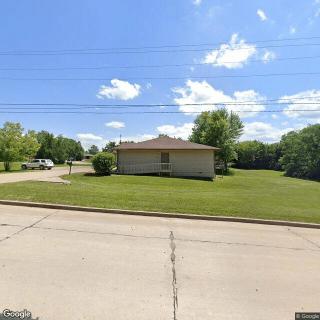
- The staff are very nice and the place is amazing; it includes private bedrooms and bathrooms, gas fireplaces, a wooded backyard; it is close to a grocery store and a strip mall.
- The facility is spacious and each unit has its own bedroom and bathroom; it has gas fireplaces, ample outdoor space, and is close to essentials.
- Residential Center feels like a real home; staff and residents function like a family; the staff are passionate about helping and taking care of people; it provides a positive, caring environment for relatives.
- The facility is very professional and clean; the staff go above and beyond answering questions; great people.
- The staff are great; the facility is clean; it feels like home.
- Maplewood serves the community beautifully, with happy clients and a proactive staff always ready to help.
- The staff are always nice and welcoming.
- The people are nice.
Cons
 The facility is too busy.
- The staff member was completely rude and hung up on the caller when asked a question.
Review
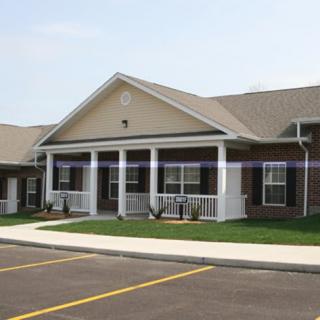
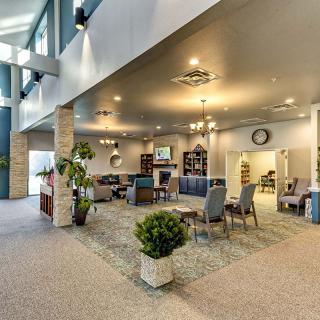
Maplewood in Jefferson City, MO is best suited for seniors who want a true home-style living environment where privacy and personal space are non-negotiable. Residents typically use private bedrooms with private baths, which feels more like living in a house than a traditional facility. Gas fireplaces, a wooded backyard, and an abundant outdoor area create real living spaces that support independence and social connection. The staff’s evident passion translates into a caring, family-like atmosphere, and the campus consistently projects warmth, cleanliness, and a genuine sense of belonging. This is not a sterile institutional setting; it is a setting designed to feel like home while delivering attentive support.
Alternatives become worth considering when the situation demands higher levels of medical oversight, memory-care specifics, or a more structured daily routine than Maplewood typically provides. A resident with advanced mobility issues or requiring regular, high-acuity medical interventions may outgrow the capacity of a home-like setting. Additionally, for families who prize uniform customer-service experiences across all touchpoints, the occasional mismatched interaction , including a notably curt phone response noted by a reviewer , can be a signal to look at other operators with more consistent front-desk coordination. A few families also described the community as “too busy” at times, which can translate into slower responses during peak periods.
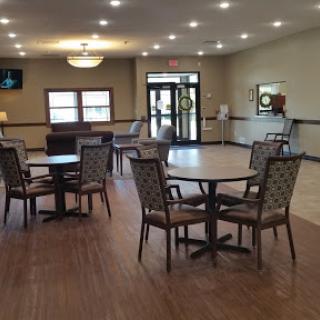
Yet the key advantages do not hinge on ambiance alone. The private rooms and bathrooms remove friction and support personal autonomy, and the home-like vibe is reinforced by thoughtful touches, gas fireplaces, ample outdoor space, and a wooded backyard, that invite residents to relax, socialize, and stay engaged without feeling crowded. On-site care teams receive repeated accolades for friendliness and responsiveness, with numerous testimonials highlighting a mission to protect and nurture residents. Cleanliness, professional conduct, and a welcoming entryway reinforce the sense that Maplewood is a trusted extension of family life rather than a clinical setting.
Perhaps the most consistent caveat is that Maplewood can feel busy, a reflection of popularity and demand rather than neglect. When staff are stretched, response times may slip, though the overall trend remains that residents receive attentive, compassionate care. A minority voice notes a poor customer-service experience from an off-site contact point, underscoring a need to verify how communications are handled across departments. Still, those criticisms are outweighed by the lived experiences of many families who describe on-site care as reliable, affectionate, and dedicated. The contrast between high praise for daily care and occasional friction at non-resident-facing channels matters for families evaluating how far warmth extends into administrative interactions.
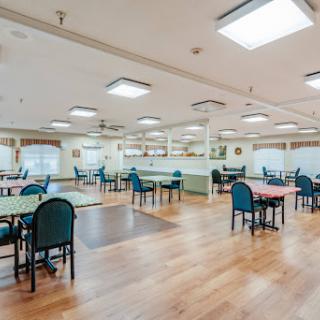
For families evaluating Maplewood, the practical test is to tour with a checklist: private spaces, bathrooms, and the ability to maintain routines; access to outdoor areas; proximity to groceries and shops; the tone and accessibility of the caregiving staff; and the quality of meals, the food is repeatedly highlighted as a standout. Ask current residents about daily schedules, activities, and how staff handle unexpected needs. Bring questions about staffing ratios during mornings and evenings and what happens when the facility is at capacity. If memory care or higher medical acuity is involved, probe explicitly about those programs and care plans. Maplewood should be judged not by glossy ideas but by the daily lived experience of residents.
When the fit is right, Maplewood offers a compelling, home-centered option that makes aging in place feel feasible and warm. It is best for seniors who prize autonomy, privacy, and a family-like staff culture, with the benefit of private conveniences and a convenient location near essential services. Those needing higher medical complexity or a more consistent cross-channel service experience may want to compare alternatives with stronger clinical support or more uniform administrative responsiveness. A thoughtful visit, open conversations with residents and staff, and a clear view of daily rhythms will illuminate whether Maplewood aligns with the loved one’s care goals and lifestyle preferences.
 13 resident community capacity
 Assisted Living
 Board and Care Home
 Cable or satellite TV
 Dining room
 Fully furnished
 Garden
 Housekeeping services
 Move-in coordination
 Outdoor space
 Telephone
 Wi-Fi/high-speed internet available
 Columbia Regional (18 miles away)
 24-hour supervision
 Activities of daily living assistance
 Assistance with bathing
 Assistance with dressing
 Assistance with transfers
 Diabetes diet
 Meal preparation and service
 Medication management
 Special dietary restrictions
 Transportation arrangement (medical)
 Transportation to doctors appointments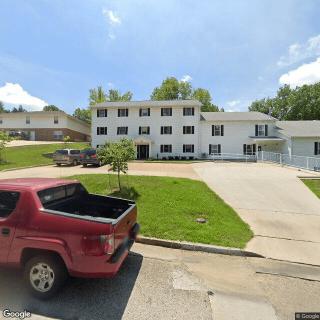


 Medicare Coverage for Assisted Living: An In-Depth Exploration
 Choosing the Right Senior Care: A Detailed Exploration of Assisted Living and Nursing Homes
 Understanding the True Cost of Assisted Living in 2025: A Comprehensive Guide